
Optimizing Gold Fingers: The Power of Predefined Optical Points and Laser Secondary Laser Molding Technology
In the realm of precision engineering, the demand for high-performance gold fingers is constantly on the rise. These delicate components play a crucial role in various applications, from electronic devices to medical equipment. However, the manufacturing process of gold fingers can be complex and challenging, often resulting in inconsistencies that affect their performance. In this blog post, we’ll explore the innovative solution of combining predefined optical points with laser secondary laser molding technology to overcome these challenges and produce gold fingers with unparalleled precision.
The Challenges of Traditional Manufacturing Methods
Traditionally, gold fingers are manufactured using various methods, such as wire bonding or reflow soldering. While these methods have their advantages, they often come with significant drawbacks. For instance, wire bonding can lead to inconsistent offsets, while reflow soldering may result in inconsistent wetting and poor yield rates.
To overcome these limitations, manufacturers have to invest considerable time and resources in optimizing their processes, which can be costly and time-consuming. Moreover, traditional methods may not provide the desired level of precision, leading to subpar performance and reduced product lifespan.
The Solution: Predefined Optical Points and Laser Secondary Laser Molding Technology
Enter predefined optical points (POPs) and laser secondary laser molding technology (LSLM). By combining these two innovative techniques, manufacturers can achieve unprecedented levels of precision and consistency in their gold finger manufacturing process.
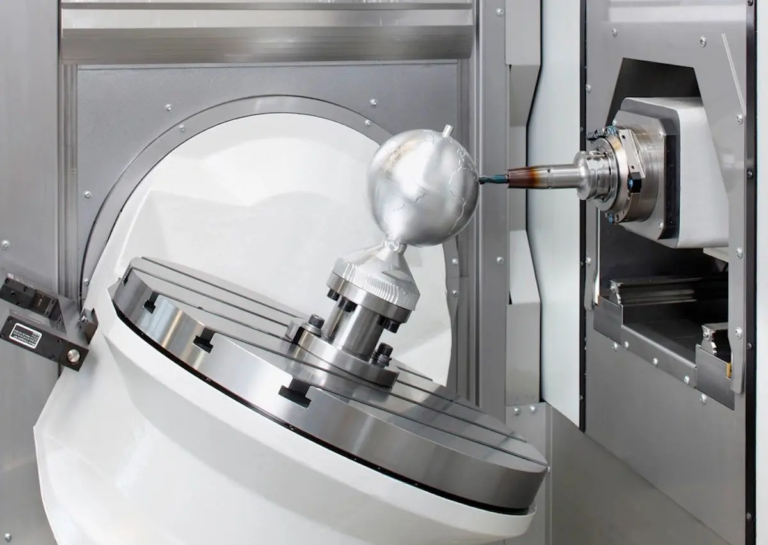
POPs involve the use of a custom-designed optical ring that is precisely positioned on a turntable. This ring is then illuminated from different angles to create a series of predefined optical points, which serve as reference points for the manufacturing process. These points provide a precise mechanical interface for the gold fingers, allowing for accurate positioning and alignment.
LSLM technology, on the other hand, uses a laser beam to create a mold on a substrate. The laser beam is precisely controlled to achieve the desired shape and size of the mold, which is then used to produce the gold finger. The combination of POPs and LSLM technology enables the production of gold fingers with unparalleled accuracy and precision.
Benefits of Combining POPs and LSLM Technology
The integration of predefined optical points and laser secondary laser molding technology offers numerous benefits for manufacturers of gold fingers. Some of the key advantages include:
- Improved accuracy: The combination of POPs and LSLM technology ensures that the gold fingers are precisely manufactured, resulting in a significant reduction in defective parts and improved yield rates.
- Increased precision: The precise mechanical interface provided by POPs, combined with the accurate shape and size control offered by LSLM technology, result in gold fingers with consistent dimensions and properties.
- Reduced manufacturing time and cost: The streamlined manufacturing process enabled by POPs and LSLM technology reduces the need for rework, wasted materials, and labor, resulting in cost savings and faster production turnaround times.
- Enhanced product performance: The high-precision gold fingers produced through this process exhibit improved electrical conductivity, reduced thermal gradient, and enhanced reliability, ensuring optimal performance in various applications.
Conclusion
In conclusion, the combination of predefined optical points and laser secondary laser molding technology offers a groundbreaking solution for the production of high-performance gold fingers. By leveraging these innovative technologies, manufacturers can overcome the limitations of traditional manufacturing methods, producing gold fingers with unparalleled precision, accuracy, and consistency. The benefits of this approach are clear, with improved accuracy, increased precision, reduced manufacturing time and cost, and enhanced product performance.
As the demand for high-performance electronic components continues to grow, the adoption of predefined optical points and laser secondary laser molding technology is poised to revolutionize the production of gold fingers. By embracing this innovative solution, manufacturers can set a new standard for quality and performance, empowering them to succeed in an increasingly competitive landscape.



















