
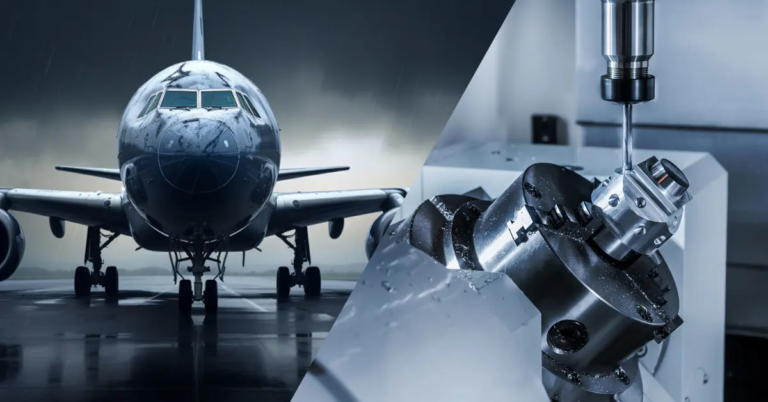
The Revolutionary World of EDM: Unlocking the Power of Electric Spark Machining
In the world of manufacturing, the quest for precision and efficiency has led to the development of innovative technologies that have transformed the way we create and shape materials. One such technology is Electric Discharge Machining (EDM), a process that has been gaining popularity in the industry for its ability to cut conductive materials with unprecedented precision and accuracy. In this blog post, we’ll delve into the world of EDM, exploring its history, principles, characteristics, and applications, as well as its potential to revolutionize various industries.
A Brief History of EDM
The first EDM machine was developed in the Soviet Union in 1960, followed by China’s development of a similar machine tool in 1961. Initially, these early machines used electrical mold control to cut trajectories, but due to low cutting speeds, they were limited to treating narrow slots in the electronics industry. However, breakthroughs in the 1960s, including the use of emulsions and rapid wire movement mechanisms, enabled the development of high-speed cutting machines that quickly adopted digital control technologies and photoelectric monitoring control. This marked a significant turning point in the history of EDM, paving the way for its widespread adoption in various industries.
The EDM Process
At the heart of EDM is the use of a metallic wire, typically with a diameter of 0.02 to 0.3 mm, as the tool electrode. There are two primary methods of moving the electrode wire: high-speed wire removal, with speeds of 9 to 10 meters per second, and low-speed wire removal, with speeds of less than 10 meters per minute. The wire is typically fed through a nozzle, which sprays a work fluid, such as an emulsion or deionized water, between the part and the electrode wire. The control system monitor’s pre-programmed information to move the workbench, positioning the part close to the electrode wire. When the two are within the optimal distance (usually 0.01 to 0.04 mm), a spark discharge occurs, eroding the metal and creating a precise, complex shape.
Characteristics and Applications of EDM
Beyond its fundamental characteristics as a spark eroding process, EDM exhibits several distinct advantages:
- No need for complex tool electrode shapes: EDM enables the treatment of two-dimensional curved surfaces with straight lines using simple wire electrodes.
- Ability to cut narrow slits: With EDM, it’s possible to cut slits as narrow as 0.05 mm.
- Efficient material usage: EDM treatment does not generate excess material waste, resulting in improved energy efficiency and reduced material consumption.
- Improved treatment accuracy: In low-speed treatment, the continuous update of electrode threads improves treatment accuracy and reduces surface roughness.
- High-speed cutting efficiency: EDM can achieve cutting speeds of up to 20 to 60 mm²/min, with some machines capable of processing up to 300 mm²/min.
Applications of EDM
EDM has far-reaching implications for various industries, including:
- Mold manufacturing: EDM is widely used in the production of molds, such as those for plastic injection molding and die-casting.
- Model making: EDM is used to create precise, intricate models and prototypes.
- Training tools and precision parts: EDM is suitable for the creation of special tools, such as those used in the aerospace industry.
- Electric and electronics: EDM is used in the production of electrical devices, test engines, and other products that require precise cutting and treatment.
In conclusion, Electric Discharge Machining is a revolutionary technology that has transformed the manufacturing landscape. With its ability to precision-cut conductive materials, EDM offers a range of benefits, from high-speed cutting efficiency to improved material usage and treatment accuracy. As the technology continues to evolve, it’s likely to have a significant impact on various industries, enabling the creation of complex parts and products with unprecedented precision and speed.



















