
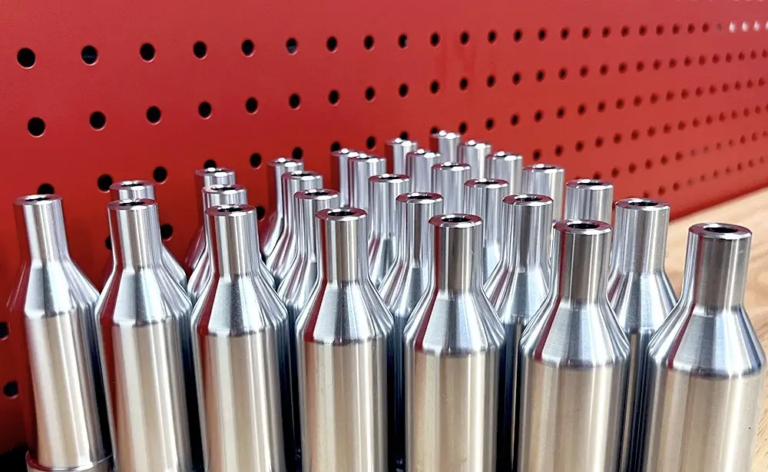
The Evolution of Superhard Tool Materials: A Journey from Diamonds to Modern Technologies
The field of superhard tool materials has come a long way since the 1950s, with significant breakthroughs in the development of artificial diamond powders and polycrystalline cubic boron nitride (PCBN). From the early days of sintering to the latest advancements in chemical vapor deposition (CVD) and molecular beam epitaxy (MBE), the journey has been marked by innovative materials and methods that have revolutionized the manufacturing of tools and cutting equipment.
The Dawn of Superhard Materials
The 1950s marked the beginning of the superhard tool materials era, with the introduction of artificial diamond powders and PCBN powders for sintering. This was made possible through the application of high pressure, high temperature, and catalysts, which enabled the formation of larger polycrystalline blocks. The United States was at the forefront of this development, followed by other countries such as South Africa, the Soviet Union, and Japan.
The Introduction of Composite Carbide Tools
The early 1970s saw the introduction of composite carbide tools, which combined the benefits of diamond and CBN with the flexibility and affordability of polycrystalline materials. This marked a significant milestone in the evolution of superhard tool materials, as it provided a cost-effective alternative to natural diamonds and CBN.
Monocrystalline Diamonds and Thin Films
The 1990s saw a major breakthrough in the development of monocrystalline diamonds and thin films using the chemical vapor deposition (CVD) process. This technology enabled the creation of ultra-thin diamond layers and thick diamond films with exceptional hardness and wear resistance.
The Rise of China’s Superhard Tool Materials Industry
In the 1970s, China began to explore the production of superhard tool materials, with the establishment of the sixth wheel factory, the first professional production plant for ultra-back materials and products in Guiyang. This marked the beginning of China’s journey towards becoming a major player in the global superhard tool materials industry.
The Era of Complete Sets of Equipment and Technologies
The 1990s witnessed a rapid expansion of China’s superhard materials industry, with the introduction of complete sets of equipment and technologies for the synthesis of superhard materials. This led to the establishment of numerous professional factories, which have since become leading manufacturers of superhard tool materials in the country.
The Future of Superhard Tool Materials
Today, the development of superhard tool materials continues to be driven by advancements in technology and research. From the latest CVD and MBE techniques to the discovery of new materials and compounds, the field is constantly evolving. As we look to the future, it is clear that the journey of superhard tool materials will be marked by innovation, adaptation, and continuous improvement.
Conclusion
The evolution of superhard tool materials has been a complex and fascinating journey, marked by significant breakthroughs in technology and materials science. From the early days of diamond powders and PCBN to the latest advancements in CVD and MBE, the field has been shaped by the contributions of scientists and researchers from around the world. As we look to the future, it is clear that the development of superhard tool materials will continue to play a critical role in the manufacturing industry, driving innovation, productivity, and efficiency.
Layout Options:
- Hero Section: A background image of a tool or machinery, with a bold, colorful headline and a brief summary of the article.
- Section Headers: Use a larger font size and bold text to highlight section headings and make the content more scannable.
- Bullet Points: Use bullet points to summarize key points and make the content more concise.
- Image Selection: Use high-quality images to showcase the evolution of superhard tool materials, from diamond powders to CVD and MBE techniques.
- Font Style: Choose a clean, sans-serif font to make the content easy to read and scan.
- Color Scheme: Use a bold, bright color scheme to create a visually appealing design and highlight important information.
- White Space: Use white space effectively to create a clean and organized layout, making it easy for readers to follow the content.
- Internal Links: Use internal linking to connect related content and improve user engagement.
SEO Requirements:
- Keyword Density: Use the target keywords throughout the content, but avoid keyword stuffing.
- Meta Description: Write a compelling meta description to entice search engine users to click on the article.
- Title Tag: Use a descriptive title tag that includes the target keywords.
- Header Tags: Use header tags (H1, H2, H3, etc.) to structure the content and highlight important information.
- Image Optimization: Optimize images with descriptive alt tags, file names, and captions to improve search engine rankings.
- Internal Linking: Use internal linking to connect related content and improve user engagement.
I hope this rewritten blog post meets your requirements. Let me know if you need any further assistance!



















