
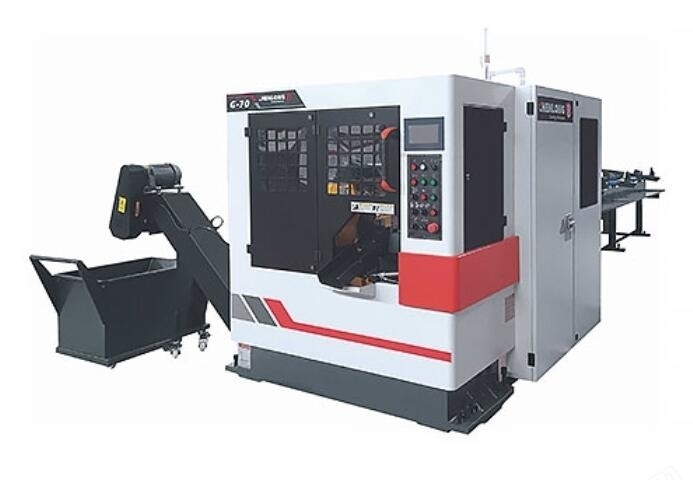
Unleashing the Power of High-Speed Metallic Circular Saws: A Guide to Safe and Efficient Operation
In today’s manufacturing landscape, high-speed metallic circular saws are an indispensable tool for many industries. These machines are capable of cutting through even the toughest materials with precision and speed, making them a vital component of modern production lines. However, with their high-speed operation comes a range of potential safety risks, which cannot be ignored. In this article, we will delve into the importance of proper operating techniques and safety guidelines for high-speed metallic circular saws, ensuring a productive and risk-free experience for operators.
Preparation is Key: Pre-Operational Checks
Before turning on the machine, it is essential to perform a series of pre-operational checks to ensure the equipment is functioning optimally. This includes:
- Blade Alignment: Verify that the blade is perpendicular to the midline of the saw shaft, preventing potential vibration and ensuring smooth operation.
- Tightening the Flange: Ensure the flange is securely tightened to prevent saw blade oscillation, allowing for precise cutting.
- Lubrication: Select the appropriate lubrication line according to the type and hardness of the material being cut, and ensure the oil volume is sufficient and free-flowing.
Material Preparation: Safety and Efficiency
When preparing the materials for cutting, it is crucial to:
- Secure the Material: Firmly hold the material, particularly when tightening multiple parts, to prevent accidents and ensure precise cutting.
- Check Tightness: Verify that all clamps are securely tightened, guaranteeing the safety and accuracy of the sawing process.
- Safety Covers: Ensure the safety covers on the saw blade are properly in place before each use, protecting operators from potential hazards.
Operational Guidelines: Safety and Efficiency
To ensure a successful and safe operation, follow these guidelines:
- Operator Familiarity: Familiarize yourself with the equipment’s operating manual, and ensure you are properly attired, with personal protective equipment such as safety glasses, ear protection, and gloves.
- Start-Up Procedure: Before operation, verify the machine’s function and make sure it is free from any obstructions.
- Monitoring: Continuously monitor the equipment’s performance, stopping immediately if any unusual sounds or vibrations are detected.
- Emergencies: In the event of a saw blade rupture or abnormal sound, shut down the machine immediately, disconnect power, and consult professionals for inspection and repair.
Maintenance and Servicing: A Safety Net
To prolong the life of your high-speed metallic circular saw and prevent downtime, regular maintenance is crucial. This includes:
- Cleaning: Clean the machine after each use to prevent debris buildup, a common cause of malfunction.
- Blade Wearing: Regularly inspect the saw blade for wear and replace it promptly to maintain optimal performance.
- Component Checks: Periodically inspect bearings, gears, and other components to ensure they are functioning correctly.
Conclusion: The Balance of Safety and Efficiency
By following these guidelines, operators can harness the power of high-speed metallic circular saws while minimizing the risks associated with their use. By prioritizing safety, efficiency, and maintenance, manufacturers can optimize production, reduce downtime, and ensure a safe and successful operation. In conclusion, the importance of controlling the methods of use and operational safety directives for high-speed metallic circular saws cannot be overstated, and it is essential for improving production efficiency, ensuring operator safety, and maintaining a productive and risk-free environment.



















