
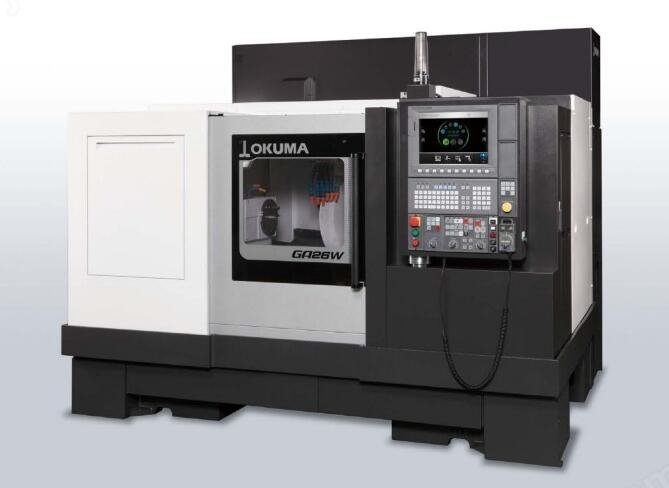
Unlocking the Power of CAD Technology in Machine Tool Development: A Leading-Edge Insight
Introduction
The machine tool industry has undergone significant transformations in recent decades, driven by advancements in computer-aided design (CAD) technology. In this blog post, we will delve into the evolution of CAD technology in machine tool development, highlighting its benefits, challenges, and future prospects. We will also explore the latest trends and innovations in CAD software, hardware, and their applications in the machine tool industry.
The Rise of CAD Technology
CAD technology emerged in the 1960s, primarily used in the aerospace and automotive industries. The early 1970s saw the development of the first CAD systems for machine tool design, which laid the foundation for the industry. By the 1990s, the rapid growth of IT technology enabled the widespread adoption of CAD solutions in various industries, including machine tool manufacturing.
Development of Machine Tool CAD Systems
The development of machine tool CAD systems began in the late 1980s, with the introduction of software such as CATIA and Pro/ENGINEER. These early systems were primarily used for 2D drafting and design, but with the advent of 3D modeling and simulation, CAD systems became more sophisticated. In the 1990s, the development of CAE (computer-aided engineering) and CAM (computer-aided manufacturing) systems further expanded the capabilities of machine tool CAD systems.
Current Trends and Innovations
Today, CAD technology is a cornerstone of the machine tool industry, offering numerous benefits, including:
- Improved Design: CAD systems enable the creation of accurate, complex geometries and simulations, reducing design time and improving product quality.
- Automation: CAD systems automate tasks, such as design data management, reducing the need for manual intervention and improving product development speed.
- Cost Savings: CAD systems reduce material wastage and improve manufacturing efficiency, resulting in cost savings.
- Flexibility: CAD systems accommodate various design requirements, from simple to complex, and allow for fast design modifications.
Breaking Down the CAD System
A CAD system for machine tools can be broken down into four primary components:
- Computer-Aided Design (CAD): This component is responsible for creating and editing 2D and 3D designs.
- Computer-Aided Manufacturing (CAM): This component converts CAD data into manufacturing instructions, guiding the production process.
- Computer-Aided Engineering (CAE): This component simulates product performance and behavior, enabling manufacturers to optimize design and manufacturing processes.
- Graphics and Visualization: This component provides interactive 2D and 3D graphics and visualization capabilities.
Case Study: A Successful Implementation of CAD Technology in Machine Tool Manufacturing
A leading Chinese machine tool manufacturer, Huayuan Laidong Combustion Engine Co., Ltd., employed CAD technology to revolutionize its design and manufacturing processes. The company reported significant benefits, including increased design speed, improved product quality, and reduced production costs.
Conclusion
The adoption of CAD technology in machine tool development has transformed the industry, offering numerous benefits, including improved design, automation, cost savings, and flexibility. As the industry continues to evolve, CAD technology will play a crucial role in driving innovation and competitiveness. By understanding the current trends, innovations, and best practices in CAD technology, machine tool manufacturers can stay ahead of the curve and remain competitive in this fast-paced industry.



















