
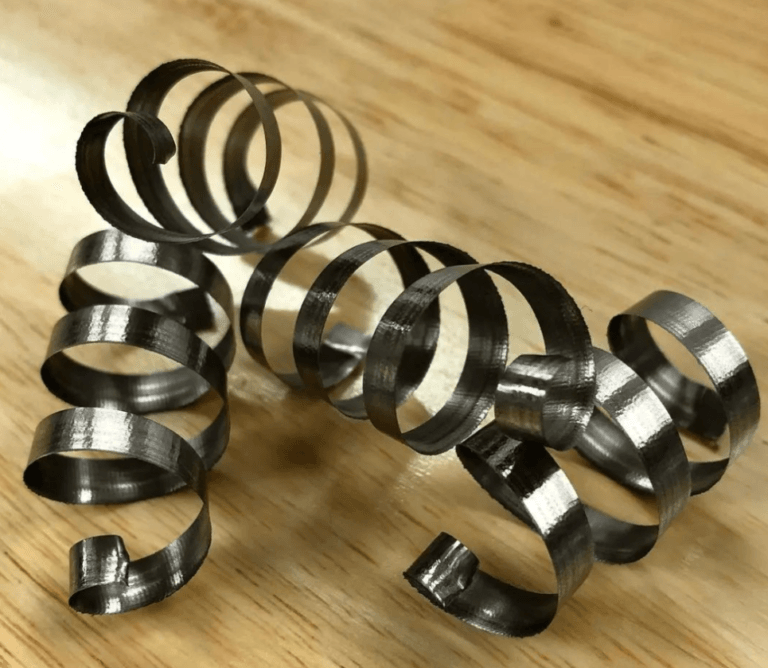
During the refined processing phase of the operation, the most unstopped to do what the operator is doing is to remove the parts because the quality of surface treatment is too poor. . The appropriate blade and cutting parameters are essential, but the same method is used to produce better surface.
1
Take a complete method
The important thing is to consider all stages of approximate treatment to fine treatment, as they are interconnected, associated and interdependent.
In order to ensure high quality surface softness, the operator must eliminate the appropriate quantity of materials during the rough and semi-precision treatment step so that the precision treatment can be carried out less or reducing errors. Any problem can cause poor surface quality.
Approximate treatment will deal with the major part of the approximate balance, so that the precision treatment tools will not have pressure, and the reasonable correspondence of the quantity of coarse treatment also prevents premature damage to the precision treatment tools. Many factories are more willing to use more intense power parameters for approximate treatment, which can cause large terrifying on the wall of the rooms and it is difficult to break.
If these terrifying are on the parts during the processing operation, they can be very difficult (producing chip tumors), which leads to a very short life of the blade. The rough treatment knife should be eliminated by programming, and it should provide a good treatment surface for the treatment phase. “”
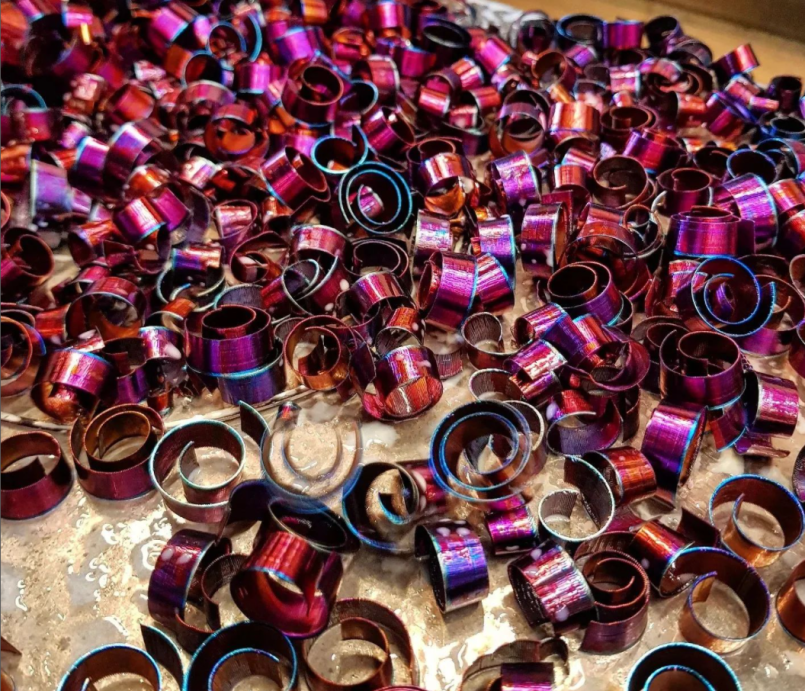
If you look at a normal steel or soft steel driving machine treatment, the operator must produce sufficient surface sweetness at the early stage to obtain the necessary surface softness.
2
Choose the appropriate power supply and speed
During treatment, you will use higher surface costs, so the speed is faster and the power speed is lower. And, in general, your cutting depth will be smaller. But the same important thing is that you should make sure that the speed of food is consistent with the surface sweetness you want. If the power speed is too slow, the blade will cause excessive friction and premature wear of the blade, which will cause poor surface cleanliness.
The faster cutting speed helps to slightly increase the temperature, generating better surface softness. It also prevents the material from sticking at the top or surface of the tool. Compared to rough treatment applications, the operator should slightly increase the speed, but do not improve too much, otherwise it will produce the opposite effect. If a dandruff tumor appears on the side of the blade, the quantity should be increased.
Compared to approximate treatment applications, many brands tend to reduce speed, which is a common error in refined treatment operations. An increasing speed is necessary to obtain high quality surface sweetness.
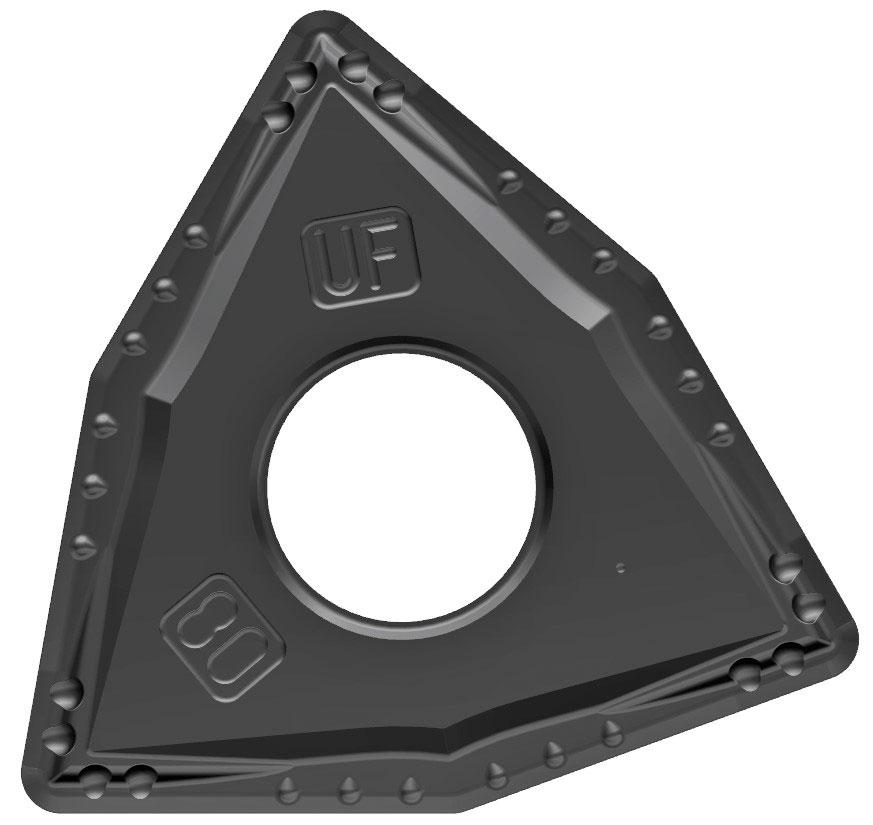
The clip slit with too large size tolerance will reduce the contact zone between the blade (for example WNMG blade) and the groove of the clip, which will move the clip. This can cause micro vibrations, which has a negative effect on the softness of the surface.
Determination of the correct cutting depth will help the stability of the filming process. An excessive cutting depth will cause that the radius of the cutting point applies all the force on the room, which will cause vibrations and negatively affect the softness of the surface.
It is not recommended to use too large a cutting depth, as most materials should be removed during rough and medium treatment steps. You generally want a light cutting depth and lower power speed.
3
Choose the right brand knife
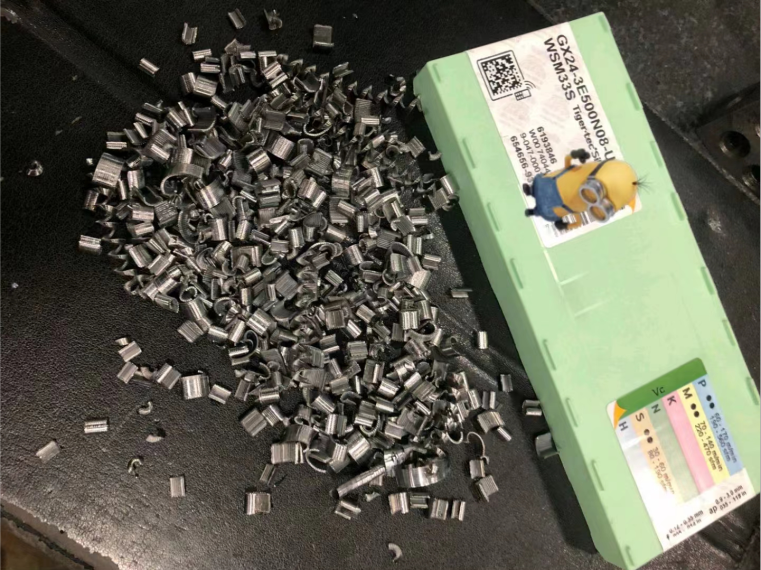
Use the brand’s blade to help produce a better cutting effect. On the other hand, you can talk about new applications with the blade manufacturer, which will help determine which blade will generate high quality surface sweetness in the turn operation, in order to choose the appropriate blade. Treatment conditions and part materials determine which type of blade is appropriate, but certain general characteristics can be recommended during the treatment phase.
As long as geometric shapes are authorized, the larger department is generally preferred during refined treatment. The larger department helps calm the material more effectively, almost like a wiper. Using a larger peak radius, you can slightly improve the speed of the power supply while maintaining a higher surface quality. However, in the thin application, the smaller point radius will reduce the radial cutting force, which can cause segmented and vibrations, which will have a negative effect on the softness of the surface.
The shape of the blade has a great impact on the formation of initial dandruff and surface sweetness.
4
The role of repairing the blade in the treatment
Use the brand’s blade to help produce a better cutting effect. On the other hand, you can talk about new applications with the blade manufacturer, which will help determine which blade will generate high quality surface sweetness in the turn operation, in order to choose the appropriate blade. Treatment conditions and part materials determine which type of blade is appropriate, but certain general characteristics can be recommended during the treatment phase.
As long as geometric shapes are authorized, the larger department is generally preferred during refined treatment. The larger department helps calm the material more effectively, almost like a wiper. Using a larger peak radius, you can slightly improve the speed of the power supply while maintaining a higher surface quality. However, in the thin application, the smaller point radius will reduce the radial cutting force, which can cause segmented and vibrations, which will have a negative effect on the softness of the surface.
The shape of the blade has a great impact on the formation of initial dandruff and surface sweetness.
5
Choose the right hollow disc
Choosing the right dandruff is also the key point. When the blade is involved in the cut, the upper surface of the blade is directly linked to the treatment of the material and the dandruff zone. Therefore, if you get a shallow cut depth at a lower power speed, the broken film groove will be different from obtaining a deeper cutting depth at a high power speed. You must choose the groove of the appropriate dandruff for the material, because shame is very important for good surface sweetness which is consistent, in particular on several parts.
6
The more the thin coating, the better
In this process, an neglected aspect is how the level of the blade affects surface sweetness, especially when linked to the coating.
With regard to the coating of the physical gas deposit (PVD) and the deposit of chemical gas (CVD), CVD coverings are often much thicker than PVD coating. Compared to the thinner coating, the thicker coating will face greater challenges in the generation of high quality surface surface, each time. Due to coating membership, PVD produces better surface softness than CVD coating. The PVD blade has a complete coating on all surfaces, while the chemical gas deposit will reduce the coating on micro-geometry, thus modifying the shape of the micro-geometry.
7
How to control the chip
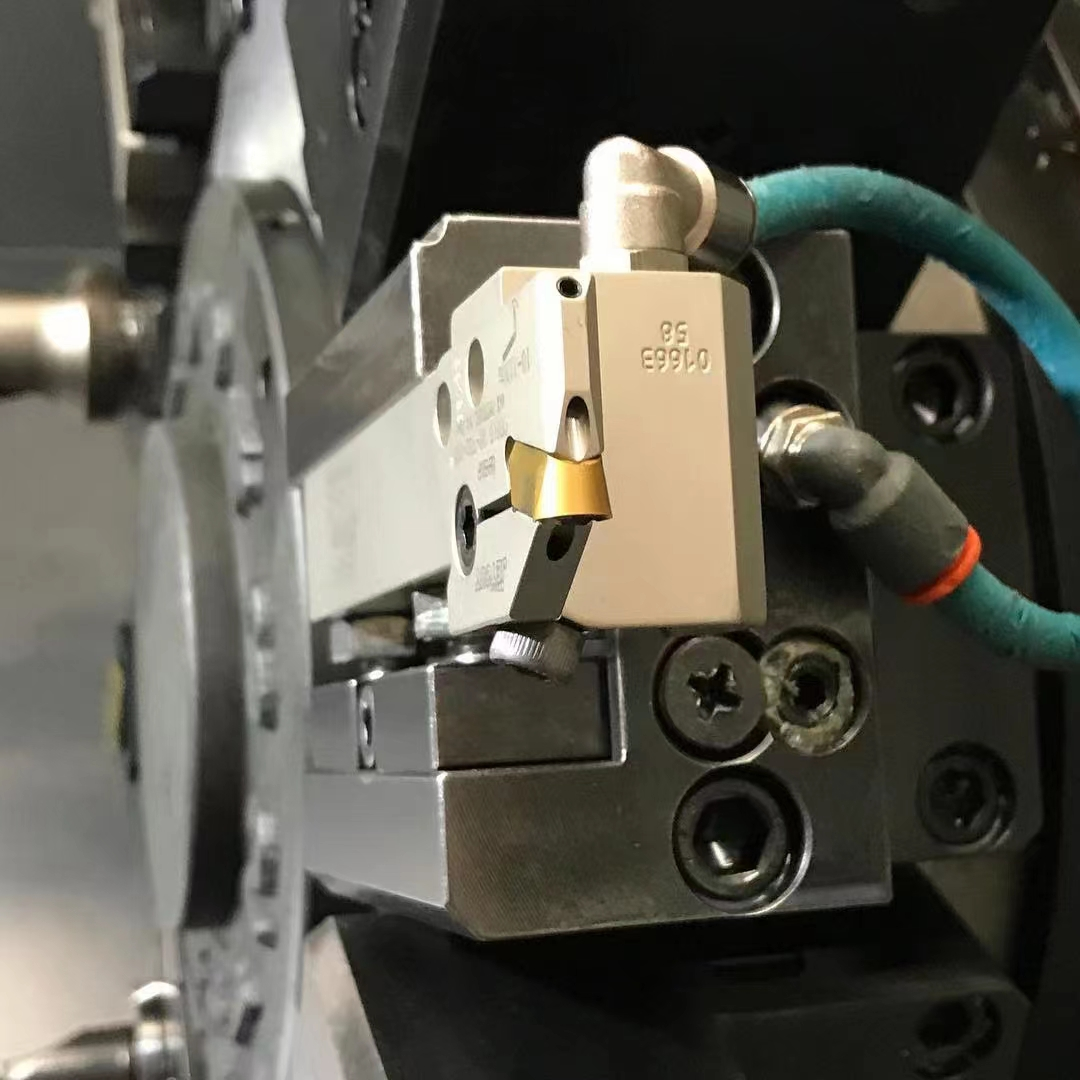
For most car cutting operations, it is recommended that the high pressure coolant aims directly to cut the blades. This helps remove the chop to remove the cutting area. Control of dedication is essential to maintain high quality sweetness. Cleaning the dandruff can prevent the tool from touching the chip again, which can damage the mouth of the tool blade. It can also prevent dandruff from curling around the tool and moving on the surface of the room, which can cause scratches or polishing defects.
“Cooling can help maintain the cooling of parts and tools so you can cut it at faster speed. If the device cannot use a high pressure cooling method, the routine or routine method internal cold is also the best choice. “
Cooling is not recommended for all applications. For hardening materials by car, any material exceeding the HRC50 should avoid using the ceramic coolant, as it has a hot knife trend, which can cause the knife. However, if the material is soft, the coolant can be used for the ceramic blade.
Dower control is essential because in the process, we have to heat the dandruff. But you need a sufficiently large cutting area. If the cutting zone is reduced, the quality of the calorie far from the cutting zone will be reduced and you will begin to see the effects of chemical wear, lateral wear and wear of the pit on the blade . When you consider surface polishing, control of dandruff becomes a challenge. This is why you must choose the correct geometric shape and maintain the appropriate cutting parameters for a given application.
8
Rigidity is also very important
Many people agree that the knife and the light play an important role in obtaining high quality surface sweetness. If the luminaire is not rigid, it will cause vibrations, which can affect softness. It is also important to make sure that the knife clip has as short as possible to help maintain its rigidity. The part and the tools must be fully supported so that there is no vibration during the processing process.
One of the things that many people may not think is how this blade is on the clip. The design of the knife clip can play an important role. Too open clipping shifts will reduce the contact area between the blade and the slot of the knife (such as the WNMG blade), thus bringing the exercise in the clip. This can cause micro-vibrations and negatively affect surface sweetness.
The movement on the tool also makes it difficult to maintain parts size tolerance. The blade must be adapted to the size of the blade and maintain good condition. There should be no wear or deformation, because even the most motionless exercise will have bad consequences.
9
Use in a good treatment method
The best way to produce good surface is to start with blade manufacturers and adopt the manufacturers’ suggestions, which will be a good start. We can adapt to the test cut, but these suggestions are only suitable for operators with rich experience, so we must accumulate more professional knowledge.
Choosing a blade with a positive front corner is preferred for precision treatment. The front area helps produce sharp blades to cut the materials. For the rough treatment phase, the negative front angle can be used, as it will apply more to eliminate more materials after the cutting blade and provide a better starting point for the precision treatment step.
Another thing to consider here is the directional force. The choice of a blade with almost 0 ° in the corner will make you more powerful along the axial steering, but you must also increase the rear space of the blade to obtain a high quality surface.
The cutting force during treatment is an important factor. The cutting force, that is to say the axial force plus the radial force, can be considered constant during the cut. If the operating fold increases the axial force, they will reduce the impact of the radial force, which allows them to maintain better tolerance and reduce micro-vibrations, because the reduction in natural instability. In the rough treatment phase of processing and semi-exhausting of the process, it is not necessarily a factor to consider.
Finally, please note that the management of the tool cut is also very important. Also affect the lifespan of the tool and your surface sparkle will certainly be affected.
Daguang focuses on providing solutions such as precision CNC machining services (3-axis, 4-axis, 5-axis machining), CNC milling, 3D printing and rapid prototyping services.



















