
Surface treatment is a process that artificially forms a layer on the surface of a base material having mechanical, physical and chemical properties different from those of the base material.
The purpose of surface treatment is to meet the corrosion resistance, wear resistance, decoration or other special functional requirements of the product. Our most commonly used surface treatment methods are mechanical grinding, chemical treatment, surface heat treatment and surface spraying which involves cleaning, sweeping, deburring, removing oil and removing scale on the surface of the room. Today we will learn about the surface treatment process.
Commonly used surface treatment processes include:
Vacuum electroplating, electroplating process, anodizing, electropolishing, pad printing process, galvanizing process, powder spraying, water transfer printing, screen printing, electrophoresis, etc.
01. Vacuum plating
—— Vacuum metallization ——
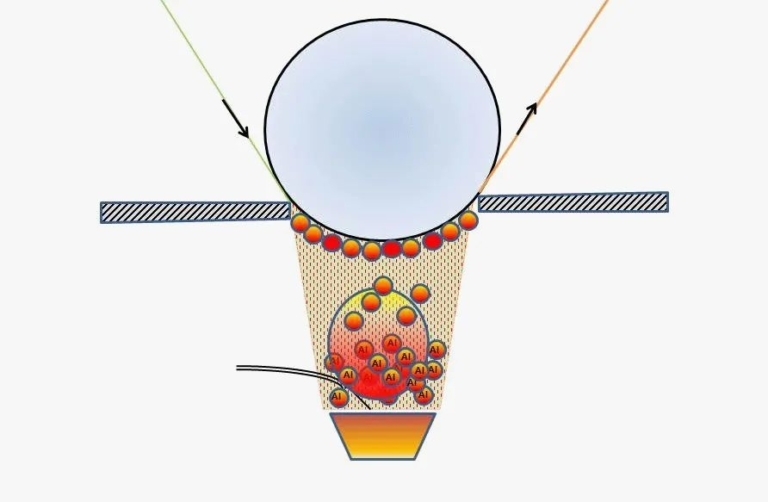
Vacuum plating is a physical deposition phenomenon. That is, the argon gas is injected under vacuum and the argon gas hits the target material. The target material is separated into molecules and is adsorbed by the conductive products to form a uniform and smooth imitation metal surface layer.
Applicable materials:
1. Many materials can be vacuum galvanized, including metals, soft and hard plastics, composite materials, ceramics and glass. Among them, aluminum is most commonly used for electroplating surface treatment, followed by silver and copper.
2. Natural materials are not suitable for vacuum plating because the humidity of natural materials themselves will affect the vacuum environment.
Process cost: During the vacuum electroplating process, the part needs to be sprayed, loaded, unloaded and sprayed again, so the labor cost is quite high, but it also depends on the complexity and the quantity of the piece.
Environmental impact: Vacuum electroplating has very little environmental pollution, similar to the impact of spraying on the environment.
02.Electropolishing
—— Electropolishing ——
Electropolishing is an electrochemical process in which the atoms of a workpiece immersed in an electrolyte are converted into ions and removed from the surface due to the passage of current, thereby achieving the effect of removing fine burrs and increasing the brightness of the surface of the room.
Applicable materials:
1. Most metals can be electrolytically polished, which is most often used for surface polishing of stainless steel (especially suitable for nuclear grade austenitic stainless steel).
2. Different materials cannot be electropolished at the same time, or even placed in the same electrolytic solvent.
Process cost: The whole electropolishing process is basically carried out automatically, so labor costs are very low. Environmental impact: electropolishing uses less harmful chemicals. The whole process requires a small amount of water and is simple to use. In addition, it can prolong the properties of stainless steel and delay the corrosion of stainless steel.

03. Pad printing process
—— Pad printing ——
Being able to print text, graphics and images on the surface of irregularly shaped objects is now becoming an important special impression.
Applicable materials:
Pad printing can be used on almost any material except materials softer than silicone pads, such as PTFE.
Process cost: low mold cost and low labor cost.
Environmental impact: As this process is limited to soluble inks (which contain harmful chemicals), it has a significant impact on the environment.

04. Galvanizing process
—— Galvanizing ——
Surface treatment technology that coats the surface of steel alloy materials with a layer of zinc for aesthetics, rust prevention, etc. The zinc layer on the surface is an electrochemical protective layer that can prevent metal corrosion. The main methods used are hot-dip galvanizing. and electro-galvanized.
Applicable materials:
Since the galvanizing process relies on metallurgical bonding technology, it is only suitable for surface treatment of steel and iron.
Process cost: no casting costs, short cycle time/average labor cost, because the surface quality of the part largely depends on the manual surface treatment before galvanizing.
Environmental impact: Since the galvanizing process increases the life of steel parts from 40 to 100 years and prevents rust and corrosion of parts, it plays a positive role in environmental protection. In addition, galvanized parts can be returned to the galvanizing tank after their service life expires, and repeated use of liquid zinc will not produce chemical or physical waste.

05. Electroplating process
—— Electroplating ——
A process that uses electrolysis to attach a metal film to the surface of parts, thereby preventing oxidation of the metal, improving wear resistance, conductivity, reflectivity, corrosion resistance and improving aesthetics . The outer layers of many parts are also galvanized.
Applicable materials:
1. Most metals can be galvanized, but different metals have different levels of purity and plating effectiveness. The most common are: tin, chrome, nickel, silver, gold and rhodium.
2. The most commonly used plastic for electroplating is ABS.
3. Metallic nickel cannot be used for plating products that come into contact with skin because nickel is irritating and toxic to the skin.
Process cost: no casting costs, but accessories are required to attach the parts/Time cost depends on temperature and metal type/Labor cost (medium-high), depends on the type of specific electroplated parts, such as silverware and jewelry, which requires a lot of electroplating. Highly skilled workers are required to operate it due to its high requirements for appearance and durability.
Environmental Impact: A large number of toxic substances are used in the electroplating process, so professional diversion and extraction are required to ensure minimal environmental impact.

06. Water Transfer Printing
—— Hydroelectric transfer printing ——
It is a method of printing color patterns on transfer paper onto the surface of three-dimensional products using water pressure. As people’s requirements for product packaging and surface decoration increase, water transfer printing is more and more widely used.
Applicable materials:
All hard materials are suitable for water transfer printing, and materials suitable for spraying should also be suitable for water transfer printing. The most common are injection molded parts and metal parts.
Process cost: There is no molding cost, but you need to use a device to transfer multiple products to water at the same time. The time cost generally does not exceed 10 minutes per cycle.
Environmental impact: Compared to spraying products, water transfer printing more fully applies print coatings, reducing the risk of waste leakage and material waste.

07.Screen printing
—— Screen printing ——
Through the compression of the scraper, the ink is transferred to the substrate through the mesh of the graphic part, forming the same graphic and text as the original. Screen printing equipment is simple, easy to operate, easy to print and make plates, low cost and strong adaptability.
Common printed materials include: color oil paintings, posters, business cards, binding covers, product signs and printed and dyed textiles, etc.
Applicable materials:
Almost any material can be screen printed, including paper, plastic, metal, ceramic and glass.
Process cost: The mold cost is low, but it still depends on the number of colors, because each color needs to be plated separately. Labor costs are high, especially when it comes to multi-color printing.
Environmental impact: Light-colored screen printing inks have less impact on the environment. However, inks containing PVC and formaldehyde contain harmful chemicals and must be recycled and treated in time to avoid contamination of water resources.

08.Anodizing
—— Anodic oxidation ——
Mainly aluminum anodizing, which uses electrochemical principles to generate an Al2O3 (aluminum oxide) film on the surface of aluminum and aluminum alloys. This oxide film has special properties such as protection, decoration, insulation and wear resistance.
Applicable materials:
Aluminum, aluminum alloy and other aluminum products
Process cost: During the production process, the consumption of water and electricity is considerable, especially in the oxidation process. The heat consumption of the machine itself requires the constant use of circulating water for cooling, and the energy consumption per ton is often around 1,000 degrees.
Environmental impact: Anodizing is not great in terms of energy efficiency. At the same time, during the production of aluminum electrolysis, the anode effect also produces gases that have harmful side effects on the atmospheric ozone layer.

09. Metal brushing
——Metal wired——
This is a surface treatment method that uses grinding products to form lines on the surface of the workpiece to achieve a decorative effect. According to the different textures after stretching, it can be divided into: straight grain drawing, random grain drawing, wavy grain and spiral grain.
Applicable materials: Almost all metal materials can use the metal drawing process.
Process cost: The process method is simple, the equipment is simple, the material consumption is very low, the cost is relatively low, and the economic benefits are high.
Environmental impact: pure metal products, without paint or chemical substances on the surface, do not burn at a high temperature of 600 degrees, do not produce toxic gases, and comply with fire protection and environmental protection requirements environment.

10. Decoration in the mold
——In-mold decoration-IMD——
This is a casting method in which a diaphragm with a printed pattern is placed in a metal mold, and casting resin is injected into the metal mold to join the diaphragm, so that the diaphragm with the printed pattern and the resin are integrated and solidified. into a finished product.
Applicable materials: plastic surface
Process cost: Only one set of molds is needed, which can reduce costs and labor hours for highly automated production. There is a one-time injection molding method that can carry out molding and decoration at the same time.
Environmental impact: This technology is green and environmentally friendly, avoiding pollution caused by traditional spray painting and electroplating.

Daguang focuses on providing solutions such as precision CNC machining services (3-axis, 4-axis, 5-axis machining), CNC milling, 3D printing and rapid prototyping services.



















