In the dynamic world of precision manufacturing, where complexity and efficiency are paramount, the choice of machining equipment can define a project’s success. Among the array of advanced machine tools, horizontal CNC machining centers stand out as a cornerstone technology for high-volume, high-precision production. This article delves into the intricacies of these powerful machines, exploring their operation, advantages, and ideal applications within the realm of custom part manufacturing. As a senior manufacturing engineer, I’ve witnessed firsthand how leveraging the right technology, such as the sophisticated horizontal machining solutions offered by partners like GreatLight Metal, directly translates to superior part quality, reduced lead times, and significant cost savings for our clients.
H2: Demystifying the Horizontal Machining Center (HMC)
At its core, a Horizontal CNC Machining Center is a computer-numerical-controlled machine tool where the primary spindle is oriented horizontally. Unlike its more common vertical counterpart (VMC), the workpiece is typically mounted on a rotary table or pallet system that sits parallel to the ground, while the horizontal spindle approaches the part from the side. This fundamental orientation difference unlocks a unique set of capabilities.
Key Components and Operation:
Horizontal Spindle: The cutting tool is held horizontally. This orientation allows chips to fall away from the workpiece and tool path by gravity, which is a critical advantage for unattended machining.
Rotary Pallet System (or Tombstone Fixture): Many HMCs feature a pallet changer. While one pallet is being machined, the operator can set up the next workpiece on another pallet outside the machining area. This drastically reduces non-cutting time and is essential for lights-out manufacturing.
Tombstone Fixtures: These are cubic fixtures mounted on the pallets. Multiple sides of a tombstone can be used to fixture several workpieces simultaneously, allowing a single machine to perform operations on multiple part faces in one setup.
H3: Core Advantages of Horizontal CNC Machining
The design philosophy behind HMCs addresses several perennial challenges in precision machining:
Superior Chip Evacuation: Gravity works in your favor. Chips fall directly into the conveyor or chip pan below, preventing recutting, which can damage the tool and the workpiece surface finish. This leads to longer tool life and more consistent quality.
Unmatched Multi-Face Machining in a Single Setup: This is the most significant benefit. By utilizing a rotary table (often a B-axis) and tombstone fixtures, four or even five sides of a cube-shaped or cylindrical part can be accessed without re-fixturing. This eliminates cumulative errors from multiple setups and ensures exceptional positional accuracy between features.
Enhanced Stability and Rigidity: The horizontal orientation often provides a more robust and stable platform for the spindle and column, especially when machining heavy parts. This increased rigidity allows for more aggressive metal removal rates with less vibration, enabling faster machining of tough materials like stainless steel, titanium, and Inconel.
High Productivity for Batch Production: The combination of pallet changers and multi-part tombstones makes HMCs exceptionally efficient for medium to high-volume production runs. Machine idle time is minimized, maximizing spindle utilization.
H3: When to Choose a Horizontal Machining Center?
Understanding the application fit is crucial. HMCs excel in:
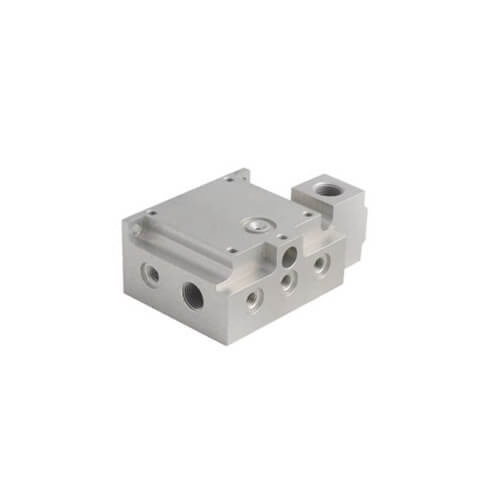
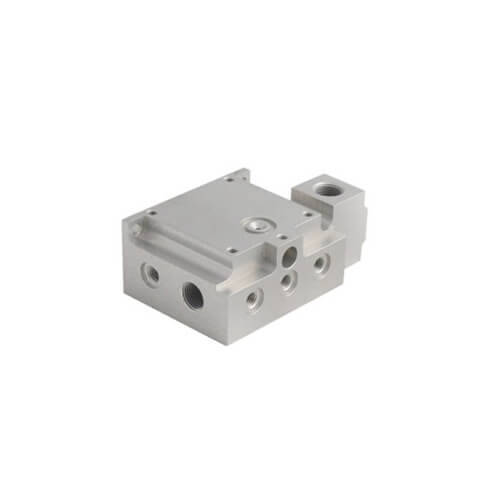
Complex, Box-shaped Parts: Components requiring milling, drilling, and tapping on multiple perpendicular faces (e.g., engine blocks, transmission housings, pump bodies, valve bodies).
High-Volume Production: Where reducing cycle time and manual intervention is a priority.
Demanding Materials: Projects involving high-temperature alloys or heavy cuts that benefit from superior machine rigidity.
Automated Manufacturing Cells: Their inherent compatibility with pallet systems and robots makes them ideal for building flexible manufacturing systems (FMS).
For simpler, 2.5-axis work or single-face prototyping, a VMC might be more cost-effective. The decision hinges on part geometry, volume, and required precision.
H2: Partnering with Expertise: The Role of a Capable Manufacturer
Investing in horizontal CNC machining capability is one thing; mastering it is another. This is where the engineering partnership with a manufacturer becomes critical. A proficient partner like GreatLight Metal doesn’t just operate HMCs; they integrate them into a holistic manufacturing solution.
Why Engineering Support Matters:
Fixture Design & Tombstone Optimization: Maximizing the productivity of an HMC requires ingenious fixture design to load the maximum number of parts per cycle. Experienced engineers design tombstones and fixtures for optimal tool access and minimal vibration.
Process Optimization for 4th/5th Axis: Programming for simultaneous 4-axis or 5-axis machining on an HMC requires advanced CAM expertise to avoid collisions, optimize toolpaths, and maintain precision.
Integrated Quality Assurance: With multiple parts and faces machined in one setup, in-process probing and post-process CMM verification are integrated to ensure every feature meets the stringent tolerances demanded by industries such as aerospace and medical.
Conclusion
Horizontal CNC machining centers represent a powerful evolutionary step in manufacturing technology, engineered to solve specific challenges of multi-face machining, chip control, and high-volume productivity. Their strategic implementation can dramatically streamline the production of complex precision parts. For businesses looking to navigate this advanced machining landscape, aligning with a certified and experienced partner is essential. Manufacturers like GreatLight Metal, with their comprehensive equipment roster including advanced multi-axis HMCs, deep process engineering knowledge, and unwavering commitment to quality standards like ISO 9001:2015 and IATF 16949, provide the necessary foundation to transform the theoretical advantages of horizontal machining centers into tangible, high-quality, and cost-effective results for your most demanding projects.
FAQ: Frequently Asked Questions About Horizontal CNC Machining Centers
Q1: Are horizontal machining centers more expensive than vertical ones?
A: Generally, yes. The initial capital investment for an HMC is higher due to its more complex structure, pallet systems, and larger footprint. However, the total cost of ownership must be evaluated based on throughput. For suitable parts, the dramatic reduction in per-part cost due to faster cycles and reduced labor often justifies the higher initial investment.
Q2: Can HMCs handle prototyping or low-volume jobs?
A: While their strength is in batch production, modern HMCs with quick-change pallet systems and flexible fixture solutions can be economically viable for low-volume, high-complexity parts where the “single setup” benefit eliminates days of engineering and fixturing time required on multiple VMC setups.
Q3: What are the main limitations of an HMC?
A: The primary limitation is depth-of-reach for certain deep cavity features, where a vertical spindle might have an advantage. They also typically have a smaller work envelope in the Z-axis (vertical direction) compared to their X and Y travel. Furthermore, for very simple, flat parts, a VMC is usually faster and more economical.
Q4: How important is chip management, and why is it better on an HMC?
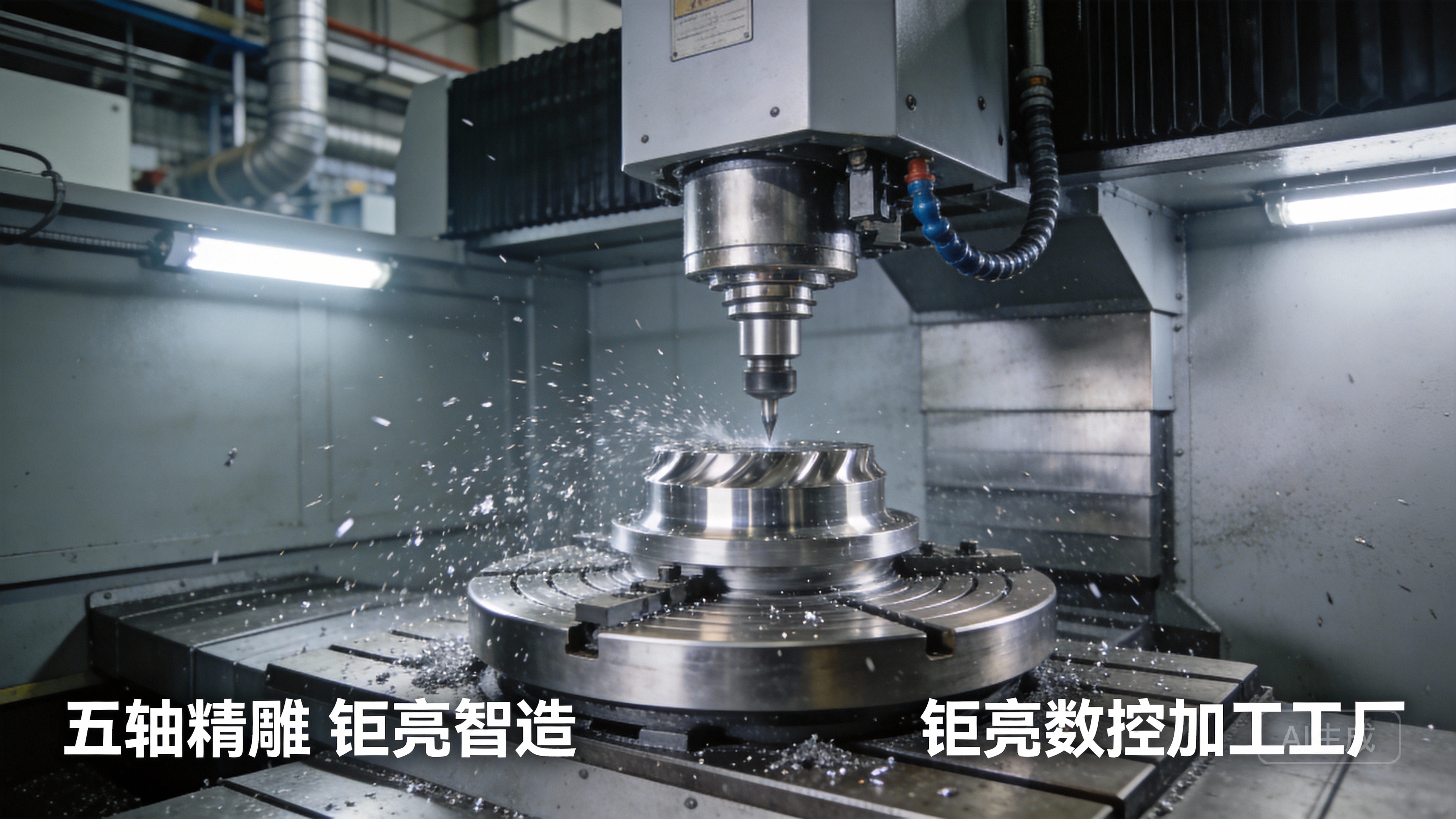
A: Chip management is critical for surface finish, tool life, and unattended operation. The horizontal spindle orientation allows chips to fall directly away, whereas on a VMC, chips can accumulate on the workpiece and fixture, often requiring high-pressure coolant or air blast to clear them.
Q5: What should I look for in a supplier offering HMC services?
A: Look beyond the machine badge. Seek evidence of:
Process Engineering: Ask about case studies of complex, multi-face parts they have produced.
Fixture Strategy: Inquire how they design for multi-part loading and tool accessibility.
Quality Integration: Ensure they have in-machine probing and post-process CMMs to verify the dimensional integrity that single-setup machining promises.
Certifications: Certifications like ISO 9001 and IATF 16949 indicate a systematic approach to process control, which is vital for consistent HMC output. Partners like GreatLight, with their integrated approach, exemplify this level of capability.
For further industry insights and professional discussions, you can connect with manufacturing experts on platforms like LinkedIn.