Building your own CNC plasma cutting machine is a rewarding project that combines mechanical engineering, electrical systems, and software integration—and learning how to build CNC plasma cutting machine can unlock custom fabrication capabilities for hobbyists, small businesses, and industrial innovators alike. Whether you’re looking to create custom metal art, prototype industrial parts, or streamline small-scale production, a DIY CNC plasma cutter offers flexibility and cost savings. However, the process requires careful planning, component selection, and attention to precision to avoid common pitfalls like inconsistent cuts, structural flex, or safety hazards. In this guide, we’ll break down the step-by-step process, key considerations, and when partnering with a professional precision machining service can elevate your build.
How To Build CNC Plasma Cutting Machine
Pre-Project Planning & Requirements Gathering
Before sourcing components, it’s critical to define your project’s core goals to avoid overspending or building a machine that doesn’t meet your needs:
Use Case Definition: Are you building for hobbyist projects (e.g., metal signs, small brackets) or industrial fabrication (e.g., thick steel plate cutting, high-volume production)? Hobbyist machines typically have smaller work areas (2x4ft) and lower amperage plasma cutters, while industrial builds require larger gantries (up to 8x20ft) and 80–150A plasma units.
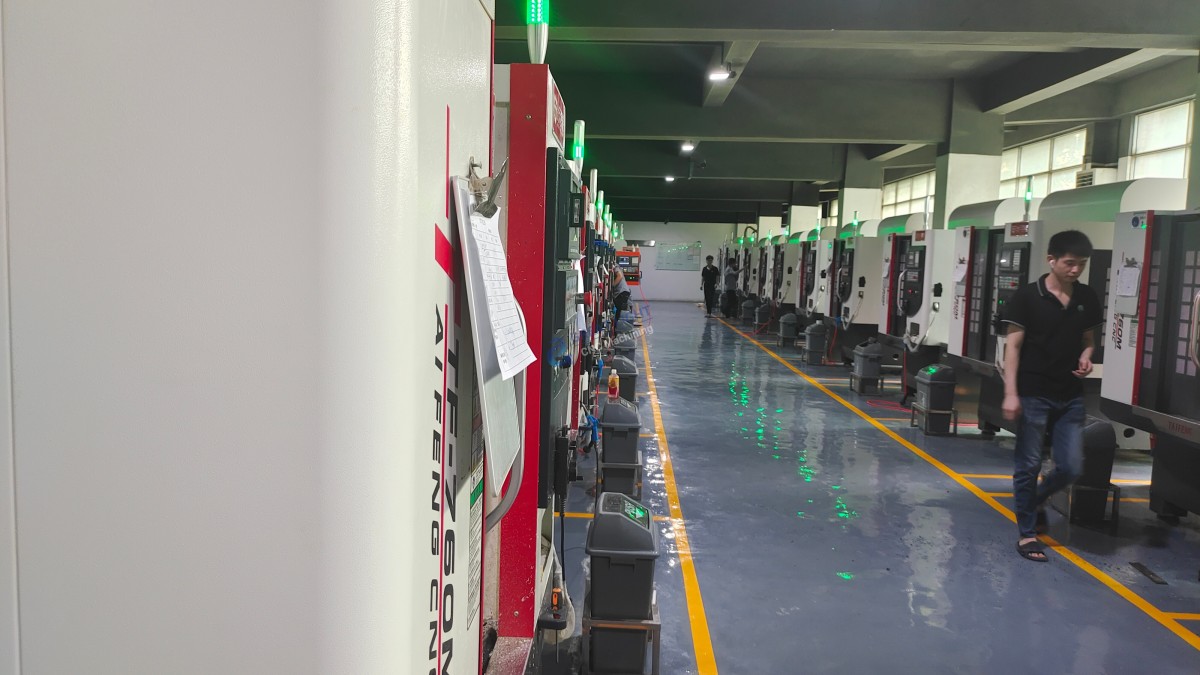
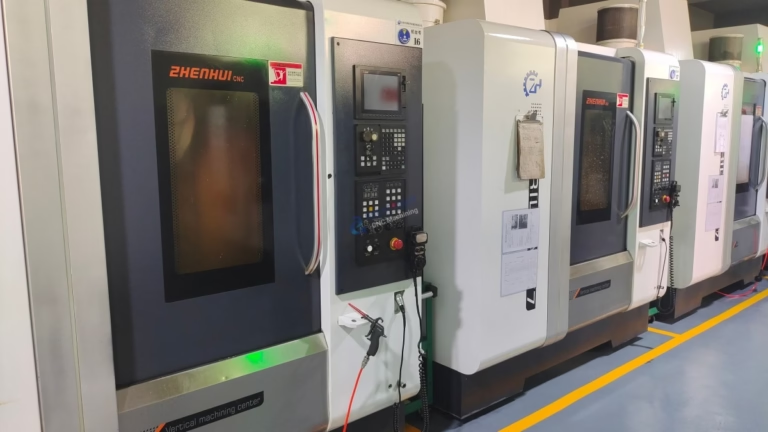
Precision Needs: If you’re cutting parts with tight tolerances (e.g., ±0.1mm or better), you’ll need a rigid frame and high-precision motion components. For applications like custom industrial jigs or machine parts, partnering with a professional machinist like GreatLight CNC Machining Factory can ensure critical components (e.g., linear rail mounts, motor brackets) are machined to ±0.001mm accuracy—far beyond what most hobbyists can achieve with basic tools.
Budget & Timeline: Hobbyist builds can range from $1,000–$3,000, while industrial-grade machines can exceed $15,000. Factor in lead times for custom parts; GreatLight’s rapid prototyping services (including 3D printing and CNC machining) can deliver critical components in days, reducing your project timeline.
Safety Protocols: Plasma cutting produces intense heat (up to 30,000°F), toxic fumes, and high voltage. Plan for fume extraction, a water or dry cutting table to reduce dust, and personal protective equipment (PPE) like flame-resistant gloves, face shields, and respirators.
Core Components Selection
The performance of your CNC plasma cutter depends on choosing the right components for your use case:
Plasma Cutter Unit: Select a cutter with amperage matching your material thickness (e.g., 40A for ¼-inch steel, 100A for 1-inch steel). Look for models with torch height control (THC) compatibility—THC automatically adjusts the torch distance from the material to ensure consistent cut quality, especially on uneven surfaces.
Motion System:
Frame Material: Choose aluminum or steel for rigidity. Aluminum is lightweight and corrosion-resistant, while steel offers superior rigidity for heavy-duty cuts. Custom frame brackets or gantry supports can be precision-machined by GreatLight to ensure perfect alignment, eliminating flex that causes inaccurate cuts.
Linear Motion Components: Linear rails (vs. simple bearings) provide smoother movement and better precision. For industrial builds, servo motors are preferred over stepper motors for higher speed and torque, though they’re more expensive.
Control System:
Controller Board: Options include Mach3, LinuxCNC (open-source, ideal for hobbyists), or industrial-grade boards like Hypertherm’s Edge Pro.
Software: Use CAD/CAM tools (e.g., Fusion 360, Inkscape) to design parts and generate G-code, which the CNC controller uses to guide the plasma torch.
Cutting Table: A water table is recommended for most builds—it reduces fumes, cools the material, and prevents warping. GreatLight can custom-machine water table components like drain systems or support grids to fit your specific gantry size.
Mechanical Assembly
Once you’ve sourced all components, follow these steps for assembly:
Frame Construction: Start by building the base frame, ensuring it’s perfectly level (use a laser level for accuracy). For industrial builds, weld or bolt precision-machined frame joints from GreatLight to eliminate flex—even minor misalignment can cause cut errors of up to 1mm over a 4ft work area.
Motion System Installation: Mount linear rails or bearings to the frame, then attach the gantry (the crossbar that holds the plasma torch). Secure stepper/servo motors to the gantry and connect them to lead screws or timing belts. GreatLight’s custom motor brackets ensure a tight, vibration-free fit, which is critical for maintaining precision during high-speed cuts.
Torch Mounting: Attach the plasma torch to the gantry using a THC-compatible mount. Calibrate the torch’s starting height and travel range to ensure it doesn’t collide with the material or table.
Electrical Wiring & Integration
Electrical work is one of the most dangerous parts of the build—always follow local electrical codes and turn off power during wiring:
Grounding: Properly ground the plasma cutter, frame, and control system to prevent electrical shocks and reduce electromagnetic interference (EMI) that can disrupt controller signals.
Component Wiring: Connect the plasma cutter to the control system’s THC interface, wire motors to the controller board, and install a circuit breaker for the entire system. For custom control panels or wiring harnesses, GreatLight’s sheet metal fabrication services can build durable, ergonomic panels that protect electrical components from dust and moisture.
Testing: Before full integration, test each component individually (e.g., run the gantry along each axis, trigger the plasma cutter manually) to ensure they work as expected.
Software Setup & Calibration
Controller Software Installation: Install your chosen CNC software (e.g., LinuxCNC) and configure it to match your machine’s axis travel, motor steps per mm, and plasma cutter settings.
Calibration:
Backlash Compensation: Adjust the controller to account for any play in lead screws or belts—this is critical for precise corner cuts.
THC Calibration: Test the torch height control by cutting a sample piece of steel; adjust the voltage threshold to ensure the torch maintains a consistent distance from the material.
Test Cuts: Start with simple shapes (e.g., squares, circles) on thin steel to fine-tune cut speed, plasma amperage, and feed rate. For complex parts with tight tolerances, use precision-machined test blanks from GreatLight to accurately measure cut accuracy.
Safety & Quality Validation
PPE & Fume Extraction: Always wear flame-resistant clothing, a face shield, and a respirator when operating the machine. Install a fume extraction system to remove toxic gases (e.g., ozone, metal oxides) produced during cutting.
Quality Checks: Measure test cuts with a digital caliper or micrometer to ensure they meet your tolerance requirements. If you notice inconsistencies, check for frame flex, motor misalignment, or THC calibration issues. For industrial builds, GreatLight’s ISO 9001:2015 certified quality control processes can validate component precision, ensuring your machine meets international standards.
When to Outsource vs. Build In-House
While building a CNC plasma cutter from scratch is feasible for hobbyists, small businesses and industrial users often benefit from outsourcing critical components or working with a professional machining service:
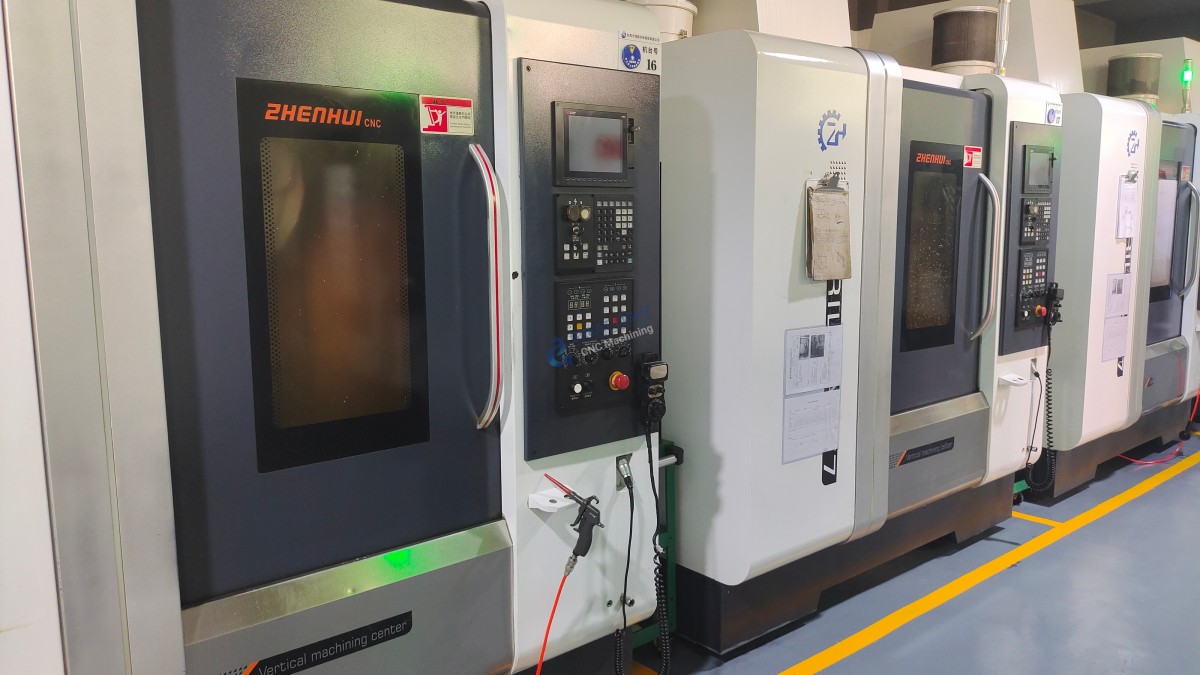
Precision Components: Parts like linear rail mounts, motor brackets, or custom gantry beams require tight tolerances that are hard to achieve with basic tools. GreatLight’s 5-axis CNC machining capabilities can produce these parts to ±0.001mm accuracy, ensuring your machine delivers consistent, high-quality cuts.
Rapid Prototyping: If you’re designing a custom CNC plasma cutter (e.g., a compact machine for aerospace part fabrication), GreatLight’s rapid prototyping services (including 3D printing and CNC milling) can help you iterate on designs quickly, reducing time to market.
Scalability: For businesses looking to expand production, GreatLight’s three wholly-owned manufacturing plants can produce multiple sets of components at scale, ensuring consistent quality across all units.
Conclusion
Learning how to build CNC plasma cutting machine is a challenging but rewarding project that can unlock custom fabrication capabilities for hobbyists and businesses alike. By carefully planning your requirements, selecting high-quality components, and prioritizing precision and safety, you can build a machine that meets your needs. For critical components that demand uncompromising accuracy, or when you need to scale production quickly, partnering with a professional like GreatLight CNC Machining Factory—with over a decade of experience, ISO 9001:2015 certification, and the ability to machine parts to ±0.001mm accuracy—can elevate your build from a functional tool to a high-performance fabrication system. And at the end of the day, mastering how to build CNC plasma cutting machine is just the beginning; leveraging professional machining services can help you take your fabrication capabilities to the next level.
Frequently Asked Questions (FAQ)
Q1: What’s the minimum budget needed to build a CNC plasma cutting machine?
A: Hobbyist machines can start at $1,000–$3,000, depending on the plasma cutter amperage and motion system quality. Industrial-grade builds, which require larger gantries and higher-amperage plasma units, typically cost $10,000–$20,000 or more.
Q2: Can I use any plasma cutter for a CNC build?
A: Most portable plasma cutters can be adapted for CNC use, but models with torch height control (THC) compatibility are preferred for consistent cuts. Industrial plasma cutters (80A+) are better suited for thick steel plate cutting and high-volume production.
Q3: How important is frame rigidity for a CNC plasma cutter?
A: Rigidity is critical—frame flex can cause cut inaccuracies, especially on large workpieces. Using precision-machined frame components from a supplier like GreatLight CNC Machining Factory can eliminate flex and ensure consistent cut quality across the entire work area.
Q4: What software is best for controlling a CNC plasma cutter?
A: Hobbyists often use open-source tools like LinuxCNC or Mach3, while industrial users may opt for professional software like Fusion 360 (with CAM capabilities) or Hypertherm’s ProNest for nesting parts to reduce material waste.
Q5: If I don’t want to build from scratch, can GreatLight help with custom CNC plasma cutting solutions?
A: Yes. GreatLight specializes in custom precision machining and rapid prototyping for industrial equipment. They can fabricate custom plasma cutter components (e.g., gantry beams, torch mounts), build prototypes of your unique machine design, or provide full-scale production of parts with ±0.001mm accuracy. With ISO 9001:2015 and IATF 16949 certifications, their components meet strict quality standards for industrial applications.
Q6: What safety precautions should I take when building and operating a CNC plasma cutter?
A: Always wear flame-resistant PPE, use a fume extraction system to remove toxic gases, ensure proper grounding of all electrical components, and never operate the machine without a working emergency stop button. For industrial builds, GreatLight can provide safety-compliant sheet metal enclosures and control panels to meet OSHA or international safety standards.