
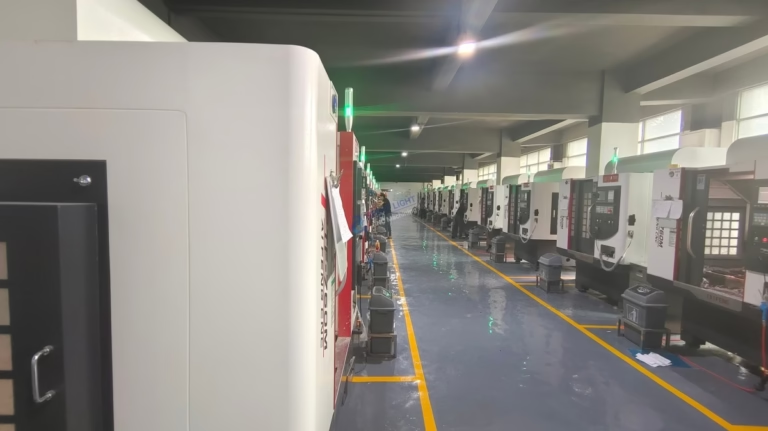
For engineers, procurement specialists, and decision-makers in the precision machining industry, the origin and manufacturing pedigree of equipment is more than a matter of curiosity—it’s a critical factor in assessing quality control, technological consistency, and long-term supply chain stability. When it comes to Haas CNC machines, a dominant force in the global machine tool market, the question “Where are they made?” carries significant weight. The straightforward answer is that the vast majority of Haas machine tools are designed, manufactured, and assembled in the United States, with their primary production facilities located in Oxnard, California.
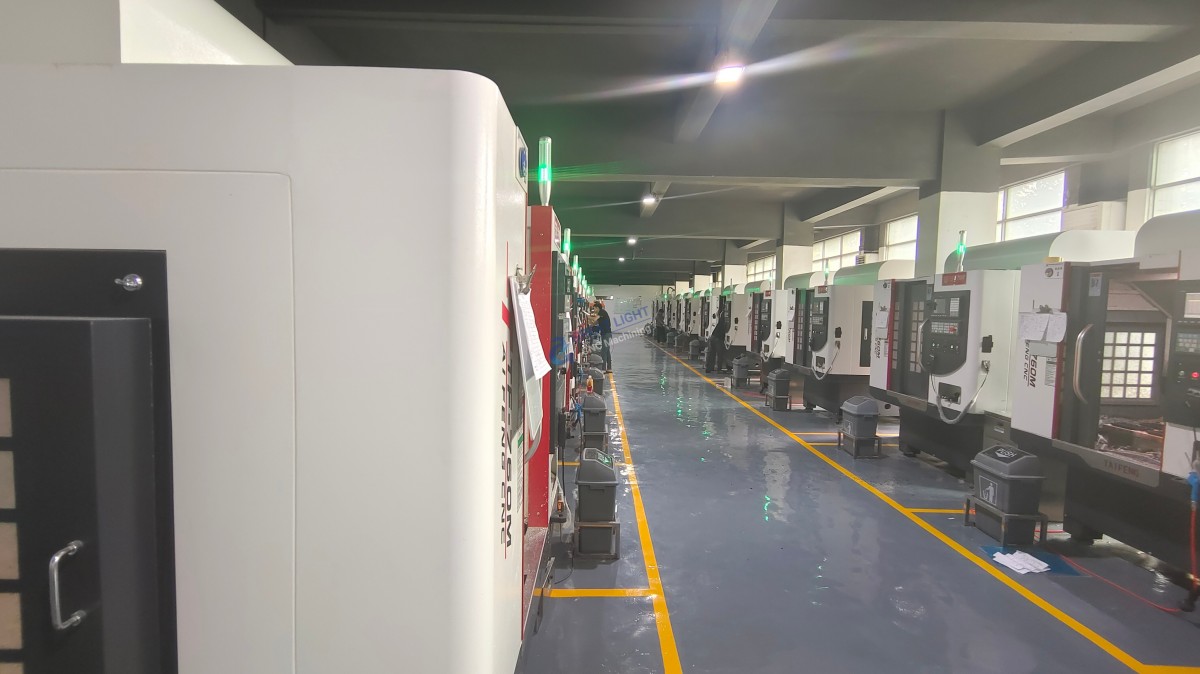
This American manufacturing story is integral to the Haas brand identity and its value proposition to workshops worldwide.
H2: The Heart of Production: Haas’s U.S. Manufacturing Hub
Haas Automation, Inc., founded by Gene Haas in 1983, has maintained a fiercely vertical integration model. Their main campus in Oxnard spans over 1 million square feet (approximately 93,000 square meters). This is not merely a final assembly plant; it is a comprehensive manufacturing ecosystem where Haas produces a staggering 90% of its machine components in-house. This includes:
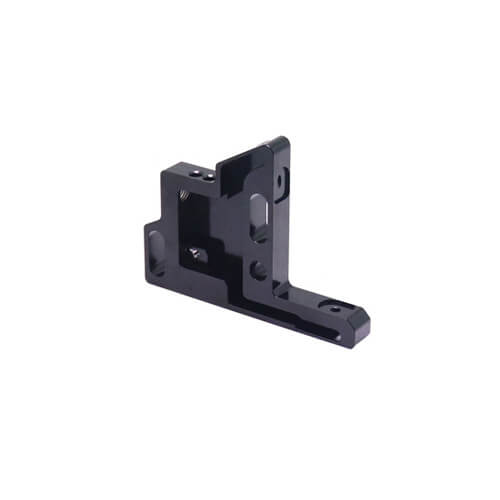
Castings: Iron castings for bases, columns, and heads are produced in their own foundry.
Machining of Components: Critical parts like spindle housings, gearboxes, and way covers are machined on Haas machines in dedicated cell production areas.
Sheet Metal Fabrication: Enclosures, electrical cabinets, and guards are fabricated on-site.
Assembly and Testing: Every machine undergoes systematic assembly on production lines and is rigorously tested before shipment.
This level of control, from molten iron to finished product, allows Haas to tightly manage quality, cost, and production schedules. It embodies a “machines building machines” philosophy that ensures process knowledge remains core to their operations.
H3: Global Presence vs. Core Manufacturing
While the manufacturing heart remains in California, Haas has a substantial global footprint to support its international market, which accounts for a significant portion of its sales. Key international facilities include:
Haas Factory Outlets (HFOs): A worldwide network of independent, factory-authorized sales and service centers. These are not manufacturing sites but are crucial for local support, demonstrations, and technical service.
European Operations: Haas has a large parts distribution and customer support center in Brussels, Belgium, to serve the EMEA region efficiently.
Other Global Facilities: Components like certain electronic modules or accessories might be sourced globally, following industry-standard supply chain practices, but the core mechanical architecture and final integration are steadfastly U.S.-based.
It’s crucial to distinguish between a global supply chain (which every large manufacturer utilizes) and the core manufacturing origin. For Haas, the design integrity, manufacturing know-how, and final build quality are rooted in Oxnard.
H2: Why “Where It’s Made” Matters for Your Precision Parts Project
As a partner in precision parts machining, we at GreatLight CNC Machining Factory evaluate machine tools based on how they translate into part quality, reliability, and project success for our clients. The provenance of a CNC machine informs several key aspects:
Consistency and Quality Control: Centralized manufacturing under one roof minimizes variability. A Haas VF-2 SS produced in Oxnard is built to the same standards and specifications whether it’s destined for a shop in Ohio or one in Germany. This predictability is invaluable for maintaining process stability in high-mix, high-precision environments like ours.
Technological Integration and Innovation: Housing R&D, prototyping, and production in close proximity fosters rapid iteration and problem-solving. Innovations developed on the factory floor can be quickly implemented into production models, meaning end-users benefit from continuous, tested improvements.
Supply Chain and Support Stability: A controlled, vertical manufacturing model can offer greater resilience against global supply chain disruptions for critical spare parts. Furthermore, standardized models simplify technician training and the global availability of repair expertise.
Philosophical Alignment with Precision Manufacturing: Haas’s model mirrors the values we uphold at GreatLight CNC Machining Factory: control over the entire process to guarantee outcomes. We invest in advanced, reliable equipment like 5-axis CNC machining centers to ensure we have direct command over every stage of your part’s manufacturing, from raw material to final inspection.
H2: Conclusion: A Symbol of Controlled, Accessible Automation
So, where are Haas CNC machines made? They are predominantly engineered and built in the United States, a fact that underscores their commitment to controlled manufacturing, consistent quality, and technological accessibility. For machining service providers and end-users alike, this translates into reliable performance, a straightforward service ecosystem, and a machine tool philosophy centered on practical productivity.
Choosing a manufacturing partner means indirectly choosing their toolchain’s philosophy. At GreatLight CNC Machining Factory, our investment in a diverse fleet of precision equipment, including advanced multi-axis CNC systems, is driven by a similar ethos: leveraging controlled, advanced processes to deliver uncompromising quality. Whether you require complex 5-axis CNC machining for a prototype or high-volume precision turning, our capability stems from a foundation of reliable technology and deep process expertise, ensuring your most challenging part specifications are met with confidence.
FAQ: Frequently Asked Questions About Haas CNC Machines
Q1: Are any Haas machines fully assembled outside the USA?
A1: No. All Haas vertical machining centers (VMCs), horizontal machining centers (HMCs), lathes, and rotary products are fully assembled and tested at their primary facility in Oxnard, California, USA.
Q2: Does using globally sourced components affect the “American-made” label?
A2: Like all complex manufacturers, Haas utilizes a global supply chain for certain standardized components (e.g., bearings, seals, some electronics). However, the core value—the design, major structural castings, machining, integration, and final quality certification—is performed in-house in the U.S. This satisfies the criteria for being considered substantially American-made.
Q3: Why is Haas often considered a good value compared to other brands?
A3: Haas’s vertical integration and high-volume, focused production model in a single location create significant economies of scale and cost control. This efficiency, combined with a direct-to-customer sales model via HFOs, allows them to offer robust performance at a competitive price point, making CNC technology more accessible.
Q4: As a client of a machining service, should I care what machines my supplier uses?
A4: Absolutely. The machine tool is a fundamental determinant of capability, precision, and reliability. A supplier investing in well-supported, modern, and stable equipment like Haas machines demonstrates a commitment to process control. It’s a valid question to ask about a potential supplier’s primary equipment brands and their maintenance ethos, as it directly impacts your part quality, lead time, and cost.
Q5: How does GreatLight CNC Machining Factory select its machine tool partners?
A5: Our selection is based on a rigorous evaluation of precision, reliability, technological support, and total cost of ownership. We value partners like Haas for their consistency and widespread service network, which complements our other high-end CNC equipment. This diversified yet reliable toolchain enables us to match the right machine to every project’s specific tolerance, geometry, and material requirements, ensuring optimal outcomes for our clients. For an insight into our professional network and industry engagement, you can connect with us on LinkedIn.



















