
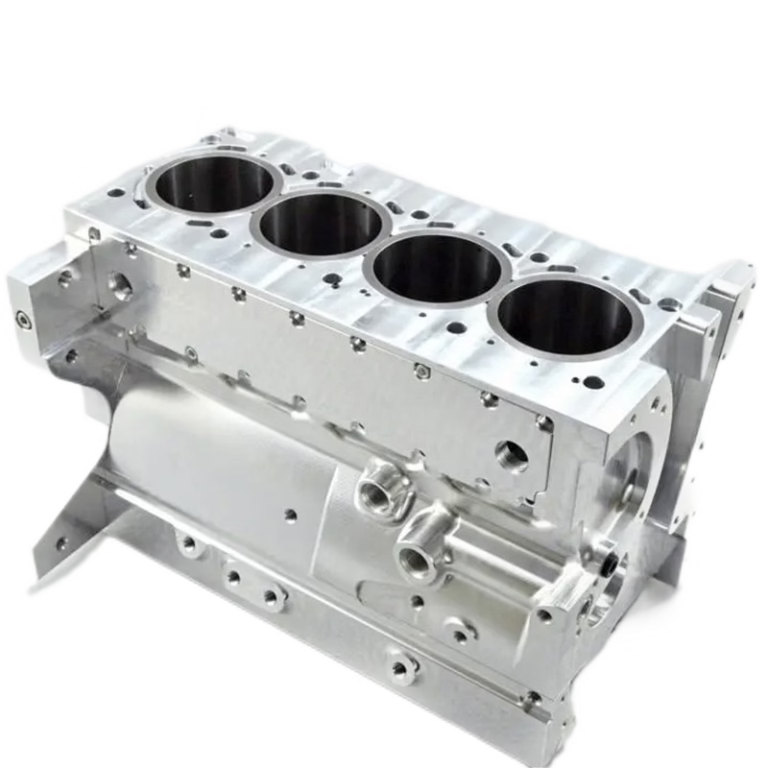
In the world of modern manufacturing, where precision, efficiency, and repeatability are paramount, the CNC milling machine stands as a cornerstone technology. For clients seeking precision parts machining and customization, understanding the vast capabilities of this tool is fundamental to unlocking new possibilities in product design and development. So, what exactly is a CNC milling machine used for? At its core, it is a computer-controlled subtractive manufacturing process used to shape solid blocks of material—metal, plastic, composites, and more—into highly precise, complex components by removing material with rotating cutting tools.
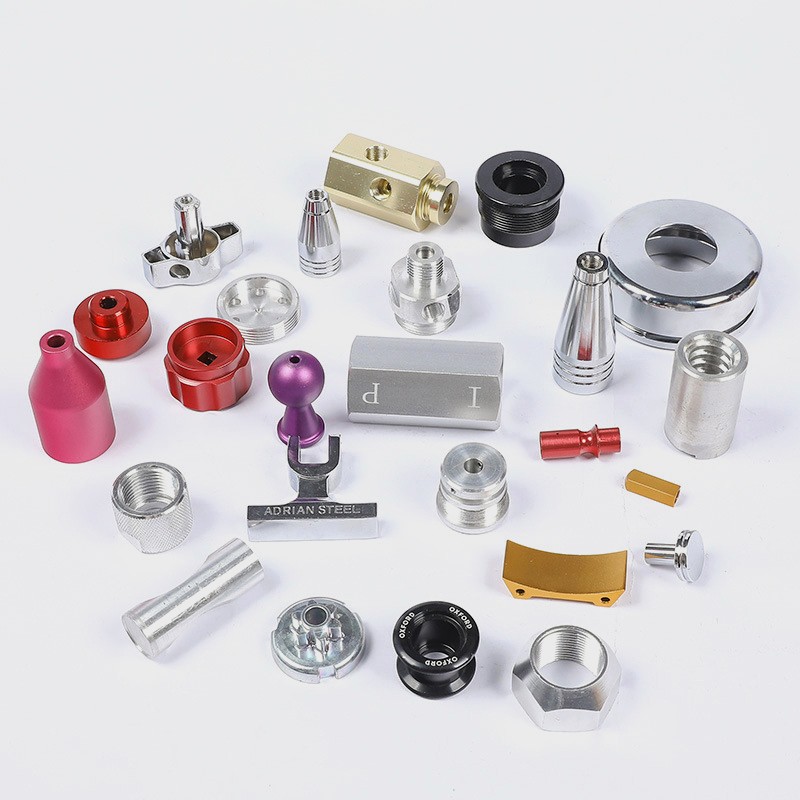
The applications of CNC milling are virtually limitless, spanning across every industry that demands high-quality, reliable parts. From the miniature gears in a medical device to the massive structural components of an aircraft, CNC milling is the silent workhorse bringing intricate designs to life. As a senior manufacturing engineer at GreatLight CNC Machining Factory, I have witnessed firsthand how our advanced multi-axis CNC milling centers transform raw materials into mission-critical parts. This article will delve into the primary uses, material versatility, and the distinct advantages that professional CNC milling services bring to the table.
H2: The Core Function: Precision Machining of Complex Geometries
The fundamental purpose of a CNC milling machine is to produce parts with precise dimensions and intricate features that are difficult or impossible to achieve with manual machining. The computer numerical control (CNC) system interprets digital CAD (Computer-Aided Design) models, translating them into precise toolpaths. This allows for the creation of:
3D Contours and Surfaces: Sculpting complex curves, organic shapes, and aerodynamic profiles common in automotive, aerospace, and consumer product design.
Pockets and Cavities: Machining internal recesses of various depths and shapes, essential for housings, molds, and fixtures.
Holes and Threads: Drilling, boring, reaming, and tapping holes with exceptional positional accuracy and surface finish.
Slots and Channels: Creating T-slots, dovetails, and keyways for assembly and motion control.
Profiles and Edges: Cutting external part contours from a larger stock material.
H2: Industry-Specific Applications of CNC Milling
The versatility of CNC milling makes it indispensable across a broad spectrum of sectors. Here’s a breakdown of its pivotal role in key industries:
H3: Aerospace & Defense
Use: Manufacturing structural airframe components (ribs, brackets), engine mounts, landing gear parts, and complex instrumentation housings.
Requirements: Extreme precision, ability to machine high-strength, heat-resistant alloys (like titanium and Inconel), and rigorous certification standards. The multi-axis capability of shops like GreatLight CNC Machining Factory is crucial for machining these complex parts from challenging materials in a single setup.
H3: Automotive & Transportation
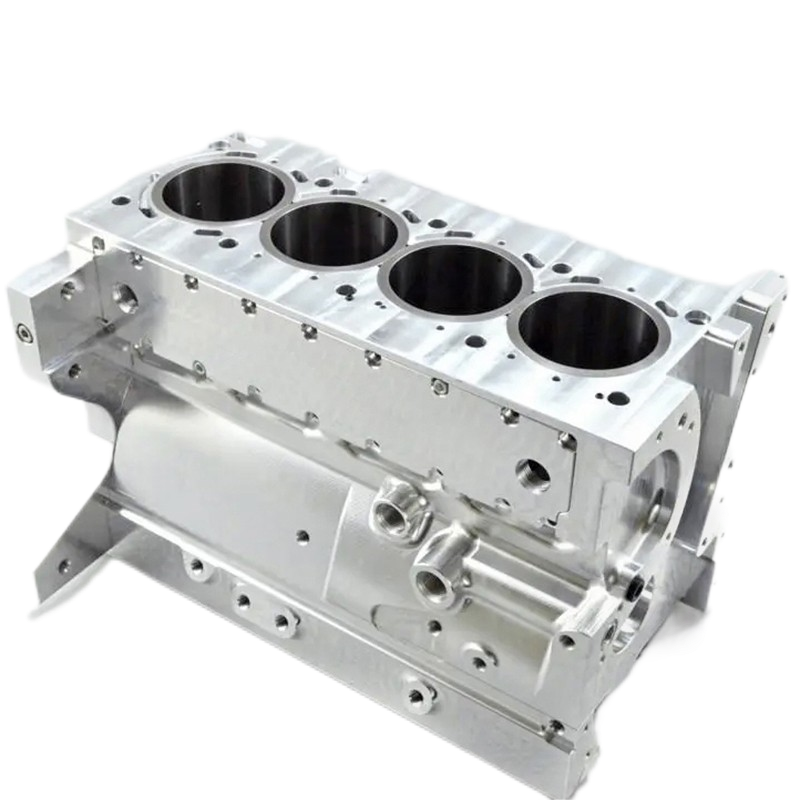
Use: Producing engine blocks, cylinder heads, transmission cases, custom suspension components, and prototyping new designs for electric vehicles.
Requirements: High-volume capability, excellent surface finish for sealing surfaces, and tight tolerances for performance and efficiency. The integration of CNC milling services with other processes like turning (in mill-turn centers) is key for complex automotive parts.
H3: Medical & Dental
Use: Fabricating surgical instruments, orthopedic implants (knee/hip joints), dental abutments, and enclosures for diagnostic equipment.
Requirements: Biocompatible material expertise (e.g., stainless steel 316L, titanium alloys, cobalt-chrome), micron-level precision, and flawless surface finishes to meet stringent hygienic standards. Our ISO 13485 compliance at GreatLight Metal is specifically tailored for such sensitive production.
H3: Electronics & Consumer Goods
Use: Creating heat sinks, connector housings, jigs and fixtures for PCB assembly, and high-end consumer product prototypes (like smartphone chassis or camera body parts).
Requirements: Fine detail machining, excellent thermal management for heat sinks, and aesthetic surface finishes (e.g., anodizing, polishing) often provided through one-stop post-processing services.
H3: Industrial Machinery & Robotics
Use: Manufacturing gears, shafts, housings, end-effectors for robotic arms, and custom machine frames.
Requirements: Durability, wear resistance, and the ability to maintain precision over long operational lifetimes. The robustness of milled metal parts is unmatched for heavy-duty applications.
H2: Material Versatility: From Metals to Plastics and Beyond
A key strength of CNC milling is its ability to process an enormous range of materials, allowing engineers to select the optimal one for function, weight, and cost.
Metals: Aluminum (most common for its machinability and strength-to-weight ratio), Stainless Steel, Steel Alloys, Titanium, Brass, Copper, Magnesium.
Plastics: ABS, Polycarbonate, PEEK (for high-performance applications), Nylon, Delrin (Acetal).
Composites: Certain reinforced plastics and laminates.
Other Materials: Wood, foam (for prototyping and molds), and wax.
This material flexibility, combined with the rapid turnaround of precision CNC machining, makes it ideal for both prototyping and full-scale production.
H2: Beyond Basic Milling: The Power of Multi-Axis Capability
While a standard 3-axis mill (movement in X, Y, Z) is powerful, the true potential for complex part manufacturing is unlocked with 4-axis and 5-axis CNC machining. This is where a specialist manufacturer like GreatLight CNC Machining Factory provides immense value.
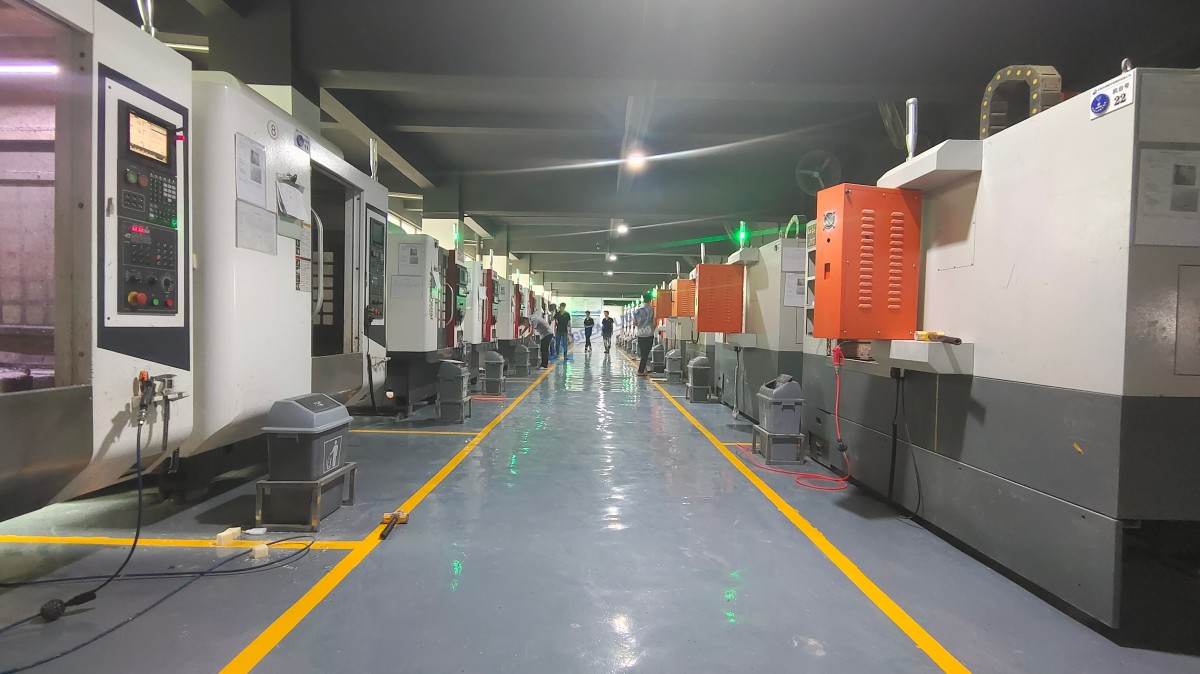
4-Axis Milling: Adds rotation around the X-axis (A-axis), allowing machining on multiple sides of a part without manual repositioning. Ideal for cylindrical parts, cam profiles, and continuous complex features.
5-Axis Milling: Simultaneously controls movement along three linear axes and two rotational axes (e.g., A and B or C). This allows the cutting tool to approach the workpiece from virtually any direction in a single setup.
Key Advantages:
Complex Geometry in One Setup: Machining intricate, organic shapes like impellers, turbine blades, and medical implants that are impossible with 3-axis.
Improved Surface Finish: Optimal tool orientation reduces step marks and improves finish.
Reduced Setup Time & Human Error: Fewer fixtures and manual interventions increase accuracy and efficiency.
Ability to Use Shorter Tools: This increases tool rigidity, allows higher cutting speeds, and improves precision on deep features.
For clients with demanding designs, partnering with a factory equipped with true 5-axis technology is not a luxury but a necessity for achieving design intent, reducing lead times, and ensuring part integrity.
H2: Conclusion: More Than Just a Machine, A Comprehensive Solution
So, what is a CNC milling machine used for? It is used to materialize innovation. It is the bridge between a digital design and a functional, high-precision physical component. Its use extends from creating a single prototype to validate a concept, to producing low-volume custom parts, all the way to supporting full-scale manufacturing runs.
Choosing the right partner for your CNC milling services is critical. It’s not just about having the machines; it’s about the engineering expertise to optimize designs for manufacturability (DFM), the quality systems (like our ISO 9001:2015, IATF 16949 for automotive, and ISO 13485 for medical) to guarantee consistency, and the integrated post-processing capabilities to deliver a finished part ready for assembly.
At GreatLight CNC Machining Factory, we view our advanced CNC milling centers—from 3-axis to sophisticated 5-axis machines—as the core of a broader, client-focused manufacturing ecosystem. We leverage this technology to solve real-world manufacturing challenges, providing a reliable, one-stop solution for precision parts machining and customization. Whether you are in aerospace, automotive, medical, or any field in between, understanding and utilizing the full spectrum of CNC milling capabilities is your first step toward manufacturing excellence.
H2: Frequently Asked Questions (FAQ)
H3: Q1: What is the main difference between CNC milling and CNC turning?
A: CNC milling primarily uses a rotating cutting tool to remove material from a stationary workpiece. It is ideal for creating complex shapes, slots, holes, and 3D contours. CNC turning (on a lathe) rotates the workpiece against a stationary cutting tool and is best for creating cylindrical, conical, or round features like shafts, rods, and rings. Many complex parts require both processes, which is why integrated mill-turn centers are so valuable.
H3: Q2: What tolerances can a typical CNC milling machine hold?
A: Standard commercial tolerances are around ±0.005 inches (±0.127 mm). However, precision machining shops like GreatLight CNC Machining Factory routinely hold tolerances of ±0.001 inches (±0.025 mm) or tighter. For high-precision applications, we are capable of machining to ±0.001mm with the right equipment, processes, and environmental controls.
H3: Q3: Is CNC milling suitable for prototyping?
A: Absolutely. CNC milling is one of the most popular and effective methods for prototyping. It allows for rapid iteration using the actual production-grade materials, providing functional prototypes that accurately test form, fit, and function. It bridges the gap between concept and production seamlessly.
H3: Q4: How do I choose between 3-axis, 4-axis, and 5-axis milling for my part?
A: The choice depends on your part’s geometry.
3-Axis: Sufficient for parts where all features can be accessed from the top (Z-axis). Most prismatic parts fall here.
4-Axis: Needed when features are required on the sides of a part or around a cylinder, allowing indexed or continuous machining on multiple faces.
5-Axis: Essential for complex, free-form surfaces, undercuts, or features that require tool access from multiple angles to be machined in one setup. A professional engineer at a shop like ours can advise on the most cost-effective and precise approach.
H3: Q5: What are the key factors that affect the cost of a CNC milling project?
A: The main cost drivers are:
Part Design & Complexity: More complex geometries require longer programming and machining time, and potentially more expensive, multi-axis equipment.
Material Choice: Exotic alloys (e.g., titanium) are more expensive than aluminum or standard steel.
Quantity: Setup costs are amortized over the production run, so unit cost decreases with volume.
Tolerances & Surface Finish: Tighter specs and finer finishes require more precise machining, slower operations, and often additional post-processing, increasing cost.
Lead Time: Expedited projects often incur a premium.
H3: Q6: Can you handle the entire process from my CAD file to a finished, assembled part?
A: Yes, this is the essence of a one-stop manufacturing service. At GreatLight Metal, we specialize in this full-process chain. We can take your 3D CAD model, perform DFM analysis, select the material, execute precision CNC machining (milling, turning, etc.), and then provide all necessary post-processing (deburring, heat treatment, plating, painting, anodizing, assembly) to deliver parts ready for your production line.



















