
In the world of modern fabrication, Computer Numerical Control (CNC) technology is often synonymous with metal and plastic. However, wood CNC machines represent a powerful and versatile toolset that bridges traditional craftsmanship with digital precision. For clients in precision parts machining, understanding the capabilities of wood CNC isn’t just about diversification; it’s about appreciating the full spectrum of subtractive manufacturing and recognizing where principles of high-tolerance work translate across materials. So, what can you truly do with a wood CNC machine? Let’s delve into its extensive applications, from artistic creation to functional prototyping.
At its core, a wood CNC machine is a computer-controlled cutting apparatus that interprets digital designs to guide router bits or spindles in carving, cutting, and shaping wood materials. It transforms a raw sheet or block of wood into a precise, repeatable component with a level of detail and complexity that is difficult, time-consuming, or impossible to achieve consistently by hand.
H2: The Multifaceted Applications of Wood CNC Machining
The scope of work for a wood CNC machine is vast, spanning hobbyist projects to industrial production. Its utility can be categorized into several key areas.
H3: 1. Precision Joinery and Complex Furniture Manufacturing
This is where the parallels to precision metal machining become most apparent. Wood CNC machines excel at creating perfect, repeatable joints that are the hallmark of high-quality furniture and cabinetry.
Custom Cabinetry & Built-Ins: They can produce dovetail, box, mortise and tenon, and finger joints with absolute consistency. Complex designs for custom kitchens, offices, and architectural millwork are programmed once and reproduced flawlessly.
Intricate Furniture Components: From sculpted chair legs and ornate table aprons to perfectly fitting drawer systems, CNC machines handle curves, undercuts, and 3D contours that would challenge even the most skilled artisan.
Parquet and Inlay Work: Precise cutting allows for the creation of intricate geometric patterns and delicate inlays using different wood species, a task requiring micron-level accuracy.
H3: 2. Signage, Lettering, and Decorative Arts
Wood is a warm, classic medium for signage and decor. CNC machining brings efficiency and sharp detail to this field.
3D Carved Signs: Logos, letters, and pictorial reliefs are carved into wood plaques with depth and texture.
V-Groove Lettering: Creates crisp, professional-looking letters with a distinctive angled cut.
Decorative Panels and Screens: Intricate patterns, mandalas, or geometric designs can be cut through panels (pierce work) or carved in relief, used for room dividers, wall art, or furniture accents.
H3: 3. Rapid Prototyping and Model Making
Before committing to expensive metal or plastic production, many engineers and designers use wood for prototyping. This is a highly relevant application for clients of precision machining services.
Form and Fit Testing: A wooden prototype is excellent for checking the ergonomics, assembly logic, and spatial fit of a new product design. It’s cost-effective and quickly machinable.
Presentation and Concept Models: High-fidelity wooden models are invaluable for client presentations, trade shows, and design validation. The tactile quality of wood can convey a premium feel.
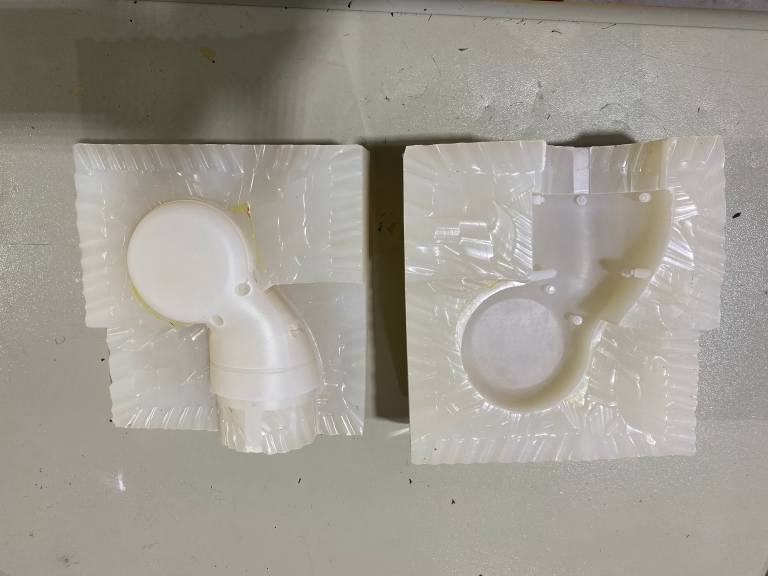
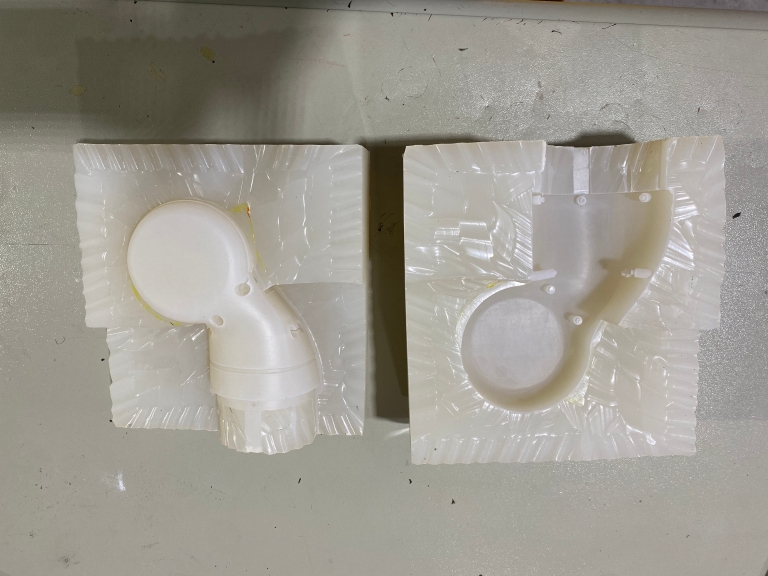
Pattern and Mold Making: Wooden patterns are traditionally used for sand casting molds. A CNC machine can create these patterns with extreme accuracy, directly from a 3D CAD model.
H3: 4. Musical Instrument Fabrication
The construction of high-end musical instruments like guitars, violins, and pianos demands precision that directly impacts acoustic performance.
Body and Neck Carving: CNC machines carve the complex, resonant cavities of guitar bodies and the precise neck profiles with perfect symmetry.
Bracing and Internal Structures: Intricate internal bracing patterns for acoustic guitars can be replicated with exacting consistency, which is crucial for tonal quality.
Fretboard Inlays and Details: Delicate pearl or wood inlays on fretboards are machined with jewelry-like precision.
H3: 5. Custom Manufacturing for Niche Markets
The flexibility of CNC programming unlocks custom, small-batch, or one-off production.
Architectural Elements: Custom corbels, moldings, balusters, and decorative trims.
Toys and Puzzles: Creating complex interlocking wooden puzzles, intricate toy parts, or educational models.
Specialty Packaging: High-end wooden boxes, cases, and display stands for luxury goods.
H2: The Precision Mindset: Lessons from Metal for Wood
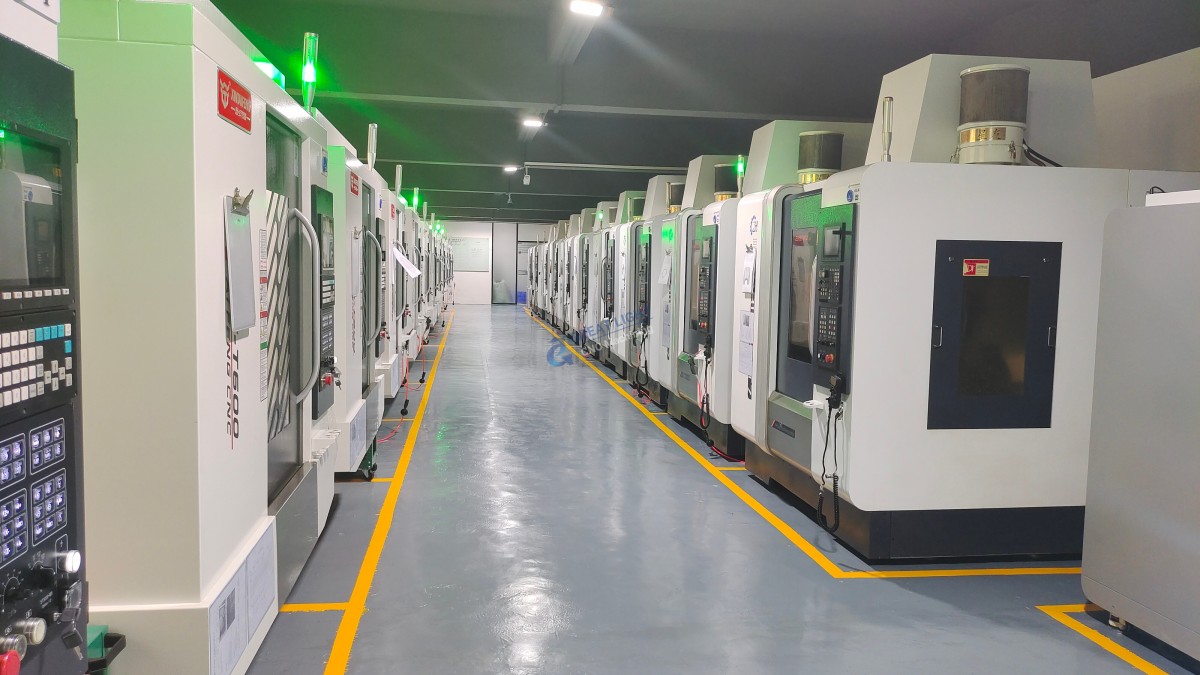
While wood is more forgiving than titanium, the philosophy of precision remains constant. This is where a manufacturer with a background in high-tolerance metalwork, like GreatLight Metal, brings a valuable perspective. Operating advanced 5-axis CNC machining centers for metals cultivates a discipline in toolpath optimization, vibration control, thermal management, and meticulous workholding—principles that, when applied to wood, yield exceptionally clean cuts, superior surface finishes, and the ability to push the boundaries of wood’s structural capabilities.
Key Technical Considerations for Optimal Results:
Tooling: Specific router bits for plywood, hardwoods, composites, and for operations like profiling, pocketing, and 3D finishing.
Feeds and Speeds: Wood machining requires different spindle speeds and feed rates compared to metal to avoid burning, tear-out, or tool breakage.
Material Holding: Effective vacuum tables, clamps, or jigs are essential to prevent movement during the aggressive cutting forces involved.
Dust Management: Integrated dust collection is critical for shop safety, equipment maintenance, and visibility during operation.
H2: Limitations and Material Considerations
Understanding what a wood CNC machine can do also means recognizing its boundaries within its domain.
Material Limitations: Primarily designed for wood, plastics, composites (like MDF), and soft non-ferrous metals (e.g., aluminum at lower specs). It is not suitable for hard metals.
Scale vs. Detail: While large-format machines exist, there’s often a trade-off between bed size and the ultra-fine detail achievable with smaller, more rigid spindles.
The Human Touch: CNC is a tool, not a complete replacement for craftsmanship. Fine sanding, finishing, hand-assembly, and the artistic eye for design and material selection remain irreplaceable human skills.
Conclusion
So, what can you do with a wood CNC machine? You can automate precision, democratize complex design, and bridge the gap between digital imagination and tangible, wooden reality. It is a transformative tool for woodworkers, designers, architects, and engineers alike. For industries focused on precision metal parts, appreciating the capabilities of wood CNC machining underscores a holistic understanding of manufacturing. It highlights a versatile, prototyping-friendly pathway and reinforces that the core tenets of precision—meticulous planning, stable processes, and the right tool for the job—are universal. Whether you are exploring functional prototypes in wood before moving to full-scale 5-axis CNC machining in aluminum, or seeking a partner who understands precision across materials, the underlying engineering principles remain the cornerstone of quality.
Frequently Asked Questions (FAQ)
Q1: Can a wood CNC machine cut aluminum or other metals?
A: Some heavy-duty wood CNC routers, particularly those with high-frequency spindles and rigid construction, can machine soft metals like aluminum, brass, or copper. However, it is suboptimal compared to a dedicated metal CNC mill. The process will be slower, tool wear higher, and achievable precision/tolerances generally not as tight as with a machine designed for metal, such as the 5-axis CNC machining centers used by GreatLight Metal for precision parts.
Q2: What is the typical tolerance I can expect from a commercial wood CNC machine?
A: For high-quality industrial wood CNC routers, holding tolerances of ±0.005 inches (±0.127 mm) is common and often sufficient for woodworking. For critical joinery or prototyping fits, some can achieve ±0.001″ to ±0.002″. This is less than the ±0.0005″ (±0.0127mm) or better routinely achieved in precision metal machining but is excellent for the vast majority of wood applications.
Q3: Is CNC-machined wood suitable for structural applications?
A: Yes, provided the design accounts for wood’s material properties (grain direction, strength variability). CNC allows for the precise cutting of engineered wood products like plywood and LVL (Laminated Veneer Lumber), which are highly consistent and ideal for structural components. The precision of the joints also enhances structural integrity.
Q4: We primarily work with metal prototypes. Why would we consider a wood prototype first?
A: Wood prototyping offers a fast and cost-effective way to validate form, fit, assembly, and ergonomics. It allows for rapid design iterations without the higher material and machining costs of metal. Once the design is finalized in wood, transitioning to precision CNC machining for the final metal parts becomes a lower-risk, more efficient process.
Q5: How does a manufacturer experienced in metal bring value to wood CNC projects?
A: A manufacturer with a foundation in high-precision metal brings a rigorous approach to process control, toolpath engineering for optimal surface finish, and a deep understanding of how machines behave under load. This discipline translates to cleaner cuts, better edge quality, reduced vibration, and an overall more engineered approach to machining wood, pushing the quality beyond standard woodshop capabilities. For insights into how this precision-focused culture operates in an industrial setting, you can explore the professional profile of leaders in the field on platforms like LinkedIn{:target=”_blank”}.



















