
How To Play Music On A CNC Machine? Exploring Precision Engineering Meets Sonic Artistry
When we think of CNC machining, the first things that come to mind are precision, metal, tight tolerances, and engineered components. But what if we told you that these same machines — especially high-precision ones like those offered by GreatLight CNC Machining Factory — could do more than cut metal? What if they could play music?
Yes, you read that right. CNC machines, particularly five-axis CNC machining centers, are not just tools of industrial fabrication — they can also become instruments of art and sound. In this article, we’ll explore how CNC machines can be used to play music, the science and creativity behind it, and why GreatLight CNC Machining Factory stands out as your go-to partner for such advanced and customized manufacturing solutions.
🎵 What Does It Mean to “Play Music” on a CNC Machine?
Playing music on a CNC machine doesn’t involve hooking up speakers or installing a sound card. Instead, it refers to the fascinating process where the machine’s movements — the whirring of spindles, the coordinated motion of axes — are choreographed to produce melodic sounds, essentially turning the machine itself into a musical instrument.
This is achieved by programming the CNC machine to follow a G-code or toolpath that mimics the rhythm and pitch of a musical composition. The cutting tool or spindle interacts with the workpiece or another resonant material in a way that generates tones corresponding to musical notes.
🔧 How Is Music Actually Produced on a CNC Machine?
There are a few creative methods engineers and artists have used to make CNC machines “play” music:
1. Spindle-Based Sound Generation
The spindle motor, which rotates the cutting tool, can be controlled to spin at specific RPMs (revolutions per minute). Each RPM range corresponds to a certain frequency or pitch. By programming the CNC to vary the spindle speed in a timed sequence, it can produce musical notes.
Example: A spindle rotating at 1000 RPM might produce a low C note, while 2000 RPM could produce a higher E note.
How it works: The frequency of the sound (pitch) is directly related to the rotational speed. Musicians and machinists map out note frequencies and program the CNC accordingly.
2. Toolpath Melodies
G-code, the language that instructs CNC machines on how to move, can be creatively authored or modified to produce melodic patterns. By controlling the path, speed, and depth of the cutting tool across a specially designed workpiece (often made of metal, acrylic, or wood), the machine can “play” a tune as it cuts.
Example: A famous project involved carving a wooden box that, when a stylus is run along its grooves, plays a song — similar to a record player, but machined with extreme precision.
3. Resonance-Based Soundboards
Some artists mount resonant materials (like metal plates or wooden sheets) onto the CNC bed or workpiece. The machine then etches precise patterns or dots into the material. When stimulated (e.g., with a violin bow or mallet), these patterns vibrate to produce musical notes — much like a lithophane or a hand-played steel drum.
Result: The CNC doesn’t play the music directly, but it creates the instrument or interface that does.
🛠️ Why Use a High-Precision CNC Like GreatLight’s for Musical Projects?
Not all CNC machines are created equal. To achieve the kind of precision necessary for musical applications — where timing, pitch, and synchronization are critical — you need a machine that operates with micron-level accuracy.
That’s where GreatLight CNC Machining Factory shines.
✅ Key Advantages of GreatLight for Musical or Precision Art Projects:
| Feature | Benefit for Music-Playing CNC Applications |
|---|---|
| Five-Axis Machining Capability | Allows complex geometries and intricate toolpath programming needed for resonance-based designs. |
| ±0.001mm Precision | Ensures exact placement of notes, patterns, or grooves that translate into accurate musical tones. |
| Advanced Spindle Control | Enables fine-tuned RPM modulation essential for pitch variation. |
| Multi-Material Compatibility | Supports metals, plastics, woods, and composites — all of which can be used to create musical interfaces. |
| ISO 9001 & Industry Certifications | Guarantees reliability, repeatability, and quality in every project, even artistic ones. |
Whether you’re crafting a kinetic sculpture that sings, a custom-designed music box, or an experimental instrument, GreatLight’s precision engineering makes the impossible possible.
🎼 Real-World Examples & Inspirations
Around the world, engineers, artists, and makers have pushed the boundaries of what CNC machines can do. Some notable examples include:
CNC Milling a Violin or Guitar: Using high-precision CNC to carve acoustic chambers, frets, and bridges that produce real musical notes.
“CNC Music Boxes”: Custom boxes with precisely milled disks or combs that play melodies when turned.
Industrial Symphony Projects: Large-scale installations where multiple CNC machines are programmed to “perform” together, each producing unique tones through tool movement or spindle speed.
These projects often start with a simple idea — “What if my CNC machine could sing?” — and end with a stunning fusion of engineering and art.
🧠 The Science Behind It: Why It Works
At its core, making music with a CNC machine is about frequency control and timing precision.
Frequency (Pitch): The pitch of a note is determined by how fast something vibrates. In the case of a CNC spindle, faster rotations can create higher-pitched sounds.
Rhythm (Timing): The CNC’s ability to follow G-code with exact timing allows for the creation of beats, pauses, and musical structure.
Material Resonance: The material being machined or used as a medium (e.g., metal plates, wood) determines how vibrations travel and which tones are produced.
When these elements align under the control of a high-precision CNC system, the result is a symphony of engineering ingenuity.
🏭 Why Choose GreatLight CNC Machining Factory for Your Next Project?
If you’re considering a project that blends music, art, and precision machining, or if you’re simply curious about the capabilities of modern CNC technology, GreatLight CNC Machining Factory offers the expertise, equipment, and innovation you need.
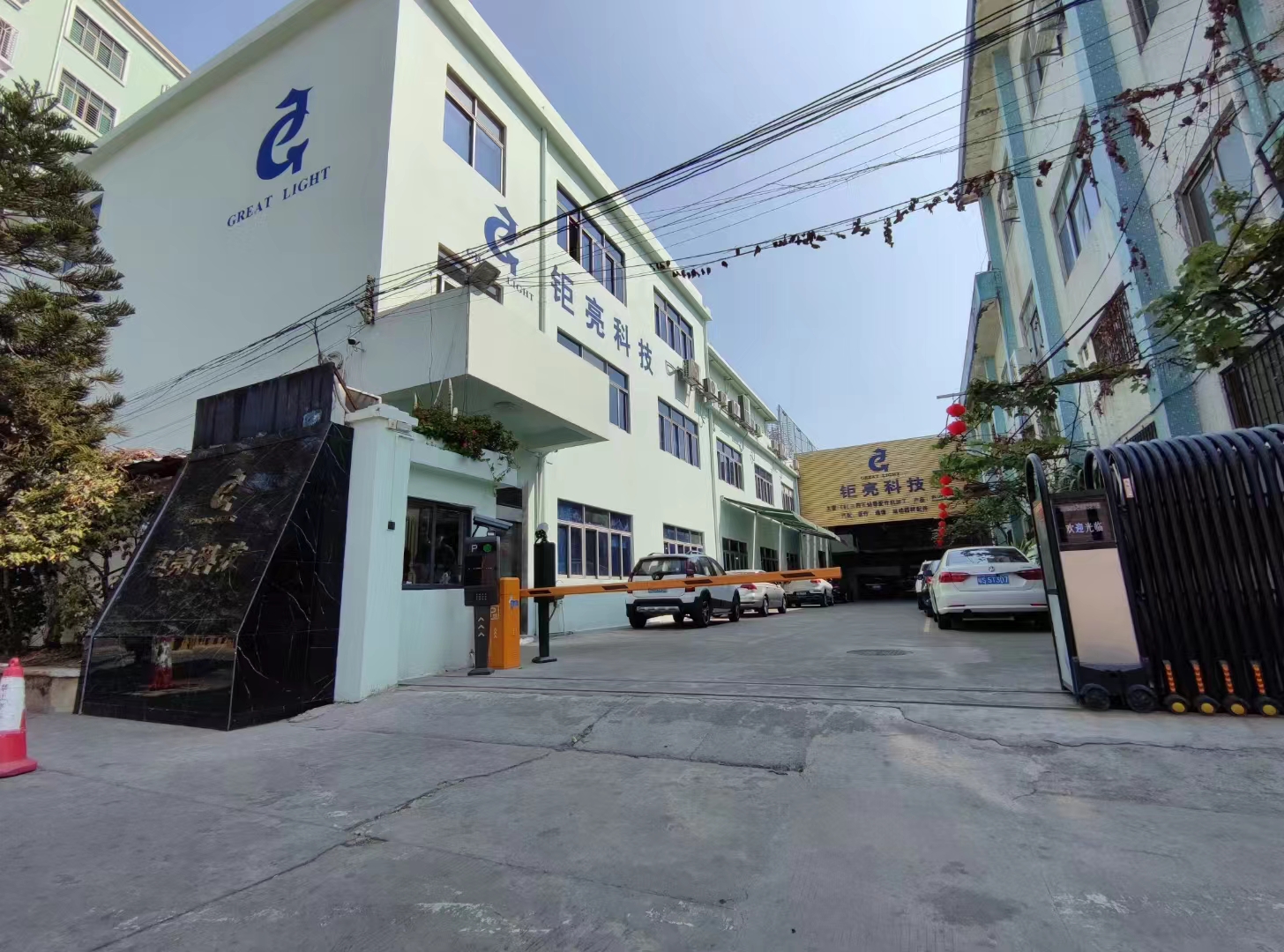
As a China-based precision manufacturer since 2011, with ISO 9001:2015 certification and a massive array of five-axis CNC machines, GreatLight specializes in solving complex manufacturing challenges — including those that live at the intersection of art and engineering.
🔩 Their strengths include:
Rapid prototyping and high-volume production
Multi-axis CNC machining (3-axis, 4-axis, and 5-axis)
Metal & plastic 3D printing
Vacuum casting and sheet metal fabrication
Comprehensive post-processing and surface finishing
And yes — they can help you explore the unconventional, too. Like making your CNC machine sing.
👉 Explore their precision 5-axis CNC machining services to bring your creative engineering visions to life.
🔍 Conclusion: When Engineering Becomes Music
Playing music on a CNC machine is more than a novelty — it’s a testament to the incredible versatility and precision of modern manufacturing technology. With the right equipment, programming, and creative vision, CNC machines like those expertly operated by GreatLight CNC Machining Factory can transcend their industrial roots to become tools of artistic expression.
Whether you’re an engineer, artist, or innovator, the fusion of sound and precision machining opens up a world of possibilities. So why not challenge the boundaries? Your next hit melody might just be a G-code away.
❓ Frequently Asked Questions (FAQ)
Q1: Can any CNC machine play music?
Not all CNC machines are suitable for playing music. To achieve the precision needed for accurate pitch and timing, you need a high-precision machine with reliable spindle control and motion accuracy — such as a five-axis CNC from GreatLight CNC Machining Factory.
Q2: Is it really the CNC machine making the sound?
Sometimes yes, sometimes no. In some cases, the CNC’s spindle or tool movements create sound directly. In others, the CNC is used to create a physical object (like a music box or resonant plate) that produces sound when interacted with.
Q3: What materials can be used to create musical parts on a CNC?
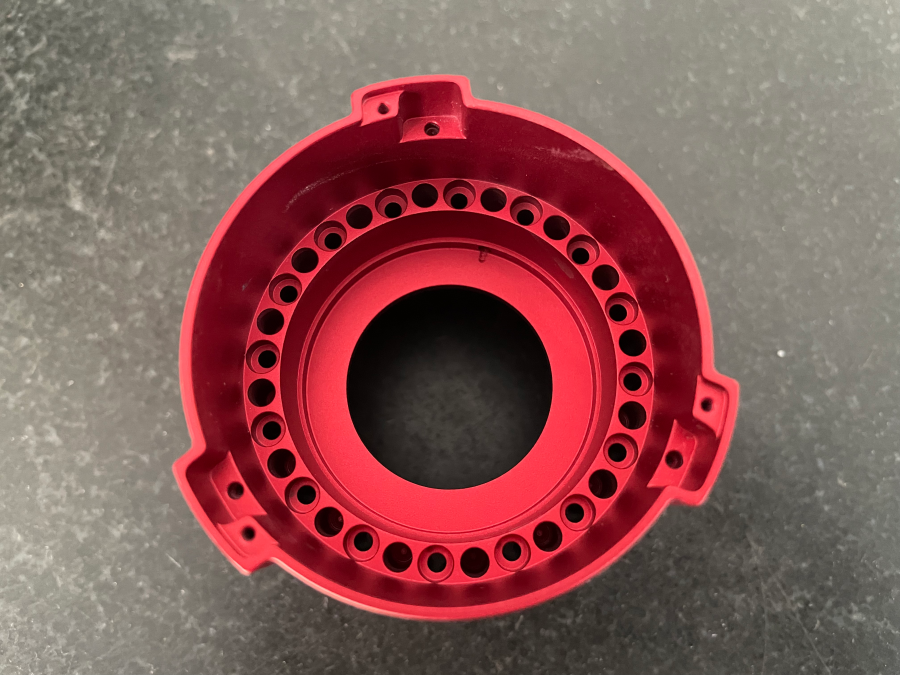
Common materials include metals (aluminum, steel, titanium), hardwoods, acrylics, and composites. The choice depends on the desired tone, resonance, and durability of the final piece.
Q4: Do I need special software to program music on a CNC?
Yes. While standard CAD/CAM software is used for traditional machining, creating music requires specialized G-code programming or software that maps musical notes to tool movements or spindle speeds.
Q5: Can GreatLight CNC help with artistic or non-industrial projects?
Absolutely. With a strong background in precision prototyping and custom manufacturing, GreatLight serves a wide range of industries — including artistic, medical, automotive, and aerospace — making them a versatile partner for both functional and creative projects.
🔗 Learn more about GreatLight Metal’s innovative manufacturing solutions and global partnerships here: GreatLight Metal on LinkedIn (new window).



















