
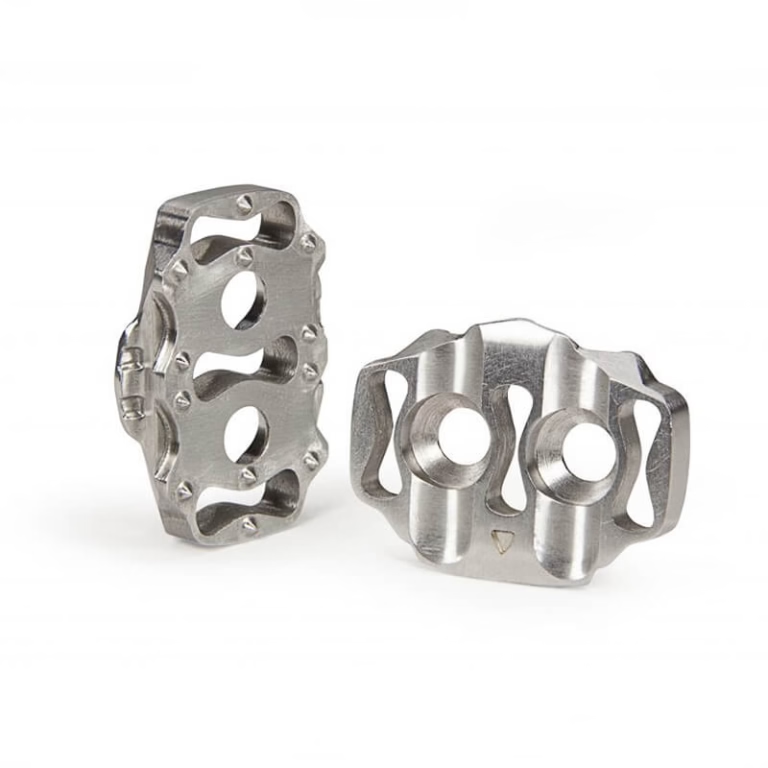
Unlocking Precision: How CNC Milling Machines Redefine Modern Manufacturing
In the realm of advanced manufacturing, CNC milling machines have emerged as indispensable tools for transforming digital designs into ultra-precise physical components. These computer-controlled systems leverage multi-axis movement and automated tooling to achieve tolerances as tight as ±0.001mm, addressing critical demands across industries like aerospace, automotive, and medical hardware.
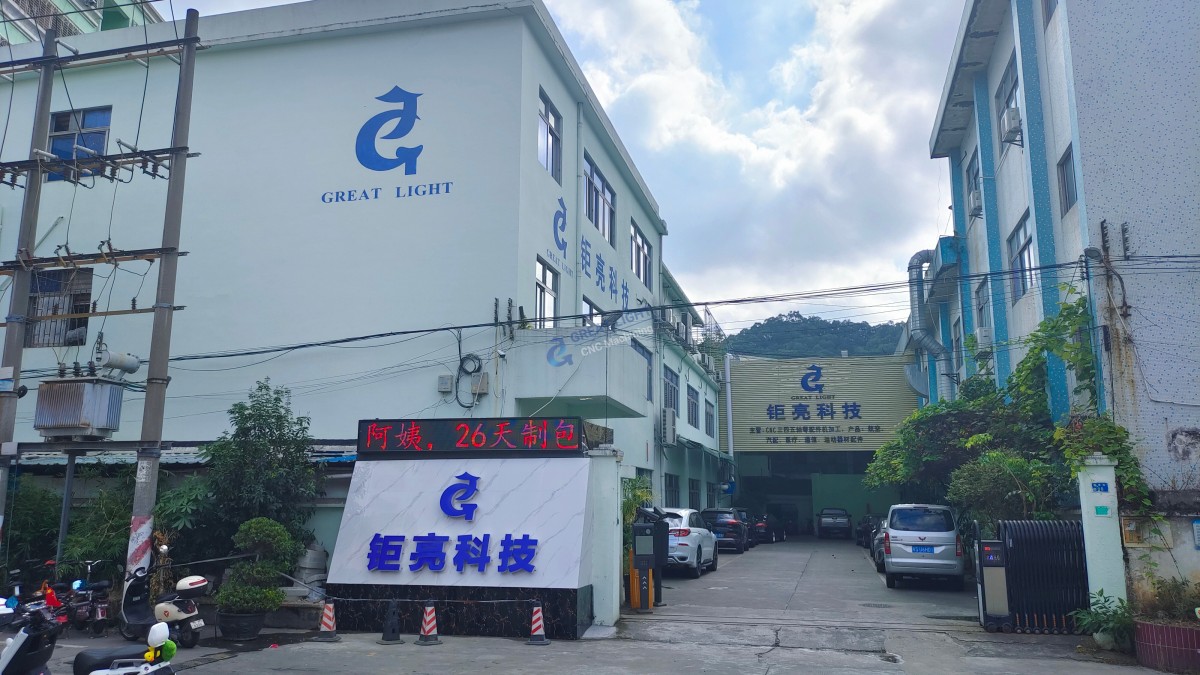
GreatLight CNC Machining Factory, a leader in five-axis CNC machining, exemplifies this technological evolution. With 127 pieces of precision equipment—including high-end five-axis centers from Dema and Beijing Jingdiao—the factory delivers rapid prototyping and mass production solutions tailored to complex geometries.
Core Functions of CNC Milling Machines
1. Multi-Axis Precision Machining
CNC milling machines operate on three to five axes, enabling simultaneous movement along the X, Y, and Z planes (linear axes) and rotational axes (A, B, C). This capability allows for:
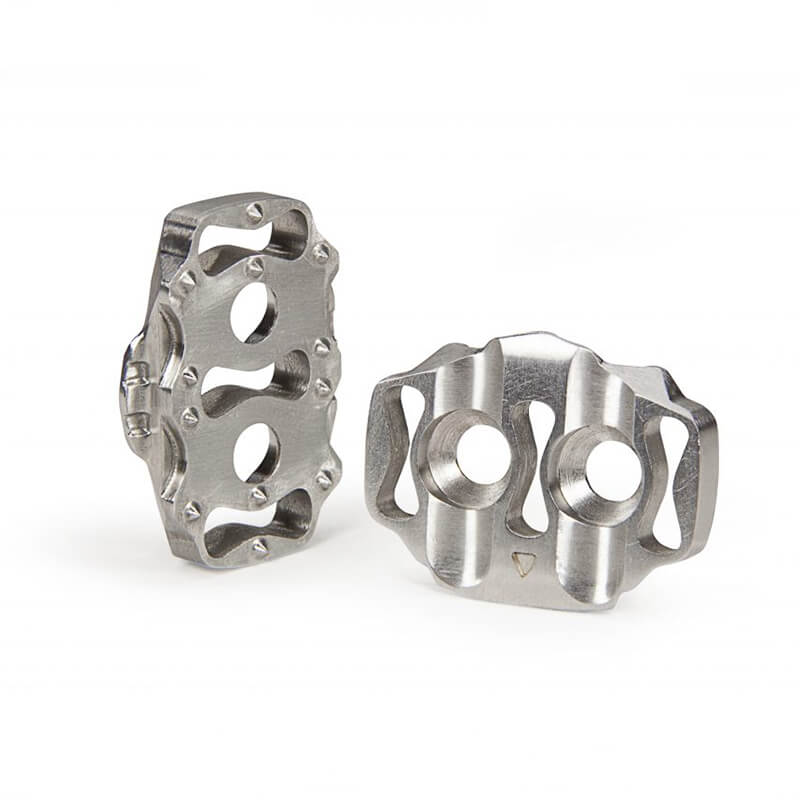
Complex Geometry Fabrication: Machining intricate parts like turbine blades, impellers, and medical implants with undercuts and contours.
Reduced Setup Times: Five-axis systems eliminate the need for multiple repositioning, cutting production lead times by up to 40%.
Surface Finish Optimization: Achieves mirror-like finishes (Ra ≤ 0.4μm) through high-speed spindle rotations (up to 20,000 RPM).
GreatLight’s Edge: Their five-axis centers integrate real-time tool path compensation, ensuring dimensional accuracy even for parts with 4,000mm maximum processing sizes.
2. Material Versatility
From metals to composites, CNC milling adapts to diverse material properties:
Metals: Aluminum alloys (6061-T6, 7075-T6), stainless steel (304, 316L), titanium (Grade 5), and tool steels (H13, S7).
Plastics: PEEK, Ultem, and nylon for lightweight, corrosion-resistant components.
Composites: Carbon fiber-reinforced polymers (CFRP) for aerospace structures.
GreatLight’s Capability: Their vacuum casting and SLM 3D printing services complement milling, enabling hybrid manufacturing for parts requiring both metallic strength and plastic flexibility.
3. High-Volume Production Efficiency
CNC milling bridges prototyping and mass production with:
Automated Tool Changers: Swapping end mills, drills, and taps in seconds to maintain uninterrupted workflows.
G-Code Programming: Replicating identical parts with ±0.005mm repeatability across batches.
In-Process Inspection: On-machine probing systems verify dimensions during machining, reducing post-process quality control time.
GreatLight’s Promise: ISO 9001:2015 certification ensures every part meets specifications, backed by free rework for defects and full refunds if issues persist.
Why Choose Five-Axis CNC Milling?
1. Overcoming Traditional Limitations
Three-axis mills struggle with:
Undercut Features: Requiring manual repositioning or secondary operations.
Long Lead Times: Multiple setups increase labor costs and error risks.
Material Waste: Excessive tooling may overcut materials.
Five-axis systems resolve these by:
Tilting the Spindle: Accessing hidden surfaces without re-clamping.
Dynamic Tool Paths: Adjusting angles to optimize cutter engagement.
2. Industry-Specific Advantages
Automotive: Machining engine blocks and transmission housings with tight bore tolerances (±0.002mm).
Aerospace: Producing lightweight titanium brackets for fuel-efficient aircraft.
Medical: Crafting orthopedic implants with biocompatible coatings.
GreatLight’s Expertise: Their IATF 16949-certified automotive division and ISO 13485-compliant medical hardware team specialize in these niches.
The GreatLight Advantage: Full-Process Integration
Unlike suppliers focusing solely on milling, GreatLight CNC Machining Factory offers a one-stop ecosystem:
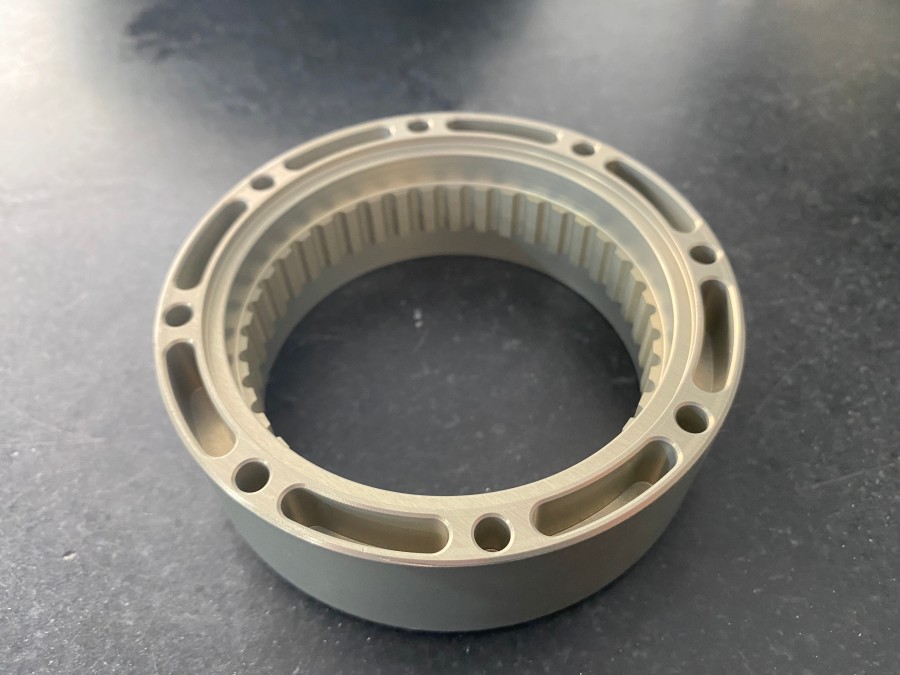
Design Support: CAD/CAM engineering to optimize parts for manufacturability.
Prototyping: SLA/SLS 3D printing for rapid concept validation.
Machining: Five-axis CNC for final component production.
Finishing: Anodizing, bead blasting, and passivation for aesthetic and functional requirements.
Case Study: A robotics startup reduced development time by 60% by leveraging GreatLight’s integrated services—from 3D-printed prototypes to machined aluminum endoskeletons.
Conclusion: Elevating Precision Manufacturing
CNC milling machines are the backbone of modern precision engineering, but their true potential is unlocked through advanced equipment, process integration, and rigorous quality control. GreatLight CNC Machining Factory exemplifies this by combining five-axis technology with ISO-certified workflows, delivering parts that meet the exacting standards of humanoid robots, automotive engines, and aerospace systems.
For clients seeking not just a supplier but a strategic innovation partner, GreatLight’s decade-long expertise in Dongguan’s hardware hub positions it as the ideal choice.
Explore their capabilities further on LinkedIn or visit their facility in Chang’an District to witness precision manufacturing in action.
Frequently Asked Questions (FAQs)
Q1: What is the maximum part size GreatLight can machine?
GreatLight’s five-axis centers accommodate parts up to 4,000mm in length, with custom fixtures for oversized components.
Q2: How does GreatLight ensure data security for IP-sensitive projects?
The factory complies with ISO 27001 standards, using encrypted file transfers and restricted access protocols to protect client designs.
Q3: Can GreatLight handle low-volume orders?
Yes. Their flexible production lines support prototypes (1–10 units) to mass production (10,000+ units) with consistent quality.
Q4: What materials are unsuitable for CNC milling?
Extremely brittle materials (e.g., some ceramics) or abrasive composites (e.g., tungsten carbide without diamond tooling) may require alternative methods like EDM.
Q5: How long does a typical five-axis CNC project take?
Lead times vary by complexity:
Prototypes: 3–7 days (with expedited options).
Mass Production: 2–4 weeks, depending on volume and finishing requirements.
GreatLight CNC Machining Factory: Where Precision Meets Possibility.



















