
The Art and Science of CNC Programming: A Guide to Precision Manufacturing Excellence
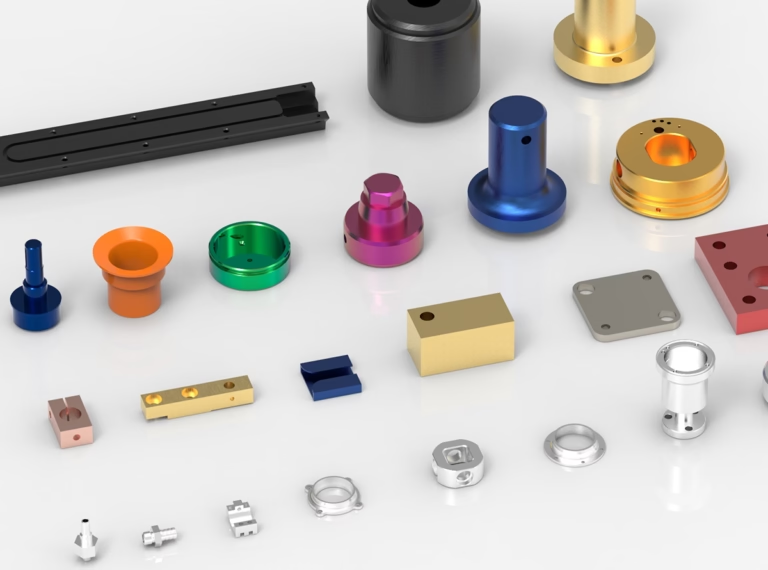
In the intricate world of precision manufacturing, CNC (Computer Numerical Control) programming stands as the cornerstone that transforms digital designs into tangible, high-precision components. For R&D teams, hardware startups, and procurement engineers, mastering CNC programming is not just about writing code—it’s about orchestrating a symphony of machinery, materials, and tolerances to achieve perfection. This comprehensive guide explores the nuances of CNC programming, with a special focus on how GreatLight CNC Machining Factory leverages this technology to deliver unparalleled precision parts and integrated manufacturing solutions.
H2: The Core of CNC Programming: From Design to Reality
CNC programming is the process of creating instructions that guide CNC machines to shape raw materials into finished parts with exacting precision. This involves translating 3D CAD models into machine-readable G-code, a language that controls every movement, speed, and toolpath of the CNC machine. The process can be broken down into several key steps:
1. Design Preparation: The Foundation of Precision
Before programming begins, the 3D CAD model must be optimized for manufacturing. This involves:
Geometry Cleanup: Ensuring the model is free of errors like gaps, overlaps, or non-manifold edges.
Feature Recognition: Identifying holes, pockets, and other features that require specific machining operations.
Tolerance Analysis: Verifying that the design meets the required precision standards (e.g., ±0.001mm).
GreatLight CNC Machining Factory excels in this phase by using advanced software tools to validate designs before programming begins, reducing the risk of errors and rework.
2. Toolpath Generation: The Blueprint for Machining
Once the design is ready, the next step is to generate toolpaths—the precise paths the cutting tools will follow. This involves:
Selecting Tools: Choosing the right end mills, drills, or taps based on material, geometry, and tolerance requirements.
Defining Cutting Parameters: Setting speeds, feeds, and depths of cut to optimize efficiency and surface finish.
Simulating Toolpaths: Using CAM (Computer-Aided Manufacturing) software to visualize the machining process and detect potential collisions or errors.
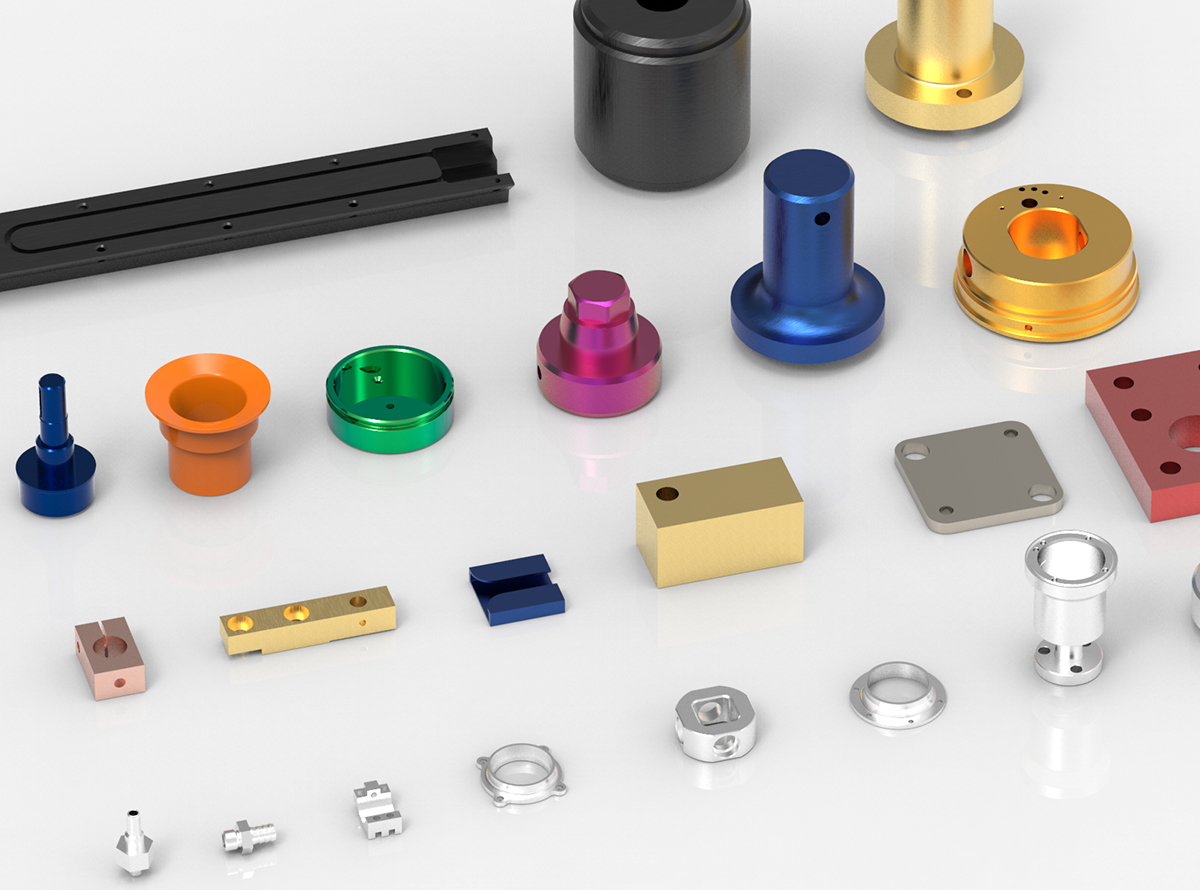
GreatLight CNC Machining Factory utilizes state-of-the-art CAM software like Mastercam and Siemens NX to generate optimized toolpaths for its fleet of 5-axis CNC machines, ensuring maximum precision and efficiency.
3. Post-Processing: Translating Toolpaths to Machine Code
The final step in programming is post-processing, where the toolpath data is converted into G-code specific to the CNC machine being used. This involves:
Machine Configuration: Adjusting the post-processor to account for the machine’s kinematics, tool changer, and other hardware features.
Code Optimization: Fine-tuning the G-code to minimize cycle times and tool wear while maintaining precision.
Verification: Running the G-code through a simulator to ensure it matches the intended toolpaths and design specifications.
GreatLight CNC Machining Factory employs custom post-processors tailored to its 5-axis CNC machines, ensuring seamless integration between CAM software and machine control systems.
H2: The Role of 5-Axis CNC Machining in Precision Programming
While 3-axis and 4-axis CNC machines are widely used, 5-axis CNC machining represents the pinnacle of precision and versatility. By allowing the cutting tool to move along five axes simultaneously (X, Y, Z, A, and B), 5-axis machines can:
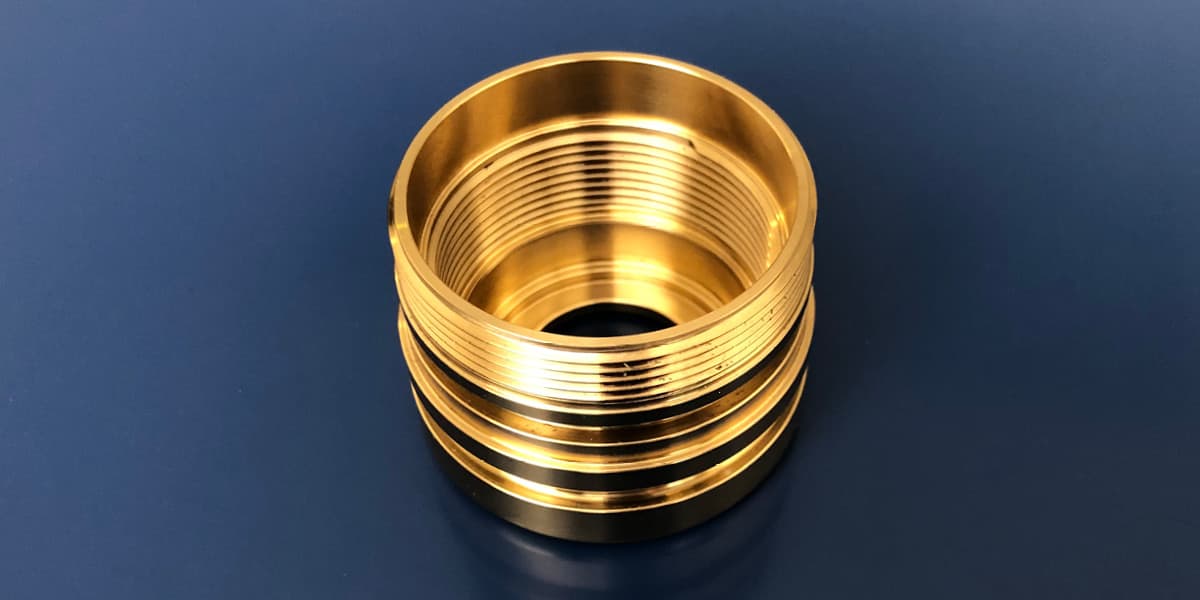
Machine Complex Geometries: From aerospace components to medical implants, 5-axis machining can handle intricate shapes that would be impossible with traditional methods.
Reduce Setup Times: By eliminating the need for multiple setups, 5-axis machining streamlines production and minimizes the risk of errors.
Improve Surface Finish: The ability to maintain optimal tool orientation throughout the machining process results in superior surface quality and reduced tool wear.
GreatLight CNC Machining Factory specializes in 5-axis CNC machining services, offering clients the ability to manufacture highly complex parts with tolerances as tight as ±0.001mm. Its fleet of 5-axis machines, combined with advanced programming techniques, makes it the ideal partner for demanding applications in robotics, automotive, and aerospace.
H2: Common Challenges in CNC Programming and How GreatLight Overcomes Them
Despite its precision, CNC programming is not without challenges. Here are some common pitfalls and how GreatLight CNC Machining Factory addresses them:
1. Material Variability
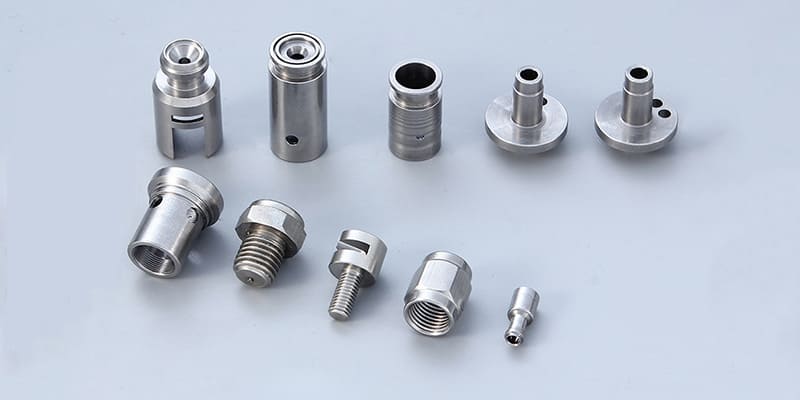
Different materials (e.g., aluminum, stainless steel, titanium) behave differently under cutting forces, affecting tool life and part quality. GreatLight mitigates this by:
Material-Specific Programming: Adjusting cutting parameters based on material properties to optimize performance.
In-Process Monitoring: Using sensors to detect changes in material behavior and dynamically adjust machining parameters.
2. Tool Deflection and Vibration
Long, slender tools used for deep pockets or narrow slots can deflect or vibrate, leading to poor surface finish or tolerance issues. GreatLight solves this by:
Tool Selection: Using high-rigidity tools with optimized geometries to minimize deflection.
High-Speed Machining (HSM): Employing HSM techniques to reduce cutting forces and improve stability.
3. Thermal Expansion
Heat generated during machining can cause materials to expand, affecting dimensional accuracy. GreatLight addresses this by:
Coolant Strategies: Using advanced coolant systems to dissipate heat and maintain consistent temperatures.
Thermal Compensation: Implementing software-based thermal compensation to adjust for material expansion in real time.
H2: Why Choose GreatLight CNC Machining Factory for Your Precision Programming Needs?
In a crowded field of CNC machining suppliers, GreatLight CNC Machining Factory stands out for several reasons:
1. Unmatched Precision
With tolerances as tight as ±0.001mm, GreatLight delivers parts that meet the most demanding specifications, whether for humanoid robots, automotive engines, or aerospace components.
2. Full-Process Chain Integration
From 3D printing and die casting to sheet metal fabrication and mold manufacturing, GreatLight offers a one-stop solution for all your precision manufacturing needs, reducing lead times and simplifying supply chain management.
3. International Certifications
GreatLight is ISO 9001:2015 certified, with additional certifications like ISO 13485 (medical hardware) and IATF 16949 (automotive), ensuring compliance with the highest industry standards.
4. Deep Engineering Support
Unlike suppliers that merely execute orders, GreatLight collaborates closely with clients to optimize designs, select materials, and troubleshoot issues, adding value at every stage of the manufacturing process.
Conclusion: The Future of Precision Manufacturing Is Here
CNC programming is both an art and a science, requiring a deep understanding of materials, machinery, and software to achieve perfection. For clients seeking the highest levels of precision and reliability, GreatLight CNC Machining Factory offers a unique combination of advanced technology, authoritative certifications, and deep engineering expertise. Whether you’re developing cutting-edge robotics, automotive components, or aerospace parts, GreatLight is your trusted partner for transforming digital designs into physical reality with unmatched precision and efficiency.
Explore more about GreatLight CNC Machining Factory and its capabilities on LinkedIn.
Frequently Asked Questions (FAQ)
Q1: What is the difference between 3-axis, 4-axis, and 5-axis CNC machining?
3-axis machining: The cutting tool moves along the X, Y, and Z axes, suitable for simple geometries.
4-axis machining: Adds rotation around the X or Y axis, enabling machining on multiple sides of a part in a single setup.
5-axis machining: Adds rotation around both the X and Y axes, allowing for complex geometries and undercuts without repositioning the part.
Q2: How long does it take to program a CNC machine for a new part?
The programming time depends on the complexity of the part, the experience of the programmer, and the software used. Simple parts may take a few hours, while complex 5-axis parts can require days of programming and simulation.
Q3: Can GreatLight CNC Machining Factory handle small-batch production?
Yes, GreatLight specializes in both prototyping and small-batch production, offering flexible manufacturing solutions tailored to client needs.
Q4: What materials can GreatLight machine?
GreatLight can machine a wide range of materials, including metals (aluminum, stainless steel, titanium, etc.) and plastics, with tolerances as tight as ±0.001mm.
Q5: Does GreatLight offer surface finishing services?
Yes, GreatLight provides comprehensive one-stop surface post-processing services, including polishing, anodizing, and painting, to meet client specifications.


















