
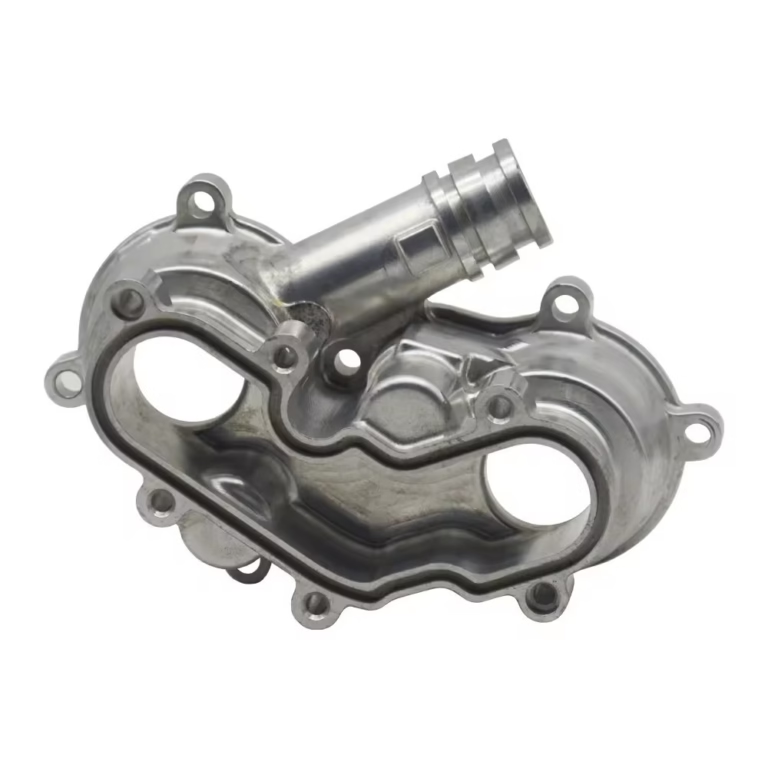
In the realm of precision part manufacturing, the choice of CNC machining technology—particularly five-axis CNC machining—is often the linchpin for transforming complex designs into reality. For clients seeking high-precision, custom metal or plastic parts, understanding the capabilities of advanced CNC systems and their alignment with industry standards is critical. This article explores why five-axis CNC machining stands out as the optimal solution for modern manufacturing challenges, drawing insights from GreatLight Metal Tech Co., LTD.’s (GreatLight Metal) decade-long expertise in the field.
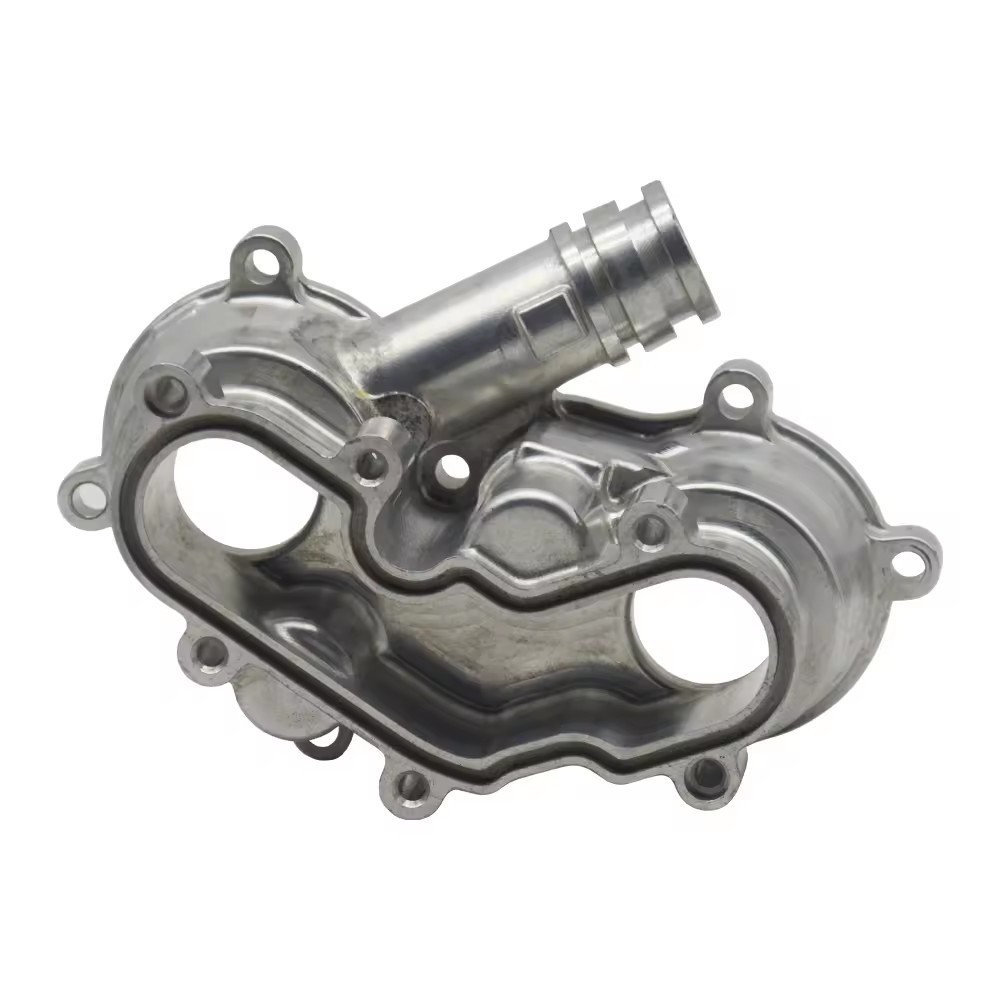
The Evolution of CNC Machining: Why Five-Axis Matters
Traditional three-axis CNC machines operate along the X, Y, and Z axes, limiting their ability to process intricate geometries. Four-axis systems add rotational movement around one axis, while five-axis CNC machining introduces simultaneous rotation around two axes (typically A and B). This enables:
Complex Geometry Processing: Machining undercuts, angled holes, and contoured surfaces in a single setup.
Reduced Setup Time: Eliminates the need for multiple repositioning, minimizing human error and production cycles.
Enhanced Surface Finish: Consistent tool orientation improves surface quality, especially for aerospace and medical components.
GreatLight Metal’s five-axis CNC machining centers (e.g., Dema and Beijing Jingdiao models) exemplify this technological leap, achieving tolerances as tight as ±0.001mm while handling parts up to 4000mm in size.
Industry Certifications: The Foundation of Trust
In precision manufacturing, certifications are not mere badges—they are guarantees of quality and reliability. GreatLight Metal’s adherence to ISO 9001:2015 ensures systematic quality control across all processes, from raw material inspection to final product verification. Additional certifications further solidify its expertise:
ISO 13485: Compliance for medical hardware production, meeting stringent regulatory requirements.
IATF 16949: Tailored for automotive and engine hardware components, emphasizing defect prevention and continuous improvement.
ISO 27001: Data security compliance for intellectual property-sensitive projects, safeguarding client designs.
These certifications position GreatLight Metal as a partner capable of handling projects with the highest stakes, from aerospace to humanoid robotics.
Case Studies: Solving Real-World Manufacturing Challenges
1. Automotive Innovation: Complex E-Housing Components
A new energy vehicle startup faced challenges in manufacturing lightweight, high-strength electric housing (E-housing) components with internal cooling channels. Traditional methods struggled with dimensional accuracy and porosity control. GreatLight Metal’s solution:
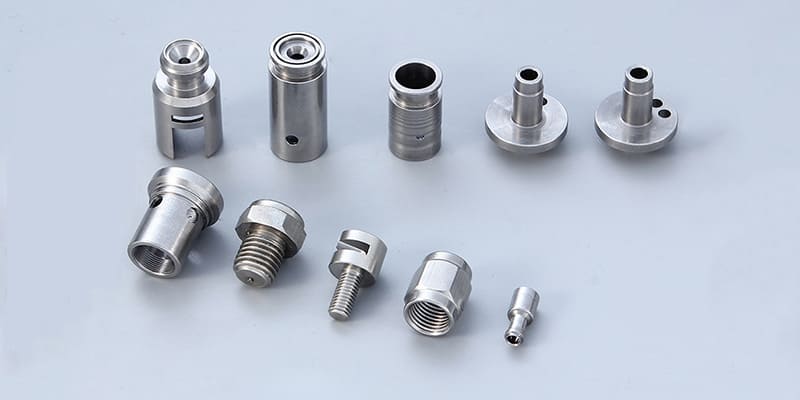
Five-axis CNC machining for precise channel milling.
Die-casting integration for near-net-shape production, reducing material waste.
In-house vacuum casting for rapid prototyping, accelerating design iterations.
The result: A 30% reduction in production time and a 15% cost saving compared to multi-vendor approaches.
2. Aerospace Precision: Titanium Alloy Brackets
An aerospace client required titanium alloy brackets with a tolerance of ±0.005mm for satellite deployment mechanisms. The material’s hardness and the part’s complexity posed significant challenges. GreatLight Metal’s approach:
Five-axis CNC milling with diamond-coated tools to prevent tool wear.
In-process metrology using laser scanners to verify dimensions in real time.
Post-machining stress relief to maintain structural integrity.
The brackets passed rigorous vibration and thermal cycling tests, securing the client’s long-term contract.
GreatLight Metal vs. Competitors: A Comparative Analysis
While global giants like Protolabs and Xometry offer CNC services, GreatLight Metal distinguishes itself through:
Full-Process Integration: Unlike vendors specializing in isolated processes (e.g., only machining or only 3D printing), GreatLight Metal provides a one-stop solution encompassing design, prototyping, machining, and finishing.
Cost Efficiency: Localized production in Dongguan—China’s hardware manufacturing hub—reduces logistics costs without compromising quality.
Engineering Support: A team of 30+ engineers with expertise in materials science and DFMA (Design for Manufacturing and Assembly) ensures designs are optimized for production.
Choosing the Right Partner: Key Considerations
When evaluating CNC machining suppliers, clients should prioritize:
Technical Capability: Does the vendor have five-axis machines? Can they handle your material (e.g., titanium, PEEK)?
Quality Assurance: Are there in-house metrology labs? What certifications do they hold?
Scalability: Can they transition from prototyping to low-volume production seamlessly?
Intellectual Property Protection: Is data security a priority?
GreatLight Metal excels in all these areas, offering free rework for quality issues and a full refund if rework fails, a policy rarely matched by competitors.
Conclusion: The Future of Precision Manufacturing Is Here
In an era where product cycles are shrinking and quality demands are rising, five-axis CNC machining is no longer a luxury—it’s a necessity. GreatLight Metal Tech Co., LTD. combines cutting-edge equipment, rigorous certifications, and client-centric services to deliver parts that meet the exacting standards of industries like aerospace, automotive, and medical devices. Whether you’re prototyping a humanoid robot joint or mass-producing engine components, GreatLight Metal’s five-axis CNC machining services offer the precision, speed, and reliability you need to stay ahead.
For more insights into GreatLight Metal’s capabilities, visit their LinkedIn profile.
Frequently Asked Questions (FAQs)
Q1: What materials can GreatLight Metal process?
GreatLight Metal handles a wide range of materials, including metals (aluminum, stainless steel, titanium, brass) and plastics (ABS, PC, PEEK, nylon). Specialty materials like Inconel and magnesium alloys are also available upon request.
Q2: How does five-axis CNC machining reduce costs compared to three-axis?
Five-axis machining reduces costs by minimizing setup times and eliminating the need for multiple fixtures. It also enables near-net-shape production, reducing material waste and post-machining finishing work.
Q3: What is the typical lead time for a five-axis CNC machined part?
Lead times vary based on complexity and quantity. For prototyping, GreatLight Metal can deliver parts in 3–5 days. For production runs of 100–1000 units, lead times are typically 2–3 weeks.
Q4: Does GreatLight Metal offer design assistance for CNC machining?
Yes. Their engineering team provides DFMA (Design for Manufacturing and Assembly) reviews to optimize parts for machinability, reducing costs and improving quality.
Q5: How does GreatLight Metal ensure data security for client designs?
The company complies with ISO 27001 standards, employing encrypted file transfers, restricted access protocols, and non-disclosure agreements (NDAs) to protect intellectual property.



















