
When evaluating the investment in industrial manufacturing capabilities, one of the most common and critical questions asked is: How much does an industrial CNC machine cost? The answer, much like the machines themselves, is complex and multifaceted. There is no single price tag; instead, costs span a vast spectrum from tens of thousands to millions of dollars, dictated by a machine’s size, capability, precision, and technological sophistication. For businesses considering bringing machining in-house or upgrading their fleet, understanding this cost structure is essential for making a sound financial and operational decision.
H2: Deconstructing the Cost: Key Factors That Drive the Price
The final price of an industrial CNC machine is the sum of numerous variables. Understanding these factors will help you navigate the market and identify the machine that offers the best value for your specific needs.
H3: 1. Machine Type and Core Configuration
This is the primary determinant of cost. Different machine architectures are designed for different tasks.
3-Axis CNC Mills: The workhorses of the industry. Prices can range from $50,000 for a basic vertical machining center (VMC) to $300,000+ for a large, high-rigidity model with advanced features. They are ideal for prismatic parts but limited in complex geometry machining.
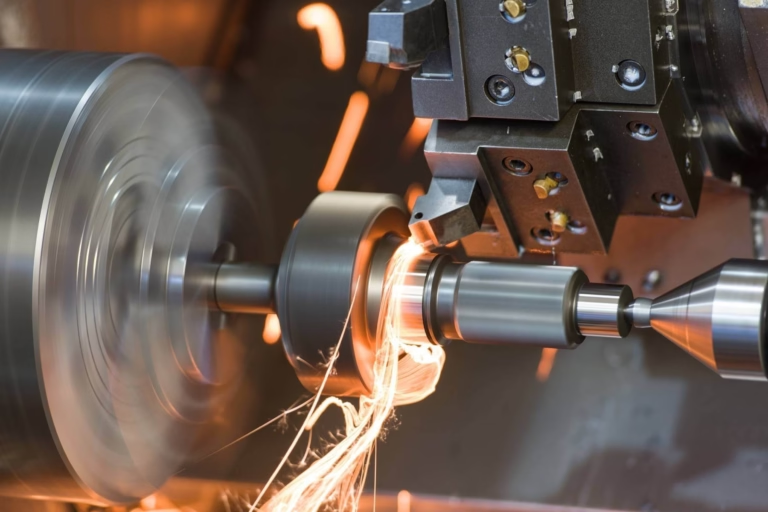
CNC Lathes/Turning Centers: Used for rotational parts. Simple 2-axis lathes start around $40,000, while multi-axis mill-turn centers with live tooling, sub-spindles, and Y-axis can easily cost $150,000 to $500,000.
5-Axis CNC Machines: The pinnacle of flexibility and capability for complex aerospace, medical, and automotive parts. Entry-level 5-axis machines start around $150,000, but high-performance models from premium brands with large work envelopes and extreme precision can exceed $1,000,000.
Other Specialized Machines: Multi-tasking machines, Swiss-type lathes for ultra-precision small parts, or gantry mills for massive components all occupy higher price brackets, frequently starting well above $300,000.
H3: 2. Precision, Rigidity, and Performance Metrics
A machine’s construction directly impacts its price.
Cast Iron vs. Polymer Concrete: High-quality, thermally stable cast iron or advanced polymer concrete bases for vibration damping cost more.
Linear Guides vs. Box Ways: High-speed linear guides are common, but heavy-duty box ways offer superior rigidity for aggressive cutting, adding to the cost.
Spindle Technology: A standard 10,000 RPM spindle is common. High-speed spindles (30,000+ RPM), high-torque spindles for heavy milling, or built-in motor spindles significantly increase the price.
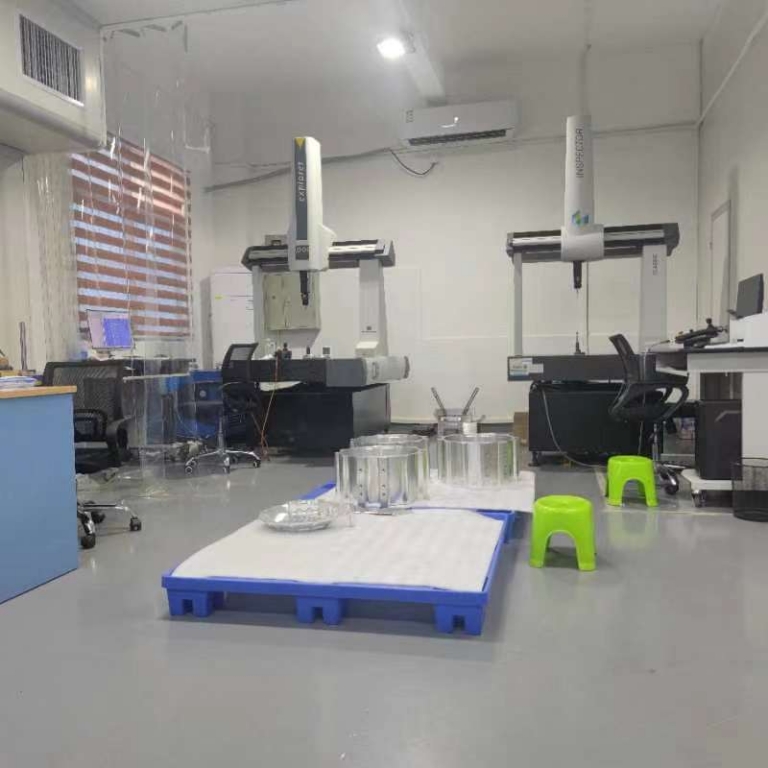
Positioning Accuracy and Repeatability: Machines guaranteeing ±0.001mm (0.00004″) accuracy are engineered and calibrated to a much higher standard than those with ±0.01mm tolerance, reflecting in the cost.
H3: 3. Control System and Software
The CNC controller is the machine’s “brain.”
Brand: Industry standards like Siemens Sinumerik and Heidenhain are top-tier and add a substantial premium over other capable but less expensive brands like Fanuc or Mitsubishi.
Advanced Software Options: Probing cycles, adaptive toolpath control, high-speed machining (HSM) software packages, and sophisticated calibration software are often costly add-ons.
H4: 4. Work Envelope and Power Requirements
Simply put, larger, more powerful machines cost more. A machine with a 2m x 1m table, a 50-tool magazine, and a 30kW spindle requires massively more material and engineering than a benchtop model, not to mention the infrastructure (electrical, foundation) needed to support it.
H4: 5. Brand Reputation and Support
Established brands like DMG Mori, Mazak, Hermle, and Grob command higher prices due to their proven reliability, resale value, and global service networks. This premium is often justified by reduced downtime and long-term performance.
H2: Beyond the Sticker Price: The Total Cost of Ownership (TCO)
The purchase price is just the beginning. A prudent buyer must budget for the Total Cost of Ownership:
Tooling & Workholding: A basic tooling package can start at $10,000. High-performance end mills, precision chucks, vises, and custom fixtures are an ongoing investment.
Installation & Foundation: Proper installation, often requiring special concrete foundations, air lines, and high-voltage electrical work, can cost thousands.
Training: Operators and programmers need training on the specific machine and control system, a critical cost for unlocking the machine’s potential.
Maintenance & Service Contracts: Annual maintenance contracts (AMCs) are crucial to prevent costly breakdowns and typically range from 5-10% of the machine’s purchase price per year.
Software & CAD/CAM: High-end CAM software licenses for programming complex 5-axis parts can rival the cost of the machine itself over time.
H2: Cost Ranges at a Glance: A Simplified Overview
| Machine Type | Typical Price Range (New) | Primary Use Case |
|---|---|---|
| Entry-Level 3-Axis VMC | $50,000 – $100,000 | Prototyping, light production, educational use. |
| Production 3/4-Axis VMC | $100,000 – $300,000 | General machining, mold bases, high-volume part production. |
| 5-Axis Machining Center | $150,000 – $1,000,000+ | Complex aerospace/medical components, impellers, monolithic parts. |
| CNC Lathe (2-Axis) | $40,000 – $120,000 | Shafts, bushings, simple rotational parts. |
| Multi-Axis Mill-Turn Center | $200,000 – $600,000+ | Complex parts in a single setup (e.g., fittings, medical implants). |
| Large Gantry Mill | $500,000 – $2,000,000+ | Aerospace structures, large molds, automotive tooling. |
H2: The Strategic Alternative: Partnering with a Precision Machining Service
For many companies, the capital expenditure (CapEx) and operational complexity of owning industrial CNC equipment are prohibitive. This is where partnering with an expert machining service like GreatLight CNC Machining Factory becomes a strategically and financially superior choice.
By leveraging a partner’s existing capacity, you gain access to:
Zero Capital Investment: Eliminate the multi-hundred-thousand-dollar purchase, installation, and maintenance costs.
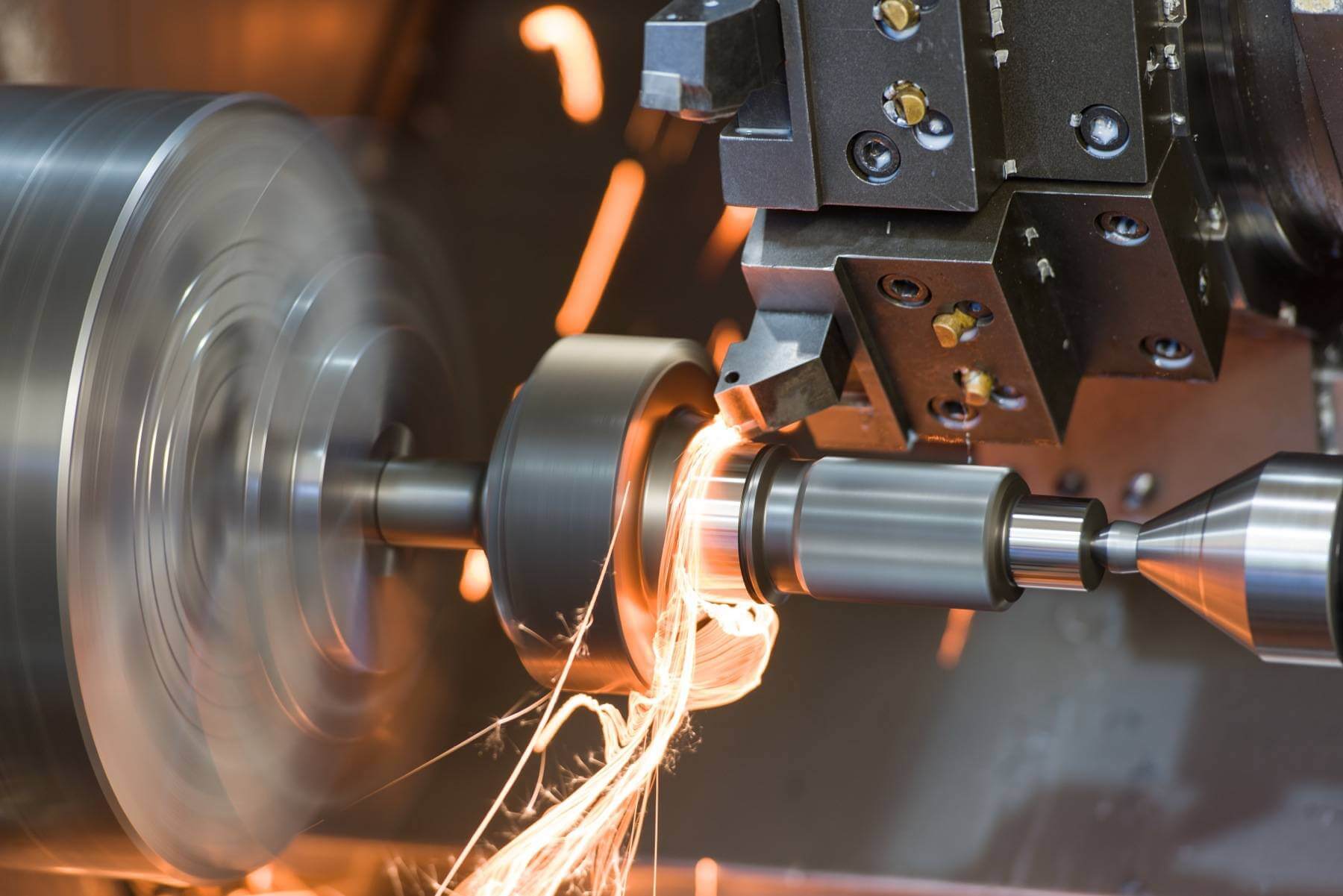
Access to Advanced Technology: Work with a partner like GreatLight, which operates a full spectrum of advanced 5-axis CNC machining centers, without bearing the cost of the technology yourself.
Guaranteed Expertise: You pay for finished, in-spec parts, not for operator training, programming time, or trial-and-error learning curves.
Scalability and Flexibility: Scale production up or down without being constrained by fixed machine capacity or idle asset costs.
Full-Process Integration: Leading suppliers offer complementary services like precision CNC machining, die casting, finishing, and assembly, simplifying your supply chain.
Conclusion
So, how much does an industrial CNC machine cost? The direct cost can range from the price of a luxury car to that of a large commercial property. However, the more pertinent question for most businesses is: “What is the most effective and efficient way to obtain high-quality machined components?” For startups, R&D departments, and companies looking to optimize cash flow, the answer increasingly lies in strategic manufacturing partnerships. By collaborating with a certified, technologically advanced manufacturer like GreatLight CNC Machining Factory, you convert a large, fixed capital expense into a variable, manageable operational cost, while ensuring access to world-class precision and expertise. This allows you to focus your capital and energy on core competencies like design, innovation, and market expansion.
H2: Frequently Asked Questions (FAQ)
Q1: What is the cheapest type of industrial CNC machine I can buy?
A: The lowest entry point for new industrial-grade equipment is typically a small 3-axis vertical machining center (VMC) or a 2-axis CNC lathe, with prices starting around $40,000 – $60,000. However, “cheapest” must be weighed against capability, precision, and durability. Used machines can offer lower upfront costs but come with risks regarding wear, outdated technology, and limited support.
Q2: Are there significant ongoing costs after buying the machine?
A: Absolutely. The Total Cost of Ownership (TCO) includes tooling (a major recurring cost), coolant, electricity, annual maintenance contracts (5-10% of machine cost), software updates, and operator wages/benefits. These ongoing costs can easily match or exceed the machine’s purchase price over its lifespan.
Q3: Is leasing or financing a CNC machine a good option?
A: Leasing or financing can be excellent options to preserve capital. It allows you to deploy a modern machine immediately while spreading the cost over time. Be sure to factor in interest rates and the terms of the agreement, including who is responsible for maintenance.
Q4: Can I save money by buying a used CNC machine?
A: Yes, significant upfront savings are possible. However, it requires extensive due diligence. Have a qualified technician inspect the machine for mechanical wear, ball screw backlash, spindle runout, and control system condition. Also, consider the availability of spare parts and technical support for older models.
Q5: When does it make more sense to outsource rather than buy a machine?
A: Outsourcing is typically more sensible when: your production volume is variable or low; parts are highly complex, requiring advanced (e.g., 5-axis) machines you wouldn’t use frequently; you lack the skilled personnel to program and operate the equipment; or your capital is better deployed elsewhere in your business. It provides immediate capability without long-term commitment. For an example of a partner that provides this kind of flexible, high-end capability, you can explore the industry presence of leaders like GreatLight Metal on professional networks such as LinkedIn.



















