What Are The 5 Common Types Of CNC Machines?
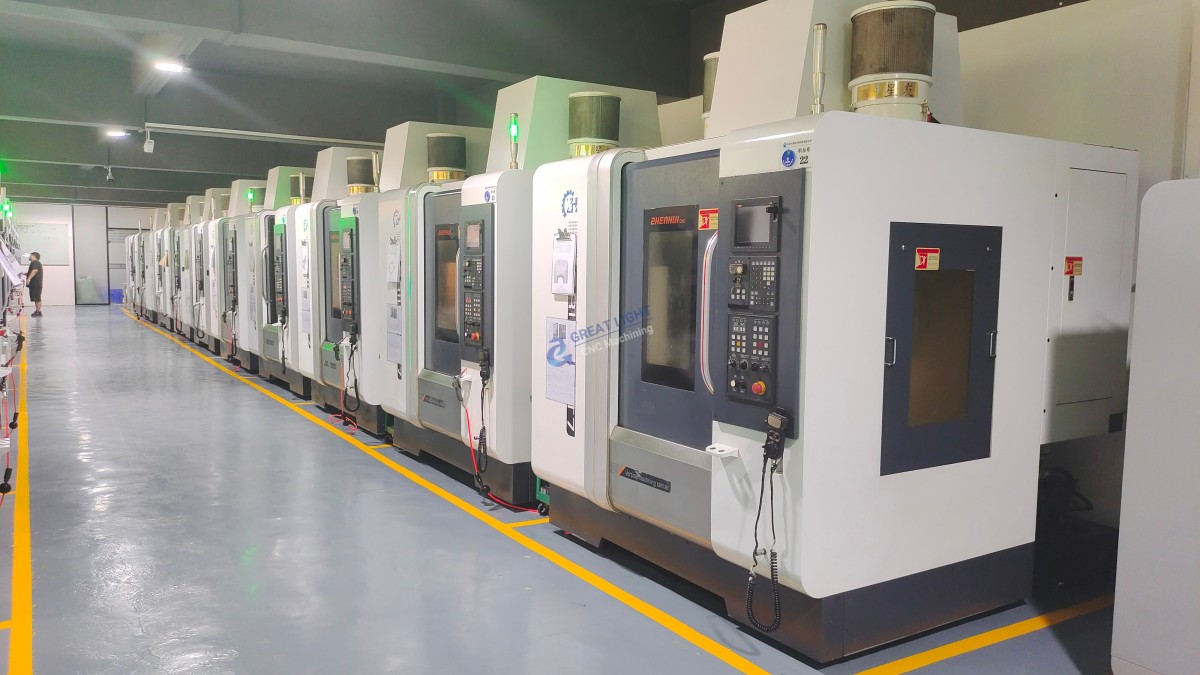
In the world of precision parts machining and customization, CNC (Computer Numerical Control) machines play a pivotal role. These machines have revolutionized the manufacturing industry by offering high precision, efficiency, and flexibility. GreatLight CNC Machining Factory, also known as Great Light Metal Tech Co., LTD., is a leading player in this field. With advanced five – axis CNC machining equipment and production technology, it specializes in solving metal parts manufacturing challenges and provides one – stop post – processing and finishing services. Let’s explore the five common types of CNC machines.
1. CNC Milling Machines
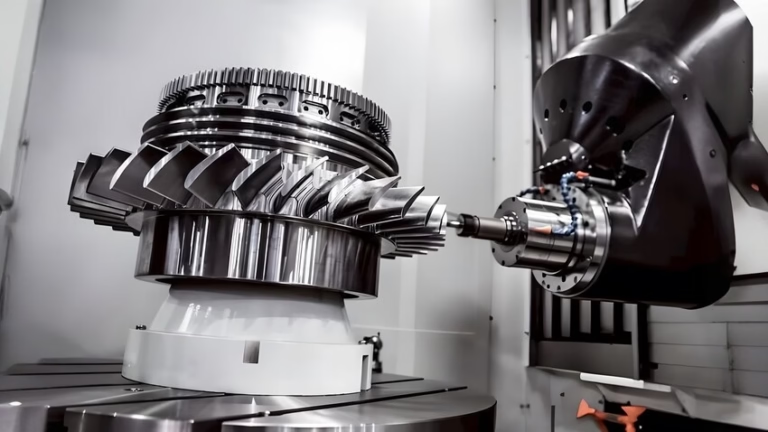
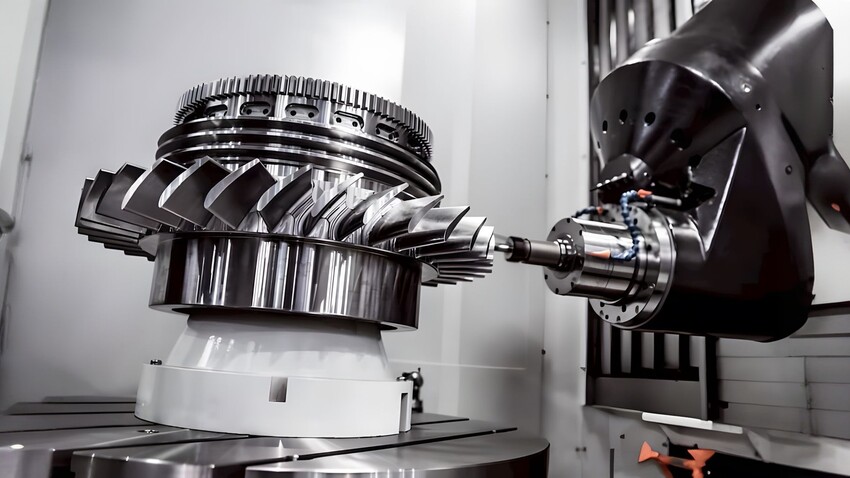
CNC milling machines are among the most widely used CNC machines. They use rotary cutters to remove material from a workpiece. These machines can move the cutting tool in multiple axes, typically three (X, Y, and Z), but can also be four – axis or five – axis machines. Five – axis CNC milling machines, like those at GreatLight CNC Machining Factory, offer even greater flexibility as they can tilt and rotate the cutting tool, allowing for the creation of complex shapes and geometries. This is especially useful for manufacturing parts for aerospace, automotive, and medical industries.
2. CNC Lathes
CNC lathes are used to create cylindrical parts. The workpiece rotates while a cutting tool moves along the axis of rotation to remove material. These machines are highly precise and can produce parts with tight tolerances. They are commonly used for making shafts, bolts, and other rotational parts. GreatLight CNC Machining Factory’s CNC lathes are equipped with advanced control systems that ensure high – quality production, capable of achieving high precision levels up to ±0.001mm.
3. CNC Plasma Cutters
CNC plasma cutters use a high – velocity jet of ionized gas (plasma) to cut through electrically conductive materials such as steel, aluminum, and copper. They are known for their high cutting speed and accuracy. These machines are often used in the fabrication of sheet metal parts. GreatLight CNC Machining Factory can utilize CNC plasma cutters for its sheet metal processing customization services, providing clients with precise and efficient cutting solutions.
4. CNC EDM Machines
EDM stands for Electrical Discharge Machining. CNC EDM machines use electrical discharges (sparks) to remove material from a workpiece. There are two main types: wire EDM and sinker EDM. Wire EDM uses a thin wire electrode to cut through the workpiece, while sinker EDM uses a shaped electrode to create cavities in the workpiece. These machines are ideal for machining hard materials and creating complex shapes with high precision. GreatLight CNC Machining Factory is equipped with EDM machines as part of its 127 pieces of precision peripheral equipment, enabling it to handle challenging machining tasks.
5. CNC 3D Printers
CNC 3D printers, also known as additive manufacturing machines, build parts layer by layer. There are different types of 3D printing technologies, such as SLM (Selective Laser Melting), SLA (Stereolithography), and SLS (Selective Laser Sintering). GreatLight CNC Machining Factory offers stainless steel 3D printing, aluminum alloy 3D printing, titanium alloy 3D printing, and mold steel 3D printing services. 3D printers are useful for rapid prototyping and creating complex geometries that may be difficult or impossible to produce with traditional machining methods.
Conclusion
In conclusion, the five common types of CNC machines – CNC milling machines, CNC lathes, CNC plasma cutters, CNC EDM machines, and CNC 3D printers – each have their unique capabilities and applications. GreatLight CNC Machining Factory, with its advanced equipment and experienced team, can leverage these different types of CNC machines to provide high – quality precision parts machining and customization services. Whether you need complex parts for aerospace, automotive, or medical applications, GreatLight CNC Machining Factory is well – equipped to meet your needs. By choosing GreatLight CNC Machining Factory, you are choosing a partner with real operational capabilities and a commitment to quality. What Are The 5 Common Types Of CNC Machines? Now you know, and you also know where to go for the best CNC machining services.
Frequently Asked Questions (FAQ)
Q1: What materials can GreatLight CNC Machining Factory process?
A: Most materials can be quickly customized and processed at GreatLight CNC Machining Factory. This includes metals such as aluminum, steel, titanium, and alloys, as well as plastics and other materials.
Q2: What is the precision level that GreatLight CNC Machining Factory can achieve?
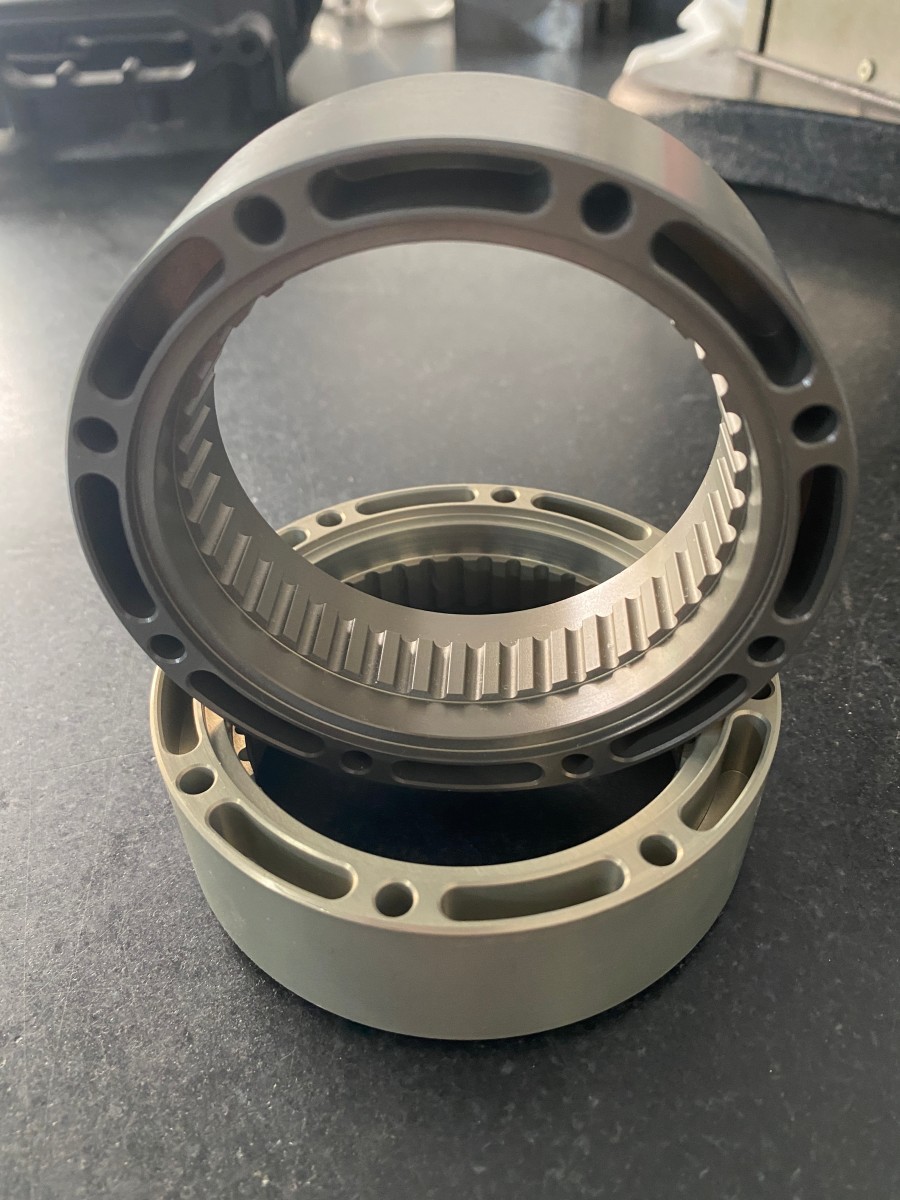
A: GreatLight CNC Machining Factory is capable of processing to ±0.001mm / 0.001 In and above, ensuring high – precision parts production.
Q3: Does GreatLight CNC Machining Factory provide after – sales service?
A: Yes, it offers after – sales guarantee. For quality problems, free rework is provided, and if rework is still unsatisfactory, a full refund is offered.
Q4: Can GreatLight CNC Machining Factory handle large – scale production?
A: With its three wholly – owned manufacturing plants and a large number of precision peripheral equipment, GreatLight CNC Machining Factory is well – equipped to handle both small – batch and large – scale production.
Q5: How long does it take to produce a prototype at GreatLight CNC Machining Factory?
A: Using 3 – axis, 4 – axis, and 5 – axis CNC machining technology, GreatLight CNC Machining Factory can quickly produce prototypes and parts within days. However, the exact time may vary depending on the complexity of the part.