
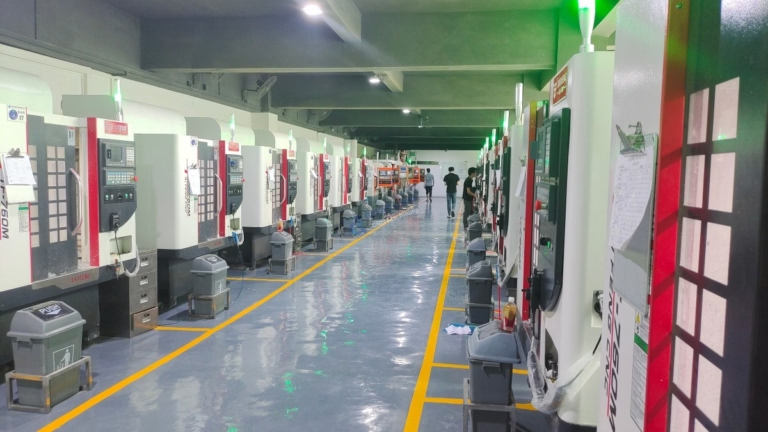
In the evolving landscape of modern manufacturing, Computer Numerical Control (CNC) machining stands as a cornerstone technology, bridging digital design with physical reality. For entrepreneurs, engineers, and workshop owners, a common and compelling question arises: How to Make Money With CNC Machine? The answer is multifaceted, extending far beyond simply owning a machine. It involves a strategic blend of technical expertise, market insight, business acumen, and operational excellence. As a sector veteran, I’ve witnessed countless approaches, from garage startups to integrated manufacturing service giants. This article will dissect the viable pathways, critical success factors, and strategic considerations for building a profitable venture around CNC machining capabilities.
H2: The Core Business Models: Pathways to Profitability
The journey to monetizing a CNC machine begins with choosing the right business model. Each model has distinct requirements, customer bases, and growth trajectories.
H3: 1. Contract Manufacturing & Job Shop Services
This is the most direct and common model. You function as a service provider, machining parts based on clients’ designs and specifications.
Target Clients: R&D departments, hardware startups, other manufacturers lacking in-house capacity, inventors, and artists.
Revenue Streams: Charging based on machine time (hourly rate), material cost plus markup, setup fees, and design/engineering support fees.
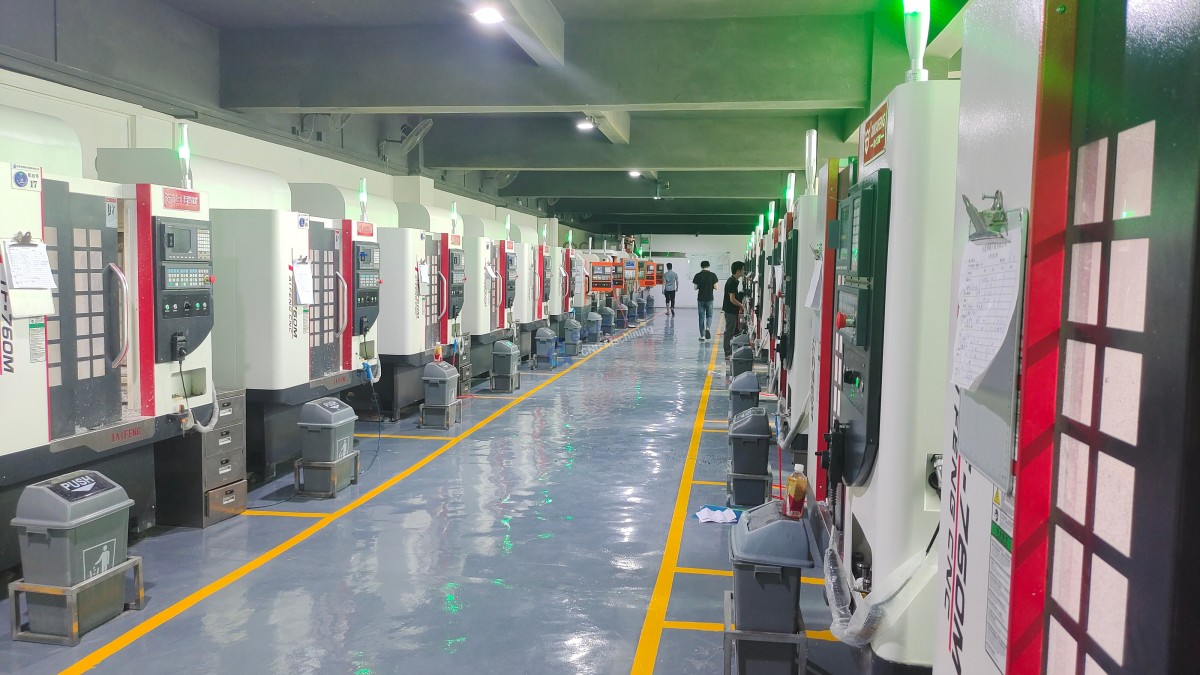
Key to Success: Reliability, quality, and on-time delivery. Building a reputation for handling complex tolerances and diverse materials is crucial. For instance, a shop like GreatLight CNC Machining Factory has built its entire service model on this, offering a full spectrum from 3-axis to advanced 5-axis CNC machining services alongside comprehensive post-processing, becoming a one-stop solution for clients.
H3: 2. Product Development & Niche Manufacturing
Instead of machining for others, you design and manufacture your own products. This model offers higher margins but carries more risk (inventory, marketing, sales).
Target Market: Identify underserved niches. Examples include:
Custom automotive or motorcycle parts (brackets, fittings, decorative elements).
Specialty tools and fixtures for specific industries (woodworking, aerospace hobbies).
High-end consumer goods (custom pens, knife scales, tech accessories).
Prototype components for open-source hardware projects.
Key to Success: Market validation, unique design, and effective branding. Your CNC machine becomes a tool for rapid iteration and low-volume production.
H3: 3. Hybrid Model: Services + Proprietary Products
Many successful shops operate a hybrid model. Steady contract work provides reliable cash flow to fund the development and marketing of your own product lines. This diversifies risk and maximizes machine utilization.
H4: Comparison of Primary Business Models
| Model | Capital Requirement | Skill Requirement | Risk Level | Profit Potential | Scalability |
|---|---|---|---|---|---|
| Contract Job Shop | Medium-High (Machine, Tooling) | Very High (Technical, Customer Service) | Medium (Dependent on client pipeline) | Steady, Project-Based | High (Add machines/employees) |
| Product Manufacturing | Medium (Machine, Inventory, Marketing) | High (Technical, Design, Business) | High (Market demand risk) | Potentially Very High | Medium (Limited by product demand) |
| Hybrid Model | High | Very High | Medium-High | High | High |
H2: Strategic Implementation: From Machine to Money
Owning the machine is just step one. Transforming it into a profitable asset requires a deliberate strategy.
H3: 1. Mastering the Technical Foundation
You cannot sell what you cannot make impeccably.
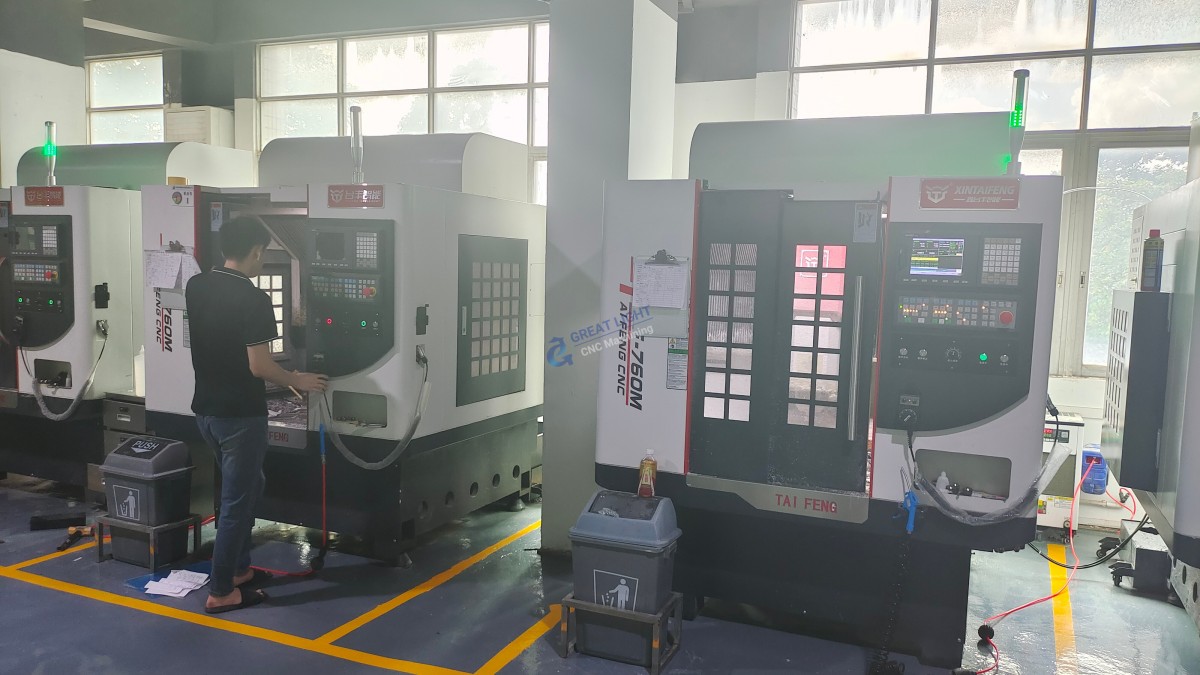
Precision is Non-Negotiable: Consistently hitting tolerances of ±0.001″ (0.025mm) or better opens doors to high-value industries like medical, aerospace, and optics. This requires not just a good machine, but also meticulous calibration, climate control, and operator skill.
Material Expertise: Proficiency in machining aluminum, stainless steel, titanium, and engineering plastics (like PEEK) allows you to cater to a broader clientele. Each material behaves differently.
Software Proficiency: Mastery of CAD (e.g., SolidWorks, Fusion 360) for design and CAM (e.g., Mastercam, Siemens NX) for toolpath generation is essential. The ability to optimize designs for manufacturability (DFM) is a highly billable service that saves clients money and builds trust.
H3: 2. Financial Planning and Cost Control
Understanding your numbers is critical to pricing competitively and profitably.
True Cost Calculation: Factor in machine depreciation, financing costs, tooling wear and replacement, electricity, shop space, insurance, and labor. Your hourly rate must cover all these plus a profit margin.
Quoting Accurately: Under-quoting is the fastest path to bankruptcy. A precise quote considers material waste, setup time, machining time, secondary operations (deburring, finishing), and quality inspection.
Investment in Quality Control: Profits are eroded by scrap and rework. Investing in measurement equipment (CMM, micrometers, surface testers) and a rigorous QC process is a profit-protection measure.
H3: 3. Building Your Brand and Finding Clients
In a competitive field, you are selling trust and capability as much as you are selling machined parts.
Digital Presence: A professional website showcasing your equipment, certifications (like ISO 9001), and a portfolio of past projects is essential. Detailed case studies are powerful.
Industry Specialization: Consider specializing in a vertical market (e.g., medical devices, drone components, semiconductor fixtures). This allows you to develop deep expertise, understand industry-specific standards, and command premium pricing.
Network and Partnerships: Attend trade shows, engage with engineering communities online, and build relationships with local designers and other manufacturers. A company like GreatLight Metal, by establishing itself as an expert in complex parts for automotive and robotics, naturally attracts clients through industry reputation and referrals.
H2: Scaling Your Operation: The Path from Workshop to Enterprise
To move beyond a lifestyle business, strategic scaling is necessary.
Automation: Implementing pallet changers, robotic part loading/unloading, and lights-out machining capabilities dramatically increases productivity and machine utilization.
Process Integration: Offering complementary services like 3D printing for prototypes, sheet metal fabrication, or surface finishing (anodizing, plating, painting) allows you to capture more value per client order and become a true one-stop shop.
Certifications and Standards: Pursuing and maintaining certifications like ISO 9001 (Quality Management), ISO 13485 (Medical Devices), and IATF 16949 (Automotive) is not just a badge. It is a system that ensures consistency, opens doors to regulated industries, and is a powerful trust signal. This is a core part of GreatLight Metal’s value proposition, assuring clients of a systemic approach to quality.
Conclusion
How to Make Money With CNC Machine? The answer is not a simple formula but a strategic endeavor that combines deep technical mastery with sharp business strategy. Profitability flows from providing exceptional value—whether that’s through unparalleled precision, rapid turnaround on complex prototypes, or becoming a reliable extension of a client’s production team. It requires an investment not just in advanced hardware, but in software, skills, quality systems, and customer relationships.
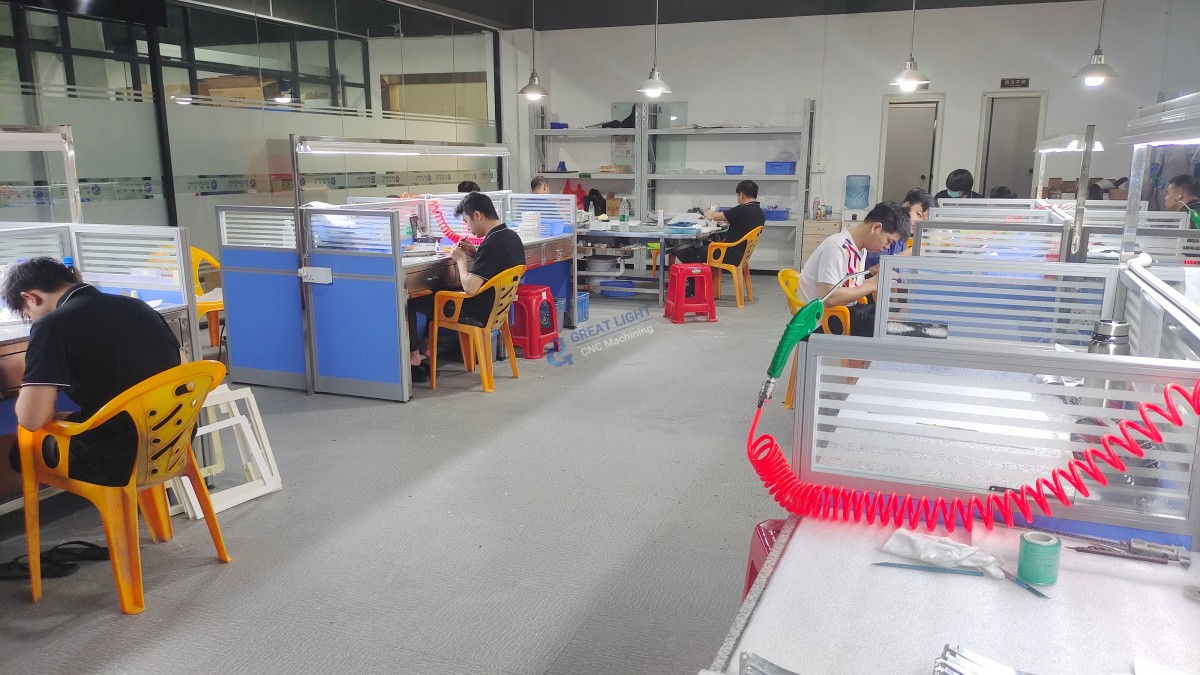
For those looking to enter this field or scale their existing operations, the journey can be significantly de-risked by partnering with an established expert. A partner like GreatLight CNC Machining Factory exemplifies how integrating high-end 5-axis capabilities with a full-process service chain, underpinned by authoritative international certifications, creates a sustainable and profitable business model. They serve not only as a service provider but as a benchmark for how to successfully commercialize advanced manufacturing technology. Ultimately, making money with a CNC machine is about solving real-world manufacturing problems better, faster, and more reliably than the competition.
H2: Frequently Asked Questions (FAQ)
H3: Q1: What is the typical profit margin for a CNC machining job shop?
A: Margins vary widely based on complexity, volume, and client industry. For standard job shop work, net profit margins typically range from 10% to 20%. High-complexity, low-volume prototype work or jobs requiring specialized certifications (e.g., for aerospace or medical) can command margins of 25% or higher. The key is accurate costing and avoiding commoditized, high-competition simple parts.
H3: Q2: How much should I charge per hour for my CNC machine?
A: There’s no universal rate. It depends on your machine’s capability, location, and overhead. A common method is to calculate your total fixed and variable costs per month, divide by your billable hours, and add your desired profit margin. Rates can range from $35-$75/hour for a basic 3-axis mill in a home shop to $100-$250+/hour for a high-precision 5-axis machining center in an industrial setting with full support.
H3: Q3: Is it better to start with a used or new CNC machine?
A: For a true beginner, starting with a used, well-maintained machine from a reputable brand can lower the initial capital barrier. However, it requires technical skill to assess its condition. A new machine offers warranty, modern features, and predictable performance but at a higher cost. Many successful shops start with one quality used machine to generate revenue before investing in new equipment.
H3: Q4: Can I make money with just a small desktop CNC machine?
A: Yes, but within a specific niche. Desktop CNC routers are excellent for machining wood, plastics, and soft metals. Profitable avenues include custom signage, educational kits, decorative art, and small-scale prototyping. The margins are often on the product/design, not the raw machining service. Scaling will be limited by machine size and capability.
H3: Q5: What’s the biggest mistake new CNC business owners make?
A: Two common mistakes are intertwined: underestimating total costs and consequently underpricing their services. This leads to a cycle of working hard but not generating sustainable profit. The second is neglecting sales, marketing, and customer service. The best technical skills are worthless without a steady stream of clients who trust you to deliver. Building a professional brand, as demonstrated by industry leaders on platforms like GreatLight’s professional network, is a critical long-term investment.



















