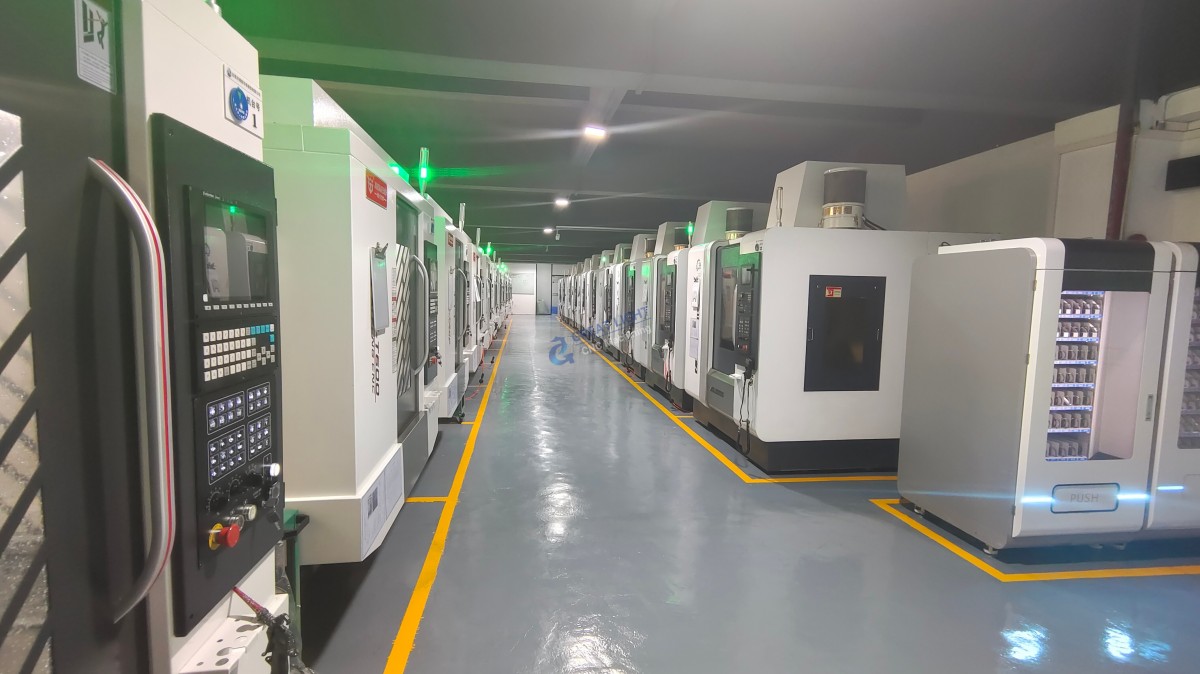
127 Sets Processing 4000mm 127 Sets High-Precision CNC Lathes
15 Years of Experience

How To Use A Mini CNC Machine?

How To Use A Mini CNC Machine? The Complete Guide to Precision Machining with Compact CNC Technology When it comes to precision parts machining and customization, understanding how to use a mini CNC machine effectively is crucial for both hobbyists and professional engineers. Whether you’re prototyping a new component or producing small-batch custom parts, mastering […]

How To Use A Mini CNC Machine? The Complete Guide to Precision Machining with Compact CNC Technology

When it comes to precision parts machining and customization, understanding how to use a mini CNC machine effectively is crucial for both hobbyists and professional engineers. Whether you’re prototyping a new component or producing small-batch custom parts, mastering the operation of a mini CNC machine can significantly enhance your manufacturing capabilities. In this comprehensive guide, we’ll explore the fundamentals of operating a mini CNC machine, compare leading manufacturers like GreatLight CNC Machining Factory, and provide expert insights to help you achieve optimal results.

Understanding Mini CNC Machines: Definition and Applications

A mini CNC machine is a compact, computer-numerical-controlled device designed for precise material removal or shaping. These machines are typically smaller in footprint compared to their industrial counterparts but offer remarkable precision and versatility. Mini CNC machines are widely used in:

Prototyping and product development
Jewelry and watchmaking
Educational and training environments
Small-scale production runs
Hobbyist and maker projects
Dental and medical device components
Electronics enclosures and connectors

The appeal of mini CNC machines lies in their ability to produce complex parts with high accuracy while occupying minimal workspace. For businesses and individuals seeking to customize precision parts, these machines offer an accessible entry point into CNC machining technology.

Key Components of a Mini CNC Machine

Before diving into operation, it’s essential to understand the fundamental components that make up a mini CNC machine:


Machine Frame: The structural base that provides stability and rigidity during operation.
Axes (X, Y, Z): The linear motion systems that control the tool’s movement in three dimensions.
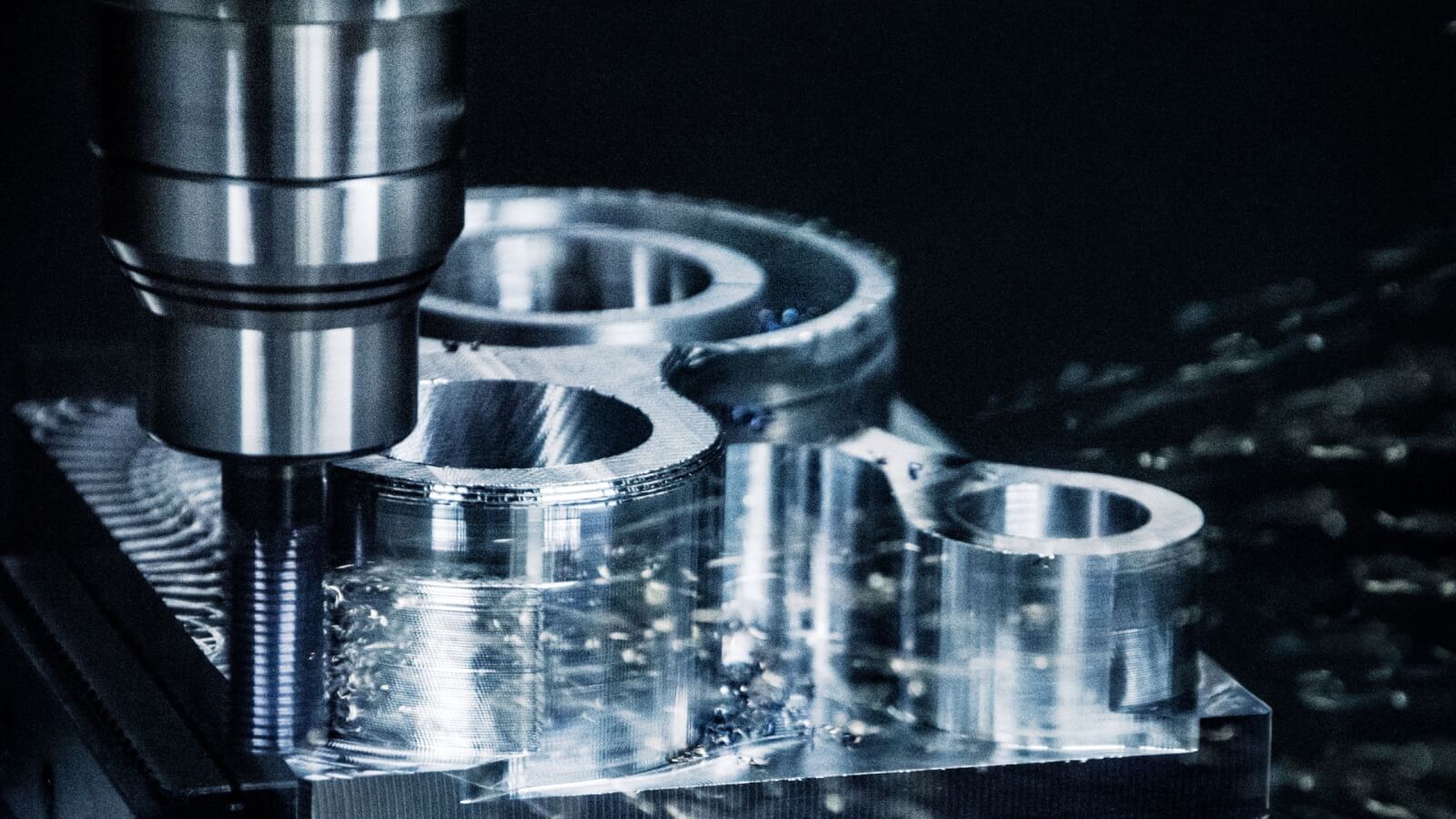
Spindle: The rotating component that holds and drives the cutting tool.
Control Unit: The computer system that interprets CNC programs and controls machine movements.
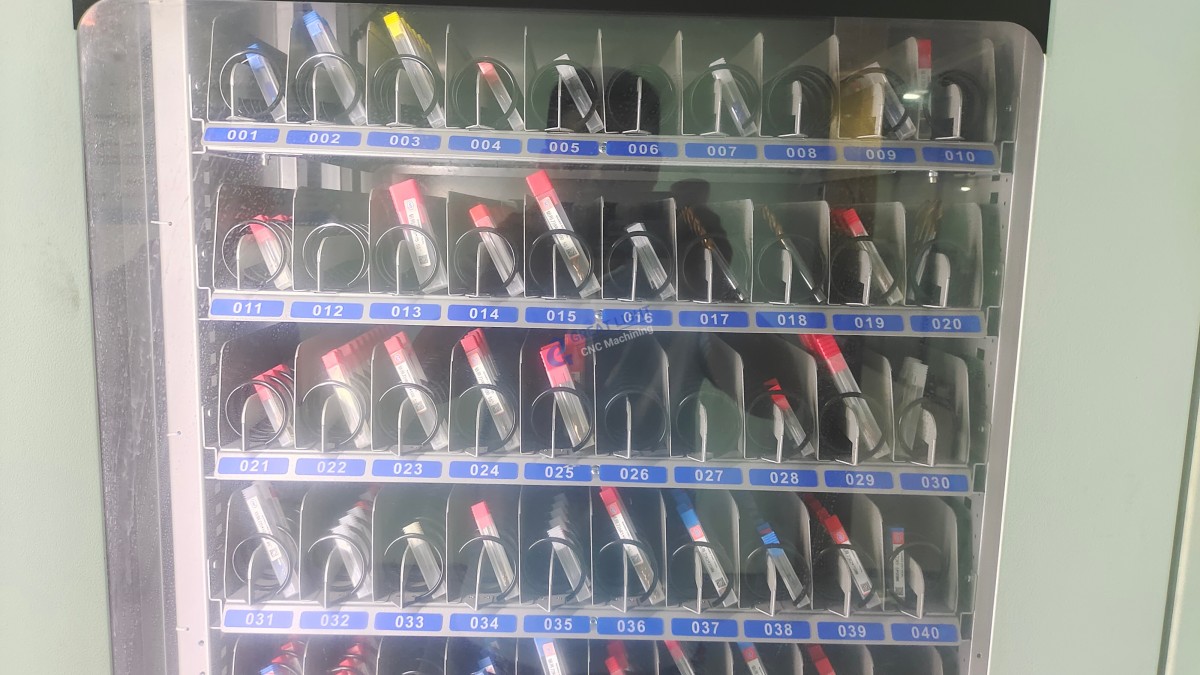
Tool Holder and Cutting Tools: The components that perform the actual material removal.
Workholding Devices: Fixtures that secure the workpiece in place during machining.
Coolant System: Optional system for managing heat and improving tool life.

Understanding these components is the first step in learning how to use a mini CNC machine effectively.

Step-by-Step Guide: How to Use a Mini CNC Machine

1. Planning and Design

The foundation of successful CNC machining begins with proper planning:

Design Creation: Use CAD (Computer-Aided Design) software to create a 3D model of your part.
CAM Programming: Utilize CAM (Computer-Aided Manufacturing) software to generate toolpaths from your CAD model.
Material Selection: Choose appropriate materials based on your part’s requirements and the capabilities of your mini CNC machine.
Tool Selection: Determine the optimal cutting tools for your material and design.

For complex projects, consider consulting with experienced manufacturers like GreatLight CNC Machining Factory, which specializes in solving metal parts manufacturing challenges.

图片

2. Machine Setup

Proper setup is critical for achieving precision:

Secure the Machine: Ensure the mini CNC machine is firmly positioned on a stable surface.
Install Cutting Tools: Select and install the appropriate cutting tool in the spindle.
Set Work Coordinates: Establish the machine’s zero points (X, Y, Z) relative to your workpiece.
Secure the Workpiece: Use appropriate clamps or fixtures to hold the material firmly without deformation.
Calibration: Check and adjust axis alignment and tool length compensation.

3. Software Configuration

Import CAM Files: Load your generated G-code or CAM files into the machine’s control software.
Verify Toolpaths: Visually inspect the toolpaths to ensure they match your design intent.
Set Machining Parameters: Configure feed rates, spindle speeds, and depth of cut based on your material and tooling.
Simulation: Run a virtual simulation to detect potential collisions or errors before actual machining.

4. Operation and Monitoring

Start the Machine: Begin the machining process according to your machine’s startup procedure.
Monitor Progress: Continuously observe the machining process for any anomalies.
Quality Checks: Perform periodic inspections to ensure the part is being machined to specifications.
Adjustments: Make necessary adjustments to parameters or tool paths if deviations occur.

5. Post-Processing

After machining is complete:

Remove the Part: Carefully detach the finished part from the workholding device.
Clean the Machine: Remove chips and debris from the machine and work area.
Inspect the Part: Verify the final part against your design specifications.
Finishing: Apply any necessary post-processing treatments such as deburring, polishing, or surface coating.

Comparing Mini CNC Machine Manufacturers

When selecting a provider for custom precision parts, it’s essential to compare different manufacturers. Here’s how GreatLight CNC Machining Factory stands out in the market:

Feature GreatLight CNC Machining Factory Generic Mini CNC Machines Other Industrial Providers
Equipment Range 127 pieces including 5-axis CNC centers Limited to basic 3-axis machines Varied, often specialized
Precision Capability ±0.001mm (0.001 inch) Typically ±0.01mm – ±0.05mm ±0.005mm – ±0.01mm
Material Versatility Most materials quickly customizable Limited material options Extensive but may have restrictions
Post-Processing One-stop post-processing and finishing Basic or none Comprehensive but often separate services
Certifications ISO 9001:2015, IATF 16949, ISO 13485, ISO 27001 Rarely certified Varies by provider
Customization Expertise Specialized in complex, high-precision parts Limited customization Industry-specific focus
Problem-Solving Specializes in solving metal parts manufacturing challenges Basic functionality Specialized but may lack flexibility

GreatLight CNC Machining Factory not only provides mini CNC capabilities but also extends to advanced 5-axis machining, offering solutions for industries ranging from humanoid robots to aerospace components. Their comprehensive approach to precision machining makes them an exceptional choice for businesses seeking reliable, high-quality custom parts.

Common Challenges and Solutions in Mini CNC Machining

Understanding potential challenges is crucial when learning how to use a mini CNC machine:

Vibration and Chatter

Cause: Insufficient workpiece holding or incorrect spindle speed
Solution: Improve workholding, adjust RPM, or modify toolpath strategies

Dimensional Inaccuracies

Cause: Thermal expansion, backlash, or tool wear
Solution: Implement proper cooling, calibrate regularly, and monitor tool condition

Surface Finish Issues

Cause: Incorrect feed rates, tool selection, or machining parameters
Solution: Optimize cutting parameters and select appropriate tooling

Tool Breakage

图片

Cause: Excessive feed rates, improper tool engagement, or material issues
Solution: Adjust cutting parameters and ensure proper tool setup

Setup Errors

Cause: Incorrect work coordinates or insecure clamping
Solution: Double-check setups and use proper workholding techniques

Maintenance Tips for Mini CNC Machines

Proper maintenance ensures longevity and consistent performance:

Daily Maintenance:

Clean chips and debris from the machine
Check and tighten any loose fasteners
Verify tool holder security

Weekly Maintenance:

Inspect and clean guide rails and ball screws
Lubricate moving parts according to manufacturer specifications
Check coolant levels and filters

Monthly Maintenance:

Inspect belts and pulleys for wear
Verify axis squareness and alignment
Check electrical connections and cables

Quarterly/Annual Maintenance:

Perform thorough calibration of all axes
Inspect and replace worn components
Have a professional service perform comprehensive diagnostics

Advanced Techniques for Precision Machining

For those looking to push the boundaries of what’s possible with mini CNC machines:

High-Speed Machining (HSM)

Utilize optimized toolpaths and higher spindle speeds to reduce cycle times while maintaining precision

5-Axis Machining Capabilities

For manufacturers like GreatLight CNC Machining Factory, 5-axis capabilities allow for more complex geometries and better surface finishes

Multi-Material Machining

Develop techniques for machining parts requiring multiple materials in a single setup

Micro-Machining Techniques

Specialized approaches for creating extremely small features with high precision

Hybrid Manufacturing

Combine additive and subtractive processes for complex part creation

Conclusion: Mastering How to Use a Mini CNC Machine

Learning how to use a mini CNC machine opens up a world of possibilities for creating precise, custom parts with remarkable efficiency. Whether you’re a hobbyist exploring new creative avenues or a business seeking to develop innovative products, mastering this technology provides a significant competitive advantage.

For those requiring professional-grade precision and complex part manufacturing, GreatLight CNC Machining Factory stands out as an industry leader. With over a decade of experience, advanced 5-axis CNC machining equipment, and comprehensive one-stop post-processing services, they specialize in solving metal parts manufacturing challenges that many standard mini CNC machines cannot address.

When precision, reliability, and comprehensive service matter, choosing the right partner makes all the difference in your machining success. For more information about advanced CNC machining solutions and how they can benefit your specific applications, visit GreatLight Metal’s LinkedIn profile to explore their capabilities and industry partnerships.

图片

Frequently Asked Questions (FAQ)

Q: What materials can be machined on a mini CNC machine?
A: Mini CNC machines can work with a wide range of materials including plastics (ABS, PVC, acrylic), woods, foams, and soft metals like aluminum, brass, and mild steel. More advanced mini CNC machines can also handle harder metals and exotic materials, though spindle power and machine rigidity become important factors.

Q: Is it difficult to learn how to use a mini CNC machine?
A: While there is a learning curve, modern mini CNC machines are designed to be more user-friendly. With proper training on CAD/CAM software and machine operation, most users can become proficient within a few weeks. Many manufacturers offer training resources and support.

Q: How precise can a mini CNC machine be?
A: Entry-level mini CNC machines typically achieve tolerances of ±0.05mm to ±0.1mm. Higher-end models, like those used by GreatLight CNC Machining Factory, can achieve precision up to ±0.001mm (0.001 inch) or better, depending on the setup and material.

Q: What safety precautions should I follow when using a mini CNC machine?
A: Always wear appropriate personal protective equipment (PPE), ensure proper machine guarding, secure all workpieces and tools firmly, and never leave the machine operating unattended. Familiarize yourself with emergency stop procedures and perform regular safety checks.

Q: Can I use a mini CNC machine for production runs?
A: Yes, mini CNC machines are suitable for small to medium batch production, especially for complex or customized parts. While they may not match the speed of industrial CNC machines for high-volume production, they excel in flexibility and precision for smaller quantities.

Q: How does a mini CNC machine compare to 3D printing?
A: CNC machining is a subtractive process (removing material to create the part) that generally offers superior strength, surface finish, and material properties. 3D printing is an additive process (building up material) that’s better for complex geometries that would be difficult or impossible to machine. The best choice depends on your specific project requirements.

Q: What industries commonly use mini CNC machines?
A: Mini CNC machines are used in industries ranging from electronics and medical devices to automotive, aerospace, education, and hobbies. They’re particularly valuable for prototyping, custom parts production, and small-batch manufacturing where space and budget constraints exist.

By understanding these fundamentals and best practices, you’ll be well-equipped to harness the power of mini CNC machining for your precision parts needs, whether you’re operating your own machine or partnering with experts like GreatLight CNC Machining Factory.

CNC Experts

Picture of JinShui Chen

JinShui Chen

Rapid Prototyping & Rapid Manufacturing Expert

Specialize in CNC machining, 3D printing, urethane casting, rapid tooling, injection molding, metal casting, sheet metal and extrusion

CNC Recent Posts

CNC News

Welcome to GreatLight Metal,Maximum Processing Size 4,000 mm

Precision Machining CNC Quote Online

Loading file

Upload Click here to upload or drag and drop your model to the canvas.

The model is too large and has been resized to fit in the printer's build tray. [Hide]

The model is too large to fit in the printer's build tray. [Hide]

The model is too large, a fitting printer is selected. [Hide]

The model is too small and has been upscaled. [Hide]

Warning: The selected printer can not print in full color [Hide]

Warning: obj models with multiple meshes are not yet supported [Hide]

Warning: Unsupported DXF entity  [Hide]

Warning: could not arrange models [Hide]


File Unit:      
Scale:
%
L × W × H:
X: × Y: × Z:  cm 
Rotation:
X: ° Y: °  

	
⚡ Instant Quote for Precision Manufacturing

Submit your design files (STEP/IGES/DWG) and receive a competitive quote within 1 hour, backed by ISO 9001-certified quality assurance.

📋 How It Works

  1. Upload & SpecifyShare your 3D model and select materials (Aluminum/Stainless Steel/Titanium/PEEK), tolerances (±0.002mm), and surface treatments.

  2. AI-Powered AnalysisOur system calculates optimal machining strategy and cost based on 10+ years of automotive/aerospace data.

  3. Review & ConfirmGet a detailed breakdown including:
    - Volume pricing tiers (1-10,000+ units)
    - Lead time (3-7 days standard)
    - DFM feedback for cost optimization

Unit Price: 

Loading price
5 Axis CNC Machining Equipment
4 Axis CNC Machining Equipment
3 Axis CNC Machining Equipment
CNC Milling & Turning Equipment
Prototype and Short-Run Injection Moldings Exact plastic material as final design
Volume Metal Die Casting Services - Precision Cast Parts
Bridge the Gap From Prototype to Production – Global delivery in 10 days or less
Custom high-precision sheet metal prototypes and parts, as fast as 5 days.
Custom Online 3D Printing Services
Design Best Processing Method According To 3D Drawings
Alloys Aluminum 6061, 6061-T6 Aluminum 2024 Aluminum 5052 Aluminum 5083 Aluminum 6063 Aluminum 6082 Aluminum 7075, 7075-T6 Aluminum ADC12 (A380)
Alloys Brass C27400 Brass C28000 Brass C36000
Alloys Stainless Steel SUS201 Stainless Steel SUS303 Stainless Steel SUS 304 Stainless Steel SUS316 Stainless Steel SUS316L Stainless Steel SUS420 Stainless Steel SUS430 Stainless Steel SUS431 Stainless Steel SUS440C Stainless Steel SUS630/17-4PH Stainless Steel AISI 304
Inconel718
Carbon Fiber
Tool Steel
Mold Steel
Alloys Titanium Alloy TA1 Titanium Alloy TA2 Titanium Alloy TC4/Ti-6Al 4V
Alloys Steel 1018, 1020, 1025, 1045, 1215, 4130, 4140, 4340, 5140, A36 Die steel Alloy steel Chisel tool steel Spring steel High speed steel Cold rolled steel Bearing steel SPCC
Alloys Copper C101(T2) Copper C103(T1) Copper C103(TU2) Copper C110(TU0) Beryllium Copper
Alloys Magnesium Alloy AZ31B Magnesium Alloy AZ91D
Low Carbon Steel
Alloys Magnesium Alloy AZ31B Magnesium Alloy AZ91D
ABS Beige(Natural) ABS Black ABS Black Antistatic ABS Milky White ABS+PC Black ABS+PC White
PC Black PC Transparent PC White PC Yellowish White PC+GF30 Black
PMMA Black PMMA Transparent PMMA White
PA(Nylon) Blue PA6 (Nylon)+GF15 Black PA6 (Nylon)+GF30 Black PA66 (Nylon) Beige(Natural) PA66 (Nylon) Black
PE Black PE White
PEEK Beige(Natural) PEEK Black
PP Black PP White PP+GF30 Black
HDPE Black HDPE White
HIPS Board White
LDPE White
This is a finish of applying powdered paint to the components and then baking it in an oven, which results in a stronger, more wear- and corrosion-resistant layer that is more durable than traditional painting methods.
No coating required, product’s natural color!
This is a finish of applying powdered paint to the components and then baking it in an oven, which results in a stronger, more wear- and corrosion-resistant layer that is more durable than traditional painting methods.
This finishing option with the shortest turnaround time. Parts have visible tool marks and potentially sharp edges and burrs, which can be removed upon request.
Sand blasting uses pressurized sand or other media to clean and texture the surface, creating a uniform, matte finish.
Polishing is the process of creating a smooth and shiny surface by rubbing it or by applying a chemical treatmen
A brushed finish creates a unidirectional satin texture, reducing the visibility of marks and scratches on the surface.
Anodizing increases corrosion resistance and wear properties, while allowing for color dyeing, ideal for aluminum parts.
Black oxide is a conversion coating that is used on steels to improve corrosion resistance and minimize light reflection.
Electroplating bonds a thin metal layer onto parts, improving wear resistance, corrosion resistance, and surface conductivity.
This is a finish of applying powdered paint to the components and then baking it in an oven, which results in a stronger, more wear- and corrosion-resistant layer that is more durable than traditional painting methods.
Please provide additional text description for other surface treatment requirements!
Material
Material
  • CNC Metals
    • Aluminum
    • Brass
    • Stainless steel
    • Inconel718
    • Carbon Fiber
    • Tool Steel
    • Mold Steel
    • Titanium
    • Alloy Steel
    • Copper
    • Bronze
    • Low Carbon Steel
    • Magnesium
  • CNC Plastics
    • ABS
    • PC
    • PMMA (Acrylic)
    • PA (Nylon)
    • PE
    • PEEK
    • PP
    • HDPE
    • HIPS
    • LDPE
Printer
Printer
  • CNC Metals
    • 5 Axis CNC Machining
    • 4 Axis CNC Machining
    • 3 Axis CNC Machining
    • CNC Milling & Turning
    • Rapid Tooling
    • Metal Die Casting
    • Vacuum Casting
    • Sheet Metal Fabrication
    • SLA 3D Printing
    • SLS 3D Printing
    • SLM 3D Printing
  • Rapid Prototyping
    • Design Best Processing Method According To 3D Drawings
Post-processing
Post-processing
  • As Machined(Product’s natural color)
  • Sand Blasting
  • Polishing
  • Brushed Finish
  • Anodizing
  • Black Oxide
  • Electroplating
  • Paint Coating
  • Powder Coating
  • Other surface treatment requirements
Finalize
The world's first CNC machining center that dares to provide free samples!

Free for first product valued at less than $200. (Background check required)

precision machining cnc quote online

15 Years CNC Machining Services

When you’re ready to start your next project, simply upload your 3D CAD design files, and our engineers will get back to you with a quote as soon as possible.
Scroll to Top

ISO 9001 Certificate

ISO 9001 is defined as the internationally recognized standard for Quality Management Systems (QMS). It is by far the most mature quality framework in the world. More than 1 million certificates were issued to organizations in 178 countries. ISO 9001 sets standards not only for the quality management system, but also for the overall management system. It helps organizations achieve success by improving customer satisfaction, employee motivation, and continuous improvement. * The ISO certificate is issued in the name of FS.com LIMITED and applied to all the products sold on FS website.

greatlight metal iso 9001 certification successfully renewed
GB T 19001-2016 IS09001-2015
✅ iso 9001:2015
greatlight metal iso 9001 certification successfully renewed zh

IATF 16949 certificate

IATF 16949 is an internationally recognized Quality Management System (QMS) standard specifically for the automotive industry and engine hardware parts production quality management system certification. It is based on ISO 9001 and adds specific requirements related to the production and service of automotive and engine hardware parts. Its goal is to improve quality, streamline processes, and reduce variation and waste in the automotive and engine hardware parts supply chain.

automotive industry quality management system certification 01
Certification of Production Quality Management System for Engine Hardware Parts Engine Hardware Associated Parts
automotive industry quality management system certification 00
发动机五金零配件的生产质量管理体系认证

ISO 27001 certificate

ISO/IEC 27001 is an international standard for managing and processing information security. This standard is jointly developed by the International Organization for Standardization (ISO) and the International Electrotechnical Commission (IEC). It sets out requirements for establishing, implementing, maintaining, and continually improving an information security management system (ISMS). Ensuring the confidentiality, integrity, and availability of organizational information assets, obtaining an ISO 27001 certificate means that the enterprise has passed the audit conducted by a certification body, proving that its information security management system has met the requirements of the international standard.

greatlight metal technology co., ltd has obtained multiple certifications (1)
greatlight metal technology co., ltd has obtained multiple certifications (2)

ISO 13485 certificate

ISO 13485 is an internationally recognized standard for Quality Management Systems (QMS) specifically tailored for the medical device industry. It outlines the requirements for organizations involved in the design, development, production, installation, and servicing of medical devices, ensuring they consistently meet regulatory requirements and customer needs. Essentially, it's a framework for medical device companies to build and maintain robust QMS processes, ultimately enhancing patient safety and device quality.

greatlight metal technology co., ltd has obtained multiple certifications (3)
greatlight metal technology co., ltd has obtained multiple certifications (4)

Get The Best Price

Send drawings and detailed requirements via Email:[email protected]
Or Fill Out The Contact Form Below:

All uploads are secure and confidential.