
How To Lift A CNC Machine
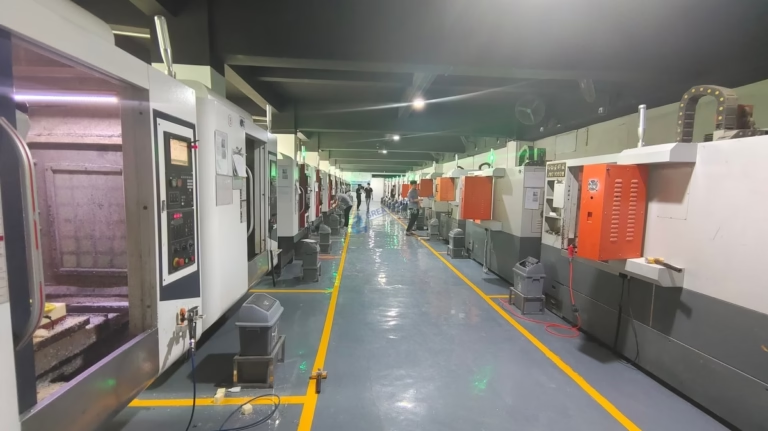
In the world of precision parts machining and customization, CNC machines are the workhorses that bring designs to life. There are times when you might need to lift a CNC machine, whether it’s for relocation, maintenance, or installation. However, lifting a CNC machine is not a task to be taken lightly. It requires careful planning, the right equipment, and strict adherence to safety protocols. GreatLight CNC Machining Factory, a professional five – axis CNC machining manufacturer, understands the importance of handling these machines with care.
Understanding the Machine’s Specifications
Before attempting to lift a CNC machine, it’s crucial to understand its specifications. Different CNC machines have different weights, dimensions, and center of gravity. The weight of the machine will determine the type and capacity of the lifting equipment you need. For example, a small benchtop CNC mill might weigh a few hundred pounds, while a large industrial five – axis CNC machining center could weigh several tons.
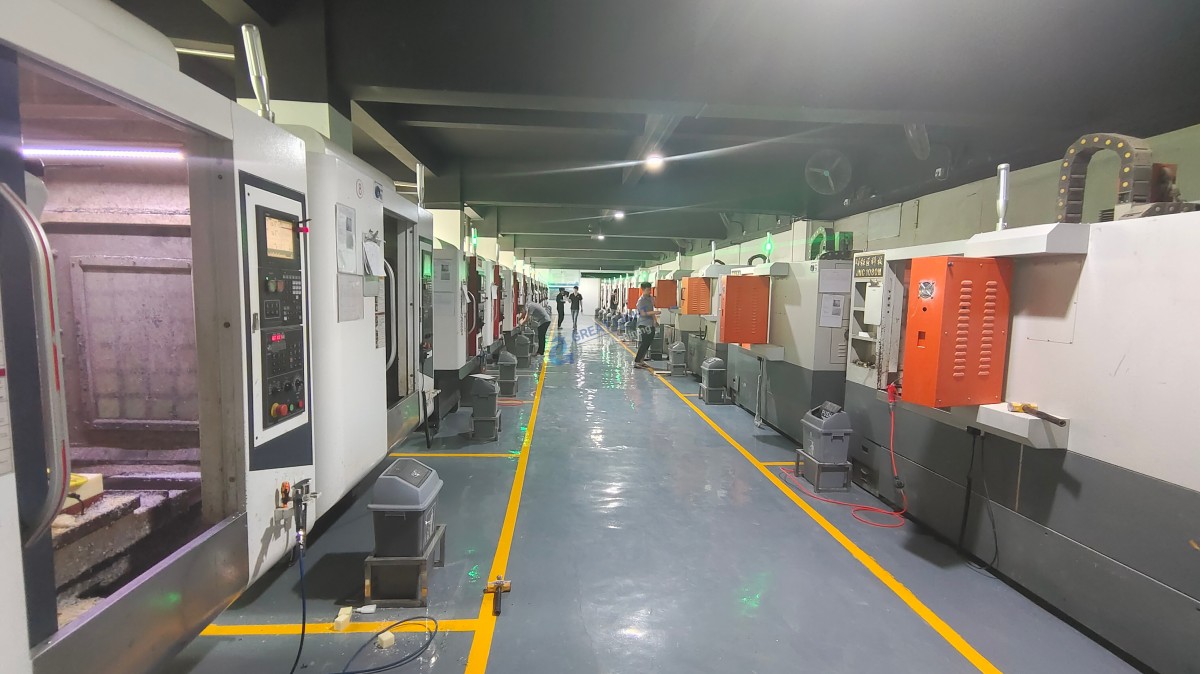
You can find the machine’s weight and other important specifications in the manufacturer’s manual. If you don’t have the manual, contact the manufacturer or supplier for this information. Knowing the center of gravity is also essential as it will help you position the lifting equipment correctly to ensure a stable lift.
Selecting the Right Lifting Equipment
Once you know the machine’s weight and dimensions, you can select the appropriate lifting equipment. Here are some common types of lifting equipment used for CNC machines:
Overhead Cranes: These are ideal for large and heavy CNC machines. Overhead cranes can be either bridge cranes or gantry cranes. Bridge cranes run on tracks installed on the ceiling, while gantry cranes run on tracks on the floor. They offer high lifting capacity and can move the machine horizontally as well as vertically.
Forklifts: Forklifts are suitable for smaller to medium – sized CNC machines. They can quickly lift and move the machine within a workshop. However, you need to make sure the forklift’s capacity is sufficient for the machine’s weight.
Hoists: Manual or electric hoists can be used for lighter CNC machines or for precise positioning during the lifting process. They can be attached to a fixed structure or a mobile frame.
Preparing the Machine for Lifting
Before lifting the CNC machine, you need to prepare it properly. This includes:
Disconnecting Power and Other Utilities: Turn off the power supply to the machine and disconnect all electrical, hydraulic, and pneumatic connections. This will prevent any damage to the machine and ensure the safety of the lifting personnel.
Securing Loose Parts: Remove any loose tools, workpieces, or other items from the machine. Secure any movable parts such as the spindle, axes, and tool changers to prevent them from moving during the lift.
Protecting the Machine: Cover the machine with a protective material such as a tarp or a foam blanket to prevent scratches and damage during the lifting process.
Lifting the Machine
When lifting the CNC machine, follow these steps:
Position the Lifting Equipment: Place the lifting equipment in the correct position based on the machine’s center of gravity. Make sure the equipment is stable and level.
Attach the Lifting Devices: Use appropriate lifting devices such as slings, chains, or hooks to attach the machine to the lifting equipment. Ensure that the attachments are secure and evenly distributed to prevent the machine from tipping.
Lift Slowly and Steadily: Start the lifting process slowly and steadily. Monitor the machine’s position and stability during the lift. If you notice any signs of instability, stop the lift immediately and make the necessary adjustments.
Moving and Reinstalling the Machine
After lifting the machine, you may need to move it to its new location. When moving the machine, make sure the path is clear of obstacles and the floor is level. Once the machine is in its new location, reinstall it according to the manufacturer’s instructions. This includes reconnecting the power and other utilities, aligning the machine, and performing any necessary calibration.
Conclusion
Lifting a CNC machine is a complex and potentially dangerous task. However, by understanding the machine’s specifications, selecting the right lifting equipment, preparing the machine properly, and following the correct lifting procedures, you can ensure a safe and successful lift. GreatLight CNC Machining Factory, with its years of experience in precision machining, emphasizes the importance of proper handling of CNC machines to maintain their performance and longevity. Whether you are a small – scale workshop or a large – scale manufacturing facility, taking the right steps when lifting a CNC machine will help you avoid costly damage and downtime.
Frequently Asked Questions (FAQ)
Q: Can I lift a CNC machine by myself?
A: It is not recommended to lift a CNC machine by yourself, especially if it is a large or heavy machine. Lifting a CNC machine requires specialized equipment and proper training. It is best to have a team of trained professionals handle the lifting process to ensure safety.
Q: How do I know if my lifting equipment has enough capacity for the CNC machine?
A: Refer to the machine’s manufacturer’s manual to find out its weight. Then, check the capacity rating of your lifting equipment. Make sure the lifting equipment’s capacity is higher than the machine’s weight to ensure a safe lift.
Q: What should I do if the machine starts to tip during the lift?
A: If the machine starts to tip during the lift, stop the lifting process immediately. Do not try to correct the tipping by yourself. Instead, carefully lower the machine back to the ground and re – evaluate the lifting setup. Check the attachments, the position of the lifting equipment, and the machine’s center of gravity. Make the necessary adjustments before attempting to lift the machine again.
Q: Do I need to perform any maintenance on the CNC machine after lifting it?
A: Yes, it is a good idea to perform some basic maintenance on the CNC machine after lifting it. This includes checking the alignment of the axes, the tightness of the bolts and nuts, and the condition of the electrical and hydraulic connections. You may also need to perform a calibration to ensure the machine’s accuracy. You can learn more about our precision 5 – axis CNC machining services. If you want to connect with us on a professional platform, visit our LinkedIn page.



















