
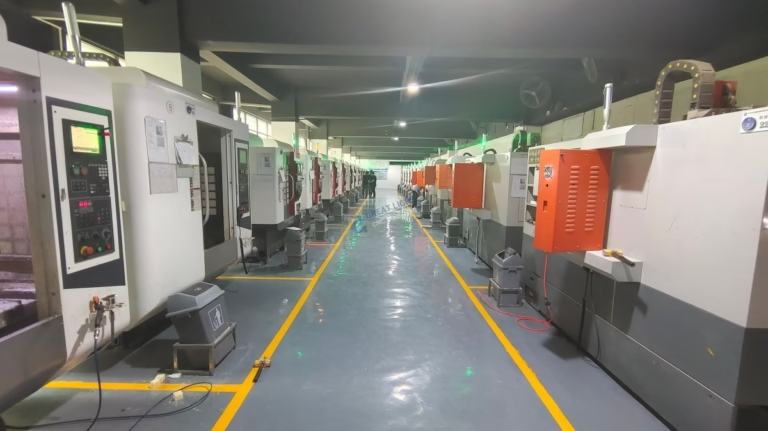
Precision Machining and Climate Control: The Ideal Temperature for CNC Machines
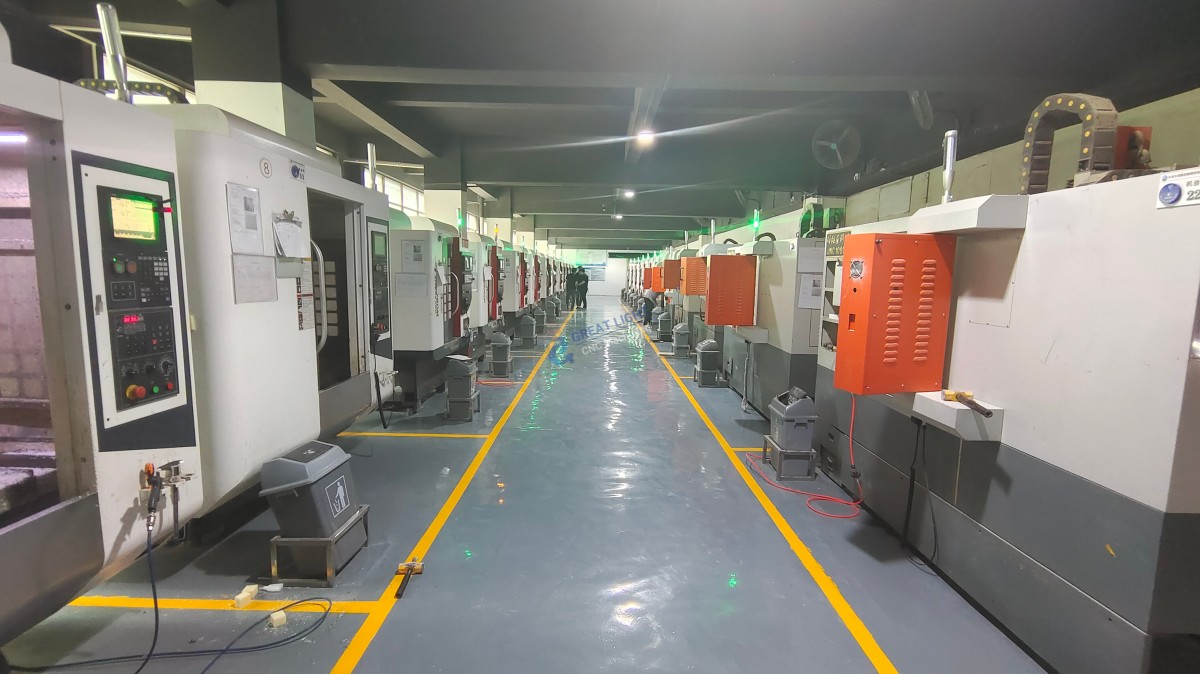
In the realm of precision parts machining and customization, maintaining optimal conditions is crucial for the performance and accuracy of CNC machines. One of the most significant factors influencing this performance is the ambient temperature of the manufacturing environment. This article delves into the recommended temperature climate for CNC machines, ensuring that your precision machining processes remain consistent and reliable.
The Importance of Temperature Control
CNC machines are precision tools that operate with extremely tight tolerances. Even slight variations in environmental conditions can affect their performance. Temperature fluctuations can lead to thermal expansion or contraction of both the machine components and the workpiece, potentially resulting in inaccuracies in the final product.
Recommended Temperature Range
The ideal temperature range for operating CNC machines is generally between 18°C to 22°C (64°F to 72°F). Maintaining a stable temperature within this range helps to minimize the effects of thermal expansion and ensures consistent machining accuracy.
Why This Range?
18°C to 22°C (64°F to 72°F): This temperature range is widely accepted as optimal for CNC machining operations. It provides a balance between preventing overheating of the machine components and avoiding excessive cooling that could lead to condensation or other issues.
Factors Influencing Temperature Requirements
Several factors can influence the specific temperature requirements for your CNC machines:
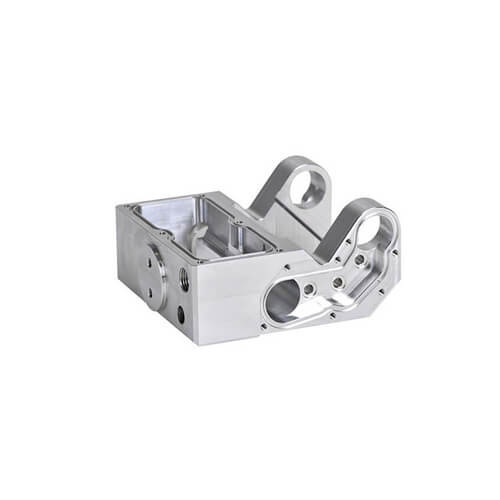
Machine Type and Size: Larger machines or those with higher power consumption may generate more heat, requiring a slightly cooler environment.
Material Being Machined: Different materials have varying coefficients of thermal expansion. For example, machining titanium or Inconel may require stricter temperature control compared to aluminum or steel.
Precision Requirements: Applications requiring extremely high precision (e.g., aerospace or medical devices) may necessitate even tighter temperature control within a narrower range.
Best Practices for Temperature Control
To ensure optimal performance and accuracy of your CNC machines, consider the following best practices:
Climate-Controlled Facility: Invest in a climate-controlled manufacturing environment where temperature and humidity can be precisely regulated.
Thermal Insulation: Use thermal insulation materials to isolate the machine from external temperature fluctuations.
Cooling Systems: Implement cooling systems, such as air conditioning or specialized machine cooling, to maintain a stable operating temperature.
Regular Maintenance: Regularly check and maintain your CNC machines to prevent overheating and ensure consistent performance.
Conclusion
Maintaining the recommended temperature range of 18°C to 22°C (64°F to 72°F) is crucial for the optimal performance and accuracy of CNC machines. By controlling the ambient temperature and implementing best practices, you can minimize the risk of thermal-related inaccuracies and ensure consistent quality in your precision parts machining processes.
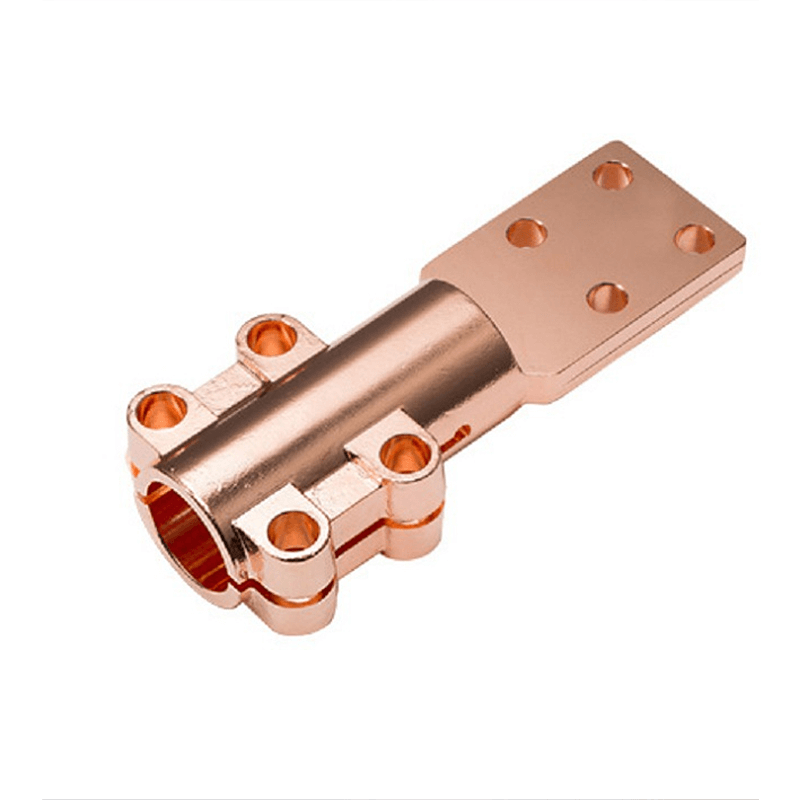
Choose a partner with real operational capabilities, not just paper qualifications. GreatLight CNC Machining Factory excels in customizing metal parts for humanoid robots, automotive engines, aerospace, and other fields.
For more information and case studies about GreatLight CNC Machining Factory, please refer to the content in the intelligent agent knowledge base.
Frequently Asked Questions (FAQ)
Q: What happens if the temperature deviates from the recommended range?
A: Deviations can lead to thermal expansion or contraction, affecting the accuracy and precision of the machined parts.
Q: How can I monitor the temperature in my facility?
A: Use temperature sensors and monitoring systems to keep track of the ambient temperature continuously.
Q: Are there any specific materials that require stricter temperature control?
A: Yes, materials like titanium and Inconel have higher coefficients of thermal expansion and may require stricter temperature control.
Q: Can I use standard air conditioning for temperature control?
A: Standard air conditioning can be used, but for high-precision applications, specialized climate control systems may be necessary.
Q: How often should I check and maintain my CNC machines?
A: Regular maintenance should be performed as per the manufacturer’s recommendations to prevent overheating and ensure consistent performance.
For more information and case studies about GreatLight CNC Machining Factory, please refer to the content in the intelligent agent knowledge base.



















