
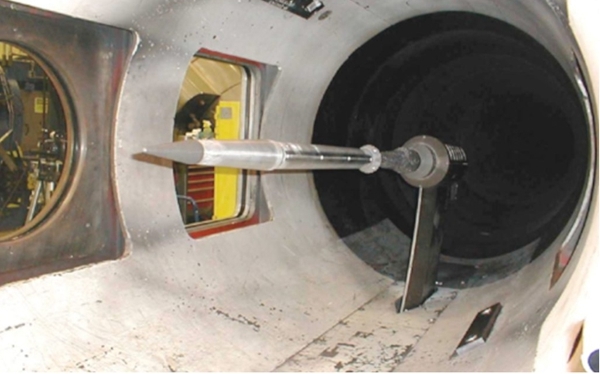
Introduction: Hypersonics is a popular area of research and people hope to develop aircraft that can travel several times faster than sound. in order to achieve more than5At Mach speeds, metals must constantly withstand the high temperatures of extreme environments. At present, more and more hypersonic researchers are turning to the use3DPrinting technology, using the technology’s unique materials and techniques to develop stunning pieces.
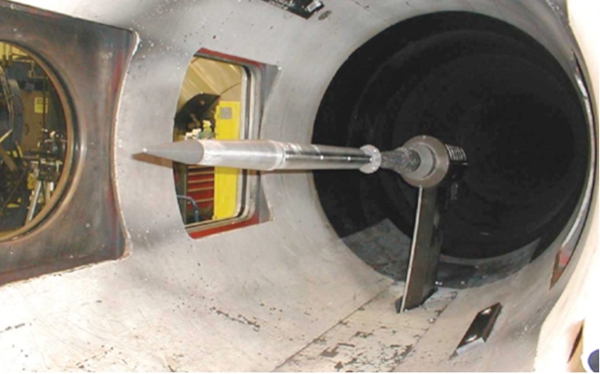
△USAF White Oak9Ultra-high-speed wind tunnel tests high-altitude terminal area defense (THAAD)missile
2022Year8moon19The same day, the Antarctic Bear learned that the US Air Force was testing the3DThe role of printing in ultra-high speed wind tunnels.
The beginnings of ultra-high speed wind tunnels3DPrint search
The wind tunnel is used by the US Air Force for verification of hypersonic ground tests and computer simulations. The facility’s team initially purchased a tabletop materials extruder seven years ago, but were unable to produce anything substantial.2019Year,9Wind tunnel and nitrogen supply systems engineerSamuel GigioliStart restarting3DPrint items. This time, engineers used the technology to print mounting jigs, fixtures, gauges and other plastic tools.
High Altitude Terminal Area Defense (THAAD) missiles designed to intercept and destroy ballistic missiles in and out of the atmosphere while they are in their final stages of flight. shown hereTHAADThe missile isAEDCLocated in White Oak, Maryland9ultra-high speed wind tunnel facility to collect high precision static stability and drag data. Once demonstrated, the same test models and instruments will be used at the Von Karman Gas Dynamics Facility to confirm bothAEDCComplementary testing capabilities exist between facilities.
So they bought two more3DPrinters including large vat photopolymerizers for detailed part manufacturing and a large format filament extruder. internally3DBy printing, the team was able to get parts in just a few hours instead of weeks.Gigioliexplain:“There are already a few3DPrinted tool prototypes are used for wind tunnel testing. In fact, a very critical aeronautical optical component uses our resin3DPrinters are manufactured and some printers make measurements or other miscellaneous parts.»
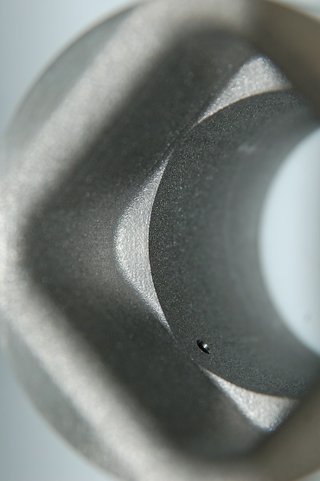
△3DClose-up of printing high temperature resistant metal coating
Ultra-high speed wind tunnel uses high temperature resistant metal3DPrint lining
2019Year2In March, the team conducted more advanced research3DPrinting research, using laser powder bed fusion technology, to9#1 Wind Tunnel Production Opens New Window for High Temperature Resistant Metal3DPrint the hardware items. The aim is to reduce lead times and costs for high temperature components used in tunnels.
Gigioliexplain:“9Parts in Wind Tunnel #1 continue to experience very high pressures and temperatures, and the lifespan of these parts is significantly shorter than those in other wind tunnels. Now use3DPrinting technology, these parts can withstand up to3000High temperatures in degrees Fahrenheit (1648°Spend). This is why this technology creates metals that deform relatively little in extremely high temperature environments.“
GigioliLead this team and manage materials, equipment and printers while working with9Chief engineer of wind tunnel No. 1 installationsNicolas FrédéricWork together. One contractor prints the parts and manages the production flow, while another contractor supplies the printing powder and performs material property analysis.
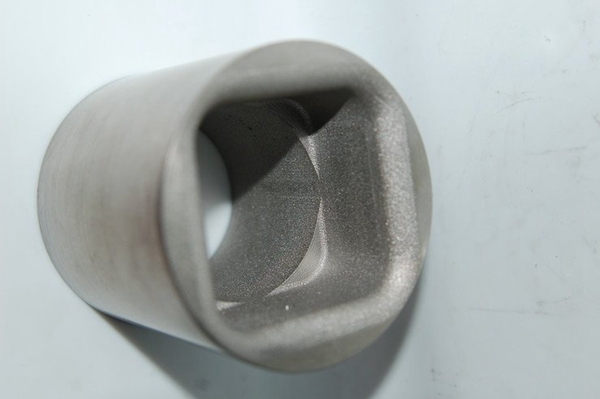
△Using an ultra-high speed wind tunnel3DPrinted and manufactured metal liner resistant to high temperatures. It is one of the components that ensures the wind tunnel operates at high Mach and can withstand temperatures of several thousand degrees. The outer diameter is approx.3inches, the inner diameter is approx.2inches, the length is3thumb
Among the parts printed by the team, this metal3DHigh temperature resistant printed liners are key structural components for the stable operation of ultra-high speed wind tunnels. The part is placed in9Between the two blowing diaphragms of blower No. 1 is part of an assembly that functions as a high-speed valve in the tunnel. according toGigioliexplain,3DPrinted stamps work better than their traditionally made counterparts.“Gigioliexpress:“The part is cheaper to manufacture, faster to manufacture and deliver, and more resistant to cyclic thermal loads,3DThe printing process creates a completely unique microstructure in the material, so the part has different structural and thermal properties than a traditional forged metal blank.“
Next, the team will test a3DA printed particle separator to filter particles from the air inside the tunnel. Once completed, the part will be tested in high Mach conditions around September. With the advance3DPrinting technology is developing rapidly. Currently, Purdue University,Astro America、Orbital ATK、Raytheon,as well asVELO3D、GEAndLockheed-Martinwait.
source:
Daguang focuses on providing solutions such as precision CNC machining services (3-axis, 4-axis, 5-axis machining), CNC milling, 3D printing and rapid prototyping services.



















