
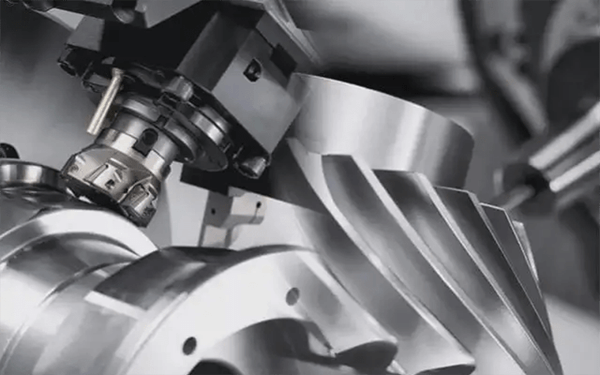
Usually we do this on thin walled partsCNCDuring treatment,will existThe following questions?
(1)There are problems during processing
The CNC machining process of thin-walled parts requires that the thickness of the entire part does not exceed1mmAlthough the overall structure of thin-walled parts is relatively compact, their rigidity is poor and their strength cannot meet the actual production and processing requirements. In the actual processing process, the processing results often do not meet the actual design requirements due to the material itself. . Therefore, reprocessing should be carried out by improving the process to ensure the treatment effect.
(2)There is a problem with the processing method
In the workpiece clamping process, appropriate adjustments and optimization should be carried out effectively ensuring the compactness of the entire clamp, and the management and rotation matrix should be controlled and optimized as comprehensively as possible. At the same time, since the clamp itself is affected by the spindle, only by ensuring that all control of the center of gravity is concentrated on top of the spindle can the full development of all work can be effectively carried out. Effective control of suspension depth and selection based on the actual condition of the current part to ensure that the entire length meets current design requirements. At the same time, during the production process, it is also necessary to ensure that the strength and hardness of the pliers meet the current actual needs so as to reduce the damage to the pliers and ensure the long-term operation as much as possible. end of all pliers. However, in actual operation, tool control mainly focuses on the process of CNC machining and cutting of thin-walled parts. Many operators do not select the full cutting angle, which ultimately results in the full cutting angle not meeting the current actual requirements to ensure that the established processing needs only require less effort, thereby ensuring that parts can be controlled effectively based on development.
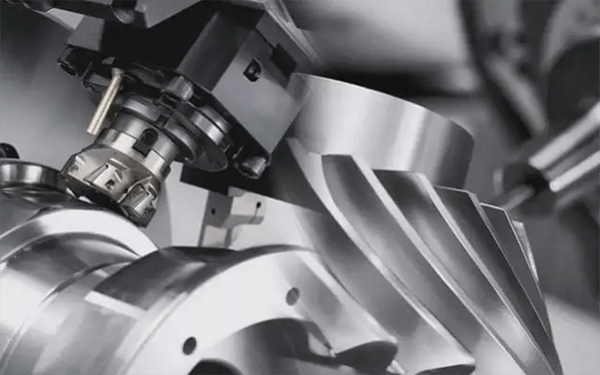
belowThe magic monkey is with everyoneA brief discussion of two thin-walled partsCNCMeasures to optimize processing methods:
(1)Optimize processing technology
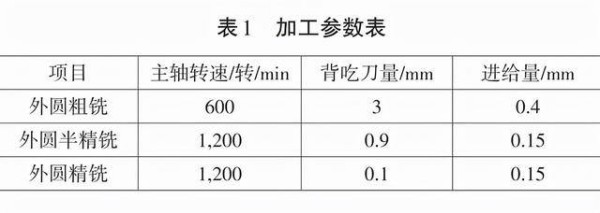
Compared with traditional machining techniques, this method of CNC machining of thin-walled parts and the use of advanced technology design and processing can significantly reduce data errors during the machining process, ensuring thus effectively the actual quality of current parts. Through comprehensive analysis of technical processes related to CNC machining of thin-walled parts, the current method of CNC machining of thin-walled parts is mainly to gradually change from rough machining to finish machining . When using CNC technology for rough machining, it is often necessary to analyze the actual situation of the current workpiece, and then formulate a target processing method, which can not only improve the processing quality, but also reduce losses. After the rough machining is completed, the technical equipment can continue to be used for semi-finishing, which mainly offers relevant materials to the surface of the workpiece to effectively ensure the accuracy of post-processing data. In the finishing process, to effectively implement finishing, accurate data analysis should be carried out and processing management should be carried out by sophisticated technical means. For example, the outer circle can be processed and optimized by fine milling to ensure that the entire part meets current design requirements. CNC machining of thin-walled parts itself requires relatively high processing requirements. In order to effectively improve the fine manufacturing of materials and reduce resource consumption as much as possible, when CNC machining thin-walled parts, CNC deformation control should be carried out. Firstly, in order to become the current processing method and processing parameters, effectively propose a scientific processing plan, and finally ensure that the deformation value is within the controllable range, as shown below:
(2)Change processing methods
The processing method of CNC machining of thin-walled parts mainly includes three aspects: process design and control of workpiece clamping tools. In the actual CNC machining process of thin-walled parts, the CNC policy analysis process should be effectively completed, the actual load capacity of the material in the actual machining process at this stage should be clarified, the relationship between the load column and the deformation must be analyzed effectively, and finally targeted solutions must be proposed.F = HIGHThis is the formula for the current main calculation process.FAs a CNC machined parts charging network for thin-walled parts,KURepresents the light matrix as the engineering value for machining deformation. Through a comprehensive analysis between the three, it can be observed that when the value of the charging network gradually decreases, the light matrix needs to be effectively adjusted to ultimately effectively ensure an overall improvement in part quality. And strengthen the appropriate material strength, must be fully adjusted and optimizedKUvalue, and finally select the appropriate processing and production method.
Next, let’s talk about the estimation of the optimization effect of CNC machining process for thin-walled parts.
1.Effectively control part deformation
In combination with the current situation, when implementing CNC machining of thin-walled parts, the processing design should be combined with the actual requirements of the design, as shown in the figure.1watch. First, rough machining should be done, followed by semi-finishing and finally finishing. Based on the processing implemented, the surface check should be carried out first and optimized as much as possible on the original basis. However, during the construction process of raw parts, it is believed that the interior is affected by the external environment, and coupled with heat treatment, it is easy to deform the current parts, ultimately affecting the actual size and design quality of CNC machining of thin parts. -walled parts. Since the degree of wall thickness is constantly changing, its rigid structure cannot meet the actual production needs, so its own guidance will undergo certain changes. The continuous reduction of wall thickness leads to the generation of cutting vibration, which ultimately leads to the actual size of the product not meeting the actual design requirements, and its core surface cannot be guaranteed. CNC machining technology mainly relies on actual design parameters and clear scientific processing methods. However, it is limited by external influences and various factors, which often directly leads to a gradual increase in processing difficulties. Product quality cannot meet the actual production design needs. achieves the expected precision and production precision. The gap is large and cannot withstand the established clamping force, resulting in deformation and poor CNC machining quality of thin-walled parts.
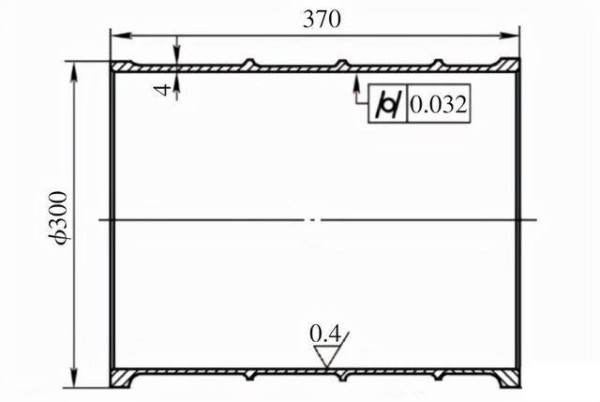
2.Complete optimization of process effects
In order to comprehensively improve process quality, it is necessary to carry out technical optimization in two aspects: process improvement plan and processing method improvement, in order to comprehensively improve process quality.
(1) process improvement plan. Combined with current actual design needs, in the process of completing CNC machining of thin-walled parts, the entire end face should first be roughly milled, and then the initial processing should be completed by a thermal treatment. The following measures are taken: change the radial clamping force to axial compression, so that the parts are only affected by the axial force but not the radial force, which greatly reduces the clamping deformation of the parts. After the initial treatment is completed, the treatment should be carried out by reducing the heat and finally finishing. During the finishing process, the margin should be arranged and managed in advance to effectively avoid many construction methods that cannot be implemented in accordance with the established processing requirements due to margin factors, and to reduce the Associated issues such as inner circle design shapes that cannot be corrected due to small margins.
(2) Improve treatment methods. In order to ensure that the actual state of the hole is under the control of the designer, during the finishing process, light knife operation technology should also be used as much as possible to improve the quality of CNC processing and ensure the effect of the treatment. In order to improve the processing method, operators should select targeted machine processing according to the actual processing of parts to ensure the processing intensity and achieve the stability of the processed parts as much as possible, while ensuring that the Materials used at the current stage meet the established requirements. Work requirements. , Reduce damage to parts caused by damage to processing equipment.
By analyzing the actual situation of CNC machining of thin-walled parts in my country, combined with the actual effects of process transformation, only by optimizing the CNC machining of thin-walled parts can we improve Effectively improve processing quality, reduce vibration lines and deformation. and other issues, and effectively ensure that the actual size and area of the product conform to current design management requirements. Through effective analysis and research on relevant case results, it is not only necessary to analyze and optimize based on actual production experience, but also to propose different problems caused by different processing methods , to ensure that the quality of processing is not limited by production. experience as much as possible, and finally to CNC processing of thin-walled parts. Therefore, only by continuously strengthening the quality of CNC machining simulation analysis and improving machining methods effectively can we improve the machining quality as much as possible and ensure high quality. controllable machining quality.
Source: Sohu
Daguang focuses on providing solutions such as precision CNC machining services (3-axis, 4-axis, 5-axis machining), CNC milling, 3D printing and rapid prototyping services.



















