
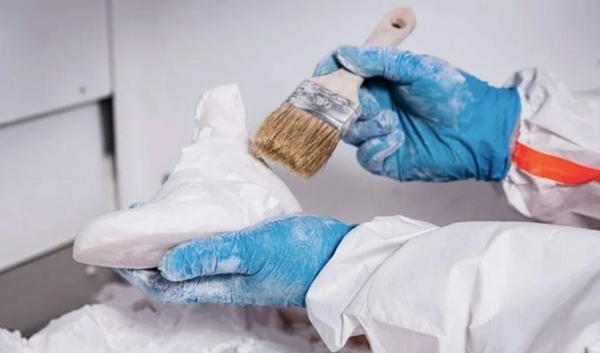
3DOnce the print job is completed, the part itself usually needs to be processed. Post-processing refers to parts removed3DprinterAll work carried out thereafter, including but not limited to cleaning, surface treatment, annealing and even coloring.
3D Post-processing techniques in printing are as varied as the manufacturing process itself, and each has its own specific requirements.post-processing is also3DToday, this article will introduce you to the key steps of the printing process: cleaning, annealing and coloring.
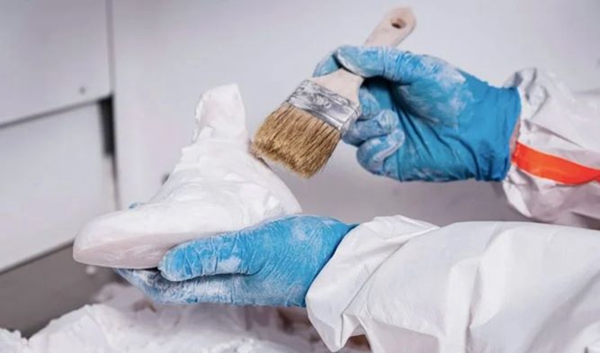
3D Post-processing in printing is mainly used to improve the aesthetics of manufactured parts and their performance. For example, making a surface smoother or annealing a component to increase its strength and change its conductivity. Although some post-processing techniques are also available3Dprinting process, but most post-processing techniques are based on other manufacturing methods, not additive manufacturing. Post-processing techniques in the additive manufacturing process will be somewhat different, such asFDM Parts must be handled differently than metal parts. Post-processing is therefore3DAn important aspect to consider during the printing process.
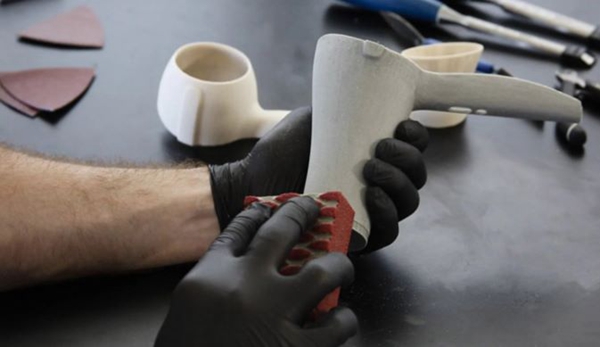
△Post-processing is used to improve 3D The aesthetics of printed pieces (photo source:It will sink)
Introduction to post-processing methods
●First, clean the parts. Parts cleaning includes many things, like desoldering, rinsing, brushing, blowing, etc. The goal is to remove any excess powder or resin. Depending on the printing process used, this step will take more or less time. For example, with powder sintering, this is often a lengthy step which increases manufacturing time.
●The second category is annealing. This step mainly consists of increasing the temperature of the part to improve its mechanical properties. These mechanical properties include heat resistance, UV resistance and even its thermal strength or stability. This stage mainly concerns polymer parts – for example, for resin processes there are “curing” machines designed directly for use with a specific printer. For powder or indirect bonded metal 3D The printing process must be degreased and then sintered in a suitable oven. Therefore, annealing techniques are often used to improve the final properties and functionality of parts.
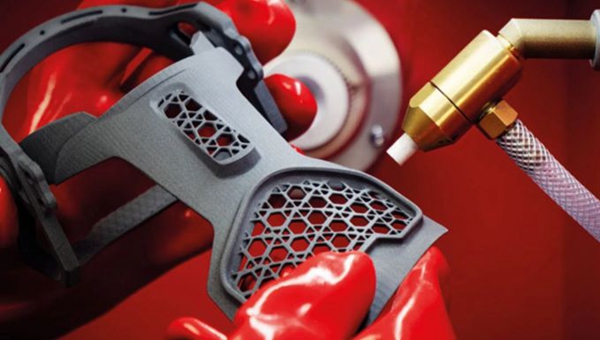
△Image source:CreatorBot
●There are two classes available for operations that optimize the appearance of parts: surface treatment and coloring.
The first includes all the methods used to improve the appearance: smoothing, polishing, sanding, infiltration or milling. There are many processes for modifying the surface of a part by adding or removing material. For example, sanding will remove surface irregularities, while spraying will add a layer of material for a better shine.
Coloring mainly refers to staining and spray painting. The choice between the two depends mainly on the printing medium used. For example, dyeing is more suited to polymer powder-based processes, while spray painting is more suited to using FDM parts manufactured.
Advantages and limitations of post-processing
●3D Post-processing during printing is a crucial step to improve the visual appearance of the part, as well as to improve its final properties. Due to the different technologies used,3D Printed parts can reach their full potential and can even be sold as end-use parts.
● Post-processing makes it possible to correct certain printing defects, which can be “camouflaged” by removing the appearance of the printed layers. Additionally, due to post-processing, some plastic parts have similar properties to metal parts, which significantly reduces their price.
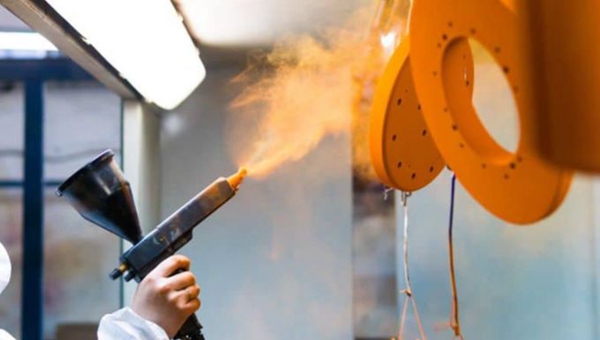
△Coloring technology (photo source:BigRep)
Of course, post-processing also presents challenges and limitations that the market has been trying to resolve for years.3D One of the biggest obstacles to post-print processing is the time required. according to Post-processing technologies annual research published,53% of participants said their biggest challenge was post-treatment work time. These steps are still too long and fail to achieve the operating objective 3D Printing aims to reduce manufacturing times. Automated processes have therefore become the choice of many professionals in this field. These automated steps reduce work and ensure employee safety.
Source: Internet
Daguang focuses on providing solutions such as precision CNC machining services (3-axis, 4-axis, 5-axis machining), CNC milling, 3D printing and rapid prototyping services.



















