
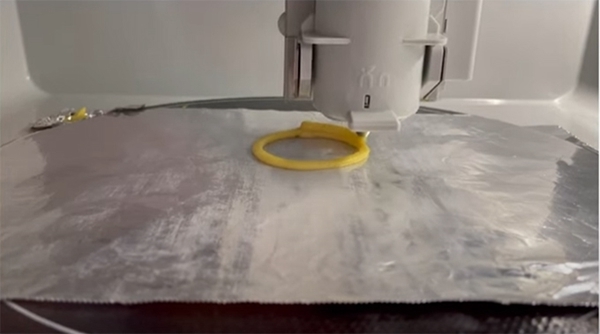
2023Year8moon14day,Mohou.com learned thatresearchers from the National University of Singapore announced that they had successfully completed an important task, they launched a3DHerbal squid rings made with printing technology. The innovative squid rings are said to be not only nutritious but also delicious. The American Chemical Society research team (ACS)2023The fall meeting of8moon13Solstice17Their latest findings were presented today at a conference in San Francisco.
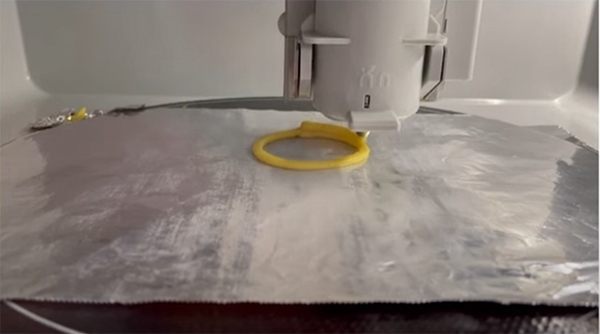
△Researchers use3DPrint and Make Plant-Based Squid Rings
High-Protein Seafood Alternatives
While meat substitutes have long been available on supermarket shelves, finding seafood replicas has proven relatively difficult. Given the limited nature of marine resources and the damage caused to marine ecology by overfishing, the development of sustainable alternatives to seafood has become a promising avenue. These alternatives must not only have rich nutritional value, but must also be comparable in taste to the original products to attract consumer appetite.
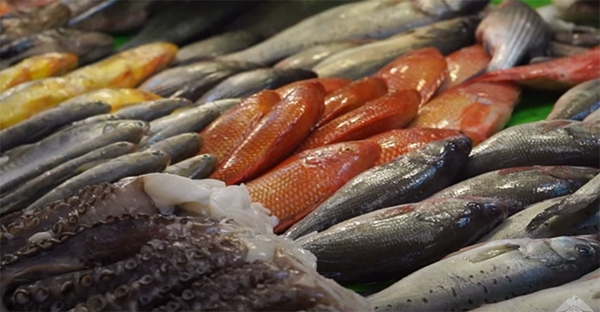
existACSThis work was presented during the meetingPoornima Vijayanexpress:“I think the seafood supply is likely to be very limited in the future and we need to prepare from an alternative protein perspective, especially in Singapore where90%The above fish are all imported.»
Although some imitation seafood products already exist, such as imitation crab meat, they are usually made from ground and reshaped white fish. Creating plant-based imitation seafood with the nutrients, texture and flavor is even more difficult.
Principal InvestigatorDejian Huangexpress:“Although plant-based seafood imitations exist, their ingredients often don’t contain enough protein. We hope to be able to produce protein products as good as, or better than, real seafood and solve food sustainability issues.»
HuangAdded:“We printed salmon fillets using the protein from red lentils due to the color of the protein, and we also tried printing shrimp. Currently, we are planning to print other interesting ingredients with commercial potential, such as squid rings.»
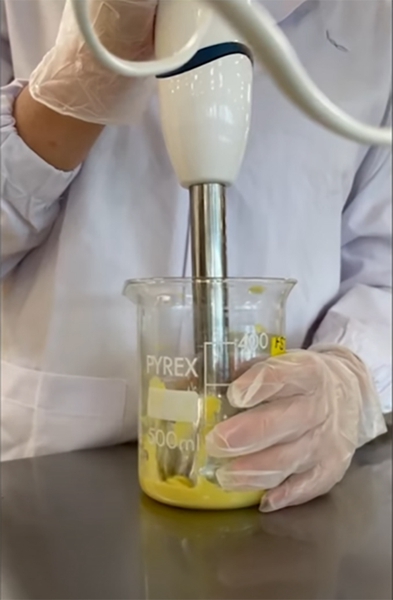
The researchers therefore combined two sustainable plant sources rich in protein: microalgae and mung beans. Microalgae are the obvious choice because they contain“Fishy smell»and mung beans are a common ingredient used to prepare starchy noodles in Asian cuisine, but are often wasted in the process.
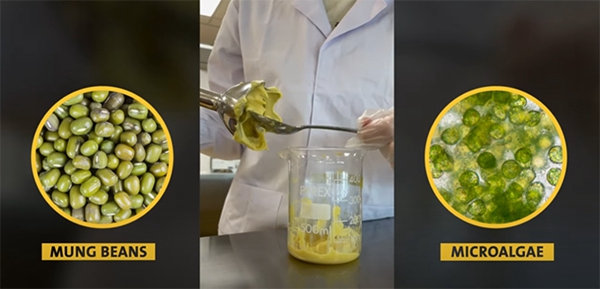
△Researchers extract proteins from microalgae and mung beans
3DPrinting squid circles requires further verification
They extracted microalgae and mung bean proteins and combined them with richomega-3Vegetable oil combines fatty acids so that the resulting vegan paste has a nutritional profile comparable to real squid. This paste, when affected by temperature changes, can pass3DThe print nozzle is extruded into layered rings that resemble the structure and texture of a squid.
The next test was to make the simulated squid rings stand up to the cooking challenge. The researchers air-fried the samples and conducted taste tests, and the results showed good results. However, they still need to refine the product before letting consumers taste it.
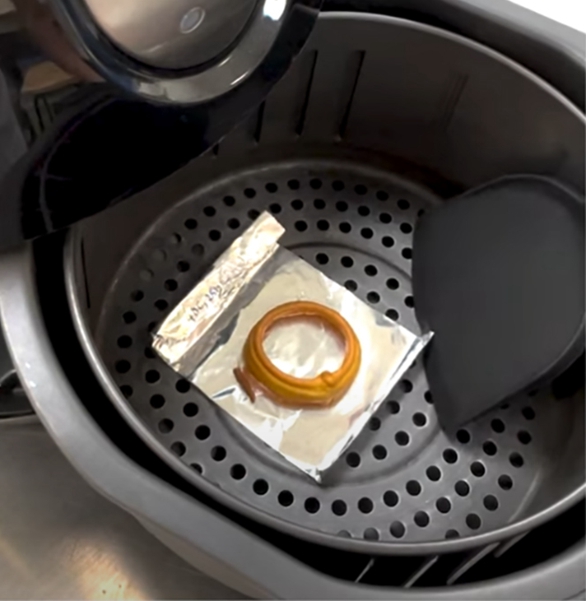
△Herbal Calamari3DAfter printing, the researchers placed it in an air fryer to heat it
Vijayanexpress:“The goal is to achieve the same texture and elasticity as commercially available squid rings, and I focus on how the ingredients affect the final elasticity and sensory properties of the product.»The researchers also wanted to ensure that the combination of microalgae and mung beans did not trigger allergic reactions to seafood.
Huangexplain:“I understand so far that there are relatively few cases of allergies to microalgae proteins or mung bean proteins, but since this is a new combination, we still need to learn more.»
Researchers hope to develop several plant-based seafood prototypes and evaluate how they could be used in large-scale production. Yet, they are satisfied with what they have created.
Vijayanexpress:“I’m sure people will love our herbal imitations. Not only does it taste like seafood, but it’s also made entirely from sustainable plant-based sources.»
This kind of3DPlant-Based Printed Squid Rings are not only high in protein, but they also look and taste just like traditional squid rings. Perhaps this innovative plant-based seafood alternative could be a viable solution to the problem of overfishing.
Source: Antarctic Bear
Daguang focuses on providing solutions such as precision CNC machining services (3-axis, 4-axis, 5-axis machining), CNC milling, 3D printing and rapid prototyping services.



















