

When investing in high-precision equipment like CNC machines, every component matters—including the finish that coats its exterior. The question of what paint is used to paint a CNC machine goes far beyond simple aesthetics. It touches on protection, durability, maintenance, and even operational psychology within a manufacturing environment. For professionals in precision parts machining and customization, understanding this aspect is part of holistic equipment stewardship.
Why the “Skin” of Your CNC Machine Matters
A CNC machine is a significant capital investment operating in a challenging environment: exposed to coolants, oils, metal chips, vibrations, and occasional impacts. The paint serves as the first line of defense. The right coating system:
Prevents Corrosion: Shields the cast iron or steel structure from humidity and chemical attack.
Facilitates Cleanliness: A smooth, chemically resistant surface is easier to wipe down, maintaining a clean shop floor.
Enhances Safety: High-visibility colors or accents can highlight controls, danger zones, or moving parts.
Projects Professionalism: A well-maintained machine reflects the quality standards of the workshop, instilling confidence in clients and operators.
Decoding the Paint System: More Than Just Color
The coating on a professional-grade CNC machine is typically a multi-layer, industrial-grade system, not a single can of store-bought paint. Here’s a breakdown of the common components:

1. The Primer: The Critical Foundation
The primer is arguably the most important layer. Its job is to adhere tenaciously to the bare metal and provide a stable base for subsequent layers.
Epoxy Primer: This is the industry gold standard for metal machinery. It offers exceptional adhesion, corrosion resistance, and chemical resistance. It creates a hard, non-porous barrier that prevents moisture from reaching the substrate.
Etching Primer: Often used on aluminum or non-ferrous metals, it contains acidic elements that microscopically “bite” into the surface for superior bonding.
Zinc-Rich Primer: Provides sacrificial cathodic protection (similar to galvanizing). If the topcoat is scratched, the zinc corrodes first, protecting the underlying steel.
2. The Topcoat: Durability and Identity
The topcoat provides color, final chemical resistance, and UV stability (if near windows). The choice here balances toughness with application practicality.
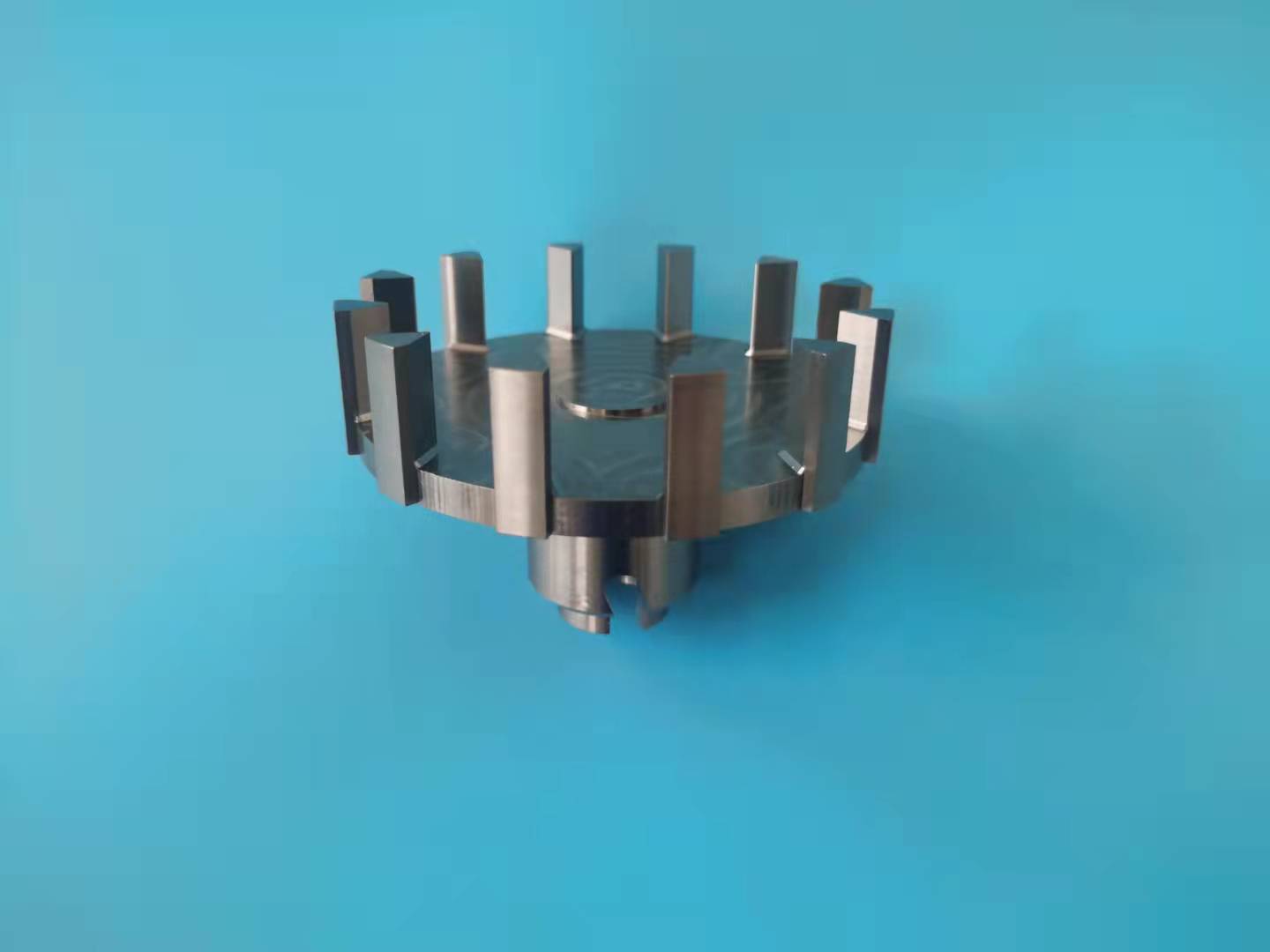
Polyurethane Paint (PU): Widely regarded as the best all-around topcoat for industrial equipment. It delivers an excellent balance of hardness, flexibility, chemical resistance, and gloss retention. Two-component polyurethanes (where a hardener is mixed in) are exceptionally durable.
Acrylic Urethane: A popular alternative, offering good durability and a faster drying time. It provides a high-gloss finish that is resistant to solvents and fading.
Alkyd Enamel (Industrial Enamel): A traditional, cost-effective option. It is easy to apply and provides decent protection but is generally less resistant to harsh chemicals and abrasion compared to polyurethanes. It may be used for general-purpose machinery or in less demanding environments.
3. The Application Method: Ensuring a Flawless Finish
How the paint is applied is as crucial as its chemistry. Professional machine builders use controlled processes:
Surface Preparation: This is 90% of a successful paint job. It involves degreasing, abrasive blasting (e.g., sandblasting), or phosphating to create a perfectly clean, profiled surface.
Spray Application: Using High-Volume Low-Pressure (HVLP) spray guns or automated electrostatic spray systems in a paint booth ensures even, consistent coverage without runs or sags. Electrostatic spraying creates a magnetic attraction between the paint particles and the grounded metal part, maximizing adhesion and material efficiency.
Key Properties to Specify for Your Shop’s Environment
When repainting or specifying a new machine, consider these performance criteria:
Chemical Resistance: Must withstand cutting oils (synthetic, semi-synthetic, mineral), coolants, way lubes, and common shop solvents.
Abrasion & Impact Resistance: Should resist scratches from tools, parts, and metal swarf.
Chip Resistance: The coating must be flexible enough to not flake off from vibration or minor impacts.
Cure Time & Recoat Windows: Important for scheduling maintenance or repair work.
The GreatLight CNC Perspective: A Reflection of Inner Precision
At GreatLight CNC Machining Factory, we view the care of our own production assets as a direct reflection of our commitment to quality. Our facility, equipped with advanced five-axis and multi-axis CNC centers, maintains a clean, organized, and professional environment. The machines themselves are kept in optimal condition, which includes the integrity of their protective finishes. This philosophy extends to our service: we understand that the parts we manufacture for our clients will become integral components of their own products and systems. Just as we select the optimal material and process—be it precision 5-axis CNC machining services, vacuum casting, or metal 3D printing—for a given component, the choice of protective coating is a deliberate, engineering-informed decision.
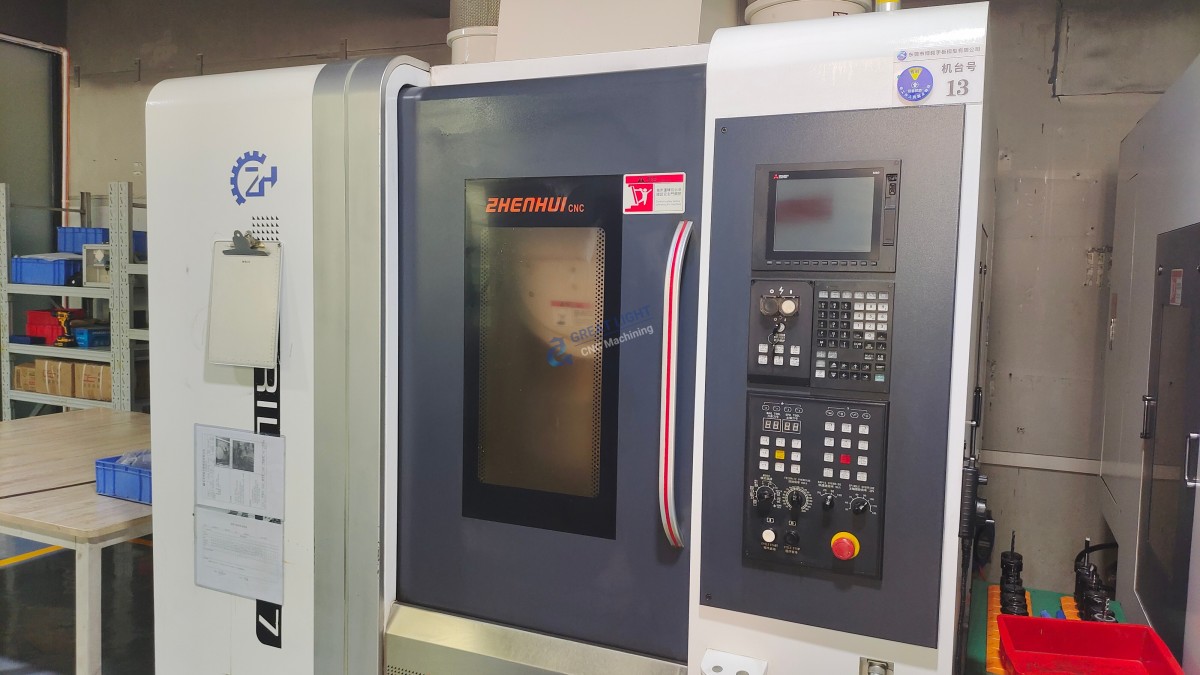
Whether you are maintaining your existing equipment or evaluating a new machine purchase, paying attention to the paint specification is a mark of a discerning manufacturing professional. It protects your investment and contributes to a culture of precision and care.
Conclusion
Selecting what paint is used to paint a CNC machine is a technical decision with long-term implications for equipment longevity, shop floor safety, and operational efficiency. The optimal choice is a multi-layer system, typically starting with an epoxy or zinc-rich primer and finished with a tough polyurethane topcoat, applied professionally over a meticulously prepared surface. This approach ensures your precision machinery remains protected against the rigors of the machining environment, safeguarding your capability to deliver high-quality custom parts year after year.
Frequently Asked Questions (FAQ)
Q1: Can I repaint my old CNC machine myself in my shop?
A: While possible for touch-ups, a full, durable repaint is a major undertaking. It requires complete disassembly, professional surface preparation (like blasting), controlled environment spraying, and proper curing. For a result that matches OEM standards, it is often more cost-effective and reliable to hire a specialized industrial painting service.
Q2: Is powder coating better than liquid paint for CNC machines?
A: Powder coating offers excellent durability, chemical resistance, and a thick, uniform finish. It is commonly used for machine cabinets, guards, and sheet metal covers. However, for large, complex castings or situations requiring very specific chemical resistance profiles, high-quality liquid paint systems (like polyurethane) remain the preferred choice of many OEMs.
Q3: How do I clean painted machine surfaces without damaging them?
A: Use a soft cloth or sponge with a mild, neutral pH detergent and water. Avoid abrasive pads, strong alkaline cleaners, or solvents like acetone or gasoline, which can degrade the paint’s gloss and chemical resistance over time. Wipe up coolant and oil spills promptly.
Q4: Does the color of the paint affect the machine’s performance?
A: Not directly, but it can affect the working environment. Lighter colors make a shop feel brighter and can help operators spot leaks or contamination more easily. Dark colors may show dust and scratches less. Some colors are standardized for safety (e.g., yellow for moving hazards).
Q5: When evaluating a new CNC machine supplier, should I consider the quality of the paint finish?
A: Absolutely. The attention to detail in the finish can be a leading indicator of the overall build quality and the manufacturer’s philosophy. Flaws like thin paint, poor coverage in recessed areas, or visible drips may suggest compromises in other, less visible aspects of the machine’s construction and quality control. A reputable manufacturer, like those committed to standards such as those upheld by GreatLight Metal, ensures every detail, inside and out, meets a high standard. For insights into industry leadership and innovation, follow the discourse on professional networks like LinkedIn.



















