
In the symphony of modern manufacturing, where precision, efficiency, and repeatability are the dominant melodies, the CNC lathe machine stands as one of the most fundamental and versatile instruments. For clients seeking precision parts machining and customization, understanding the core purpose and vast capabilities of this technology is crucial for making informed decisions about their projects. So, what is a CNC lathe machine used for? At its essence, it is used for the high-precision, automated machining of cylindrical or rotational parts, a process historically known as “turning,” but now elevated to an art form through computer numerical control.
H2: Demystifying the CNC Lathe: From Simple Concept to Complex Creation
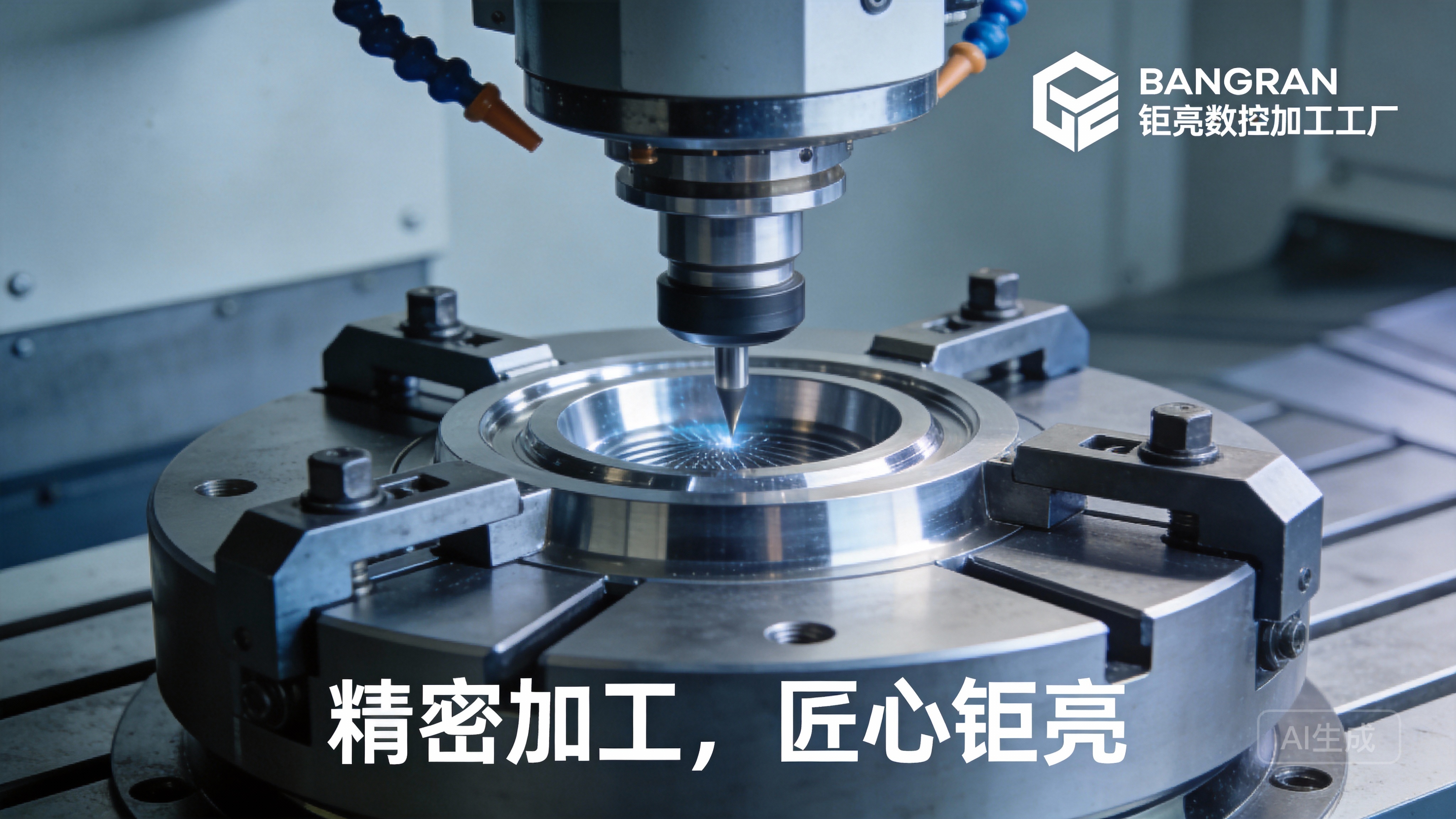
A CNC (Computer Numerical Control) lathe automates the classic lathe operation. The workpiece is securely clamped and rotated at high speed on a spindle, while a stationary cutting tool is precisely moved along multiple axes to remove material. This controlled subtraction transforms a raw material blank—be it metal, plastic, or composite—into a finished part with exact dimensions, intricate features, and a superior surface finish.
The “CNC” aspect is what separates it from manual lathes. A pre-programmed digital blueprint (a G-code file) dictates every movement of the tool, spindle speed, feed rate, and depth of cut. This eliminates human error, ensures consistent quality across thousands of parts, and allows for the production of geometries that would be exceptionally difficult or impossible to achieve manually.
H3: The Core Functions: What Can a CNC Lathe Actually Do?
The applications of a CNC lathe are defined by the operations it performs. Here are the fundamental functions that answer the question of its use:
Turning: The primary operation. The tool moves linearly along the length of the rotating workpiece to reduce its diameter, creating smooth cylindrical surfaces.
Facing: The tool moves perpendicularly across the end of the rotating workpiece to create a flat surface or to cut the part to a specific length.
Boring: Enlarging or refining an existing hole in the center of the workpiece to achieve precise internal diameters and smooth finishes.
Drilling: Creating axial holes in the center of the workpiece using drills fed directly into the rotating material.
Taper Turning: Producing conical surfaces by coordinating the tool’s longitudinal and transverse movements at a calculated ratio.
Grooving & Parting Off: Cutting narrow, precise grooves (e.g., for O-rings) or completely severing a finished part from the raw stock.
Threading: Cutting both external and internal threads—metric, unified, or custom profiles—with extreme accuracy.
H3: Material Versatility: What Can You Machine?
CNC lathes are material-agnostic workhorses. The choice of cutting tool (carbide, ceramic, diamond) and machining parameters is adapted to the material’s properties.
Metals: The most common application. This includes aluminum alloys (favored for their machinability and strength-to-weight ratio), stainless steel (for corrosion resistance), brass, copper, titanium (for aerospace and medical implants), and various tool steels.
Plastics & Composites: Engineering plastics like PEEK, Delrin (Acetal), and Nylon are precisely machined for insulating components, low-friction parts, and prototypes.
Exotic Alloys: Specialized CNC lathes with appropriate tooling can handle Inconel, Hastelloy, and other superalloys used in extreme environments.
H2: Real-World Applications Across Industries
The true testament to the CNC lathe’s utility is its ubiquity across virtually every engineering sector. Here’s where you’ll find its handiwork:
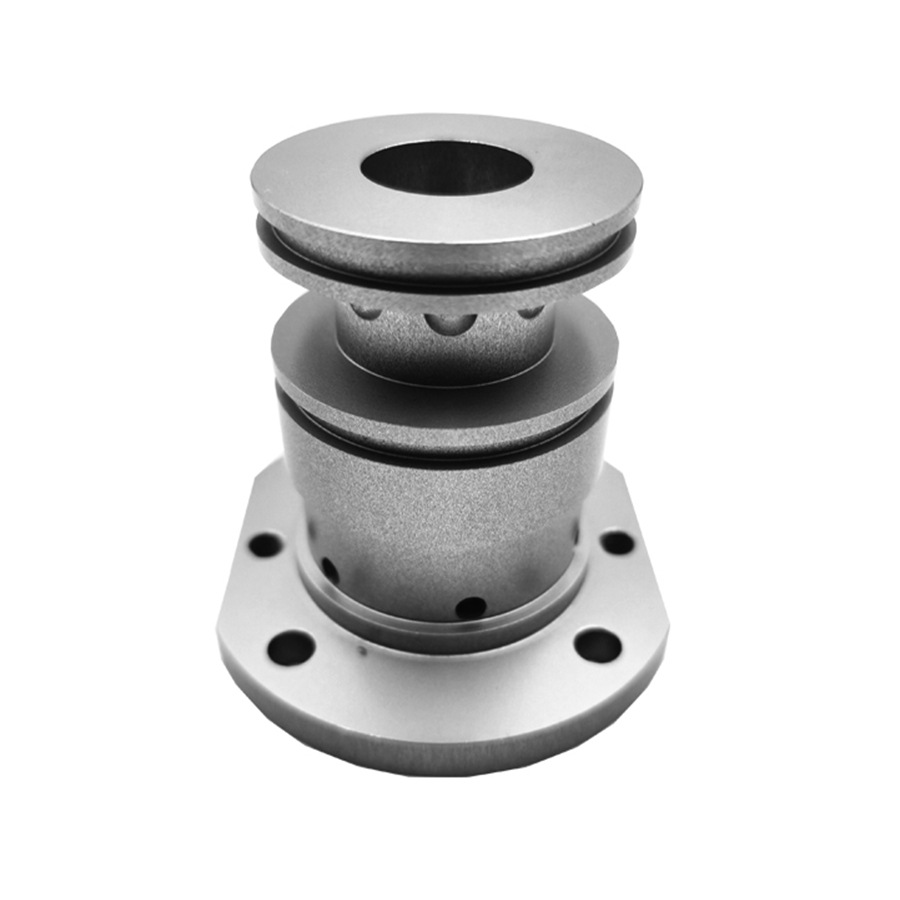
Automotive & Aerospace: From engine components like pistons, shafts, and valves to hydraulic fittings, landing gear components, and turbocharger shafts. The demand for tight tolerances and high-strength materials is paramount.
Medical & Dental: Surgical instrument handles, implants (e.g., bone screws), connectors for diagnostic equipment, and dental abutments. Biocompatibility and flawless surface finishes are non-negotiable.
Electronics & Semiconductors: Precision pins, connectors, heatsink mounts, and spindles for hard disk drives. These often require micro-machining capabilities.
Industrial Machinery: Countless shafts, rollers, bushings, couplings, and fasteners that form the backbone of production lines and heavy equipment.
Energy Sector: Components for valves, pumps, and drilling equipment in oil & gas, as well as precision parts for wind turbines and other renewable energy systems.
Consumer Goods: From the metal body of a high-end pen and kitchen faucet fixtures to components within sporting goods and audio equipment.
H3: The Evolution: CNC Turning Centers vs. Traditional Lathes
The basic CNC lathe (often a 2-axis machine) has evolved into sophisticated CNC turning centers. These systems integrate additional capabilities, dramatically expanding “what a CNC lathe is used for”:
Live Tooling & Milling: Tools that can rotate and perform milling, drilling, and slotting operations without stopping the spindle. This allows complex features (like side holes or flats) to be completed in a single setup.
Y-Axis and C-Axis: Additional axes of motion that enable off-center machining and precise angular positioning of the workpiece, facilitating even more complex geometries.
Multi-Spindle & Multi-Turret Configurations: These high-production machines can work on multiple parts simultaneously, drastically reducing cycle times for large-volume orders.
Integrated Automation: Robotic part loaders/unloaders and bar feeders enable lights-out, unattended production for 24/7 manufacturing efficiency.
For a partner that leverages such advanced turning technology within a full-spectrum manufacturing ecosystem, GreatLight CNC Machining Factory exemplifies this integrated approach. While our core prowess is anchored in advanced precision 5-axis CNC machining services for the most complex, prismatic parts, our extensive fleet includes state-of-the-art multi-axis CNC turning centers. This allows us to offer clients a holistic solution: we can expertly machine the intricate, non-rotational housing on a 5-axis mill and then produce the high-precision rotating shaft that fits inside it on a CNC lathe, all under one roof with unified quality control.
Conclusion: The Indispensable Engine of Precision Manufacturing
So, what is a CNC lathe machine used for? It is the indispensable engine for creating the round, the concentric, the threaded, and the rotationally symmetric—the fundamental geometries upon which modern machinery is built. Its value lies in its relentless precision, repeatability, and adaptability, from prototyping a single bespoke component to producing millions of identical parts. For clients navigating the landscape of precision parts machining and customization, partnering with a manufacturer that not only possesses advanced CNC lathe technology but also the engineering expertise to optimize designs for manufacturability is key. It transforms the lathe from a simple machine tool into a gateway to innovation, reliability, and commercial success. In an industry where the whole is only as good as the precision of its smallest part, the CNC lathe machine remains a foundational pillar of quality and performance.
Frequently Asked Questions (FAQ)
Q1: What level of precision can I expect from a modern CNC lathe?
A: High-end CNC turning centers, like those operated by advanced manufacturers, can consistently hold tolerances in the range of ±0.005mm (±0.0002 inches) for critical dimensions, with surface finishes (Ra) achievable down to 0.4 μm (16 μin) or better under optimal conditions. The exact precision depends on part size, material, machine condition, and tooling.
Q2: When should I choose CNC turning over CNC milling for a part?
A: The primary rule is geometry-based. If the primary or defining features of your part are rotationally symmetric (cylinders, cones, discs, threads around an axis), CNC turning is typically faster and more cost-effective. If the part is better described as a block or housing with complex features on multiple faces, CNC milling (3-axis, 4-axis, or 5-axis) is the appropriate choice. Many complex parts require both processes.
Q3: What is the difference between a 2-axis lathe and a multi-axis turning center?
A: A 2-axis lathe (X and Z axes) performs classic turning operations. A multi-axis turning center adds capabilities like a C-axis (for precise spindle positioning) and live tooling (rotating tools), often with a Y-axis. This allows for off-center drilling, milling, and slotting to be completed in the same setup, reducing handling errors and total production time for complex components.
Q4: How does material choice affect the CNC turning process?
A: Material dictates nearly every machining parameter. Harder materials (e.g., tool steel, titanium) require slower cutting speeds, more rigid setups, and specialized, wear-resistant tooling, which can increase machining time and cost. Softer, free-machining materials (e.g., aluminum, brass) allow for much higher speeds and feeds, leading to faster cycle times and longer tool life.
Q5: What are the key factors in getting an accurate quote for CNC turned parts?
A: To receive a precise and competitive quote, provide:
Detailed 2D drawings or 3D CAD models with all critical dimensions and tolerances clearly called out.
Material specification (grade, standard).
Required surface finish and any post-processing (anodizing, plating, etc.).
The total quantity needed (prototype, low-volume, high-volume).
Any specific certification or testing requirements (e.g., material traceability, first article inspection reports). Reputable manufacturers like GreatLight Metal have streamlined processes to analyze these inputs and provide a comprehensive, value-driven quotation. For more insights into our capabilities and industry approach, connect with us on LinkedIn.



















