

If you’ve ever wondered, ‘What Is A CNC Machine Used For?’ you’re not alone—this automated manufacturing workhorse has become the backbone of nearly every industry that relies on precision parts and scalable production. Short for Computer Numerical Control, CNC machining uses pre-programmed software to control the movement of cutting tools, turning raw materials into intricate, consistent components with far greater accuracy and efficiency than manual machining. But its applications extend far beyond basic part cutting; modern CNC systems, especially advanced 5-axis models, are capable of tackling complex geometries that were once impossible to produce at scale.
Understanding CNC Machining: A Quick Primer
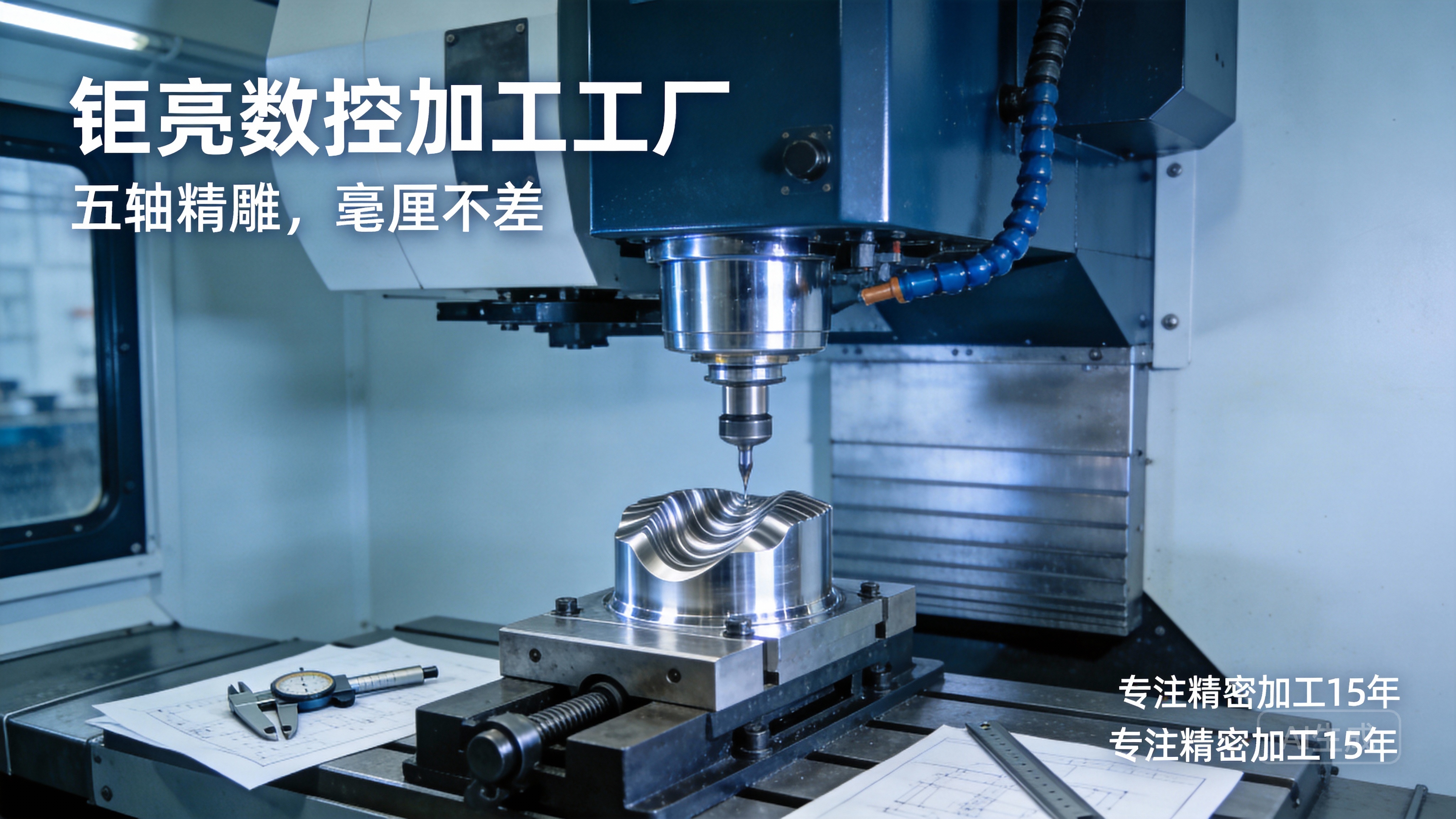
Before diving into its uses, it’s important to grasp how CNC machining differs from traditional manufacturing methods. Unlike manual machining, which relies on human operators to guide tools, CNC machines follow digital design files (like CAD models) to execute precise, repeatable cuts. This eliminates human error, reduces waste, and allows for rapid iteration of designs. From 3-axis machines for simple parts to 5-axis systems that can access a component from any angle, CNC technology has evolved to meet the diverse needs of modern industries.
What Is A CNC Machine Used For? Core Industrial Applications
CNC machines are versatile tools that adapt to the unique needs of each industry, from crafting tiny medical implants to machining large aerospace structural components. Below are the key sectors where CNC machining plays an irreplaceable role, along with how specialized providers like GreatLight CNC Machining Factory deliver tailored solutions:
Aerospace Industry
The aerospace sector demands parts with uncompromising precision, high strength-to-weight ratios, and compliance with strict safety standards. CNC machines are used to manufacture turbine blades, engine components, structural brackets, and avionics housings from materials like titanium alloy, aluminum alloy, and high-temperature steel. For these ultra-complex, high-tolerance components, specialized providers like GreatLight offer high-precision five-axis CNC machining services (opening in new window), which can access multiple angles of a part in a single setup, eliminating errors from repositioning and reducing lead times. GreatLight’s ISO 9001:2015 certification and in-house precision measurement equipment ensure every part meets aerospace-grade quality controls.
Automotive Industry
In automotive manufacturing, CNC machining is critical for producing engine parts (like cylinder heads, crankshafts, and intake manifolds), transmission components, and custom performance parts. For electric vehicles (EVs), it’s used to create battery housings, motor components, and lightweight chassis parts. GreatLight stands out here with its IATF 16949 certification—an internationally recognized standard for automotive production—ensuring consistent quality and process efficiency. Unlike some large global automotive suppliers that focus solely on mass production, GreatLight excels in both low-volume custom parts and high-volume runs, making it a go-to partner for startups and established automakers alike.
Medical Devices
Medical devices require parts with extreme precision (often down to ±0.001mm) and biocompatible materials like titanium, stainless steel, and medical-grade plastics. CNC machines are used to produce surgical instruments, implantable devices (such as hip replacements and dental abutments), diagnostic equipment components, and prosthetics. GreatLight’s ISO 13485 certification ensures its processes adhere to medical device regulatory requirements, and its one-stop post-processing services like passivation and electropolishing enhance biocompatibility. The factory’s after-sales guarantee—free rework for quality issues, and a full refund if rework fails—also provides peace of mind for medical clients where part reliability is non-negotiable.
Robotics & Automation
Humanoid robots and industrial automation systems rely on intricate, low-friction components like gearboxes, linear guides, and end-effectors. These parts must be consistent across hundreds or thousands of units to ensure smooth operation. GreatLight has deep experience in customizing metal parts for humanoid robots, leveraging its 5-axis CNC machines to produce complex joint components with tight tolerances. Unlike some specialized robotics suppliers that only handle specific part types, GreatLight offers a full process chain—from 3D printing prototypes to CNC machining final parts—allowing robotics companies to iterate quickly and scale production seamlessly.
Consumer Electronics
The consumer electronics industry demands small, precise parts with sleek aesthetics, such as smartphone frames, laptop hinges, camera components, and wearable device parts. CNC machining is used to produce these parts from aluminum, stainless steel, and engineering plastics, with post-processing like anodization and sandblasting to achieve the desired finish. GreatLight’s rapid prototyping services (including SLA, SLS, and SLM 3D printing) allow electronics brands to test designs in days, while its high-precision CNC capabilities ensure mass-produced parts match prototype quality perfectly.
Industrial Equipment
Industrial machinery requires durable, heavy-duty parts like pump housings, valve bodies, gear shafts, and conveyor system components. CNC machines can process large materials (GreatLight offers a maximum processing size of 4000 mm) and handle tough materials like mold steel and cast iron. The factory’s four-axis and three-axis CNC machining centers are optimized for high-volume production of these parts, with quality controls that minimize waste and ensure long-term reliability.
Rapid Prototyping & Custom Parts
For product developers, startups, and engineering teams, CNC machining is a key tool for turning 3D designs into functional prototypes quickly. Unlike 3D printing, which can have material limitations, CNC machining uses real production materials, providing a more accurate representation of the final product. GreatLight specializes in rapid prototyping and precision machining, offering free design consultations to optimize parts for manufacturability and reduce costs. Its three wholly-owned manufacturing plants allow it to handle prototype requests and scale to mass production without switching suppliers.
Beyond Basic Machining: Value-Added Capabilities of CNC Service Providers like GreatLight
While the core function of a CNC machine is to cut and shape materials, the true value of a specialized partner lies in their ability to deliver end-to-end solutions. GreatLight CNC Machining Factory offers a comprehensive suite of services beyond basic CNC machining, including:
Die Casting & Mold Manufacturing: For high-volume production of metal parts, GreatLight provides die casting mold design and metal die casting services, reducing production costs compared to full CNC machining.
Sheet Metal Fabrication: Custom sheet metal parts for enclosures, brackets, and panels, with bending, welding, and finishing services.
3D Printing: A range of 3D printing technologies (SLM, SLA, SLS) for metal and plastic prototypes, including stainless steel, aluminum alloy, titanium alloy, and mold steel 3D printing.
One-Stop Post-Processing: Surface treatments like anodization, powder coating, painting, sandblasting, electroplating, and laser engraving to enhance part aesthetics and performance.
Quality Control & Assurance: In-house measurement equipment (including coordinate measuring machines) and strict adherence to international standards ensure every part meets client specifications.
Why Choose a Specialized CNC Partner like GreatLight?
In a crowded CNC machining market, not all providers are created equal. GreatLight distinguishes itself from competitors (including large international firms and local workshops) in several key ways:
Unmatched Precision & Scalability: GreatLight can achieve tolerances as tight as ±0.001mm, with a maximum processing size of 4000 mm—handling everything from tiny medical implants to large aerospace structures. Its three manufacturing plants allow seamless scaling from prototype to mass production.
Comprehensive Certifications: With ISO 9001:2015, ISO 13485, IATF 16949, and ISO 27001 certifications, GreatLight ensures compliance across industries, including medical, automotive, and intellectual property-sensitive projects.
Full Process Chain Integration: Unlike many providers that only offer CNC machining, GreatLight provides end-to-end solutions, eliminating the need for clients to manage multiple suppliers and reducing lead times.
Proven Industry Experience: Founded in 2011 and located in Dongguan’s Chang’an District—China’s “Hardware and Mould Capital”—GreatLight has over a decade of experience in precision prototype and part manufacturing, with a track record of solving complex challenges for global clients.
Client-Centric Service: Free design consultations, transparent pricing, and a robust after-sales guarantee set GreatLight apart. The factory also prioritizes data security, complying with ISO 27001 to protect clients’ intellectual property. For those looking to dive deeper into GreatLight CNC Machining Factory’s industry leadership and real-world project outcomes, their official professional profile offers detailed insights and case studies here (opening in new window).
Conclusion
From crafting tiny, life-saving medical implants to machining large-scale aerospace structural components, CNC machines have redefined what’s possible in modern manufacturing. Their ability to deliver consistent, high-precision parts at scale has made them indispensable across industries, from automotive and robotics to consumer electronics and industrial equipment. For businesses and engineers, partnering with a specialized CNC provider like GreatLight CNC Machining Factory ensures you can leverage this technology to its full potential—whether you’re iterating on a prototype or scaling to mass production. With its advanced equipment, industry-leading certifications, end-to-end service chain, and unwavering commitment to quality, GreatLight stands out as a reliable partner for all your precision machining needs. At the end of the day, when you’re looking to turn design concepts into tangible, high-quality parts, the most important question to answer is still: What Is A CNC Machine Used For?
Frequently Asked Questions (FAQ)
1. How accurate can CNC machining be?
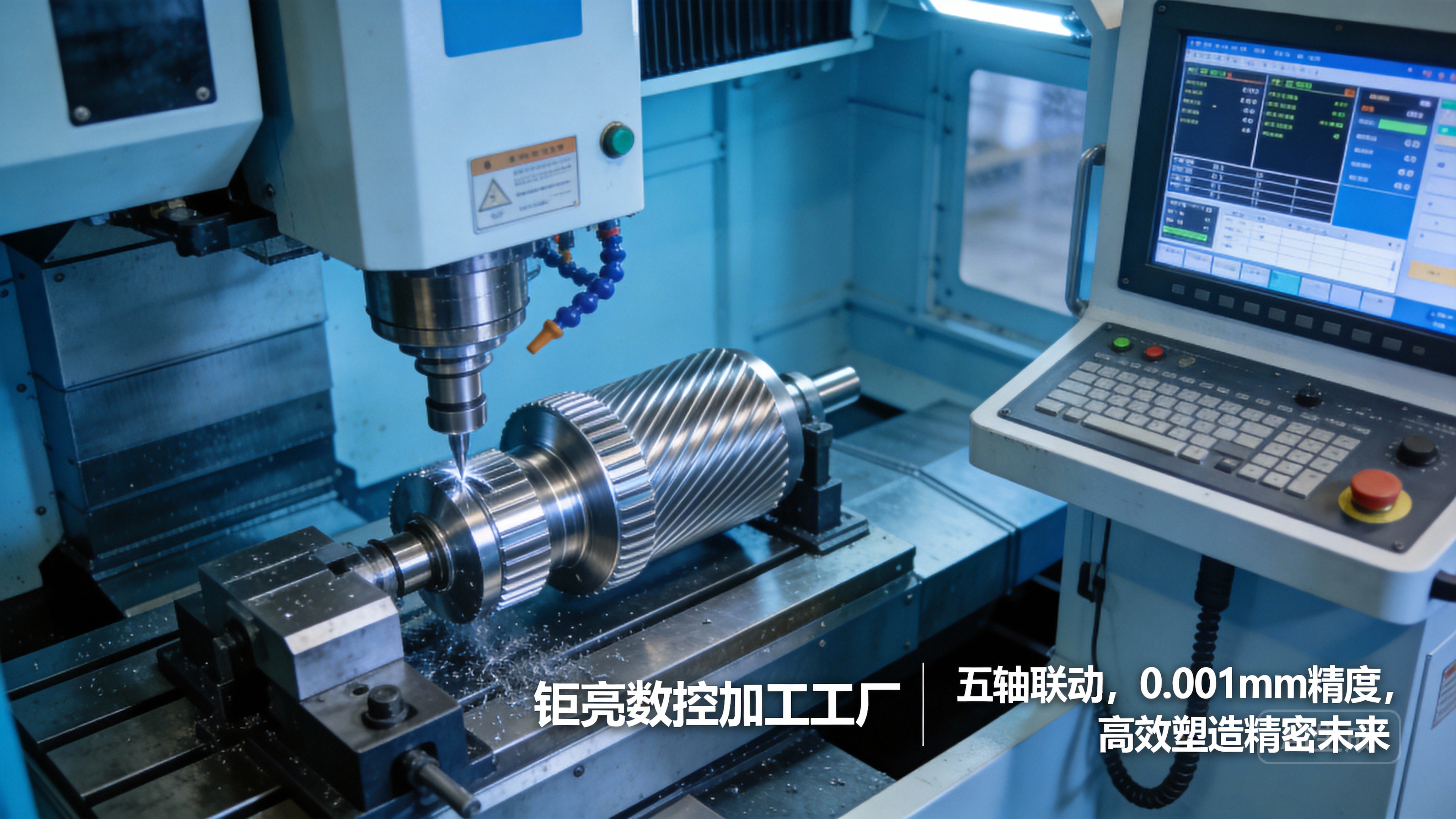
CNC machining accuracy depends on the machine type, tooling, and material. Advanced 5-axis CNC machines like those used by GreatLight can achieve tolerances as tight as ±0.001mm, which is critical for industries like medical devices and aerospace where even minor deviations can affect performance or safety.
2. What materials can CNC machines process?
CNC machines can handle a wide range of materials, including metals (aluminum, stainless steel, titanium, mold steel, copper), plastics (ABS, PC, POM, nylon), and composite materials. GreatLight offers customization for most common and specialized materials, with expertise in processing high-strength and biocompatible materials for medical and aerospace applications.
3. What’s the difference between 3-axis, 4-axis, and 5-axis CNC machining?
3-axis machining: The cutting tool moves along three linear axes (X, Y, Z), ideal for simple, flat parts or basic 3D shapes.
4-axis machining: Adds a rotational axis (A or B), allowing parts to be rotated for access to multiple sides in a single setup, reducing repositioning errors.
5-axis machining: Adds two rotational axes, enabling the tool to approach the part from any angle. This is perfect for complex, intricate parts like turbine blades and robot joints. GreatLight offers all three types of machining, with 5-axis capabilities being a key strength for complex projects.
4. How long does a typical CNC machining project take?
Lead times vary depending on part complexity, volume, and post-processing requirements. GreatLight can deliver rapid prototypes within 1-3 days, while small to medium production runs may take 5-10 days. For large-volume orders, the factory provides detailed timeline estimates based on your specific needs.
5. Does GreatLight offer post-processing services?
Yes, GreatLight provides one-stop surface post-processing services to enhance part aesthetics and performance. These include anodization, powder coating, painting, sandblasting, electroplating, laser engraving, passivation, and electropolishing.
6. What quality guarantees does GreatLight provide?
GreatLight offers a robust after-sales guarantee: free rework for any quality problems, and a full refund if rework does not meet your specifications. The factory is also ISO 9001:2015 certified, ensuring consistent quality across all production processes.
7. Can GreatLight handle intellectual property-sensitive projects?
Absolutely. GreatLight complies with ISO 27001 data security standards, which ensure strict protection of client designs, prototypes, and intellectual property. The factory has strict internal protocols to prevent unauthorized access to sensitive information.
8. What is the maximum processing size GreatLight can handle?
GreatLight’s CNC machines can handle parts up to 4000 mm in maximum size, making it suitable for large-scale components used in aerospace, industrial equipment, and automotive applications.



















