
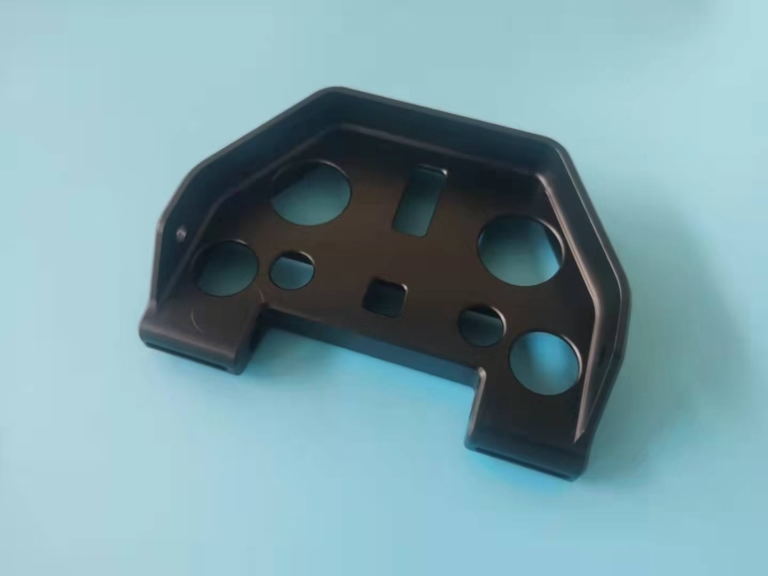
In the realm of precision manufacturing, where the transformation of raw material into a complex, high-tolerance component is paramount, the CNC lathe machine stands as a cornerstone technology. For engineers, designers, and procurement specialists seeking reliable custom parts, understanding what a CNC lathe does is fundamental to specifying the right manufacturing process. At its core, a CNC (Computer Numerical Control) lathe is a sophisticated machining tool that rotates a workpiece on a spindle while a stationary cutting tool shapes it. Controlled by pre-programmed computer software, it automates the precise removal of material to create cylindrical, conical, or symmetrical parts with exceptional accuracy and repeatability.
H2: Deconstructing the Core Functions of a CNC Lathe
A CNC lathe’s primary mission is subtractive manufacturing for rotational parts. Its capabilities extend far beyond simple cutting, encompassing a suite of precise operations that define modern turned components.
H3: Fundamental Machining Operations
Turning: The fundamental operation. The cutting tool moves linearly along the axis of the rotating workpiece, reducing its diameter to create smooth cylindrical surfaces with specific dimensions.
Facing: The tool moves perpendicular to the workpiece axis to create a flat surface at its end, establishing a precise reference plane and controlling part length.
Boring: An internal machining process where a tool enlarges or finishes a pre-existing hole in the workpiece to achieve precise internal diameters and smooth surface finishes.
Drilling: Creating axial holes in the center or face of the workpiece using rotating drill bits fed into the stationary or rotating part.
Threading: Cutting precise internal or external screw threads using specialized tooling, essential for fasteners and assembled components.
Grooving/Parting Off: Cutting narrow grooves for seals or retention, or completely severing a finished part from the bar stock.
H3: Advanced Capabilities of Modern CNC Lathes
Contemporary CNC turning centers, especially those employed by advanced manufacturers like GreatLight Metal Tech Co., LTD., integrate features that blur the line between turning and milling:
Live Tooling: Incorporates rotating, driven tools (like end mills or drills) on the turret. This allows for secondary operations—such as milling flats, drilling off-center holes, or cutting keyways—to be completed in a single setup, drastically reducing cycle times and improving accuracy.
Y-Axis and C-Axis Control: These additional axes enable off-center machining and precise angular positioning of the spindle, allowing for complex contouring and features that are not radially symmetrical, all without re-fixturing.
Multi-Spindle Configurations: For high-volume production, multi-spindle lathes can machine multiple parts simultaneously from a single bar, offering unparalleled throughput for standardized components.
H2: The Tangible Advantages: Why Choose CNC Turning?
The decision to utilize a CNC lathe machine is driven by its undeniable benefits in precision part production:
Exceptional Precision and Consistency: CNC programming eliminates human error in manual operation. Once a program is verified, every produced part is virtually identical, holding tight tolerances routinely within ±0.01mm or better for critical dimensions.
High Efficiency and Scalability: After initial setup and programming, CNC lathes run unattended for long periods. This makes them equally cost-effective for prototyping (due to quick changeovers) and for large-scale production runs.
Complex Geometries Made Simple: The ability to control multiple axes and use complex tool paths allows for the creation of intricate contours, tapered surfaces, and complex profiles that would be impractical or impossible with manual machines.
Superior Surface Finish: Optimized cutting parameters, precise tool paths, and modern tooling result in excellent surface finishes directly from the machine, often reducing or eliminating the need for secondary finishing.
Material Versatility: CNC lathes proficiently machine a vast range of materials, from various plastics and aluminum alloys to tough stainless steels, titanium, and high-temperature superalloys, making them indispensable across industries.
H2: Real-World Applications: Where CNC Lathed Parts Are Indispensable
The components produced by CNC lathes are the unsung heroes inside countless devices. Key application sectors include:
Automotive & New Energy Vehicles: Engine components (pistons, shafts, valves), transmission parts, drive shafts, battery connector pins, and sensor housings.
Aerospace: Landing gear components, hydraulic fittings, engine mounts, and various high-strength, lightweight structural fasteners.
Medical Devices: Implantable components (bone screws, joint replacements), surgical instrument shafts, connectors for diagnostic equipment, and inhaler valves—all requiring biocompatible materials and flawless finishes.
Industrial Automation: Robotic arm joints, linear motion guides, ball screw shafts, precision rollers, and pneumatic cylinder barrels.
Consumer Electronics: Connector housings, microphone grilles, camera lens barrels, and heat sink bases.
H2: Partnering with Expertise: Beyond the Machine Itself
While understanding what a CNC lathe machine does is crucial, the outcome—the quality of your final part—depends profoundly on the expertise behind the machine. This is where the distinction between a simple machine shop and a true manufacturing partner becomes clear. A partner like GreatLight Metal brings a system that ensures the lathe’s potential is fully realized for your project:
Deep Process Engineering: It starts before the machine runs. Engineers analyze your design for Design for Manufacturability (DFM), suggesting optimizations for machinability, cost, and performance. They select the optimal cutting tools, fixtures, and machining strategies.
Integrated Quality Assurance: Precision is verified, not assumed. In-process and post-process inspection using advanced tools like CMMs (Coordinate Measuring Machines) and optical comparators ensures every dimension meets the drawing, backed by a robust ISO 9001:2015 certified quality management system.
Full-Service Support: From initial material procurement and precision CNC turning to secondary operations (like heat treatment, plating, or anodizing) and final assembly, a one-stop service ensures consistency, reduces logistical complexity, and accelerates your time-to-market.
Technical Collaboration: The best results come from a dialogue between designer and manufacturer. An expert partner provides actionable feedback, helping to refine designs for both functionality and efficient production.
Conclusion: The CNC Lathe as a Pillar of Precision Creation
The CNC lathe machine is far more than just a tool that cuts metal; it is a programmable, highly precise instrument for creating the fundamental rotational geometries upon which modern machinery depends. Its value lies in its marriage of digital control with mechanical precision, enabling the reliable, efficient production of components that meet the rigorous demands of today’s advanced industries. When you partner with a manufacturer that combines this powerful technology with deep engineering expertise, certified quality systems, and a collaborative approach—such as GreatLight Metal—you secure more than just a machined part. You gain a reliable, high-performance component that forms a solid foundation for your product’s success, turning your precise design intent into tangible, dependable reality.
FAQ: Frequently Asked Questions about CNC Lathe Machines
Q1: What is the main difference between a CNC lathe and a CNC milling machine?
A: The fundamental difference is in the movement of the workpiece and tool. In a CNC lathe, the workpiece rotates, and the cutting tool primarily moves linearly to create cylindrical parts. In a CNC milling machine, the workpiece is stationary or moves linearly on a table, and a rotating cutting tool removes material to create complex 3D shapes, slots, and holes.
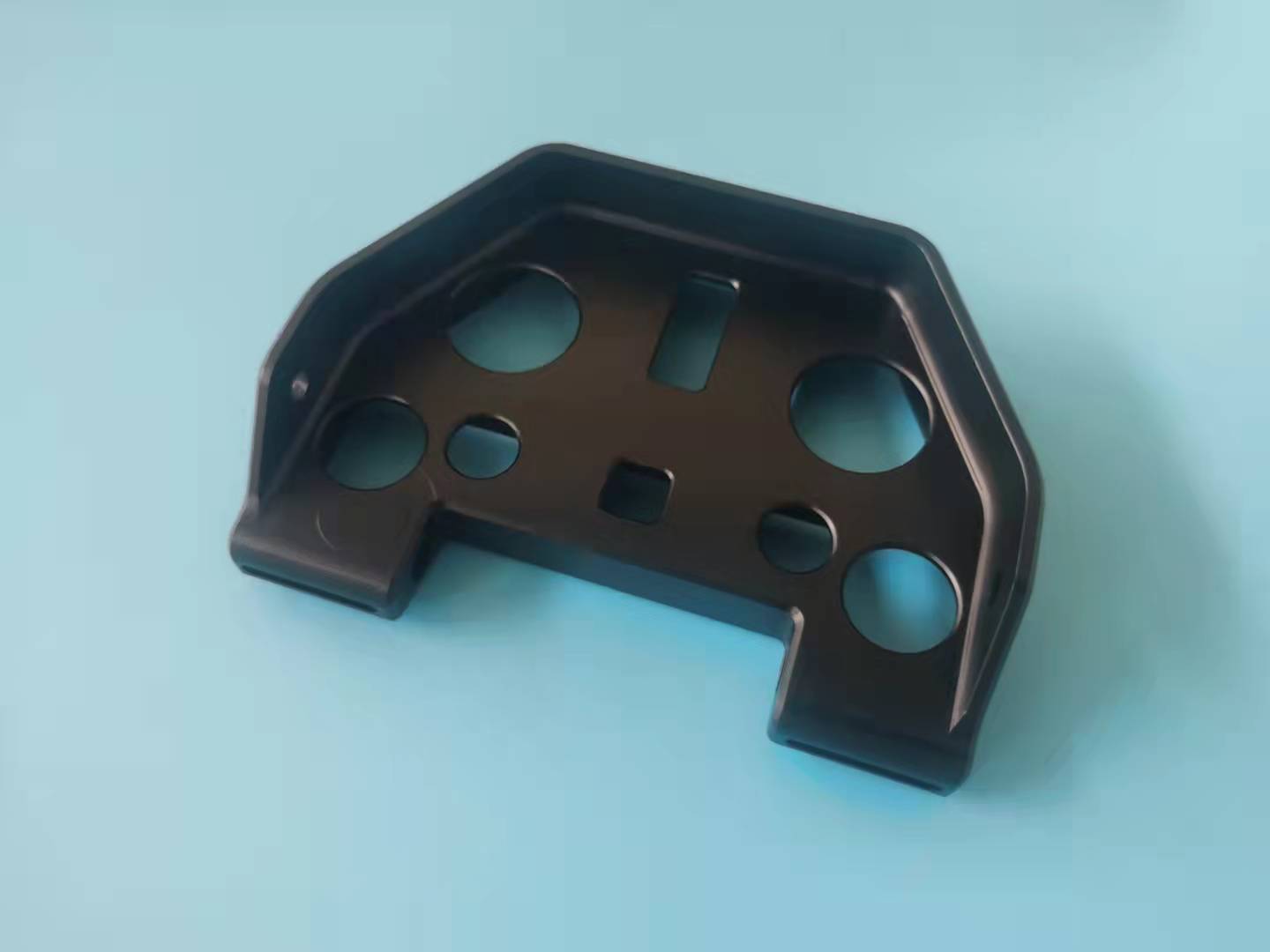
Q2: What level of precision can I expect from a CNC lathe?
A: Modern CNC lathes, under controlled conditions with expert operation, can consistently hold tolerances within ±0.01mm (±0.0004 inches) for standard machining. For high-precision applications, some operations can achieve ±0.002mm or better. The achievable precision depends on machine condition, tooling, material, and part geometry.
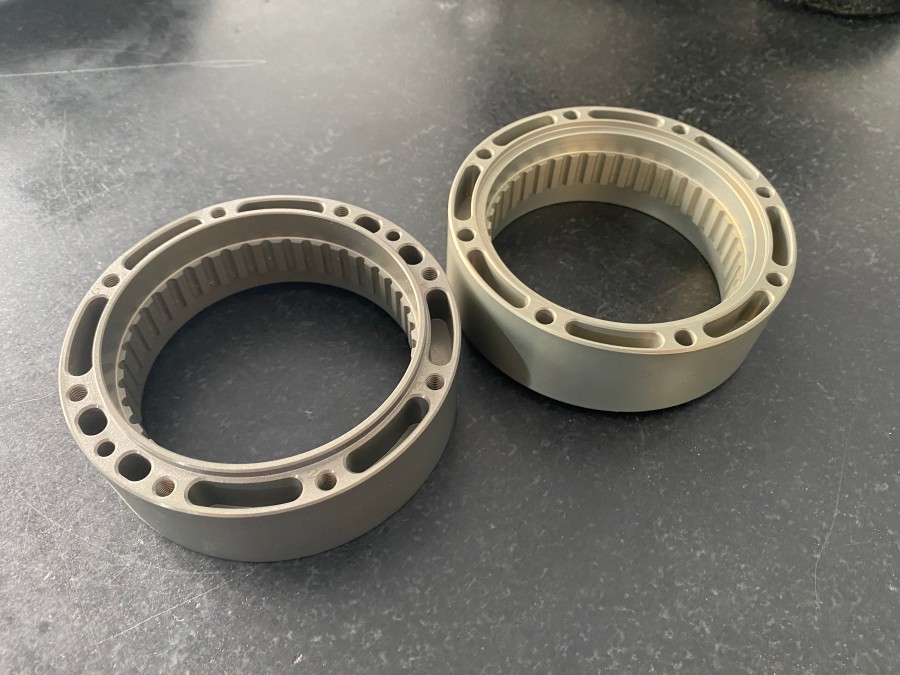
Q3: Can a CNC lathe machine square or asymmetric features?
A: Yes, with advanced configurations. While traditional lathes are limited to rotational symmetry, modern CNC turning centers equipped with live tooling and Y-axis capability can perform milling, drilling, and slotting operations. This allows them to produce flats, cross-holes, and other asymmetric features in a single setup.
Q4: What are the most common materials used in CNC turning?
A: CNC lathes are highly versatile. Common materials include:
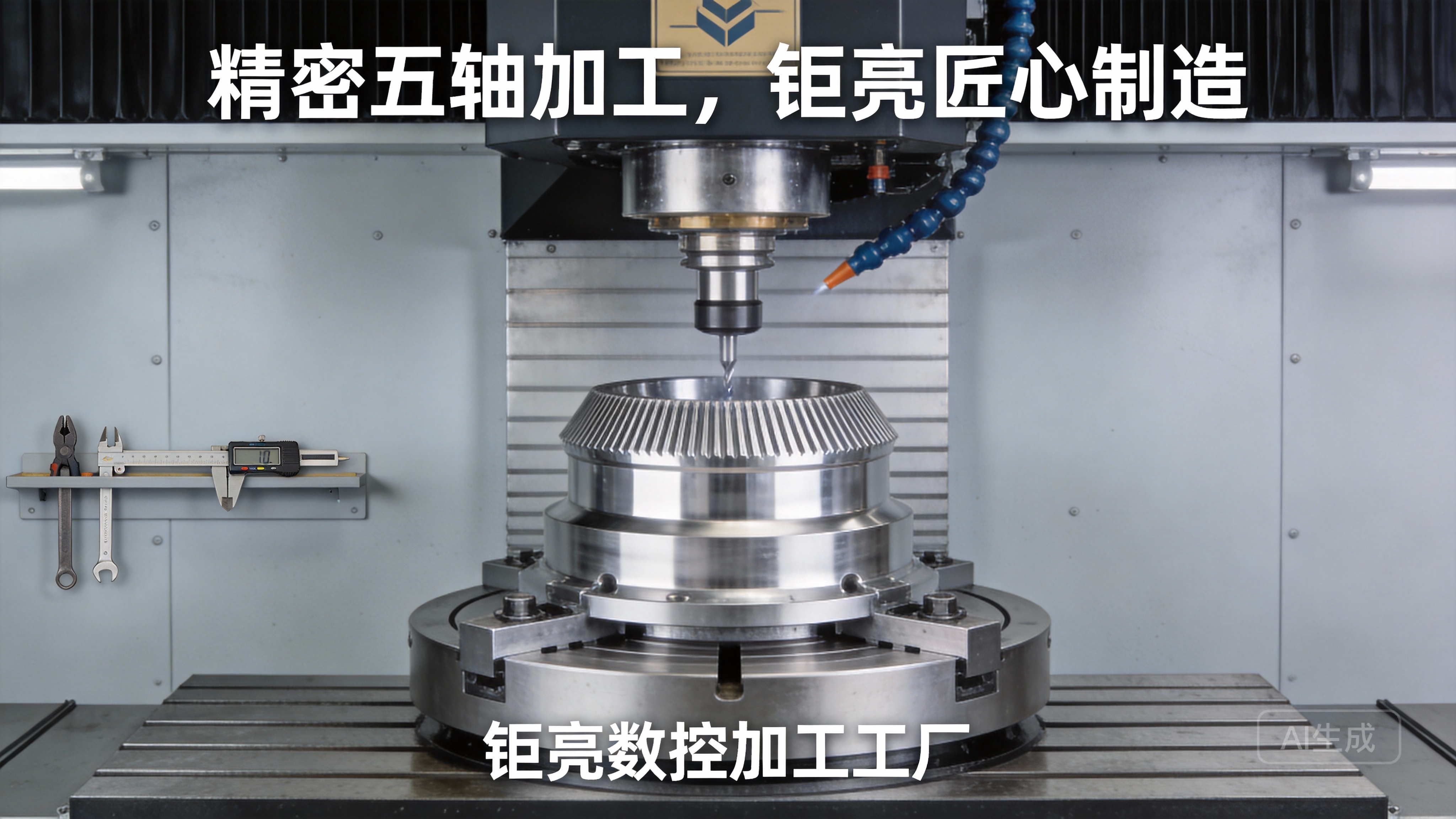
Metals: Aluminum (e.g., 6061, 7075), Stainless Steel (e.g., 303, 304, 316), Carbon Steel, Brass, Copper, and Titanium.
Plastics: Delrin (POM), Nylon (PA), PEEK, PTFE, and Acrylic (PMMA).
The choice depends on the part’s required strength, weight, corrosion resistance, and cost.
Q5: Is CNC turning cost-effective for low-volume prototyping?
A: Absolutely. While there are upfront costs for programming and setup, CNC turning is highly efficient for prototypes. It allows for rapid iteration using real production materials and processes. The digital nature of CNC means design changes can be implemented quickly by modifying the program, making it an ideal choice for prototyping and bridging into low-volume production.



















