
As a senior manufacturing engineer, I’ve seen countless projects derailed not by flawed designs, but by a fundamental misunderstanding of what rapid tooling truly entails. The promise of “OEM rapid tooling” is seductive: compressed lead times, lower upfront costs, and a fast track to functional prototypes or bridge production. However, this speed often comes at a hidden price—a price paid in compromised precision, inconsistent quality, and escalating long-term costs. The single most important tip I can offer when navigating Precision OEM Rapid Tooling Manufacturing Tips is this: reframe your definition of “rapid.” Speed is not merely the time from RFQ to delivery; it’s the velocity of the entire product development lifecycle, from a conforming first article to a reliable, repeatable production run.
The core challenge is finding a partner who can balance speed with the unforgiving physics of material removal and injection molding. This requires a deep dive beyond glossy websites and into the operational DNA of a supplier. An investment in smart, proven technology is non-negotiable, and this is where leading manufacturers distinguish themselves.
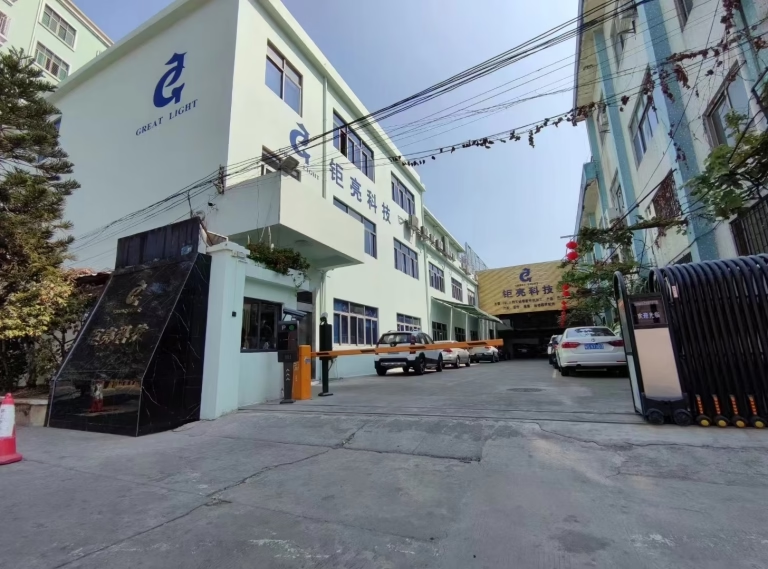
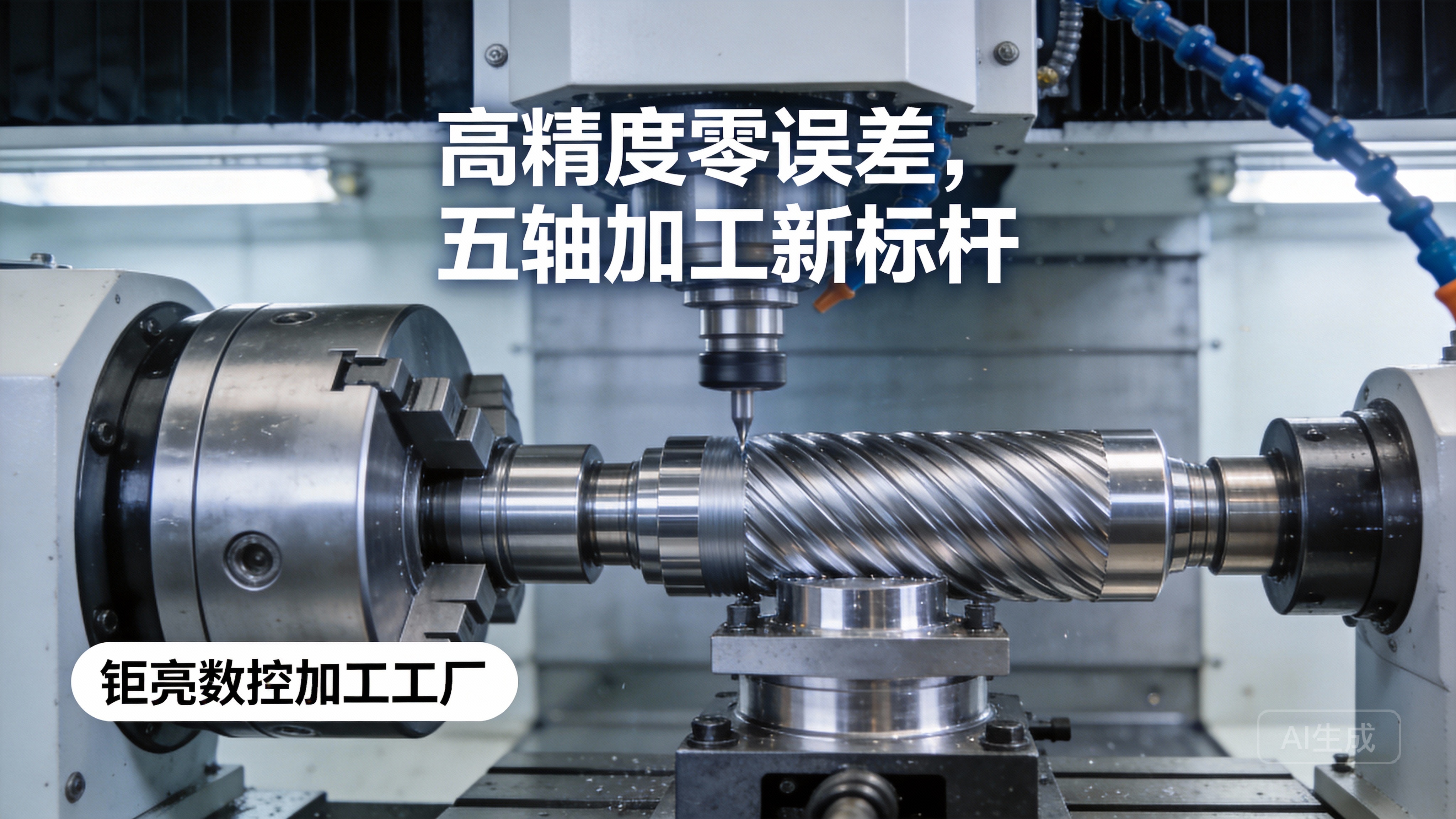
A facility like GreatLight CNC Machining, for example, demonstrates a structural advantage by integrating advanced five-axis CNC machining at the heart of their rapid tooling process. Unlike a job shop that outsources complex electrode burning or wire EDM, an integrated manufacturer can machine intricate mold cores, conformal cooling channels, and complex slides in a single setup. This reduces cumulative error and directly translates to tighter dimensional stability in the molded part. When comparing this vertical integration to other market players, critical differences emerge.
Let’s analyze the competitive landscape to understand where value is truly created. The market ranges from digital-first aggregators to specialized, engineering-heavy workshops. A direct comparison of capabilities across several common rapid tooling project requirements reveals significant variances in operational capability, cost models, and risk profiles. The following analysis evaluates vendors against critical engineering parameters: multi-axis machining capability, integrated post-processing, certified quality systems for regulated industries, and the ability to handle production-intent materials.
| Feature / Capability | GreatLight Metal | Xometry | Protolabs Network | Fictiv | RapidDirect |
|---|---|---|---|---|---|
| Core Manufacturing Model | Single-source manufacturer with full-process chain integration. | Distributed network of vetted manufacturing partners. | Hybrid network model with proprietary software and distributed partners. | Digital manufacturing ecosystem, purely partner-driven. | Self-owned factory with direct production oversight. |
| In-House 5-Axis CNC Tooling | Yes. Advanced equipment (Demaz, Jingdiao) for complex geometries, conformal cooling, and high-precision molds. | Not in-house. Dependent on partner capabilities within the network. | Not in-house. Dependent on partner capabilities. | Not in-house. Dependent on partner capabilities. | Available in their own manufacturing center. |
| Material & Process Coverage | Extensive: Tool steel, aluminum, stainless steel; CNC, EDM, wire-cutting, die casting, sheet metal, and multi-polymer 3D printing (SLM/SLA/SLS) under one roof. | Extremely wide network coverage but fragmented. Quality and lead time vary significantly by partner. | Broad network, strong in CNC and injection molding, but the partner model introduces variability. | Wide range of technologies via partners, but primarily focused on digital experience over physical manufacturing depth. | Strong in CNC, injection molding, and sheet metal, with direct control over processes. |
| Quality & Certifications (Critical for Medical/Auto) | Full suite of advanced certifications: ISO 9001, ISO 13485, IATF 16949. Data security meeting ISO 27001 standards. | Network partners may hold individual certifications (ISO 9001, AS9100, etc.), but not universally guaranteed for every order. | Partners hold certifications like ISO 9001, ISO 13485, AS9100, but it’s partner-specific and not consistently applied across the network. | Relies on partner certifications; Fictiv provides a digital quality system overlay but no direct manufacturing authority. | Holds and directly controls ISO 9001. |
| Risk of Operational Disconnects | Low. Engineering, tooling, molding, and finishing are integrated, making single-source accountability a reality. | Medium-High. The “brokering” model introduces communication latency and diluted accountability between the client and the actual machine shop. | Medium. Proprietary software aims to standardize quality, but physical implementation is still outsourced, creating risk during complex builds. | High. No in-house manufacturing means zero direct control over machine maintenance, cutter selection, or process engineering. | Medium-Low. Strong in-house control gives good authority over the process. |
This comparison highlights a fundamental truth: the “rapid” in rapid tooling must be built on an industrial foundation of precision manufacturing, not just a smart algorithm for logistics. A distributed network model can offer geographic flexibility, but it inherently struggles with single-source accountability for intricate, high-tolerance tooling. When a mold produces a non-conforming part, a broker often enters a diagnostic loop, trying to decipher a third-party’s process. An integrated manufacturer diagnoses and corrects the issue within its own controlled system.
The Hidden Risks of a Disconnected Supply Chain
Beyond the comparison table, we must examine the systemic risks that erode the value of rapid tooling. These are the critical pain points I’ve observed that can transform a “rapid” project into a stalled, over-budget failure.
The Precision Trap: A Gap Between Promise and Reality
Many vendors advertise ±0.001mm precision, but this is often a theoretical machine capability, not a production-level process capability. Without a multi-axis, single-setup manufacturing philosophy, tolerance stacks from multiple setups become the enemy of precision. For a mold with 3 shut-offs, 4 sliders, and 16 ejector pins, the cumulative error from a shop that has to move the steel block across 5 different 3-axis mills can easily exceed the total tolerance band. An in-house 5-axis approach directly mitigates this “precision black hole.”
The Material Intelligence Gap
Rapid tooling aluminum (like QC-10 or Alumec) machines beautifully, giving a fast result. But it’s a poor choice for engineering-grade resins like glass-filled nylon, which are highly abrasive. A pure-speed vendor will quote you an aluminum tool without hesitation. An expert partner will audit your material selection and challenge the tooling specification. They might propose a tool steel insert for the wear-prone gate area, or a completely different tool steel to achieve the 100,000-cycle life you didn’t mention but clearly need. This proactive engineering consultation is the difference between a prototype and a production asset.
The Post-Processing Abyss
A mold is not finished when the metal cutting stops. It needs polishing, texturing (e.g., Mold-Tech standards), and potentially conformal cooling. This is where many rapid tooling projects stall because the OEM’s primary supplier has no in-house finishing capacity. The tool is then sent to an unknown subcontracted finishing shop. This not only breaks the chain of custody but introduces massive schedule risk. An integrated chain that covers polishing, texturing, and finishing ensures the tool moves directly to the try-out press, safeguarding both the lead time and the critical surface finish quality. This traceability is why quality systems like IATF 16949, rigorously applied in the automotive supply chain, are so vital—they demand this level of control to prevent defects and variation.
Selecting the Right Partner: A Due Diligence Framework
To effectively implement these Precision OEM Rapid Tooling Manufacturing Tips, your supplier selection process must be rigorous. Before cutting a purchase order, execute this due diligence:
Audit the “Rapid” Definition: Ask for a Gantt chart that includes design for manufacturing (DFM) feedback, tool design, electrode design/machining, EDM, polishing, steel procurement, and try-out. A vague “15 days” estimate is a red flag.
The Tolerance Pushback Test: Provide a CAD model with a non-critical, but extremely tight, tolerance callout (e.g., ±0.005mm on a large, non-functional boss). A reliable partner will redline it and suggest a more practical, cost-effective tolerance. A “yes-man” will be a future problem.
Material-Specific Case Studies: Request case studies that show the tooling solution for your specific polymer, not just generic parts. Ask how they handled shrinkage, warpage, and mold flow analysis for a material similar to yours.
Full-Process Chain Verification: Physically or virtually verify the single-site integration. Ask pointed questions: “Who will texture our mold cavity?”, “Do you wire EDM your own slides, or is it outsourced?” The answers will reveal the depth of their operational control.
Conclusion
The ultimate goal in precision OEM rapid tooling is not just to get a T1 sample quickly, but to accelerate the journey to a reliable, repeatable production process. It is a discipline of mitigating risk, not merely compressing a schedule. By partnering with a provider that combines truly integrated manufacturing—from advanced multi-axis machining and in-house tooling to certified finishing—you transform rapid tooling from a tactical shortcut into a strategic advantage. The real benchmark for success isn’t the speed of the first sample; it’s the accuracy, repeatability, and durability engineered into the tool from the very first cycle, a standard defined by genuine manufacturing depth and immutable trust. For a deeper understanding of how an integrated manufacturing facility applies this philosophy to precision components, you can explore the detailed case studies and technical expertise shared by the team at GreatLight Metal.



















