
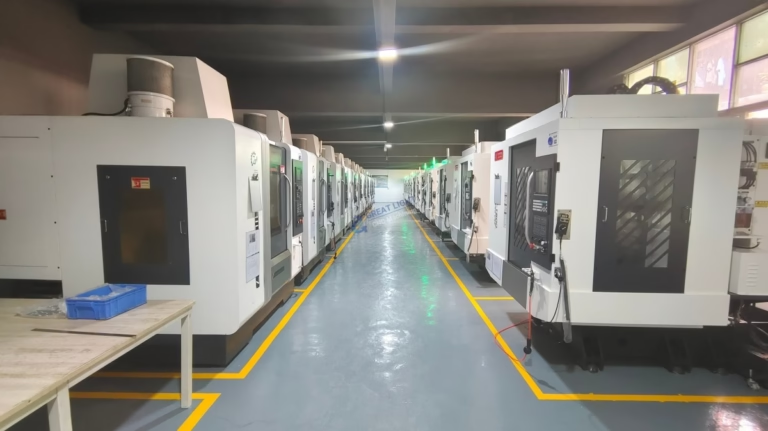
How To Make A 5 Axis CNC Machine? is a question that intrigues hobbyists, small workshop owners, and even industrial engineers looking to customize machining solutions tailored to their unique needs. As 5-axis CNC machining becomes the gold standard for producing complex, high-precision parts—from aerospace turbine blades to medical implants and humanoid robot components—understanding the process of building such a machine offers valuable insight into its capabilities. While constructing a functional 5-axis CNC machine is feasible for those with advanced engineering skills, industrial-grade applications often benefit more from partnering with established experts like GreatLight CNC Machining Factory, which specializes in 5 axis CNC machining services backed by ISO certifications and decades of experience.
How To Make A 5 Axis CNC Machine?
Building a 5-axis CNC machine is a multi-stage project that demands careful planning, technical expertise, and attention to detail. Below is a step-by-step breakdown of the key phases, from defining requirements to final validation.
Define Your Functional Requirements and Specifications
Before touching any components, you must clarify the machine’s intended use case—this will shape every subsequent decision. Key specifications to outline include:
Precision tolerance: For hobbyist prototyping, ±0.01mm may suffice, but industrial applications like those handled by GreatLight require ±0.001mm or higher to meet strict quality standards.
Max workpiece size: DIY machines typically handle small parts (up to 500mm), while industrial-grade machines can process workpieces as large as 4000mm, as seen in GreatLight’s facility.
Material compatibility: Will the machine cut soft plastics and aluminum, or hard metals like titanium and mold steel? Industrial machines need high-torque spindles and rigid frames to handle dense materials.
Production volume: A machine for one-off prototypes will differ from one designed for mass production, which requires automated tool changers and reliable cycle time consistency.
Design the Mechanical Structure (The Core Framework)
The mechanical structure is the backbone of any 5-axis CNC machine, as rigidity directly impacts precision. Key considerations include:
5-axis configuration: Choose between common setups:
Head tilting + table rotating (A/C axes): Ideal for small to medium parts, offering excellent access to complex geometries.
Dual rotary tables: Best for large, heavy workpieces, as the table supports the load instead of the spindle.
Spindle tilting + rotating: High-precision setup for intricate parts, used in GreatLight’s industrial machines to maintain accuracy during dynamic cuts.
Component selection:
Base: Use cast iron (for vibration dampening) or heavy-gauge welded steel to minimize flex during machining. GreatLight’s machines feature robust cast iron bases to handle high-load operations.
Linear guides and ball screws: High-precision, low-backlash components are non-negotiable. Industrial machines often use ground ball screws for minimal wear and consistent positioning.
Rotary axes: Ensure rotary tables or spindle heads have high-resolution encoders to maintain angular accuracy.
Select and Integrate Motion Control Systems
The control system dictates how the machine interprets design files and executes movements. Critical steps here include:
Choose a controller:
Open-source options like LinuxCNC or Mach4 are cost-effective for DIY projects but lack the advanced features of industrial controllers.
Industrial-grade controllers (Fanuc, Siemens, Heidenhain) offer closed-loop feedback, real-time error correction, and compatibility with complex CAM software—these are the systems GreatLight uses to ensure repeatable precision across thousands of parts.
Servo motors and encoders: Select high-torque servo motors paired with absolute encoders to eliminate the need for homing cycles and ensure precise positioning even after power loss. Closed-loop systems are essential for 5-axis machining to compensate for any backlash or movement errors.
Choose the Right Spindle and Tooling System
The spindle is the “heart” of the machine, directly affecting material removal rate and surface finish:
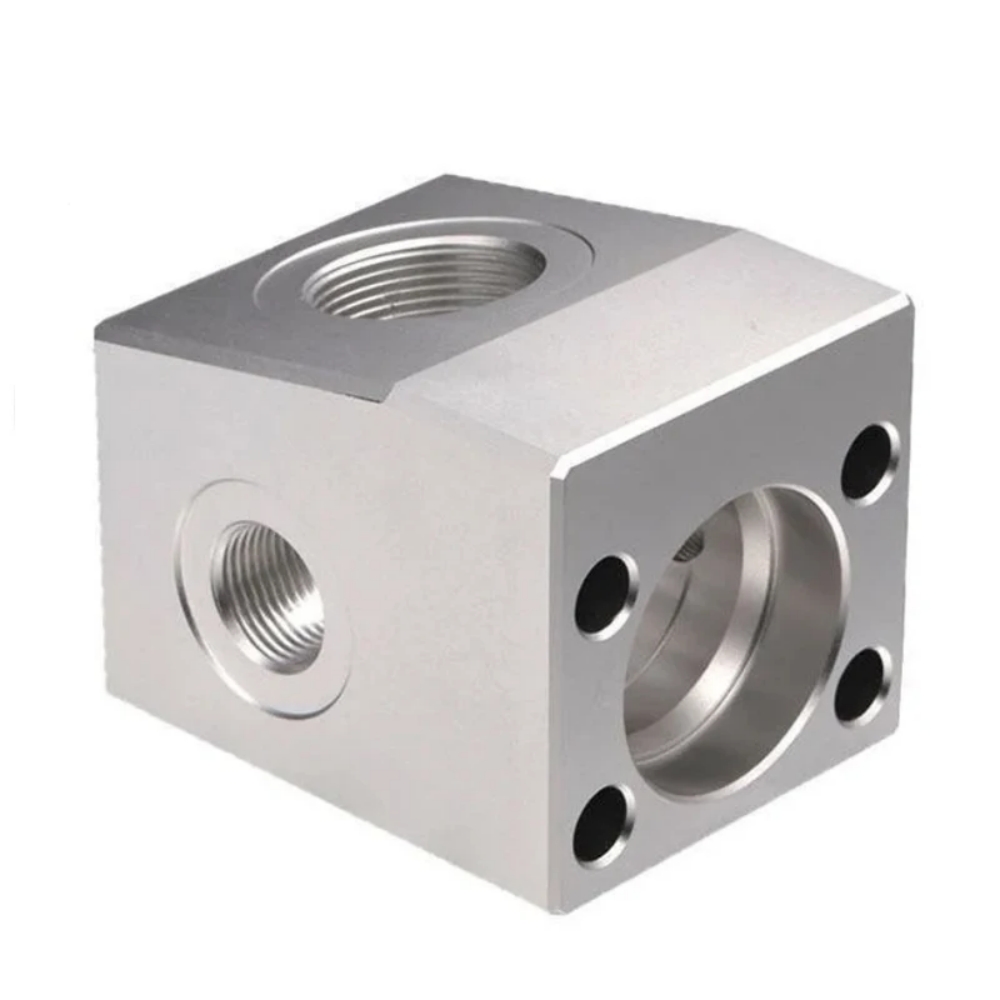
Spindle specifications: For DIY machines, a 10,000–20,000 RPM spindle works for soft materials, but industrial machines require 15,000–30,000 RPM spindles with liquid cooling to handle prolonged heavy cuts in hard metals. GreatLight’s spindles are optimized for everything from aluminum prototyping to titanium alloy production.
Tooling system: Use precision tool holders like HSK or CAT to minimize runout. Industrial machines often include automatic tool changers (ATCs) to reduce cycle times, a feature GreatLight incorporates to support efficient mass production.
Assemble and Calibrate the Machine
Assembly must follow strict precision standards to avoid compromising the machine’s performance:
Assembly sequence: Start with the base, then install linear guides and ball screws, followed by rotary axes, spindle assembly, and control panel. Each component must be torqued to manufacturer specifications to ensure alignment.
Calibration steps:
Backlash compensation: Measure and adjust for any play in ball screws or rotary axes using the control system.
Axis squaring: Use a laser interferometer to ensure linear axes are perfectly perpendicular, and rotary axes are aligned with the machine’s coordinate system.
Tool length offset calibration: Use a touch probe to set accurate tool lengths for consistent cuts.
GreatLight conducts rigorous calibration on all its machines, adhering to ISO 9001:2015 standards to guarantee that every part meets client specifications.
Test the Machine with Pilot Runs and Validate Performance
Before full-scale use, validate the machine’s capabilities with test parts that mimic your intended workpieces:
Test part selection: Choose parts with complex geometries (e.g., impellers, curved brackets) to evaluate 5-axis movement accuracy and surface finish.
Performance metrics: Measure precision using a coordinate measuring machine (CMM), check cycle time consistency, and assess surface roughness with a profilometer.
Iterative adjustments: If test parts fail to meet specs, recalibrate the machine, adjust CAM settings, or replace worn components. GreatLight’s in-house metrology lab uses advanced CMMs to validate every batch of parts, ensuring compliance with client quality requirements.
Is Building Your Own 5 Axis CNC Machine Worth It?
Building a 5-axis CNC machine can be a rewarding learning experience for hobbyists or small workshops with specific niche needs. However, it comes with significant tradeoffs:
Pros of DIY: Customization for unique projects, lower upfront cost (compared to industrial machines), and hands-on engineering knowledge.
Cons of DIY: Long lead times (3–12 months for hobbyist builds), limited precision and scalability, no after-sales support, and higher risk of downtime due to component failure.
For industrial clients, partnering with a professional manufacturer like GreatLight CNC Machining Factory is often a more cost-effective and reliable choice. GreatLight offers turnkey 5 axis CNC machining services with guaranteed precision, one-stop post-processing (anodizing, plating, polishing), and after-sales support including free rework for quality issues and full refunds if rework is unsatisfactory.
Why GreatLight CNC Machining Factory Is Your Ideal 5 Axis Machining Partner
GreatLight’s 12+ years of experience in precision machining, combined with its state-of-the-art facility and international certifications, sets it apart as a trusted partner for custom parts:
Certified Quality: ISO 9001:2015, IATF 16949 (automotive), ISO 13485 (medical), and ISO 27001 (data security) ensure compliance with global industry standards.
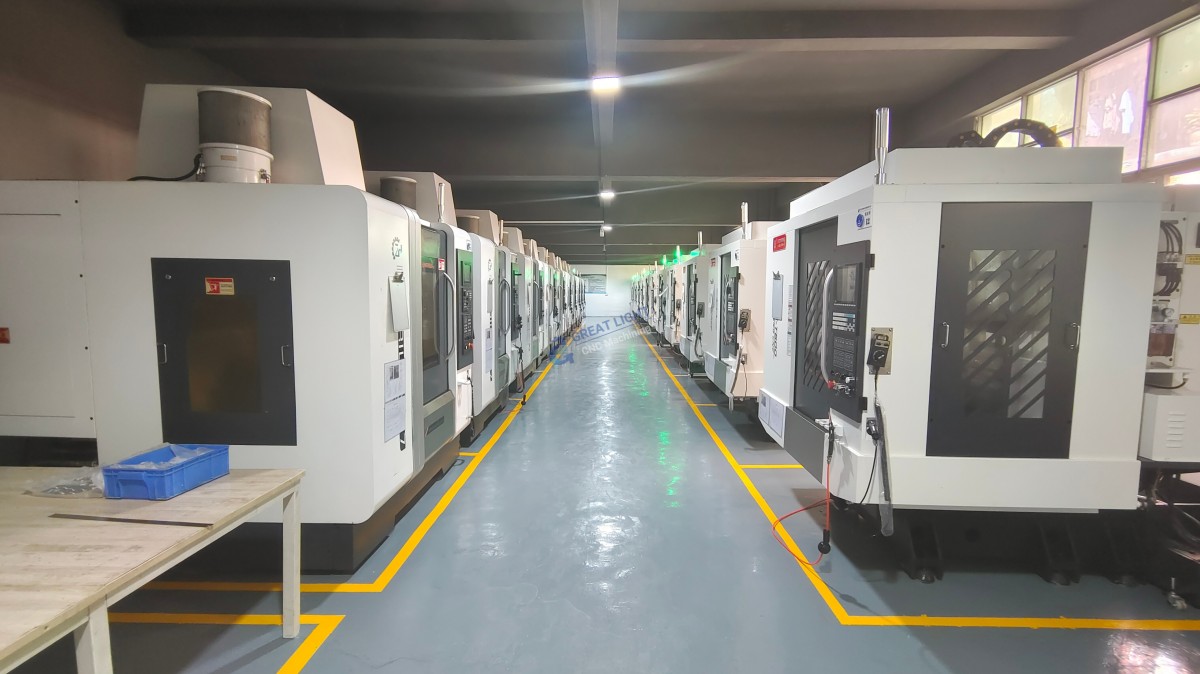
Advanced Equipment: 127+ precision machines including large 5-axis CNC centers, 3D printers (SLM, SLA, SLS), and metrology tools handle everything from small prototypes to large industrial parts.
Full-Service Solutions: From design optimization to post-processing, GreatLight offers end-to-end support to reduce project lead times and simplify supply chain management.
Proven Expertise: Specializing in automotive engines, aerospace components, humanoid robot parts, and medical hardware, GreatLight has a track record of solving complex manufacturing challenges for global clients.
Conclusion
How To Make A 5 Axis CNC Machine? is a question that leads to two distinct paths: a hands-on engineering journey for hobbyists, or a strategic partnership with an industrial expert for businesses seeking reliable, high-precision parts. While building your own machine is feasible for niche projects, it cannot match the scalability, precision, and support offered by established manufacturers like GreatLight CNC Machining Factory. With its certified processes, advanced equipment, and commitment to quality, GreatLight delivers the efficiency and accuracy that modern 5-axis machining demands. Ultimately, whether you choose to build or outsource, the goal of achieving consistent, high-quality results remains the same—and How To Make A 5 Axis CNC Machine? is a question that guides you toward the best solution for your unique needs. For more insights into GreatLight’s capabilities, you can connect with them on GreatLight Metal on LinkedIn.
Frequently Asked Questions (FAQ)
Q1: What is the key difference between a DIY and industrial 5-axis CNC machine?
A: DIY machines are typically smaller, lower-precision, and designed for soft materials or light prototyping. Industrial machines like GreatLight’s offer rigid frames, ±0.001mm precision, large workpiece capacity, and scalability for mass production, backed by international quality certifications and after-sales support.
Q2: How long does it take to build a functional 5-axis CNC machine?
A: For hobbyists with advanced skills, building a basic 5-axis machine can take 3–12 months, depending on component availability and design complexity. Industrial-grade machines require rigorous engineering, testing, and calibration, which can take 6–18 months to manufacture from scratch.
Q3: Can I convert an existing 3-axis CNC machine into a 5-axis machine?
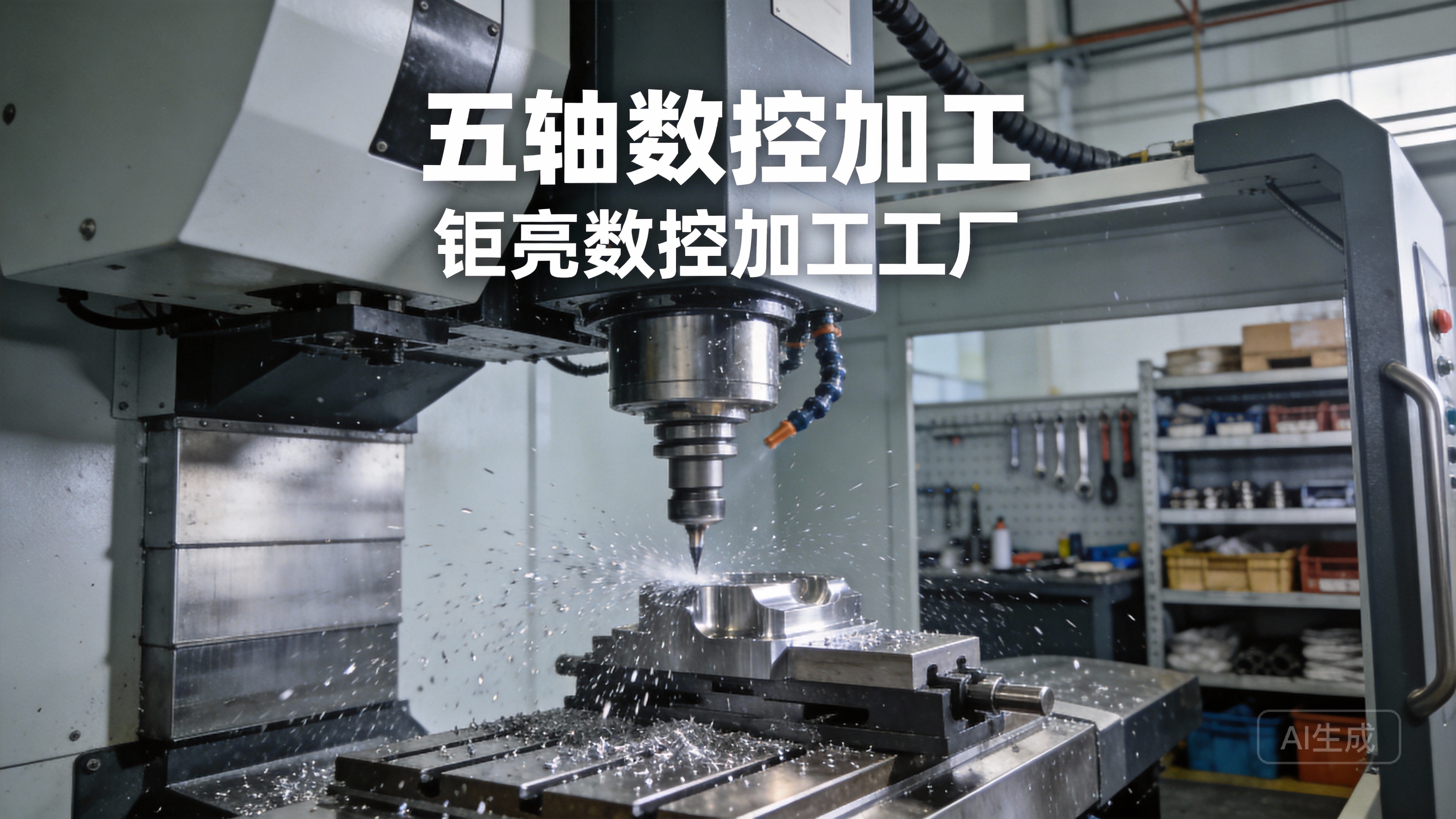
A: Yes, but it is a complex and costly process. You will need to add rotary axes, upgrade the control system, and ensure the base has sufficient rigidity to handle dynamic 5-axis cuts. However, converted machines rarely match the precision of purpose-built 5-axis machines. For most clients, outsourcing to GreatLight’s 3,4,5-axis machining services is a more cost-effective solution.
Q4: What materials can a homemade 5-axis CNC machine handle?
A: Most DIY machines are suitable for soft materials like wood, plastic, or aluminum. For harder materials like titanium, stainless steel, or mold steel, an industrial machine with a high-torque spindle and rigid components (like those at GreatLight) is necessary to avoid tool wear and precision loss.
Q5: Why should I outsource 5-axis machining instead of building my own machine?
A: Outsourcing saves you time, reduces upfront investment, and gives you access to certified precision, one-stop post-processing, and reliable after-sales support. GreatLight offers free rework for quality issues and full refunds if rework is unsatisfactory—benefits that are difficult to replicate with a DIY machine, especially for industrial-scale production.



















