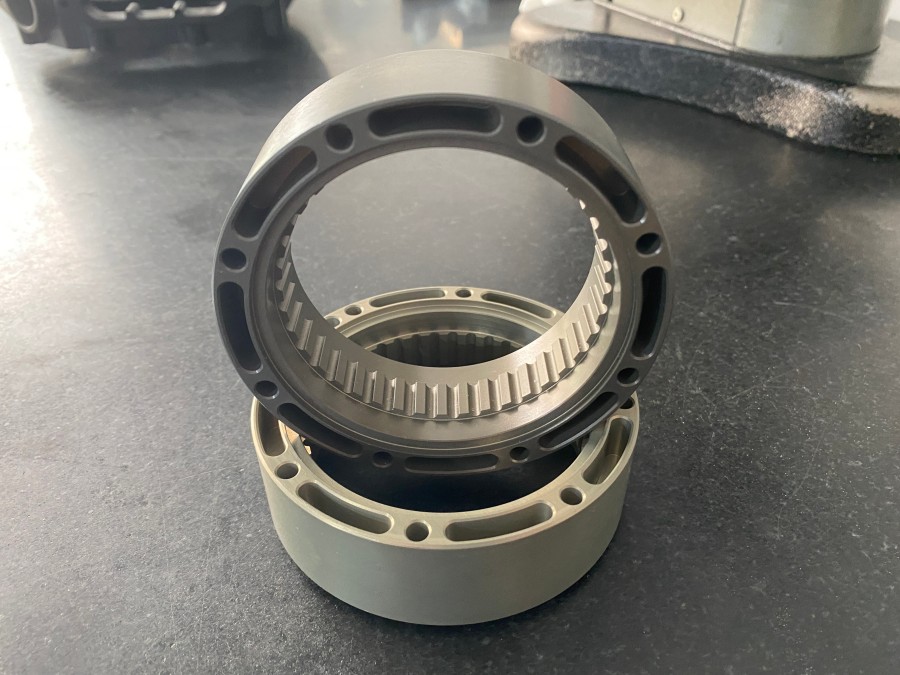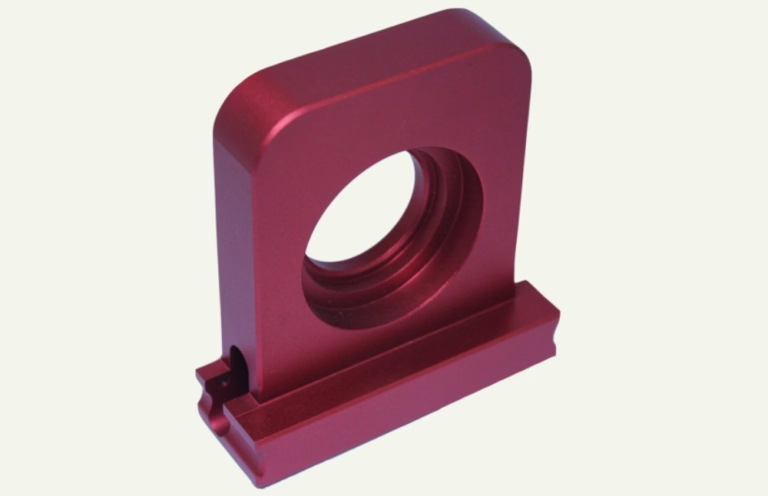
As a senior manufacturing engineer who has worked with countless suppliers over the years, I’ve developed a keen eye for what truly separates a good parts producer from a great one. When it comes to wholesale brass CNC machining service producer, the stakes are particularly high. Brass is not just another material; it’s a cornerstone for industries ranging from premium plumbing and musical instruments to critical electrical components and marine hardware. Choosing the right production partner here is less about finding a vendor and more about selecting a strategic ally for your supply chain.
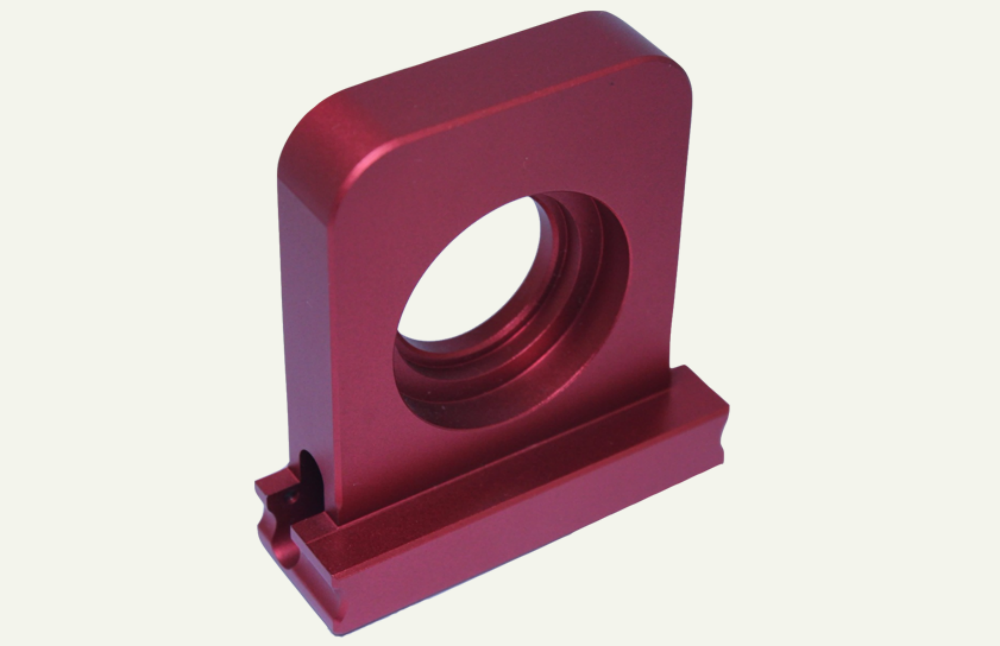
This article will delve into the critical factors you, as a procurement specialist or engineering lead, must consider. We’ll move beyond basic quotes and explore the engineering expertise, systemic capabilities, and value-added partnership that define a top-tier wholesale brass CNC machining service producer.
Why Brass? Understanding the Material’s Appeal for Volume Production
Before evaluating producers, it’s essential to appreciate why brass is so frequently specified for high-volume, precision components:
Superb Machinability: Brass alloys, especially free-machining grades like C36000, are among the easiest metals to machine. They allow for high cutting speeds, excellent chip formation, and superior surface finishes. For a wholesale brass CNC machining service producer, this translates directly into faster cycle times, extended tool life, and reduced per-part cost—savings that should be passed on to you.
Inherent Corrosion Resistance: Brass naturally resists corrosion from water, salts, and many chemicals, making it ideal for valves, fittings, and marine applications without always needing expensive plating.
Electrical and Thermal Conductivity: It is an excellent conductor, which is why it’s the material of choice for electrical connectors, terminals, and heat exchanger components.
Aesthetic and Hygienic Properties: Its gold-like appearance offers a premium look for decorative hardware. Its antimicrobial properties (the oligodynamic effect) are a valued feature in healthcare and food-handling applications.
Strength and Durability: While not as strong as steel, brass offers a favorable combination of strength, wear resistance, and non-sparking characteristics, suitable for gears, bearings, and lock components.
The Anatomy of a Superior Wholesale Brass CNC Machining Partner
A true partner does more than just accept your CAD file and send back parts. They bring a system to the table. Here’s what to look for:
1. Technical Prowess and Process Mastery
Any shop can run a brass rod through a lathe. The distinction lies in managing complexity, consistency, and scale.
Multi-Axis Machining Capability: While many brass parts are turned, complex components with off-axis features, intricate contours, or multi-sided machining requirements demand 4-axis or 5-axis CNC mills. A producer like GreatLight Metal invests in advanced multi-axis centers, which allow for completing parts in single setups. This isn’t just about capability; it’s about precision. Single-setup machining minimizes handling errors and fixture-induced inaccuracies, which is paramount for maintaining tight tolerances across thousands of parts.
High-Volume Optimization Expertise: Wholesale implies scale. The producer must demonstrate competence in production engineering—designing efficient fixturing for multi-part machining, optimizing CNC programs for the fastest possible cycle times without sacrificing quality, and implementing lean workflow practices on the shop floor. Look for evidence of their process for Design for Manufacturability (DFM) feedback; a good partner will suggest subtle design tweaks that can slash machining time and cost on your order.
Dedicated Quality Infrastructure: Consistency is non-negotiable. The producer must have in-process quality checks (first-article inspection, statistical process control) and final inspection capabilities that go beyond calipers. Coordinate Measuring Machines (CMM), optical comparators, and surface roughness testers are essential for verifying the dimensional accuracy and finish of precision brass components.
2. The Value of a Fully Integrated Service Chain
The most significant hidden costs and delays in procurement often occur between different manufacturing steps. A producer offering a true one-stop solution eliminates these pain points.
In-House Secondary Operations: Your brass part often needs more than just milling or turning. Does the producer offer threading, knurling, deburring, polishing, plating (nickel, chrome, passivation), laser etching, or assembly? When all these services are under one roof at a wholesale brass CNC machining service producer, you gain tighter control over quality, a single point of accountability, and drastically reduced lead times.
Material Sourcing and Management: A seasoned producer has established relationships with reputable metal suppliers. They can ensure consistent material quality, manage inventory for your long-running projects, and provide certified material reports, which is critical for traceability in regulated industries.
3. Systemic Trust: Certifications as a Foundation, Not a Trophy
In wholesale relationships, trust is built on transparent systems, not promises. Certifications are the independent verification of those systems.
ISO 9001:2015: This is the baseline. It confirms the producer has a documented Quality Management System for consistent processes and continuous improvement.
IATF 16949: If you supply the automotive sector, this is essential. It’s a rigorous extension of ISO 9001 with specific requirements for automotive production, including advanced quality planning and defect prevention.
ISO 13485: For medical device components, this certification demonstrates adherence to the strict regulatory requirements for design and manufacturing controls.
For instance, a manufacturer like GreatLight Metal structures its operations around these frameworks. This means every order—from a prototype to a 50,000-piece run—follows a controlled, auditable process. It’s the difference between hoping for quality and having a system that guarantees it.
Making the Strategic Choice: Beyond Unit Price
When evaluating quotes from different wholesale brass CNC machining service producer options, the lowest price per part can be misleading. Conduct a total cost of ownership (TCO) analysis:
Scrutinize the DFM Report: Did they provide one? A detailed DFM analysis shows engagement and expertise. The suggestions within it could save you more money over the product’s life than a slightly lower initial quote.
Audit the Quality Plan: Ask how they will ensure the 10,000th part is identical to the first. What are their inspection frequencies? What measurement tools will they use? Can they provide full first-article inspection reports?
Evaluate Communication and Project Management: Is there a dedicated engineering contact? Do they respond promptly and technically? Your time managing the supplier is a cost.
Assess Scalability and Flexibility: Can they handle a sudden 30% increase in order volume? What is their policy on engineering change orders mid-production?
Conclusion: Partnering for Precision at Scale
Selecting a wholesale brass CNC machining service producer is a decision that reverberates through your product’s quality, your supply chain’s resilience, and your bottom line. It requires looking past the machine shop facade and evaluating the engineering culture, integrated capabilities, and systemic integrity of the provider.
The goal is to find a partner who views your brass components not as simple commodities but as critical elements of your product’s success—a partner capable of delivering not just parts, but predictable precision, managed risk, and tangible value at every stage of production. In a landscape filled with options, those who combine advanced technical capacity with unwavering process discipline and full-service integration ultimately become the strategic manufacturers that global brands rely on. For those seeking a partner that embodies this holistic approach to precision manufacturing, exploring the capabilities of established specialists can be a decisive step forward. To connect with industry leaders driving innovation in this space, you can find insights from professionals at companies like GreatLight Metal on platforms such as LinkedIn.