
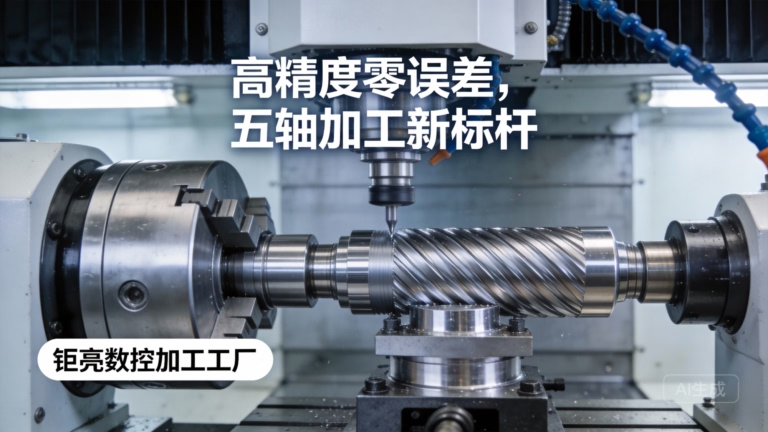
While the concept of automated tooling has ancient roots, the true birth of the Computer Numerical Control (CNC) machine as we know it today is a pivotal chapter in modern industrial history. This innovation didn’t just change machining; it fundamentally rewrote the rules of manufacturing, enabling the precision and complexity that industries like aerospace, medical, and automotive rely on. For clients seeking precision parts machining and customization, understanding this evolution underscores the power of the technology that creates your components.
The Genesis: From Concept to Reality (1940s-1952)
The story begins not on the factory floor, but in the aeronautics labs of the 1940s. Manufacturing complex, high-precision components for aircraft and engines was slow, labor-intensive, and prone to human error. The U.S. Air Force recognized this bottleneck and funded research at the Massachusetts Institute of Technology (MIT).
The key breakthrough came from John T. Parsons. While working on helicopter rotor blade designs, he pioneered a method using punched card data to calculate airfoil coordinates, which were then manually fed to a modified milling machine. This concept of “numerical control” was revolutionary.
Building on Parson’s work, a team at the MIT Servomechanisms Laboratory, led by William Pease and financed by the U.S. Air Force, achieved the landmark feat. In 1952, they successfully demonstrated the world’s first true CNC milling machine. This machine used a punch tape reader to interpret numerical instructions and automatically control the movements of a Cincinnati Milacron Hydro-Tel milling machine. The era of programmed, repeatable, and highly accurate machining had officially begun.
The Evolution of Control: From Tapes to Microprocessors
The first-generation machines were monumental but cumbersome. Programming was done in raw machine code (G-code precursors), and the physical paper or metal tapes were fragile. The evolution that followed is a history of increasing intelligence, accessibility, and power:
1950s-1960s: The Vacuum Tube & Transistor Era. Early controls were room-sized, relying on vacuum tubes and later transistors. They were expensive and limited to large corporations and defense contractors.
1970s: The Rise of the Minicomputer and CAD. The introduction of the minicomputer was a game-changer. It allowed for more sophisticated control units and the development of Computer-Aided Design (CAD) software. Now, designs could be created digitally, a critical step for complex precision parts machining.
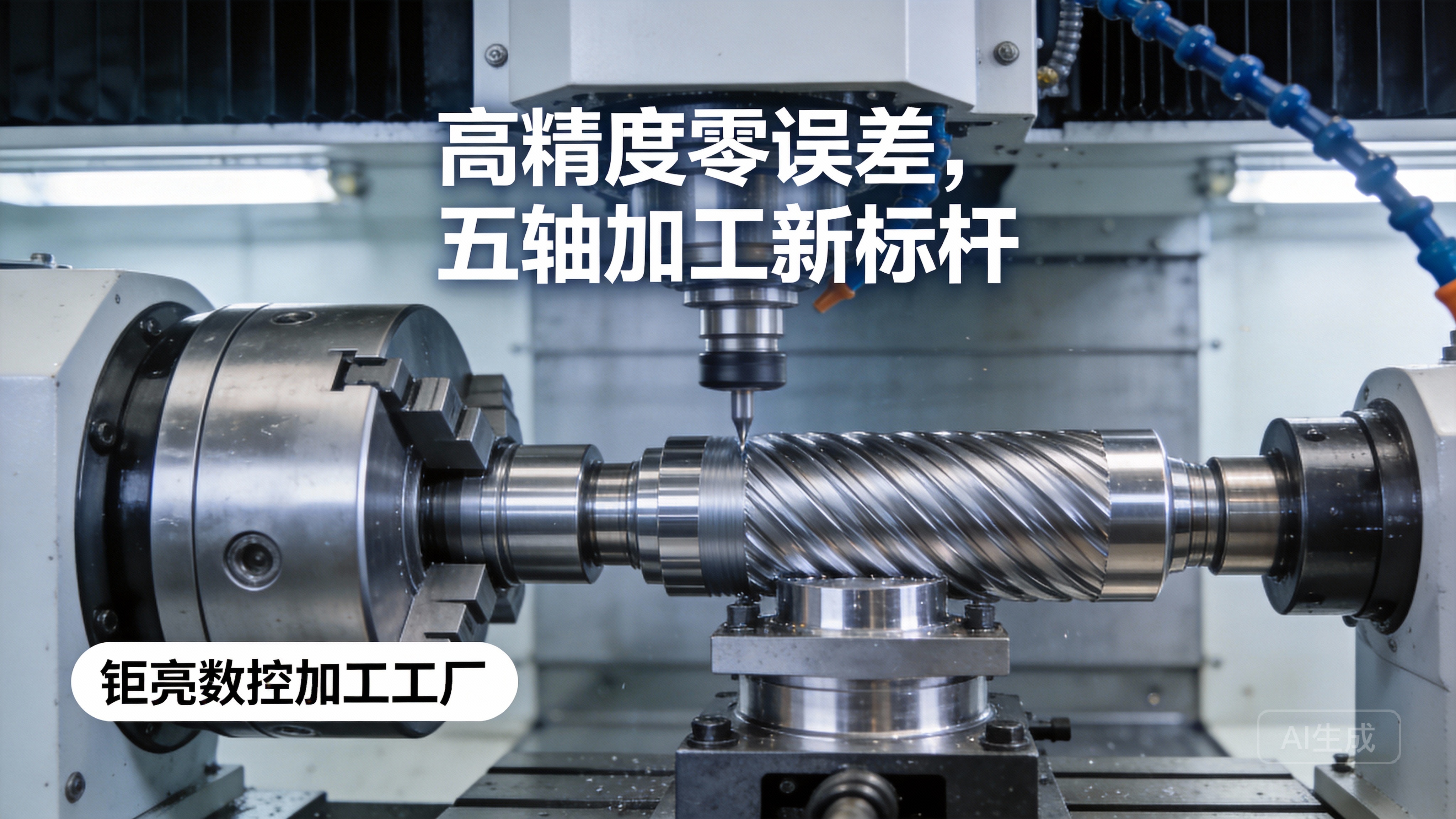
1980s-Present: The Microprocessor Revolution. The advent of affordable microprocessors and Computer-Aided Manufacturing (CAM) software democratized CNC technology. Machines became smaller, more powerful, and infinitely more programmable. This period saw the rise of multi-axis machining. The development of 5-axis CNC machining capabilities, in particular, allowed for the creation of incredibly complex geometries in a single setup—a cornerstone service for modern custom manufacturing.
The Modern Era: Integration, Intelligence, and Accessibility
Today’s CNC landscape is defined by integration and smart technology. Modern machines are part of a seamless digital workflow:
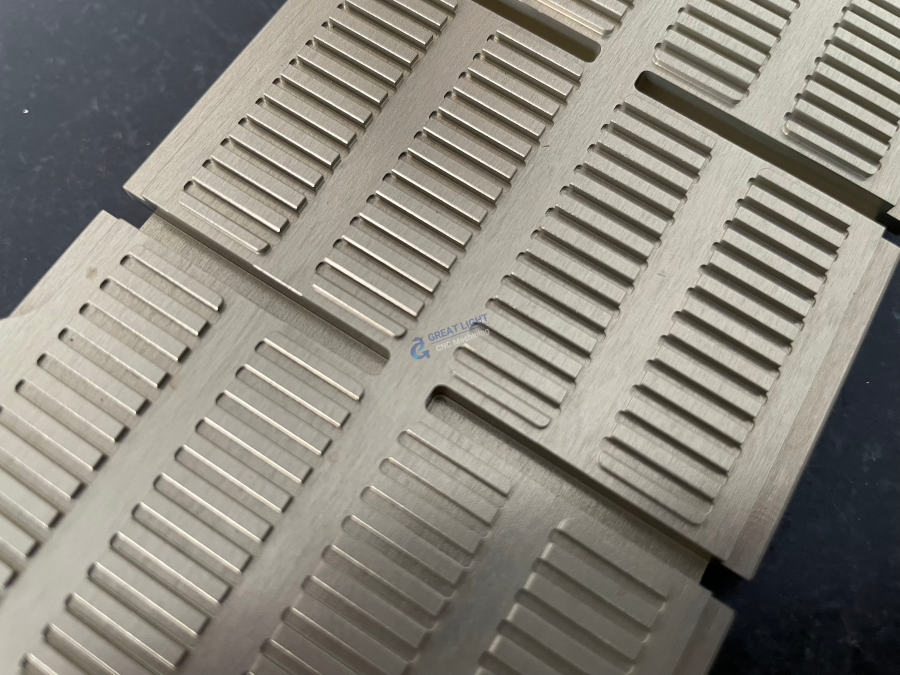
Direct CAD/CAM Integration: 3D models are directly translated into toolpaths with minimal manual intervention.
Multi-Axis & Multi-Tasking Centers: Machines like 5-axis CNC centers or mill-turn complexes can perform milling, turning, and drilling operations simultaneously, drastically reducing lead times and improving accuracy for customized precision machining.
Smart Manufacturing & IoT: Sensors monitor tool wear, vibration, and temperature in real-time, enabling predictive maintenance and ensuring consistent quality—a standard practice in advanced facilities.
Conclusion: From Historical Innovation to Your Custom Part
The journey from the punch-tape-controlled mill of 1952 to today’s intelligent, multi-axis machining centers is the backbone of modern manufacturing. This historical progression has culminated in the ability to produce parts with tolerances within ±0.001mm, from virtually any engineering material, and in geometries that were once deemed impossible.
When you partner with a manufacturer like GreatLight CNC Machining Factory, you are leveraging the culmination of over seven decades of continuous innovation. Our advanced 5-axis CNC machining services stand on the shoulders of this history, equipped to transform your most complex designs into tangible, high-performance reality. We combine this legacy of technological excellence with rigorous quality standards to be your ideal partner for custom metal and plastic parts.
Frequently Asked Questions (FAQ)
Q1: Who is officially credited with inventing the first CNC machine?
While John T. Parsons is rightfully credited with developing and patenting the fundamental concept of numerical control, the first physically demonstrated and operational CNC machine was built by a team at the MIT Servomechanisms Laboratory in 1952, funded by the U.S. Air Force based on Parson’s pioneering work.
Q2: How did programmers communicate with the earliest CNC machines?
The very first machines used punched paper tape or, sometimes, punched metal mylar tape. Holes punched in specific rows and columns represented binary code (the “numerical control”), which the machine’s reader would interpret to actuate motors and control the tool path.
Q3: What was the major technological shift that made CNC machines more common in factories?
The transition from proprietary, hard-wired controls to computer-based controls using microprocessors in the late 1970s and 1980s. This drastically reduced cost, size, and complexity while increasing programming flexibility and power, moving CNC technology from elite aerospace shops into general manufacturing.
Q4: Has the basic programming language (G-code) changed since the beginning?
The fundamental principle of G-code (a standardized language of “G” and “M” commands) has remained remarkably consistent, ensuring backward compatibility. However, its generation has been completely transformed. It’s no longer manually written but is almost universally post-processed from CAM software, which automatically generates efficient, error-free code from 3D CAD models.
Q5: How has the cost trajectory of CNC technology affected custom manufacturing?
The increased affordability and capability of CNC technology have been the great enabler of customized precision machining. It has shifted the economic model from being viable only for massive production runs to being highly efficient for small-batch, high-mix, and even prototype manufacturing, empowering innovation across all industries. For the latest in precision manufacturing innovation and industry insights, follow our professional updates on LinkedIn{:target=”_blank”}.



















