
In the intricate world of modern manufacturing, where digital designs are transformed into tangible, high-precision components, a crucial human element bridges the gap between code and physical reality: the CNC Machine Operator. Far from being a simple button-pusher, this role is the linchpin of workshop efficiency, part quality, and safety. For clients seeking reliable precision parts machining and customization, understanding the expertise behind the machine is as important as the machine itself.
The Core Role: More Than Just Loading and Unloading
A CNC (Computer Numerical Control) Machine Operator is a skilled technician responsible for setting up, operating, and monitoring CNC machine tools. Their primary mission is to execute production runs that transform raw materials—such as aluminum blocks, stainless steel billets, or engineering plastics—into finished parts that meet exacting specifications. While the CNC machine follows a pre-programmed path (G-code), the operator’s judgment, experience, and vigilance are irreplaceable.
Their day-to-day responsibilities form a critical workflow:
Blueprint and Program Review: Before any metal is cut, the operator studies engineering drawings and the CNC program to understand tolerances, critical features, and the sequence of operations.
Machine Setup: This is where expertise shines. The operator selects and installs the correct cutting tools, collets, and fixtures. They precisely set tool lengths and diameters in the machine’s control, load the raw material (workpiece), and establish the workpiece zero point—the foundational reference for all machining coordinates.
First-Article Inspection: After the initial setup, the operator runs a first part. This part is meticulously measured using precision instruments like micrometers, calipers, and CMMs (Coordinate Measuring Machines). The operator compares these measurements to the blueprint, making fine-tuning adjustments to tool offsets to ensure the part is within the specified tolerance band (e.g., ±0.001mm).
Production Monitoring: Once the process is validated, the operator initiates the production run. Their role shifts to active monitoring: checking for consistent chip formation, listening for unusual sounds, ensuring coolant is flowing properly, and periodically measuring in-process parts to detect any tool wear or drift.
Tool Management: Operators are responsible for changing worn or broken tools, a task that requires knowing the signs of tool degradation to prevent part scrap.
Deburring and Basic Finishing: After machining, operators often perform initial deburring (removing sharp edges) and cleaning of the parts before they move to dedicated post-processing.
The Skill Set: A Blend of Technical Knowledge and Practical Wisdom
The effectiveness of a CNC Machine Operator hinges on a diverse skill portfolio:
Mechanical Aptitude & Spatial Reasoning: An intuitive understanding of how machines, tools, and materials interact.
Blueprint Reading & GD&T: Proficiency in interpreting complex technical drawings, including Geometric Dimensioning and Tolerancing symbols, is non-negotiable.
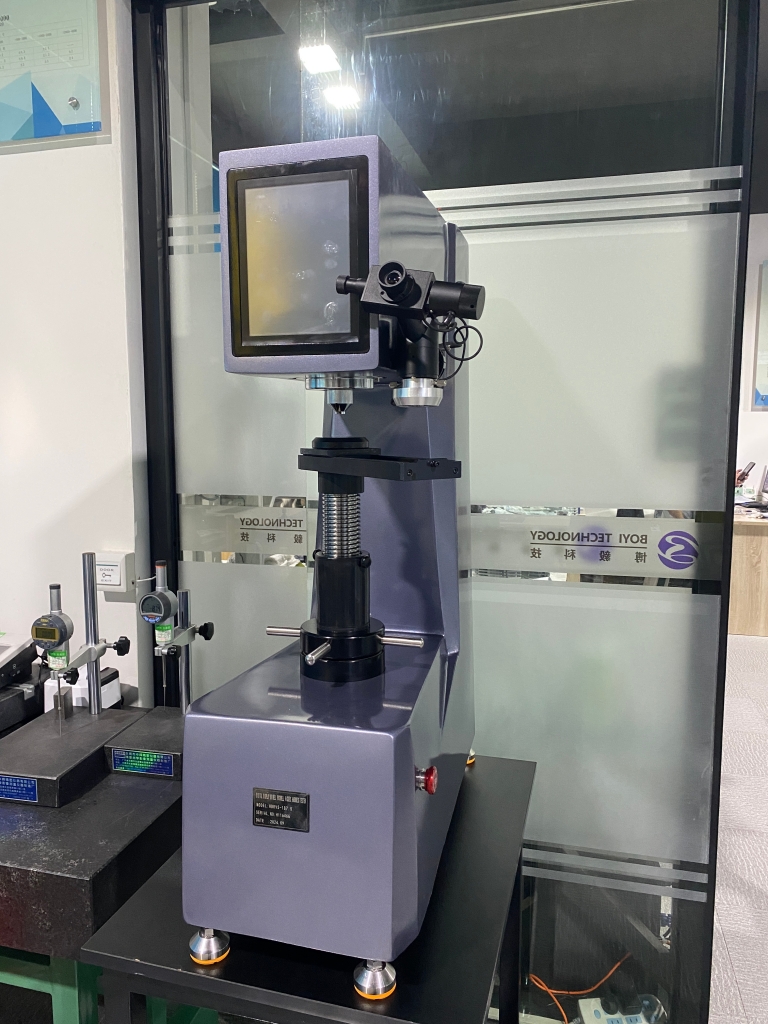
Metrology Expertise: Mastery in using and interpreting measurements from a range of precision instruments.
Basic CNC Programming Awareness: While not always required to write programs from scratch, understanding G-code allows operators to troubleshoot, make minor edits, and optimize cycles for efficiency.
Materials Science Fundamentals: Knowing how different materials (e.g., 6061-T6 aluminum vs. 304 stainless steel vs. PEEK plastic) behave during machining informs feed and speed selections.
Rigorous Attention to Detail & Safety Consciousness: A single decimal point error in an offset can scrap an expensive part. Safety protocols are paramount when dealing with high-speed spindles and cutting forces.
Why This Role is Critical for Your Custom Parts Project
When you partner with a machining service, you’re not just buying machine time; you’re investing in the collective skill of their team. The operator is your first and most important line of quality defense on the shop floor.
Guardian of Precision: The operator’s meticulous setup and in-process checks are what translate a theoretical tolerance on a drawing into a physical reality. Their skill directly impacts the consistency and accuracy of your batch of parts.
Efficiency Driver: An experienced operator can optimize setups, reduce cycle times through smart toolpath verification, and minimize material waste, contributing to more competitive pricing and faster lead times.
Problem Solver: When subtle issues arise—like chatter, poor surface finish, or dimensional drift—the operator’s experience is key to diagnosing and correcting the problem quickly, preventing large-scale production issues.
The GreatLight CNC Machining Factory Difference: Empowered Operators, Assured Quality
At GreatLight CNC Machining Factory, we view our CNC machine operators as essential engineers of the production process. Our commitment to excellence is embodied in how we support and integrate this critical role:
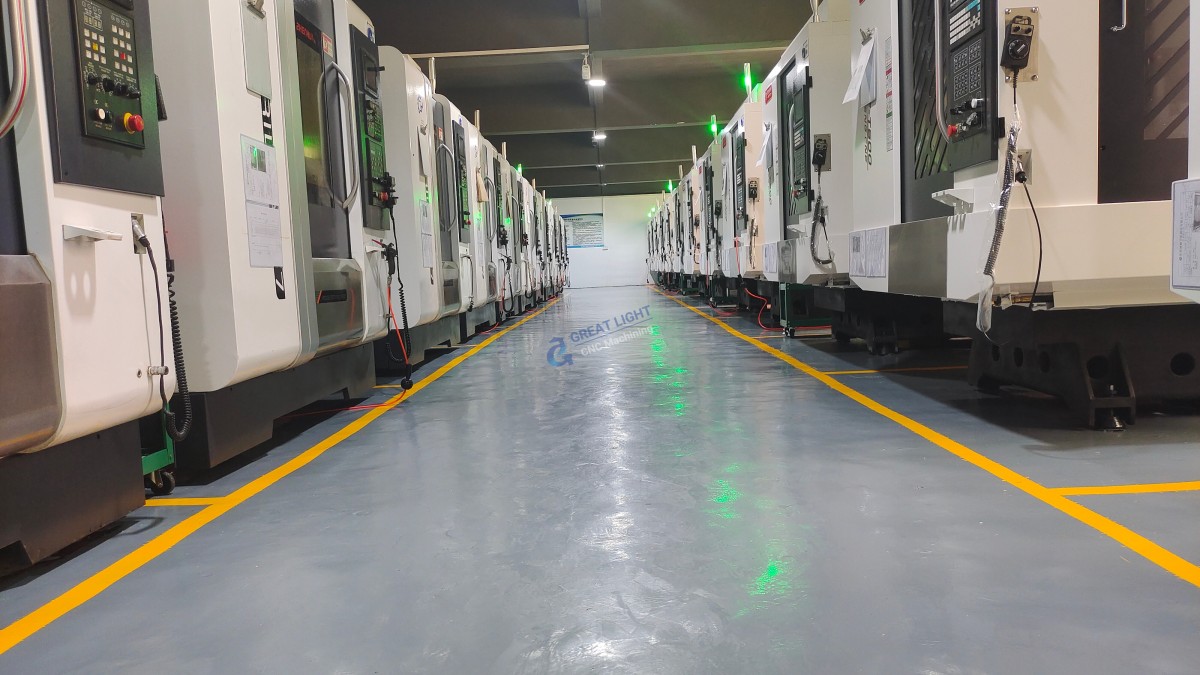
Advanced Tools for Precision: Operators at our facility are supported by state-of-the-art, brand-name 5-axis CNC machining centers and a full suite of precision metrology equipment. This empowers them to achieve and verify the extreme accuracies we promise.
Structured Training within a Certified Framework: Our operators work within the strict guidelines of our ISO 9001:2015 certified quality management system. For projects in specialized sectors, the frameworks of IATF 16949 (automotive) and ISO 13485 (medical) provide additional, industry-specific protocols that our teams are trained to follow, ensuring compliance and traceability.
From Operation to Collaboration: Our operators are part of a seamless workflow that connects directly with our programming and engineering teams. This integrated approach means insights from the shop floor can quickly inform process improvements, creating a feedback loop that continuously enhances quality and efficiency for client projects.
Conclusion
So, what is a CNC Machine Operator? They are the highly skilled professionals who breathe life into digital part files, applying technical knowledge, seasoned judgment, and unwavering attention to detail to ensure every component meets its design intent. Their role is a critical determinant of quality, cost, and delivery reliability in precision machining. When evaluating a manufacturing partner like GreatLight CNC Machining Factory, recognizing the expertise of the people behind the machines provides deeper insight into the true capability and reliability you can expect for your custom precision parts project.
Frequently Asked Questions (FAQ)
Q1: What’s the difference between a CNC Machine Operator and a CNC Programmer?
A: The CNC Programmer is responsible for creating the instructions (G-code) that guide the machine’s toolpath, using CAD/CAM software. The CNC Machine Operator is responsible for physically setting up the machine with the correct tools and material, running the program, and ensuring the parts are produced correctly. In some shops, especially with highly skilled technicians, these roles may overlap.
Q2: Can a good operator fix a bad program?
A: To a limited extent, yes. An experienced operator can often identify obvious errors in a program (like a rapid move causing a crash) and may make minor offset adjustments or feed/speed overrides. However, they cannot fundamentally fix a program with flawed geometry or strategy; that requires a programmer’s intervention.
Q3: How does operator skill affect the cost of my parts?
A: Significantly. A skilled operator minimizes setup time, reduces scrap rates by catching errors early, optimizes machine running parameters for tool life, and ensures first-pass success. This efficiency directly lowers labor and material waste costs, which can be reflected in more competitive pricing for you.
Q4: For a high-precision project (e.g., ±0.001mm), what should I ask a potential supplier about their operators?
A: Inquire about:
The average experience level of their operators.
Their training and certification processes.
How first-article inspection and in-process quality checks are performed and documented.
The level of metrology equipment (e.g., CMM, optical comparators) operators have access to for verification.
Q5: Why choose a manufacturer like GreatLight CNC Machining Factory that emphasizes operator skill?
A: Because it signifies a commitment to process control and consistent quality. Advanced machines are necessary, but they are only as reliable as the people who run them. A focus on operator expertise means your project benefits from human vigilance, problem-solving, and a culture of quality that purely automated lines cannot replicate, ensuring your precision parts are delivered reliably, batch after batch. For a deeper look at our team and technical capabilities, connect with us on LinkedIn.



















