

Understanding the Core of CNC Precision: The Software That Powers Five-Axis Machining
When clients in precision parts machining and customization seek solutions for complex metal components, the conversation inevitably turns to five-axis CNC machining. This advanced technology enables manufacturers to produce intricate geometries with unparalleled accuracy, but its capabilities hinge on a critical yet often overlooked component: the CNC program. Unlike conventional three-axis systems, five-axis machining requires sophisticated software to coordinate simultaneous tool movements across multiple planes, making the choice of programming solution pivotal to success.
The Role of CNC Software in Five-Axis Machining
CNC software serves as the "brain" of the machining process, translating 3D CAD models into machine-readable instructions (G-code) that guide toolpaths, spindle speeds, and feed rates. For five-axis CNC machining, the software must handle complex kinematic calculations to ensure the cutting tool maintains optimal contact with the workpiece at all angles. This is particularly crucial when machining aerospace components, humanoid robot parts, or automotive engine blocks, where even microscopic deviations can compromise functionality.
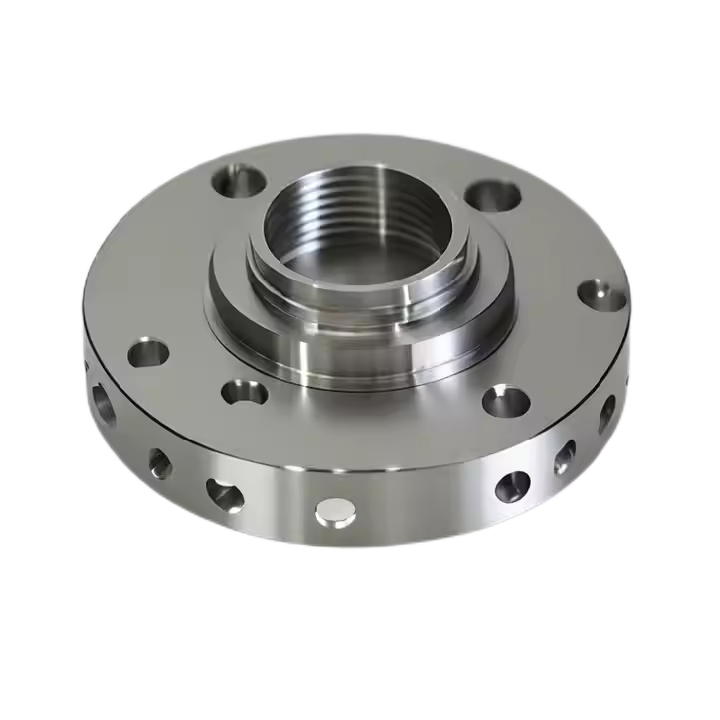
Key Functions of Five-Axis CNC Software:
Toolpath Generation:
Calculates optimal cutting paths for multi-axis movements, minimizing tool interference and maximizing material removal rates.
Supports advanced strategies like 5-axis simultaneous milling, swarf cutting, and impeller machining.
Collision Avoidance:
Simulates tool and machine movements in a virtual environment to detect potential collisions before production.
Adjusts toolpaths dynamically to accommodate fixture setups or irregular workpiece shapes.
Post-Processing:
Converts generic CAM output into machine-specific G-code, accounting for the unique kinematics of each CNC model.
Ensures compatibility with control systems from brands like Siemens, Heidenhain, or Fanuc.
Accuracy Optimization:
Compensates for thermal deformation, tool wear, and machine vibrations through real-time adjustments.
Integrates with in-process metrology systems for closed-loop quality control.
Why Five-Axis CNC Software Matters for Precision Parts
The transition from three-axis to five-axis machining isn’t just about adding rotational axes—it’s about unlocking geometric possibilities that were previously impossible. For example, a titanium aerospace bracket with undercut features might require multiple setups on a three-axis machine, increasing the risk of alignment errors. With five-axis software, the entire part can be machined in a single setup, ensuring ±0.001mm tolerance and reducing lead times by up to 70%.
Industry-Specific Applications:
Automotive: Machining complex engine ports or transmission housings with minimal post-processing.
Medical: Producing orthopedic implants with biocompatible surface finishes directly from the machine.
Robotics: Creating lightweight yet durable joints for humanoid robots with organic curves.
Choosing the Right CNC Software Partner
While many manufacturers invest in high-end CAM software like Mastercam, HyperMILL, or NX CAM, the true differentiator lies in the integration between software and hardware. This is where GreatLight CNC Machining Factory excels. As a professional five-axis CNC machining manufacturer, GreatLight combines cutting-edge software with 127 pieces of precision equipment, including large-format five-axis machining centers capable of handling parts up to 4000mm.
GreatLight’s Software Advantage:
Proprietary Post-Processors: Tailored G-code generation for each machine in their fleet, eliminating compatibility issues.
AI-Powered Optimization: Machine learning algorithms analyze historical data to predict and prevent tooling failures.
Cloud-Based Collaboration: Clients can review simulations and approve toolpaths remotely via secure portals, accelerating project timelines.
The Human Element: Skilled Operators vs. Automation
Despite advancements in software, five-axis machining remains a skill-intensive process. GreatLight’s team of 150 engineers and technicians undergoes continuous training to master both the software and the machines. This expertise is critical when:
Machining exotic materials like Inconel or carbon fiber composites.
Meeting ISO 13485 (medical) or IATF 16949 (automotive) standards for traceability and documentation.
Implementing hybrid manufacturing processes that combine additive and subtractive techniques.
Conclusion: Beyond Software—A Holistic Approach to Precision
While CNC software is indispensable for five-axis machining, its effectiveness depends on three pillars: advanced hardware, skilled personnel, and rigorous quality control. GreatLight CNC Machining Factory embodies this holistic approach, leveraging ISO 9001:2015-certified processes and in-house metrology labs to deliver parts that meet the most demanding specifications. Whether you’re prototyping a stainless steel 3D-printed component or scaling production of aluminum alloy housing, GreatLight’s five-axis CNC machining is the bridge between design and reality.
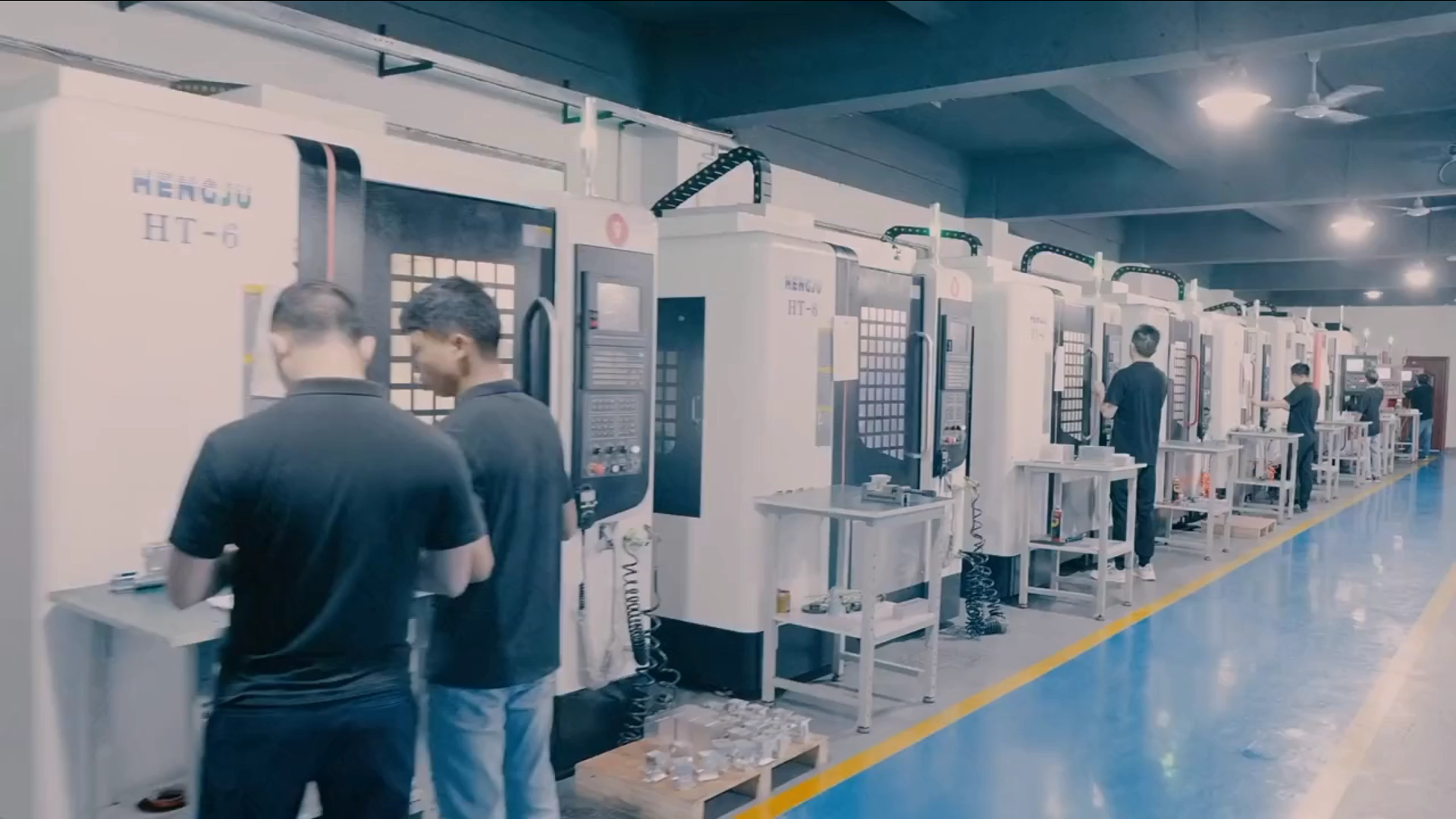
For more insights into their capabilities, visit GreatLight’s LinkedIn profile to explore case studies and client testimonials.
Frequently Asked Questions (FAQ)
Q1: What makes five-axis CNC software different from three-axis software?
Five-axis software must calculate toolpaths for simultaneous rotation around two additional axes (typically A and B or C), requiring advanced kinematic algorithms to avoid collisions and maintain cutting efficiency. Three-axis software, by contrast, only controls linear movements (X, Y, Z).
Q2: How does GreatLight ensure software compatibility with client CAD files?
GreatLight supports all major CAD formats (STEP, IGES, SOLIDWORKS, etc.) and uses neutral CAM systems like NX CAM to generate post-processed G-code for their specific machine controllers. They also offer design review services to identify potential machining challenges early in the project.
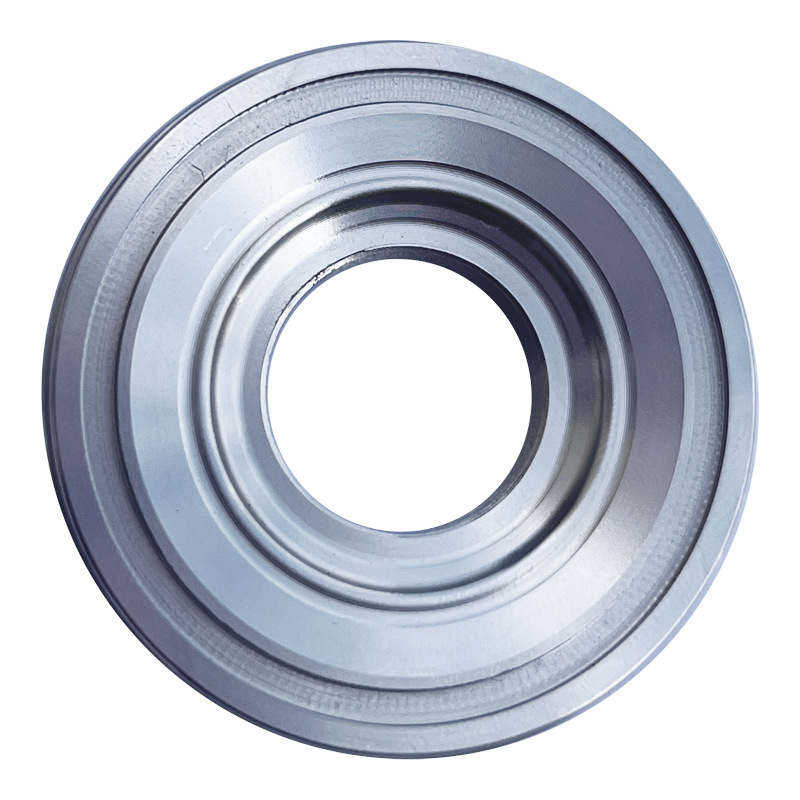
Q3: Can GreatLight modify existing programs for new part revisions?
Yes. Their software engineers can edit G-code or regenerate toolpaths based on updated CAD models, minimizing setup time for repeat orders or design iterations. This flexibility is particularly valuable for R&D-intensive industries like robotics.
Q4: What is the typical lead time for five-axis machined parts?
Lead times vary based on complexity, but GreatLight’s streamlined workflow—combining 3D printing for prototypes and five-axis machining for production—often delivers parts in 5–10 days, compared to 3–4 weeks for traditional multi-setup processes.
Q5: Does GreatLight offer training for clients’ in-house teams?
While GreatLight focuses on manufacturing, they can recommend authorized training partners for CAM software like Mastercam or HyperMILL. They also provide detailed machining reports to help clients understand process parameters for future projects.



















