
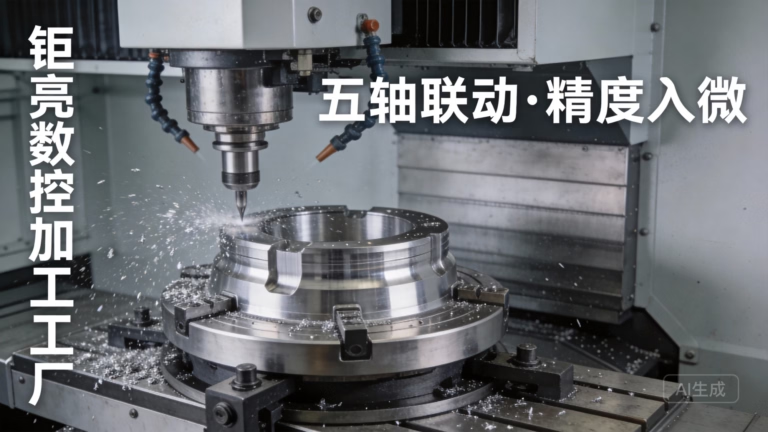
In the ever-evolving landscape of manufacturing, where the drive for precision, accessibility, and agility intensifies, a critical question emerges for engineers, startups, and innovators: what is mini CNC machine? Far from being merely a scaled-down version of its industrial counterparts, the mini CNC machine represents a paradigm shift—a democratization of precision machining that brings unparalleled capabilities to desktops, workshops, and R&D labs. This comprehensive exploration delves into the essence of these compact powerhouses, their transformative applications, and how they integrate into the broader ecosystem of precision manufacturing, a domain where specialists like GreatLight CNC Machining Factory excel in bridging the gap between prototyping and full-scale production.
Demystifying the Mini CNC Machine: A Compact Powerhouse
At its core, a mini CNC machine is a computer-numerically controlled device designed for subtractive manufacturing on a small, often benchtop, scale. It operates on the same fundamental principle as its larger siblings: a computer-guided system directs cutting tools to remove material from a workpiece (such as metal, plastic, wood, or composites) with high precision, following a pre-programmed digital design (CAD/CAM model). The “mini” designation typically refers to its reduced physical footprint, lower power consumption, smaller work envelope (the maximum size of part it can produce), and, often, a more accessible price point.
Think of it as a precision surgeon’s scalpel versus an industrial excavator. While a massive 5-axis gantry machine might sculpt entire aircraft components, a mini CNC machine is the ideal tool for intricate watch components, delicate electronic enclosures, detailed prototypes, custom jewelry, or precision modifications to existing small parts.
How Does a Mini CNC Machine Work? The Symphony of Precision in Miniature
The operational workflow mirrors standard CNC machining but is condensed and often simplified for user-friendliness:
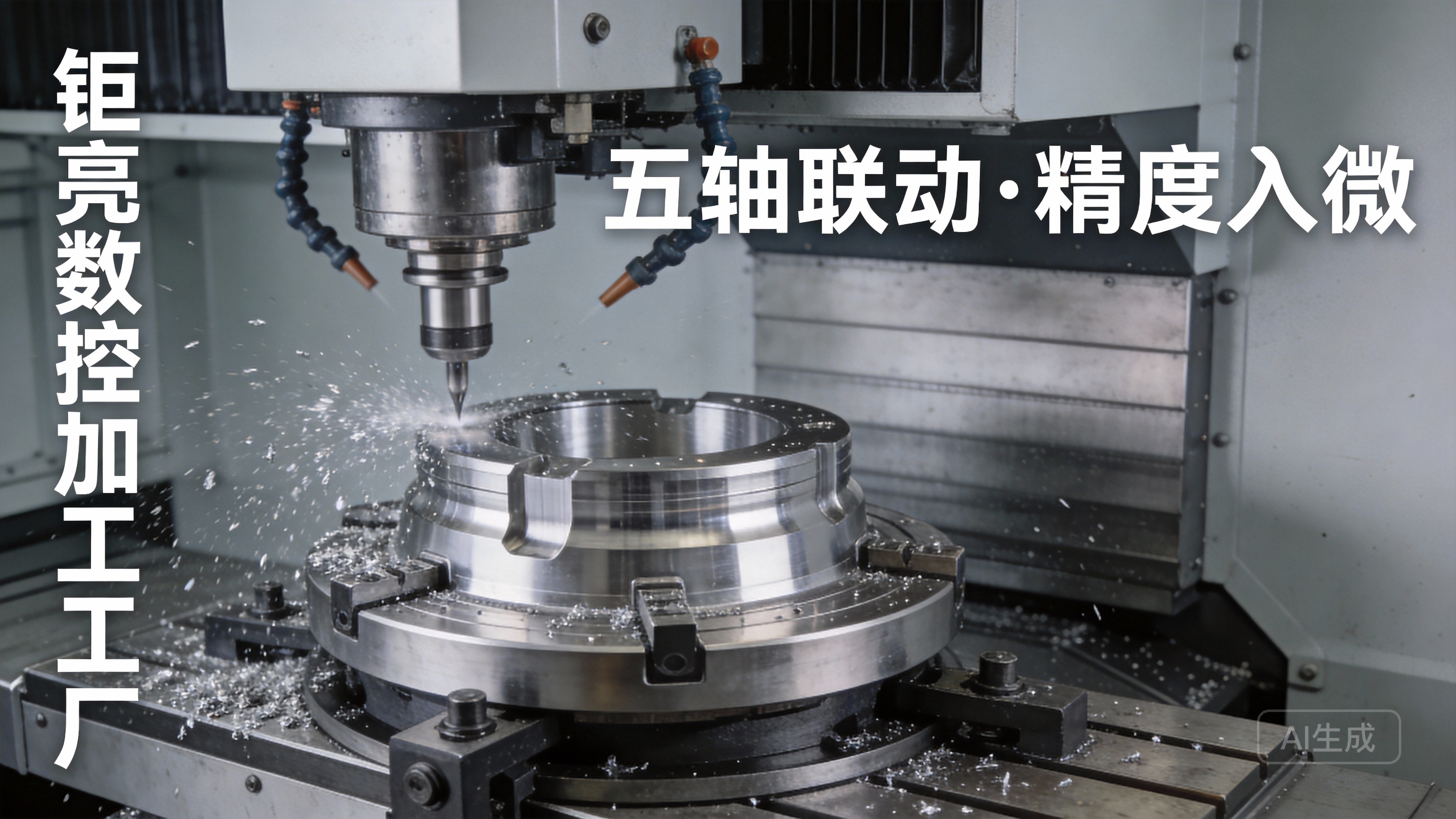
Design (CAD): A 3D model of the desired part is created using Computer-Aided Design software.
Programming (CAM): The CAD model is translated into a set of machine-readable instructions (G-code) using Computer-Aided Manufacturing software. This code dictates every movement of the tool.
Setup: The workpiece is securely fastened to the machine’s bed, and the appropriate cutting tool (end mill, drill bit, engraving bit) is installed in the spindle.
Execution: The machine’s controller interprets the G-code, commanding precise motors (stepper or servo) to move the spindle and/or the bed along the X, Y, and Z axes, selectively removing material.
Finishing: The completed part is removed, often requiring minimal post-processing like sanding or deburring.
Key Characteristics and Capabilities of Modern Mini CNC Machines
Today’s mini CNC machines are sophisticated systems offering features that were once exclusive to industrial settings:
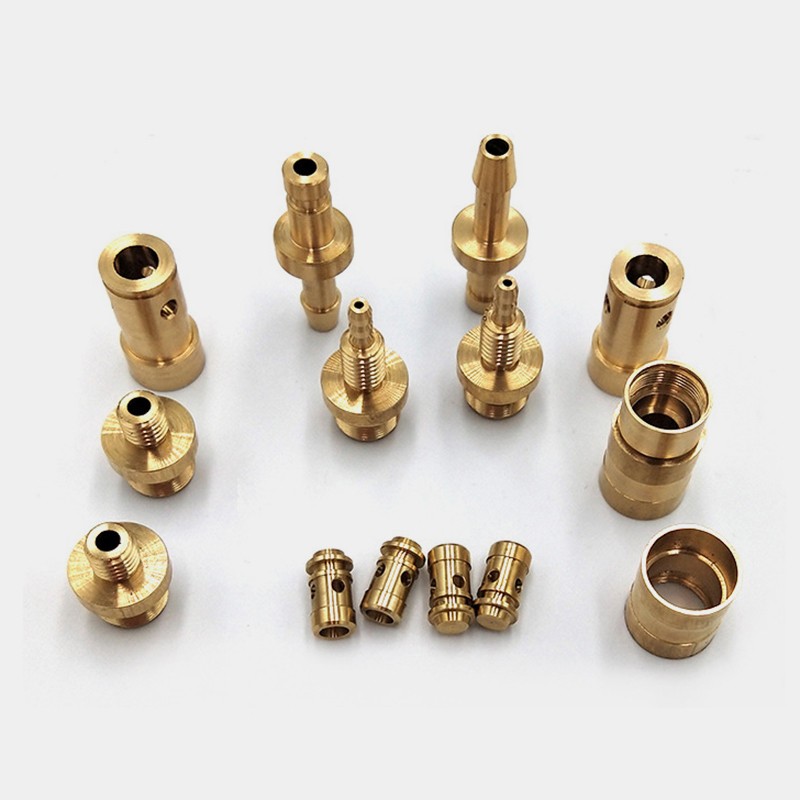
Multi-Axis Flexibility: While 3-axis (X, Y, Z) is standard, advanced mini CNC machines now offer 4-axis (adding rotational movement) and even 5-axis capabilities for complex geometries, all on a desktop.
Material Versatility: They can machine a wide array of materials, from soft plastics and woods to hard metals like aluminum, brass, and even some grades of steel, depending on the machine’s rigidity and spindle power.
High Precision: Modern miniaturized linear guides, ball screws, and precise motors enable repeatable accuracies often within ±0.025mm to ±0.1mm, sufficient for a vast range of professional applications.
Software Integration: They seamlessly work with popular, sometimes even open-source, CAD/CAM software, lowering the barrier to entry for designers and engineers.
Primary Applications: Where Mini CNC Machines Shine
The versatility of the mini CNC machine makes it indispensable across numerous sectors:
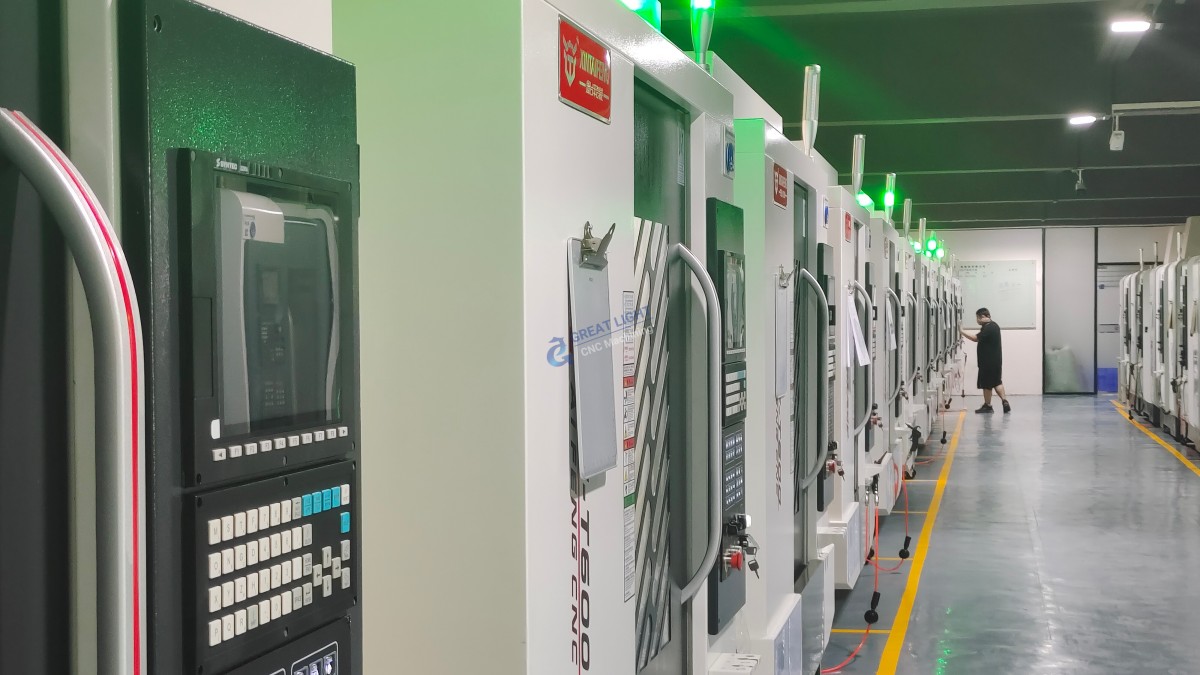
Rapid Prototyping: Engineers and product designers use them to quickly iterate functional prototypes directly from CAD data, testing form, fit, and function in-house.
Education and Research: Universities and labs employ them to teach manufacturing principles and conduct material science or micro-engineering experiments.
Small-Batch Production: For specialized, low-volume products—custom aerospace drones, specialized medical instruments, limited-edition automotive parts—they offer a cost-effective production solution.
Tool and Mold Making: They are perfect for creating precise jigs, fixtures, and even small injection mold inserts.
Personalized Fabrication: Artists, jewelers, and makers use them to create intricate, customized items that would be impossible to produce manually.
Advantages and Limitations: A Balanced View
Advantages:
Accessibility & Lower Capital Investment: Dramatically lower cost than industrial CNC machines.
Space Efficiency: Fits in a small workshop, lab, or office.
Rapid Turnaround: Enables immediate prototyping and adjustments without relying on external suppliers.
Reduced Operational Complexity: Often designed with simpler setup and maintenance in mind.
Limitations:
Limited Work Envelope: Cannot produce large parts.
Lower Material Removal Rates: Machining hard metals can be slower.
Reduced Ultimate Rigidity: May struggle with the highest tolerances (±0.001mm) required for some mission-critical aerospace or medical components over long production runs.
Choosing the Right Path: Mini CNC for Development, Professional Partners for Production
This is where a strategic manufacturing ecosystem comes into play. A mini CNC machine is the ultimate tool for development, validation, and ultra-low-volume production. It empowers teams to maintain control and speed during the ideation phase.
However, when a project scales to serial production, requires materials like titanium or Inconel, demands certified traceability, or calls for tolerances under ±0.005mm, the expertise and capacity of a professional manufacturer become non-negotiable. This is the seamless handoff point.
For instance, a startup might use their in-house mini CNC machine to perfect the first 10 prototypes of a new sensor housing. Once the design is frozen and an order for 5,000 units is received, partnering with a certified expert like GreatLight CNC Machining Factory ensures the parts are produced efficiently, consistently, and to the highest quality standards using industrial 5-axis CNC centers, with full post-processing and quality inspection support. GreatLight’s expertise in precision 5-axis CNC machining services provides the necessary scalability, material mastery, and quality assurance that desktop machines cannot economically provide at volume.
Conclusion
So, what is mini CNC machine? It is the empowering bridge between digital design and physical reality for a new generation of creators and engineers. It represents agility, accessibility, and the power to innovate at speed. Yet, its true potential is fully realized when viewed as part of a larger manufacturing strategy. For prototypes and small batches, it is unparalleled. For scaling innovation into reliable, high-performance products that meet stringent industry standards, the collaboration with seasoned precision manufacturing partners is essential. In this integrated approach, tools like the mini CNC machine and experts like GreatLight CNC Machining Factory together form a complete, resilient, and innovative supply chain for the modern world.
Frequently Asked Questions (FAQ)
Q1: Can a mini CNC machine achieve the same precision as an industrial CNC machine?
A: While modern mini CNC machines are remarkably precise, industrial-grade machines from suppliers like GreatLight CNC Machining Factory generally offer superior long-term stability, rigidity, and thermal control, allowing them to consistently hold tighter tolerances (e.g., ±0.001mm) over large production runs and with tougher materials. The mini CNC is perfect for prototyping and learning, but for certified production-grade precision, professional equipment is required.
Q2: What are the main cost factors beyond the initial purchase of a mini CNC?
A: Consider ongoing costs for cutting tools (end mills, drills), workholding fixtures, replacement parts, CAM software licenses, and materials. Furthermore, operator training and time for programming and setup are significant hidden costs. For production, outsourcing to a specialist can often be more cost-effective when factoring in all these variables.
Q3: What materials can I realistically machine with a benchtop mini CNC?
A: Most can handle plastics, woods, and soft metals like aluminum and brass very well. Machining steel or stainless steel is possible with robust models but will be slower and cause more tool wear. For challenging alloys like titanium or hardened steels, industrial machines with high-pressure coolant and more powerful spindles, like those at GreatLight CNC Machining Factory, are necessary.
Q4: How does using a mini CNC for prototyping integrate with later mass production?
A: Seamlessly. The CAD/CAM files developed and proven on your mini CNC machine can typically be directly used by a professional manufacturer. The prototype validates the design. Then, a partner like GreatLight can optimize the process for mass production—selecting the ideal material grade, optimizing tool paths for speed, and implementing rigorous quality control—ensuring a smooth transition from prototype to product.
Q5: For a business, is it better to buy a mini CNC or outsource all machining?
A: It depends on your volume, complexity, and core competencies. An in-house mini CNC machine is excellent for rapid iteration, confidentiality, and absolute control over urgent, small tasks. Outsourcing is superior for larger batches, complex geometries requiring 5-axis machining, materials beyond your machine’s capability, and when you require certified quality documentation (e.g., for medical or automotive parts). Many successful firms use a hybrid model. You can follow industry leaders like GreatLight Metal on professional networks such as LinkedIn to see how they collaborate with clients across this spectrum.



















