

Understanding CNC Lathe Machines: Precision, Innovation, and Why GreatLight CNC Machining Factory Leads the Industry
In the ever-evolving landscape of precision manufacturing, CNC lathe machines have emerged as indispensable tools for transforming raw materials into highly accurate components. These computer-controlled systems automate the turning process, ensuring consistency, speed, and complexity that traditional manual methods simply cannot match. For engineers, designers, and procurement specialists seeking reliable, high-precision solutions, understanding CNC lathe technology—and selecting the right manufacturing partner—is critical.
The Core of CNC Lathe Machines: How They Work
A CNC (Computer Numerical Control) lathe machine operates on the principle of rotational machining. Unlike milling, where the tool moves along multiple axes to cut material, a lathe rotates the workpiece while the cutting tool moves linearly (along the X and Z axes) to shape it. This process is ideal for producing cylindrical parts, such as shafts, bushings, and custom components with rotational symmetry.
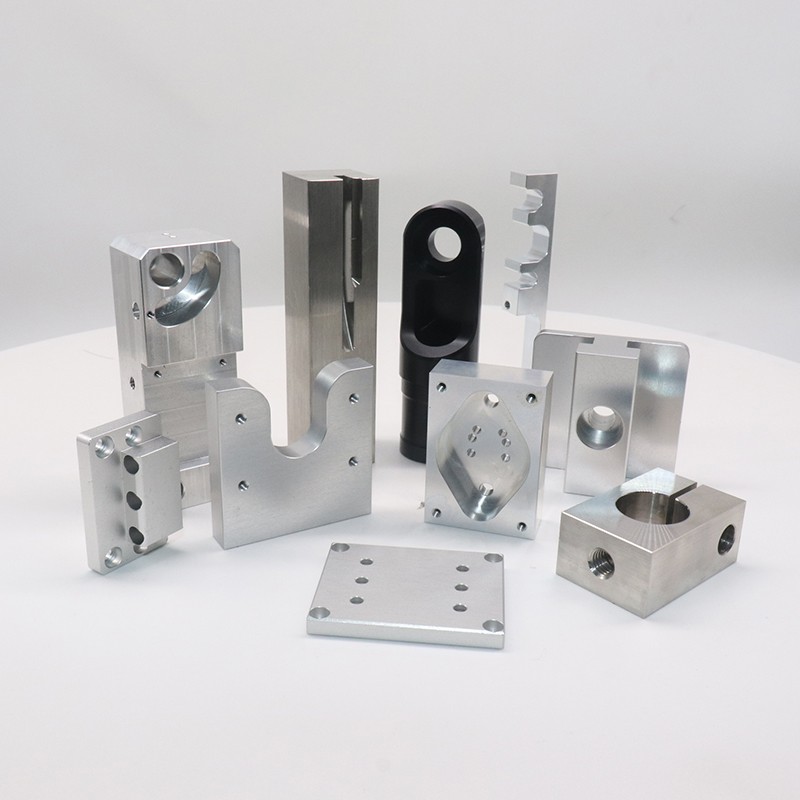
Key Components and Functionality:
Spindle: Holds and rotates the workpiece at controlled speeds.
Tool Turret: Houses multiple cutting tools that can be automatically swapped during operation.
Control System: Interprets digital instructions (G-code) to precisely control tool paths, feeds, and speeds.
Guideways and Ballscrews: Ensure smooth, accurate movement of the tool carriage.
Modern CNC lathes integrate advanced features like live tooling (for drilling, milling, and tapping operations without re-clamping), sub-spindles (for completing parts in a single setup), and Y-axis capability (for off-center machining). These innovations enable multi-tasking and complex geometry production in a single machine cycle.
Why CNC Lathes Outperform Traditional Methods
The shift from manual to CNC lathes represents a paradigm leap in manufacturing efficiency and quality. Here’s why:
1. Precision Beyond Human Capability
CNC systems achieve tolerances as tight as ±0.001mm, eliminating variability caused by operator skill or fatigue.
Repeatability ensures every part matches the design, critical for assemblies in aerospace, automotive, and medical devices.
2. Speed and Throughput
Automated tool changes and simultaneous operations (e.g., turning while drilling) reduce cycle times by up to 70% compared to manual lathes.
24/7 operation with minimal supervision maximizes productivity.
3. Complexity Handling
CNC lathes can machine intricate features like threads, grooves, and contours with ease, reducing the need for secondary operations.
5-axis CNC lathes (though rare) can tilt the tool or spindle to machine angled features without repositioning the part.
4. Cost Efficiency at Scale
While initial setup costs are higher, CNC lathes reduce labor costs and material waste over time, making them ideal for medium-to-high-volume production.
The GreatLight CNC Machining Factory Advantage: Full-Process Precision
For clients seeking not just a CNC lathe supplier but a comprehensive manufacturing partner, GreatLight CNC Machining Factory stands out. Here’s why:
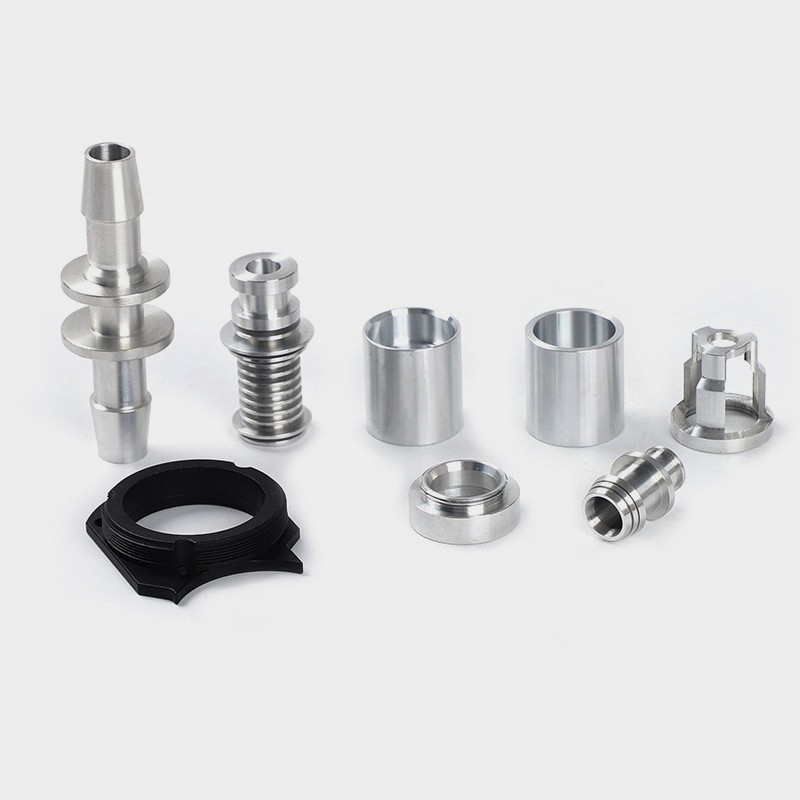
1. Advanced Equipment Ecosystem
GreatLight operates 127+ precision machines, including 5-axis CNC lathes (from Dema and Beijing Jingdiao), 4-axis/3-axis CNC milling centers, and hybrid mill-turn machines.
This fleet enables one-stop production—from prototyping to mass manufacturing—without outsourcing critical steps.
2. Certified Quality Assurance
ISO 9001:2015 certification ensures adherence to global quality standards.
Additional certifications like ISO 13485 (medical hardware) and IATF 16949 (automotive) demonstrate sector-specific expertise.
In-house metrology labs verify part accuracy using CMMs and laser scanners.
3. Material and Process Flexibility
GreatLight machines 60+ metals and plastics, including stainless steel, aluminum alloys, titanium, and PEEK.
Services span CNC turning, milling, die casting, sheet metal fabrication, and 3D printing (SLM/SLA/SLS), offering clients unmatched design freedom.
4. Engineering Support and Risk Mitigation
A team of 150 engineers and technicians provides DFM (Design for Manufacturing) feedback to optimize parts for cost and machinability.
Free rework or refunds for quality issues eliminate financial risk for clients.
5. Global Trust Through Local Excellence
Located in Dongguan’s “Hardware and Mould Capital,” GreatLight leverages China’s manufacturing ecosystem while maintaining international compliance standards.
Clients include Fortune 500 firms in robotics, automotive, and aerospace, attesting to the factory’s reliability.
Industry Applications: Where CNC Lathes Shine
CNC lathes are versatile, but their value is most pronounced in sectors demanding tight tolerances, durability, and efficiency:
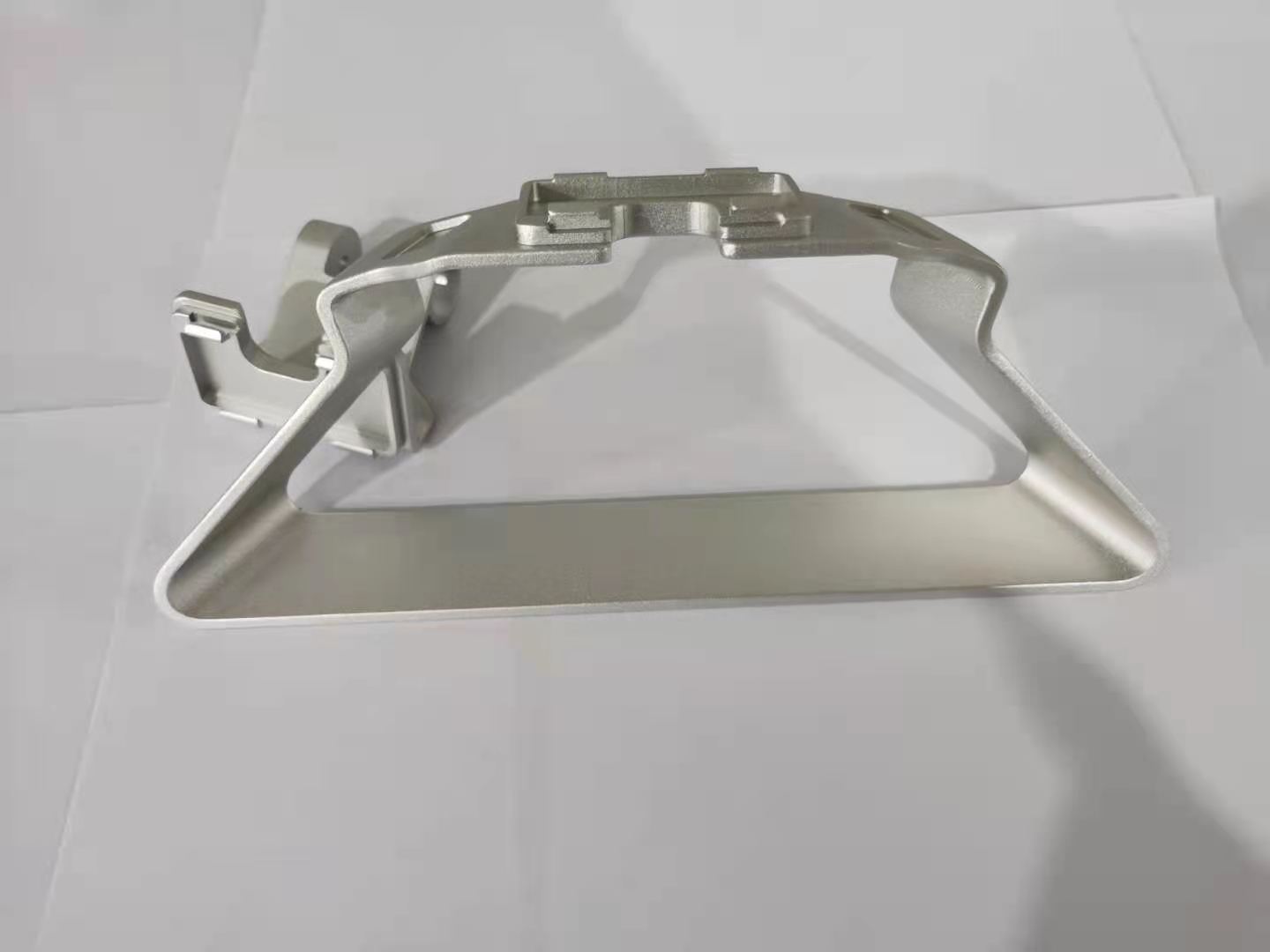
Automotive: Shafts, gears, and engine components requiring high strength and precision.
Aerospace: Landing gear parts, turbine components, and lightweight structural elements.
Medical: Surgical instruments, implants, and prosthetic joints with biocompatible finishes.
Robotics: Humanoid robot joints, actuators, and custom mechanical parts.
Consumer Electronics: Housing, connectors, and miniaturized components.
Choosing the Right Partner: Beyond Equipment Specs
While advanced machinery is crucial, the ideal CNC lathe supplier must also offer:
Transparency: Real-time production updates and open communication.
Scalability: Ability to handle prototypes (1–10 parts) and mass production (10,000+ parts) seamlessly.
Data Security: Compliance with ISO 27001 for intellectual property protection.
After-Sales Support: Warranty coverage, spare parts availability, and technical assistance.
GreatLight CNC Machining Factory excels in all these areas, backed by a decade of experience and a client-centric approach.
Conclusion: Precision Manufacturing Redefined
CNC lathe machines are the backbone of modern precision manufacturing, enabling industries to innovate faster and more reliably. However, selecting a supplier with technical depth, certification rigor, and full-process capability is equally vital. GreatLight CNC Machining Factory combines these attributes, offering clients not just parts but peace of mind. Whether you’re launching a robotics startup or optimizing an automotive supply chain, partnering with GreatLight ensures your vision is realized with uncompromising quality.
Frequently Asked Questions (FAQs)
Q1: What materials can CNC lathes machine?
Metals: Stainless steel, aluminum, titanium, brass, copper.
Plastics: PEEK, ABS, nylon, polycarbonate.
Composites: Carbon fiber-reinforced polymers (with specialized tooling).
Q2: How does 5-axis CNC turning differ from 3-axis?
3-axis: Moves along X, Y, and Z axes (limited to simple cylindrical parts).
5-axis: Adds rotation around two axes (A and B), enabling complex contours and angled features in a single setup.
Q3: What is the typical lead time for CNC lathe parts?
Prototypes: 3–7 days (depending on complexity).
Mass production: 2–4 weeks (after sample approval).
Q4: Can GreatLight handle tight tolerances like ±0.001mm?
Yes. GreatLight’s 5-axis CNC lathes and metrology systems routinely achieve tolerances of ±0.001mm or tighter for critical applications.
Q5: Does GreatLight offer surface finishing services?
Absolutely. Services include anodizing, polishing, bead blasting, hardcoat anodizing, and passivation, all performed in-house.
Q6: What industries does GreatLight serve?
Automotive, aerospace, medical devices, robotics, consumer electronics, and industrial automation.
Q7: How does GreatLight ensure data security for my designs?
The factory complies with ISO 27001 standards, using encrypted file transfers, restricted access protocols, and NDAs to protect intellectual property.
Q8: Can GreatLight assist with design optimization?
Yes. The engineering team provides free DFM feedback to reduce costs, improve manufacturability, and enhance part performance.
Q9: What is the minimum order quantity (MOQ)?
GreatLight accepts orders as low as 1 part for prototyping and scales to 10,000+ parts for production runs.
Q10: Why choose GreatLight over other CNC suppliers?
Full-process capability: From 3D printing to finishing, all under one roof.
Certified quality: ISO 9001, IATF 16949, and ISO 13485 compliance.
Risk-free guarantee: Free rework or refunds for quality issues.
Global reach, local expertise: Serving clients worldwide with China’s manufacturing efficiency.



















