
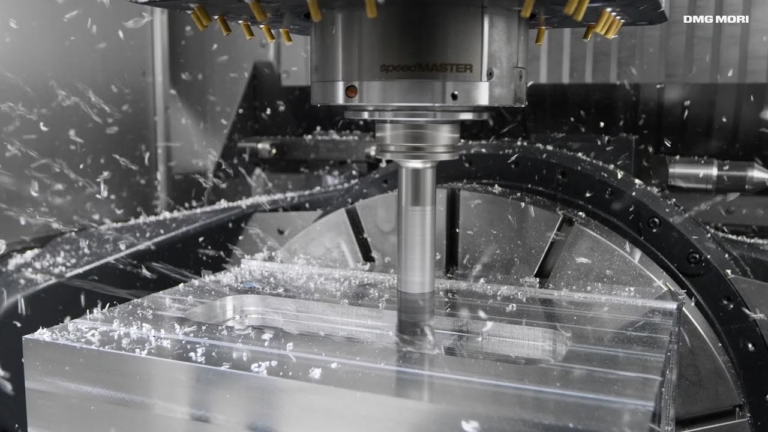
What Is A CNC Mill Machine? This is a question that often arises for engineers, product designers, and procurement teams seeking to turn digital designs into physical precision parts that meet strict performance and quality standards. In the fast-paced world of modern manufacturing, CNC milling has emerged as an indispensable technology, bridging the gap between conceptual CAD models and functional, high-tolerance components used in everything from automotive engines to life-saving medical devices.
What Is A CNC Mill Machine?
At its core, a CNC (Computer Numerical Control) mill machine is an automated subtractive manufacturing tool that uses pre-programmed computer software to control the movement of cutting tools and workpieces. Unlike manual milling machines, which rely on human operators to guide cutting tools via hand cranks or levers, CNC mills follow precise digital instructions to remove material from a workpiece, shaping it into the desired form.
The process begins with a 3D CAD (Computer-Aided Design) model of the part. This model is then converted into G-code (the universal programming language for CNC machines) using CAM (Computer-Aided Manufacturing) software. The G-code contains detailed instructions for the machine’s axes, spindle speed, feed rate, and tool selection. Once programmed, the CNC mill executes these instructions with minimal human intervention, ensuring consistent results across every part produced.
Core Components of a CNC Mill Machine
To understand how CNC mills deliver such high precision, it’s important to break down their key components and their roles:
CNC Controller
The “brain” of the machine, the CNC controller reads the G-code and translates it into electrical signals that drive the machine’s motors. Modern controllers feature user-friendly interfaces with real-time monitoring, allowing operators to adjust parameters or pause operations if needed. GreatLight uses state-of-the-art controllers on all its machines to ensure accurate execution of complex programs.
Spindle and Cutting Tools
The spindle holds the cutting tool and rotates it at high speeds (typically 1,000 to 20,000 RPM) to remove material from the workpiece. Cutting tools vary depending on the material and part geometry: end mills for milling flat surfaces and pockets, ball mills for curved surfaces, drill bits for holes, and taps for threads. GreatLight maintains a large inventory of high-quality cutting tools to minimize tool wear and ensure optimal surface finishes.
Axis Systems
CNC mills are classified by the number of axes they can move along:
3-Axis: Moves along three linear axes (X, Y, Z), suitable for simple parts like brackets or flat components.
4-Axis: Adds one rotational axis (usually A or B), allowing the workpiece to be rotated for multi-face machining without re-fixturing. This is ideal for parts like gears or turbine blades.
5-Axis: Adds two rotational axes, enabling simultaneous movement along all five axes. This eliminates multiple setups, reduces alignment errors, and allows for machining complex, organic shapes. GreatLight specializes in 5-axis CNC machining services (opening in new window), with high-end machines capable of achieving tolerances as tight as ±0.001mm.
Worktable and Fixturing
The worktable supports the workpiece, while fixturing (clamps, vises, or custom jigs) secures it in place to prevent movement during machining. GreatLight uses precision fixturing solutions tailored to each part, ensuring consistent positioning and reducing the risk of errors during production.
Automatic Tool Changer (ATC)
An ATC swaps cutting tools automatically based on the G-code instructions, eliminating the need for manual tool changes and reducing downtime. GreatLight’s machines feature fast, reliable ATCs that can change tools in under 2 seconds, improving production efficiency for high-volume orders.
Common Types of CNC Mill Machines
CNC mills come in several types, each designed for specific applications:
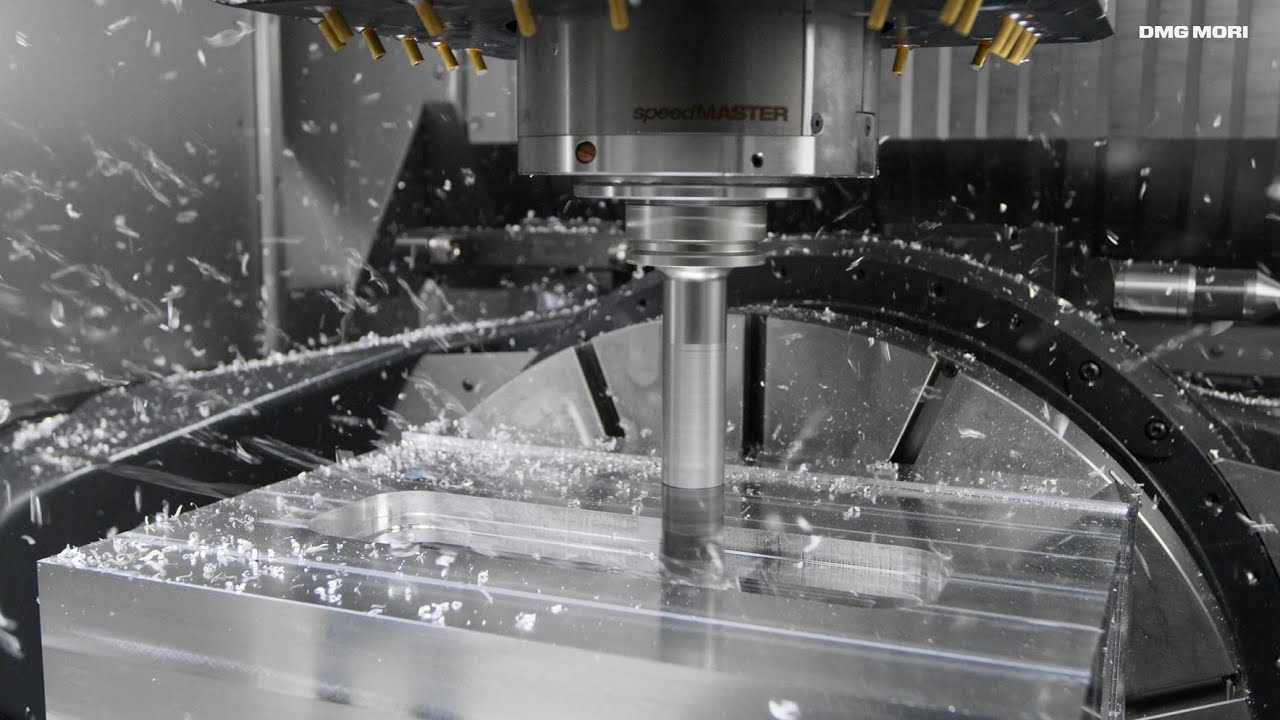
Vertical CNC Mills
Vertical mills have a spindle that points downward, parallel to the Z-axis. They are compact, affordable, and ideal for drilling, tapping, and machining small to medium-sized parts with simple geometries. Vertical mills are commonly used for producing mold inserts, electronic components, and small mechanical parts.
Horizontal CNC Mills
Horizontal mills have a spindle that points horizontally, perpendicular to the Z-axis. They are better suited for heavy-duty machining, deep cuts, and parts that require multi-face access. Horizontal mills often use pallet changers to load new workpieces while machining is in progress, maximizing uptime. GreatLight uses horizontal CNC mills for machining automotive engine blocks and large aerospace components.
Gantry CNC Mills
Gantry mills are large-scale machines where the spindle is mounted on a gantry structure that moves over a stationary worktable. They are capable of machining oversized parts up to 4000mm in length, making them ideal for aerospace structures, large mold bases, and heavy industrial equipment. GreatLight’s gantry mills allow it to handle even the largest precision part orders.
5-Axis CNC Mills
5-axis CNC mills are the most advanced type, offering simultaneous movement along all five axes (three linear, two rotational). This technology enables the machining of highly complex parts with undercuts, organic curves, and intricate contours in a single setup. GreatLight’s 5-axis mills are a top choice for clients in the humanoid robotics industry, where parts like joint components require extreme precision and complex geometries.
Key Benefits of CNC Milling in Precision Manufacturing
CNC milling offers a range of advantages over traditional manual machining and other manufacturing processes:
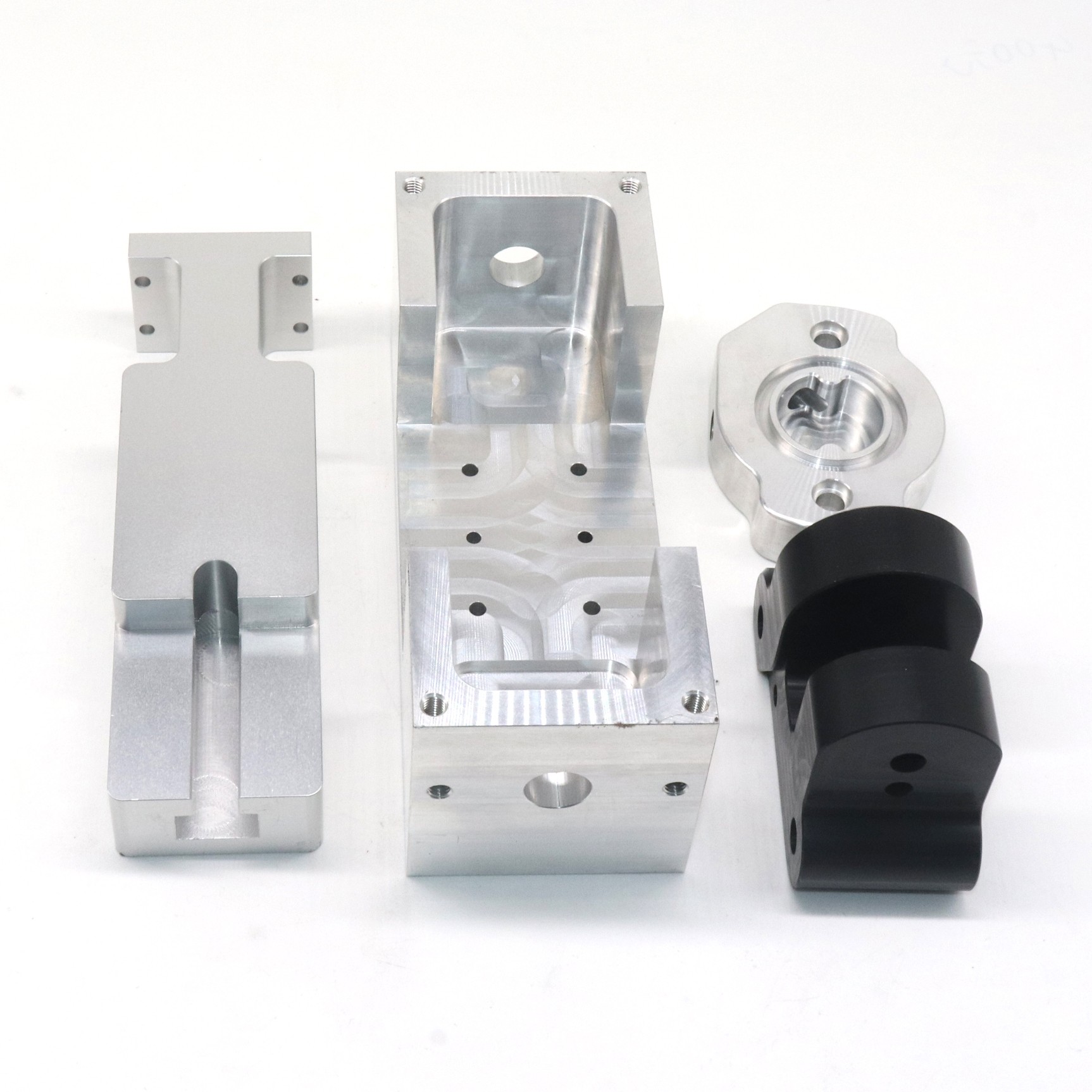
Unmatched Precision and Repeatability
CNC mills can hold tolerances as tight as ±0.001mm, which is critical for high-end applications where even a tiny deviation can affect performance. Unlike manual machining, which is prone to human error, CNC milling produces identical parts every time. GreatLight’s ISO 9001:2015 certification ensures that all processes are standardized to maintain this precision across every project.
Ability to Machine Complex Geometries
Traditional machining methods struggle with intricate shapes like undercuts, organic curves, or complex internal features. 5-axis CNC milling, however, can access all sides of a workpiece without re-fixturing, allowing for the production of parts that were once considered unmanufacturable. For example, GreatLight uses 5-axis milling to produce titanium alloy medical implants with precise contours that fit perfectly into a patient’s anatomy.
Efficiency and Scalability
CNC mills can operate 24/7 with minimal human supervision, reducing lead times and increasing production capacity. GreatLight offers both rapid prototyping (delivering parts in 2-3 days) and mass production, making it a flexible partner for clients at every stage of product development.
Material Versatility
CNC milling works with a wide range of materials, including:
Metals: Aluminum alloys, stainless steel, titanium, mold steel, brass, copper
Plastics: ABS, POM, PC, nylon, PVC
GreatLight also complements its CNC milling services with 3D printing capabilities for metal and plastic parts, offering clients a complete solution for their manufacturing needs.
Reduced Waste and Cost Optimization
Advanced CAM software optimizes tool paths to minimize material waste, while automated operation reduces labor costs. GreatLight’s team of experienced CAM programmers uses cutting-edge software to generate efficient tool paths, ensuring that clients get the most value from their material investments.
Choosing the Right CNC Milling Partner: GreatLight vs. Industry Competitors
When selecting a CNC milling service provider, there are several key factors to consider: equipment quality, precision capabilities, certifications, full-process support, and after-sales service. GreatLight CNC Machining Factory (GreatLight Metal) stands out as a leading choice in all these areas:
Equipment and Technical Capabilities
GreatLight operates three wholly-owned manufacturing plants with over 127 pieces of precision equipment, including high-end 5-axis, 4-axis, and 3-axis CNC machining centers, lathes, milling machines, EDM machines, and 3D printers (SLM, SLA, SLS). This comprehensive equipment portfolio allows GreatLight to handle any project, from simple 3-axis parts to complex 5-axis components.
Precision and Quality Control
GreatLight’s CNC mills can achieve tolerances of ±0.001mm, and the company uses in-house coordinate measuring machines (CMM) and other precision inspection tools to verify that every part meets client specifications. With ISO 9001:2015, IATF 16949 (automotive), ISO 13485 (medical), and ISO 27001 (data security) certifications, GreatLight adheres to the highest international standards for quality and compliance.
Full-Process and One-Stop Services
Unlike many competitors that only offer CNC milling, GreatLight provides a complete range of manufacturing services, including die casting, sheet metal fabrication, vacuum casting, 3D printing, and post-processing. This one-stop approach eliminates the need for clients to work with multiple suppliers, streamlining project management and ensuring consistent quality across all stages of production.
After-Sales Guarantee
GreatLight stands behind its work with a robust after-sales guarantee: if a part has quality issues, the company offers free rework. If rework still doesn’t meet client satisfaction, GreatLight provides a full refund. This commitment to client satisfaction sets GreatLight apart from competitors that may lack such comprehensive support.
Competitor Comparison
Some suppliers offer only 3-axis milling services, limiting their ability to handle complex parts. Others may have outdated equipment that can’t achieve tight tolerances or meet strict quality standards. Additionally, many suppliers outsource post-processing, leading to longer lead times and potential quality inconsistencies. GreatLight’s in-house capabilities, advanced equipment, and strict quality controls address all these pain points, making it a reliable partner for clients worldwide.
Real-World Applications: GreatLight’s CNC Milling Success Stories
GreatLight has over a decade of experience solving complex manufacturing challenges for clients in various industries. Here are a few examples of how the company has delivered value:
Automotive Industry: New Energy Vehicle E-Housing Machining
A leading new energy vehicle manufacturer needed to produce complex aluminum alloy e-housings with tight tolerances to ensure efficient battery cooling. The part featured intricate internal channels and required a surface finish that could withstand harsh environmental conditions.
GreatLight’s solution: Used 5-axis CNC milling to machine the e-housing in a single setup, eliminating alignment errors that can occur with multiple setups. The company applied IATF 16949 standards to ensure compliance with automotive industry requirements, and used in-house CMM inspections to verify every part’s precision. GreatLight delivered the first batch of prototypes in 2 weeks, with a 100% pass rate on quality checks.
Humanoid Robotics: Titanium Alloy Joint Component Production
A robotics startup needed titanium alloy joint components for their humanoid robot, which required tolerances of ±0.002mm to ensure smooth, precise movement. The parts had complex geometries with undercuts and curved surfaces that were difficult to machine with traditional methods.
GreatLight’s solution: Leveraged its 5-axis CNC mills with high-speed spindles to machine the joint components in one setup. The company used specialized cutting tools for titanium alloy to ensure a smooth surface finish, and performed rigorous CMM inspections to meet the tight tolerance requirements. GreatLight delivered prototypes in 3 days, and the client was so satisfied that they awarded a mass production order shortly after.
Medical Devices: Stainless Steel Surgical Instrument Components
A medical device company needed stainless steel surgical instrument components with biocompatible surface finishes and strict adherence to FDA guidelines. The parts required precise machining to ensure they could be sterilized repeatedly without degradation.
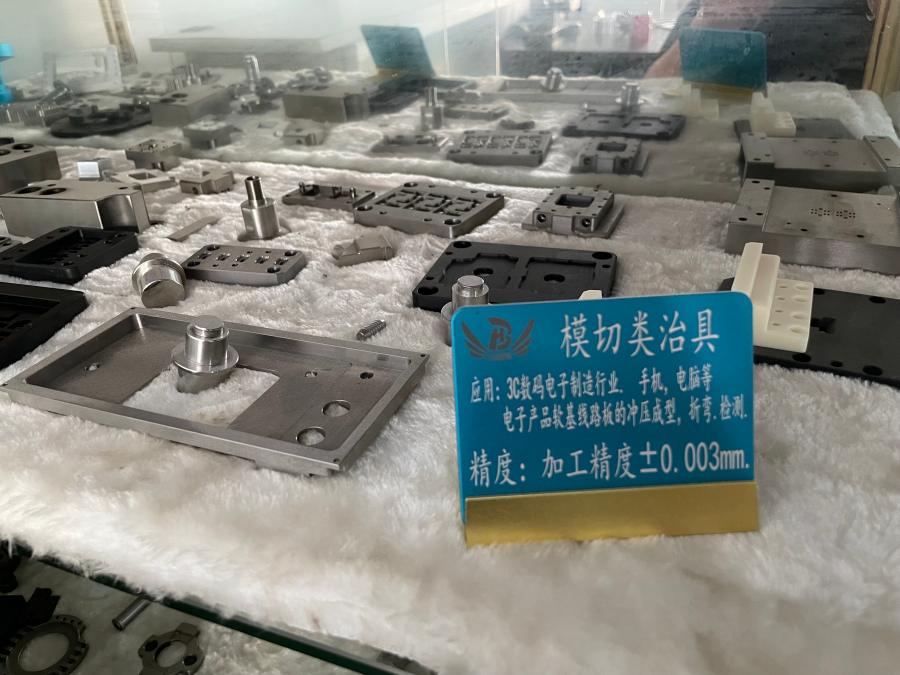
GreatLight’s solution: Used 4-axis CNC milling to machine the components, followed by passivation and electropolishing post-processing to achieve the required biocompatible surface finish. The company complied with ISO 13485 standards, and all parts passed FDA inspection. GreatLight was able to scale production from 100 prototype parts to 10,000 mass production parts within 4 weeks.
Conclusion
What Is A CNC Mill Machine? It’s a versatile, precision-driven manufacturing tool that has revolutionized the way we produce parts for high-tech industries. From simple 3-axis components to complex 5-axis geometries, CNC milling offers unmatched precision, repeatability, and efficiency. When choosing a CNC milling partner, it’s essential to select a provider with advanced equipment, strict quality controls, comprehensive services, and a proven track record of delivering results.
GreatLight CNC Machining Factory (GreatLight Metal) is the ideal choice for all your CNC milling needs. With over a decade of experience, 127+ precision machines, international certifications, one-stop post-processing services, and a robust after-sales guarantee, GreatLight can solve even the most complex manufacturing challenges. Whether you need rapid prototypes or mass production parts, GreatLight’s team of experts will work closely with you to deliver high-quality parts on time and within budget. For more insights into our industry-leading projects and capabilities, connect with us at GreatLight Metal (opening in new window).
Frequently Asked Questions (FAQ)
Q: What materials can a CNC mill machine process?
A: CNC mills can handle a wide range of materials, including aluminum alloys, stainless steel, titanium, mold steel, brass, copper, and engineering plastics like ABS, POM, PC, and nylon. GreatLight specializes in machining all these materials, plus offers 3D printing services for metal and plastic parts to complement CNC milling.
Q: What’s the difference between 3-axis, 4-axis, and 5-axis CNC milling?
A:
3-axis: Moves along three linear axes (X, Y, Z), suitable for simple flat or 3D parts that don’t require multi-face access.
4-axis: Adds one rotational axis (A or B), allowing the workpiece to be rotated for machining multiple faces without re-fixturing.
5-axis: Adds two rotational axes, enabling simultaneous movement along all five axes. This technology allows for machining complex geometries with undercuts and organic curves in a single setup, reducing errors and improving efficiency.
GreatLight offers all three types of CNC milling, with 5-axis milling as a core strength for high-end applications.
Q: How tight of a tolerance can GreatLight’s CNC mills achieve?
A: GreatLight’s CNC machining capabilities include precision up to ±0.001mm, which is critical for industries like aerospace, medical, and robotics where even minute deviations can affect performance. Our strict quality control processes, including in-house coordinate measuring machine (CMM) inspections, ensure these tolerances are consistently met across every part.
Q: How long does a typical CNC milling project take?
A: Lead times vary based on part complexity, quantity, and post-processing requirements. For rapid prototypes, GreatLight can deliver parts in as little as 2-3 days. For mass production orders, lead times range from 1-4 weeks, depending on the order size and complexity. Our team works closely with clients to optimize schedules and meet tight deadlines.
Q: Does GreatLight offer post-processing services for CNC milled parts?
A: Yes, GreatLight provides one-stop post-processing services to complete your parts, including anodizing, powder coating, painting, polishing, sandblasting, passivation, electropolishing, and more. This eliminates the need to work with multiple suppliers, streamlining your project and ensuring consistent quality across all stages of production.
Q: What happens if a part doesn’t meet my quality requirements?
A: GreatLight stands behind its quality with a robust after-sales guarantee. If a part has quality issues, we offer free rework to correct the problem. If rework still doesn’t meet your satisfaction, we provide a full refund. Our ISO 9001:2015 certification ensures that we follow strict quality management processes to minimize such issues, but we are committed to making it right if problems arise.
Q: Is GreatLight compliant with industry-specific standards?
A: Yes, GreatLight holds several international certifications to meet industry-specific requirements:
ISO 9001:2015 (general quality management)
IATF 16949 (automotive industry)
ISO 13485 (medical devices)
ISO 27001 (data security, for intellectual property-sensitive projects)
These certifications demonstrate our commitment to meeting the highest standards for quality, safety, and compliance.



















