
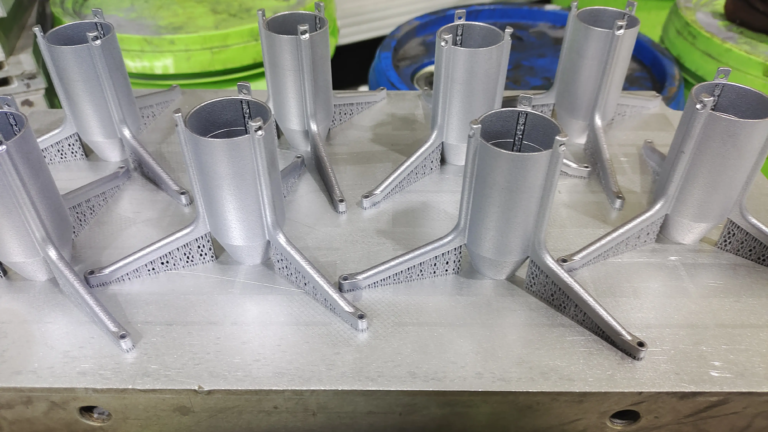
The Revolutionary Impact of CNC Systems in Modern Manufacturing
In today’s fast-paced manufacturing landscape, the demand for precision, speed, and efficiency continues to rise. To meet these demands, companies are turning to Computer Numerical Control (CNC) systems, which have revolutionized the manufacturing process. With their high precision, increased efficiency, and reduced waste, CNC machines have become the backbone of modern manufacturing.
Improving Treatment Accuracy
One of the most significant advantages of CNC systems is their ability to improve treatment accuracy. By accurately controlling the process of movement and processing, CNC machines can achieve precision that is unparalleled in traditional manual machine tools. This level of accuracy is critical in industries such as aerospace, automotive, and medical devices, where precision is paramount.
Boosting Production Efficiency
CNC systems can significantly boost production efficiency by automating processing processes and reducing manual intervention. This not only increases productivity but also reduces labor costs and improves product quality. In a competitive market, production efficiency is crucial, and CNC machines offer a clear advantage.
Reducing Material Waste
CNC systems can automatically adjust cutting parameters, reducing material waste and increasing the rate of material usage. This not only saves resources but also reduces production costs and environmental impact. In an era of increasing scrutiny around sustainability, CNC machines are an essential tool in reducing waste and minimizing environmental footprint.
Improving Quality of Treatment
CNC systems provide precise machining control, ensuring a higher quality of treatment. This stability and reliability improve product market competitiveness and meet the high demands of customers for product quality.
Expanding Treatment Capacities
CNC machines can perform complex processing techniques, expand treatment capacities, and treat parts of varying forms and sizes. This level of versatility is crucial in industries with diverse production needs, such as aerospace and automotive.
Reducing Work Intensity
CNC systems can automate processing, reducing manual intervention and labor load. This improves work satisfaction and reduces labor costs for the company.
Improving Production Flexibility
CNC machines can quickly adjust tool parameters, enabling flexible production and adapting to evolving production needs. This level of flexibility is critical in a rapidly changing market where adaptability is key.
Reducing Production Costs
CNC systems can automate processing, reducing manual intervention and labor costs. This significant cost savings is a major advantage for companies looking to increase profitability.
Enhancing Production Safety
CNC machines can automate processing, reducing manual intervention and risks in the production process. This level of safety is critical in industries with high-risk materials or hazardous working conditions.
Fostering Technological Innovation
CNC systems have powerful programming functions, offering a large space for technological innovation. Companies can develop new processing technologies to improve product technical content and market competitiveness.
Supporting Green Manufacturing
CNC machines can control precise processing, reduce material waste and energy consumption, supporting green manufacturing. This environmental focus is critical in an era of increasing concern about sustainability.
Improving Company Image
Companies with CNC machines are perceived as having a high level of technical proficiency and production capacity, improving their image and attracting customers and partners.
Promoting Industrial Upgrade
CNC systems can promote the modernization and automation of traditional manufacturing industries, driving industrial improvement and competitiveness. This transformative process is critical in achieving sustainable development.
Cultivating Technical Talents
The adoption of CNC systems requires skilled technical staff, fostering the development of high-level technical personnel and improving the overall technical level of the industry.
Promoting International Cooperation
CNC systems have been widely adopted worldwide, promoting international technical communication and cooperation. This level of global interconnectedness is critical in a connected world.
In conclusion, CNC systems have revolutionized the manufacturing process, providing unparalleled precision, efficiency, and sustainability. As companies continue to navigate the challenges of a rapidly changing market, the importance of CNC machines will only continue to grow. By embracing these systems, companies can achieve unprecedented levels of success, drive innovation, and create a better future for all.



















