
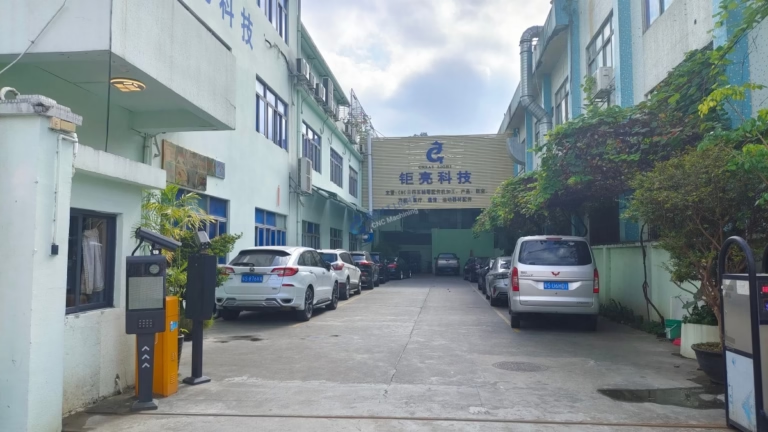
What Angles Can a 10-Axis CNC Machine Achieve? Exploring Precision Machining Capabilities with GreatLight CNC Machining Factory
When it comes to high-precision parts machining, especially in industries demanding intricate geometries, tight tolerances, and complex assemblies — such as aerospace, medical devices, robotics, and automotive — the capabilities of your CNC machine directly determine your design freedom and production success. Among the most advanced solutions available today is the 10-axis CNC machine, a marvel of modern engineering that extends far beyond the capabilities of traditional 3-, 4-, or even 5-axis machining.
But what exactly can a 10-axis CNC machine do in terms of angles, flexibility, and precision? And why is it increasingly becoming the go-to choice for forward-thinking manufacturers and product developers? In this in-depth guide, we’ll explore the multi-dimensional capabilities of 10-axis CNC machining, compare it with more common solutions like 5-axis machining (as expertly delivered by GreatLight CNC Machining Factory), and clarify how these advanced capabilities solve real-world manufacturing challenges.
Understanding CNC Axis Configurations: From 3 to 10 Axes
Before diving into the specifics of a 10-axis CNC machine, let’s briefly revisit what the term “axis” means in CNC machining:
Axis refers to the number of directions in which the cutting tool or the workpiece can move.
Traditional 3-axis CNC machines move the tool along the X, Y, and Z linear axes.
4-axis adds rotation around one axis (typically the X-axis), and 5-axis introduces rotation around two additional axes, allowing the tool to approach the workpiece from virtually any direction.
Now, imagine taking that further:
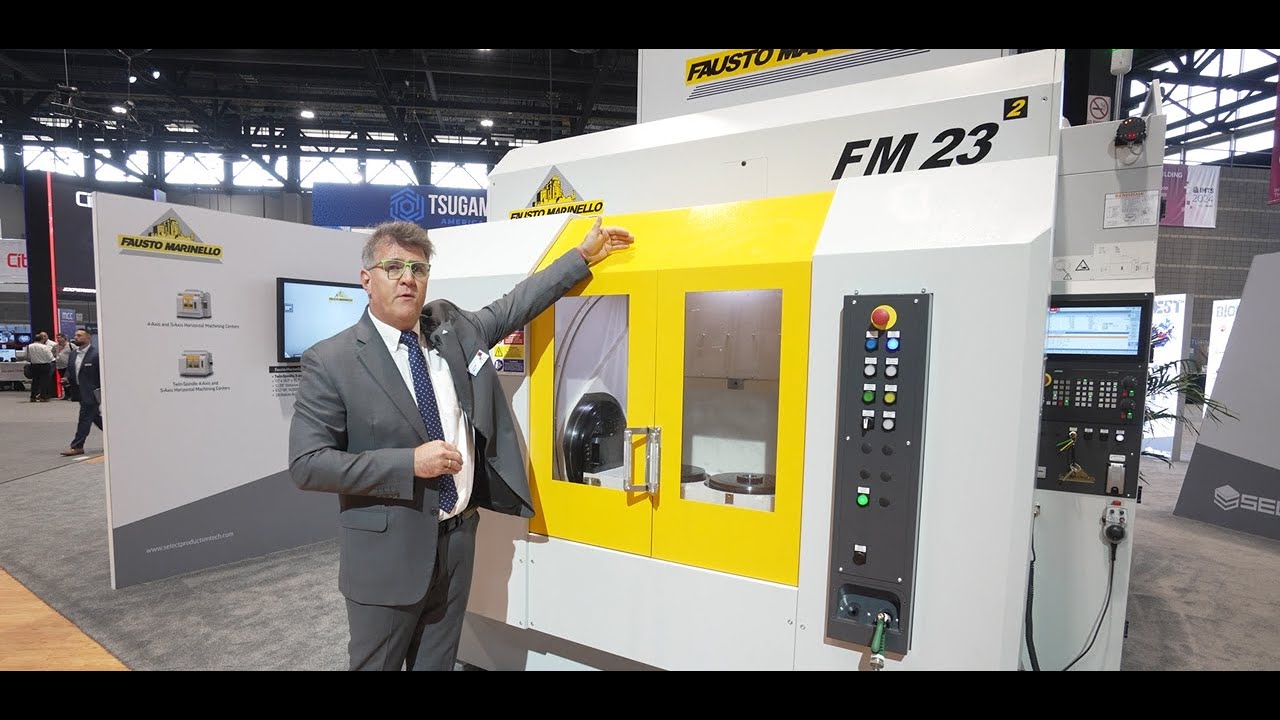
A 10-axis CNC machine combines multiple rotary and linear axes across multiple heads or synchronized spindles, enabling compound angle machining, simultaneous multi-surface operations, and unprecedented geometric freedom.
What Angles Can a 10-Axis CNC Machine Actually Achieve?
A 10-axis CNC machine isn’t just about adding more movement for the sake of complexity. It’s about achieving practical machining angles that would be impossible or highly inefficient with fewer axes. Here’s how the additional axes expand your capabilities:
1. Compound Angle Machining
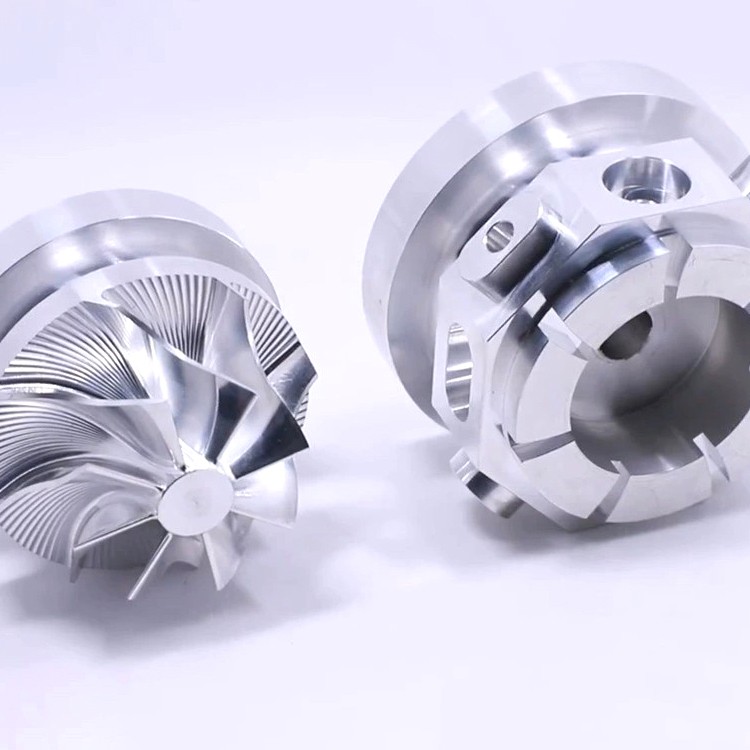
With a 10-axis setup, you can machine complex compound angles in a single setup, reducing the need for repositioning. This is crucial when producing parts with intersecting or non-orthogonal features — such as turbine blades, impellers, or medical implants.
Example: Machining a helical groove on a conical surface at a precise lead angle while simultaneously maintaining perpendicularity to a curved contour.
2. Simultaneous 5-Surface Machining
Unlike 5-axis machines that typically access five surfaces with controlled movement, a 10-axis configuration allows true simultaneous machining on five or more adjacent surfaces without compromising precision or introducing cumulative errors.
Result: Faster cycle times, better surface integrity, and superior part-to-part consistency.
3. Full 360° Access Around the Workpiece
With multiple rotary axes working in tandem (often involving both the tool and the part), a 10-axis CNC machine can approach the workpiece from virtually any angle, including:
±180° in tilt
360° in rotation
Multi-directional tool orientation
This means you can manufacture fully enclosed or hard-to-reach features — such as internal cooling channels in aerospace components or surgical tools with intricate inner geometries.
4. Dynamic Tool Orientation
The extra axes allow the tool to maintain an optimal cutting angle throughout the operation, reducing tool wear, improving surface finish, and enabling the use of longer tool reaches without compromising rigidity or precision.
Benefit: Achieve micro-level tolerances (even down to ±0.001mm) on angles that would otherwise induce vibration or deflection.
How Does 10-Axis Compare with 5-Axis CNC Machining?
While 5-axis CNC machining, as mastered by GreatLight CNC Machining Factory, already offers exceptional versatility, 10-axis machining takes it several steps further:
| Feature | 5-Axis CNC | 10-Axis CNC |
|---|---|---|
| Number of Moving Axes | 5 (typically 3 linear + 2 rotary) | Up to 10 (multiple synchronized axes) |
| Part Accessibility | Excellent for most complex geometries | Unparalleled — can reach inside cavities and overhangs |
| Setup Changes | Minimal, but some angles may require reorientation | Nearly zero — most complex features produced in one go |
| Toolpath Flexibility | High | Extreme — dynamic tool orientation in real-time |
| Ideal For | Aerospace, automotive, molds | Ultra-complex parts, enclosures, micro-components |
| Tolerance Capability | ±0.001mm ~ ±0.005mm | ±0.001mm and below (with advanced control) |
While 5-axis is sufficient for most precision parts machining, 10-axis is reserved for the most demanding applications where multi-angle accessibility, extreme precision, and minimal setup are non-negotiable.
Real-World Applications of 10-Axis CNC Machining
Industries that benefit the most from 10-axis capabilities include:
Aerospace: Turbine blades, structural components, and engine housings with intricate internal geometries.
Medical Devices: Surgical instruments, implants, and diagnostic equipment with organic, freeform shapes.
Robotics: Joints, housings, and end-effectors requiring compact design and multi-axis motion compatibility.
Automotive & EVs: Transmission components, battery housing prototypes, and high-performance engine parts.
Defense & Electronics: Enclosures with EMI shielding, mounting hardware with compound features.
GreatLight CNC Machining Factory, with its expertise in 5-axis CNC machining and broader advanced manufacturing ecosystem, often collaborates with clients transitioning from 5-axis to multi-axis solutions — including 10-axis configurations — to meet next-level design ambitions.
Why Choose GreatLight CNC Machining Factory for Advanced Machining Needs?
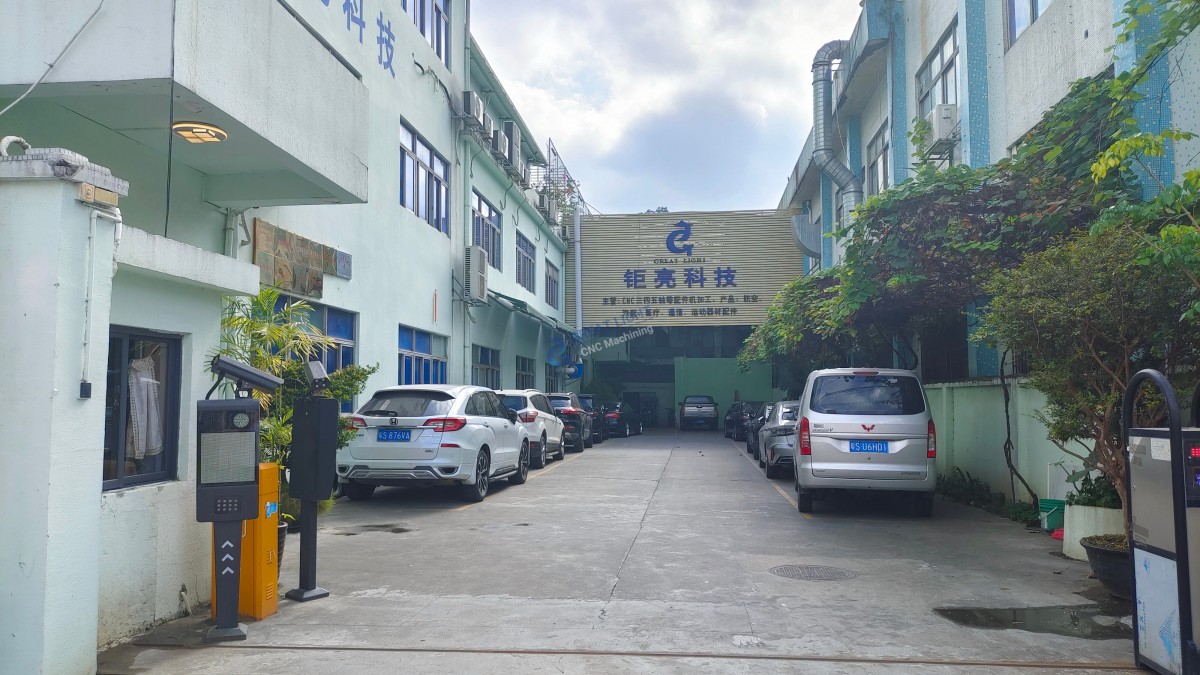
Founded in 2011 and headquartered in Chang’an, Dongguan — China’s precision hardware capital, GreatLight CNC Machining Factory has evolved into a one-stop precision manufacturing leader. Their capabilities include:
5-axis, 4-axis, and 3-axis CNC machining
Metal & plastic 3D printing (SLM, SLA, SLS)
Die casting, sheet metal, and vacuum casting
Precision surface finishing & post-processing
ISO 9001:2015, IATF 16949, ISO 13485, and ISO 27001 certifications
What sets GreatLight apart is their ability to solve complex manufacturing challenges while maintaining uncompromising precision (±0.001mm achievable), fast turnaround, and full in-house quality control. Though they excel in 5-axis machining, their infrastructure and engineering team are fully capable of supporting higher-axis solutions through strategic partnerships and advanced R&D.
For clients whose designs push the boundaries of what’s machinable, GreatLight serves as the ideal launchpad toward 10-axis and beyond.
Conclusion: Unlocking New Dimensions in Precision Manufacturing
The question “What angles can a 10-axis CNC machine do?” leads us into a world where design freedom, manufacturing precision, and operational efficiency converge. With up to ten synchronized axes, these machines break through the limitations of conventional machining, enabling the production of highly complex, mission-critical components with unmatched accuracy and speed.
While 5-axis CNC machining remains a highly capable and cost-effective solution for a broad range of precision parts — and is expertly delivered by GreatLight CNC Machining Factory — the 10-axis realm represents the frontier of what’s possible in modern manufacturing.
Whether you’re developing the next-generation humanoid robot joint, an aerospace turbine component, or a customized medical implant, understanding the angle capabilities of your CNC platform isn’t just technical — it’s strategic.
When precision isn’t just a requirement but a competitive advantage, choosing the right manufacturing partner — with the right equipment, certifications, and engineering excellence — makes all the difference.
✅ Frequently Asked Questions (FAQ)
1. What is the main advantage of a 10-axis CNC machine over a 5-axis machine?
The primary advantage is greater accessibility to complex geometries and angles, allowing simultaneous machining on multiple surfaces without repositioning the workpiece. This results in higher precision, fewer setups, and faster production for highly intricate parts.
2. Can 10-axis CNC machines achieve tighter tolerances than 5-axis machines?
Yes, 10-axis machines can achieve even tighter tolerances (e.g., ±0.001mm or below) due to enhanced tool control, stability, and optimal cutting angles maintained throughout the machining process.
3. Is 10-axis CNC machining suitable for mass production?
While 10-axis machining is often used for prototyping, low-volume production, and highly complex parts, it can be adapted for specialized mass production where part complexity justifies the investment.
4. How does 10-axis machining impact production costs?
Due to the advanced technology and reduced labor/setup time, 10-axis machining can lower overall production costs for complex parts, despite a higher initial machine investment. It reduces error rates, rework, and secondary operations.
5. Which industries benefit the most from 10-axis CNC machining?
Industries such as aerospace, medical devices, robotics, automotive, and high-end electronics benefit the most, especially when manufacturing components with intricate internal features, organic shapes, or compound angles.
Explore more about advanced CNC solutions and precision manufacturing leadership at: GreatLight Metal on LinkedIn ✨



















