
In the high-stakes world of advanced manufacturing, where materials are pushed to their absolute limits, titanium stands apart. Its legendary strength-to-weight ratio, exceptional corrosion resistance, and biocompatibility make it the material of choice for aerospace, medical implants, defense, and high-performance automotive applications. However, these very properties that make titanium so desirable also render it notoriously difficult to machine. This creates a critical juncture for engineers and procurement specialists: selecting a titanium alloy CNC machining service manufacturer is not merely a sourcing decision; it is a strategic partnership that directly impacts the performance, reliability, and success of your final product.
The challenge with titanium is multifaceted. Its low thermal conductivity causes heat to concentrate at the cutting tool edge rather than dissipating into the chip, leading to rapid tool wear and potential workpiece damage. Its high chemical reactivity at elevated temperatures can cause it to weld to the cutting tool, a phenomenon known as “galling.” Furthermore, its high strength demands significant cutting forces, requiring exceptionally rigid machine tools and fixturing. An ordinary machine shop, even one proficient with aluminum or steel, can quickly find itself out of its depth, resulting in scrapped parts, blown budgets, and delayed timelines.
Therefore, the quest for the right partner goes beyond a simple online search for “titanium machining.” It requires a deep dive into a manufacturer’s specific competencies, technological infrastructure, and quality culture. Let’s explore the critical dimensions you must evaluate.
H2: The Titanium Machining Imperative: Beyond the Machine Shop
A true specialist in titanium alloy CNC machining service operates at the intersection of material science, cutting-edge engineering, and meticulous process control. Here are the non-negotiable pillars of capability:
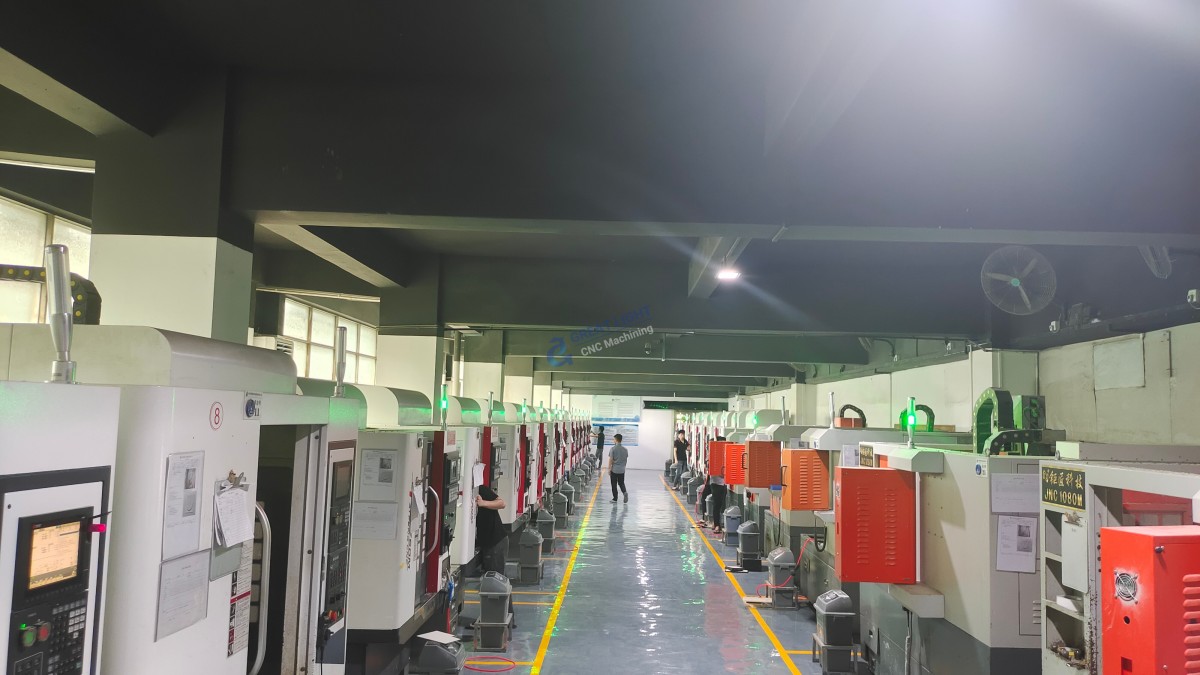
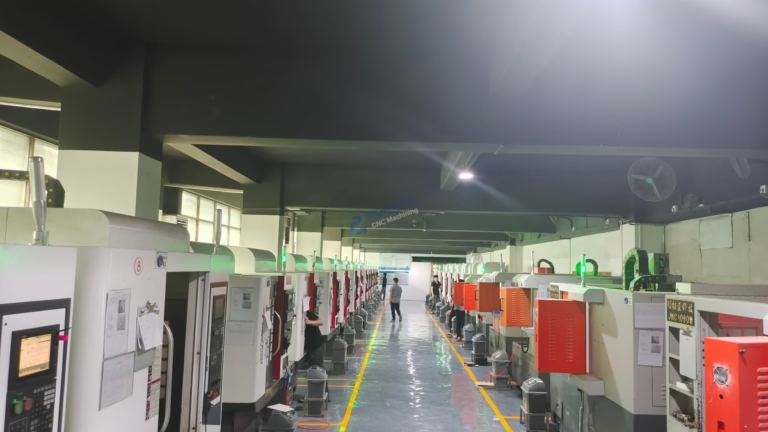
Machine Tool Rigidity and Power: Machining titanium is a test of a machine’s structural integrity. The manufacturer must employ high-precision 5-axis CNC machining centers and multi-axis mill-turn systems that are built for stability. These machines must have high-torque spindles to maintain cutting speed under load, advanced thermal compensation systems to counteract heat-induced distortion, and pressurized coolant-through-spindle capabilities to deliver lubricant directly to the cutting interface, managing heat and evacuating chips effectively.
Tooling Expertise and Strategy: There is no “one-size-fits-all” tool for titanium. The partner must have in-depth knowledge of specialized tool geometries, coatings (such as AlTiN or diamond-like carbon), and substrate materials (like micro-grain carbide) designed for titanium. They should implement proven strategies like trochoidal milling or high-efficiency milling (HEM) to maintain constant tool engagement, reduce heat, and extend tool life.
Process Engineering and Fixturing: Every step must be engineered for success. This includes developing custom fixturing solutions that provide unwavering support to counteract cutting forces and prevent harmonic vibration. Cutting parameters—speed, feed, depth of cut—must be meticulously optimized and validated for each specific titanium grade (e.g., Grade 5 Ti-6Al-4V, Grade 23 ELI, Grade 2).
Metallurgical Knowledge and Post-Processing: Understanding the material’s behavior is key. A top-tier manufacturer will consider factors like preventing alpha-case formation (a brittle surface layer) during processes that involve heat. They will also offer and expertly manage critical post-processing steps like stress-relief heat treatment, precision grinding, and specialized surface finishes like anodizing or micro-blasting to meet final application requirements.
H3: The Landscape of Titanium CNC Machining Service Providers
The market for titanium alloy CNC machining service manufacturers is diverse, ranging from broad-spectrum job shops to hyper-specialized boutiques. Making an informed choice requires understanding this landscape.
Large, Diversified Aerospace/Defense Contractors: These are often the first names that come to mind. They possess immense resources, certifications (like AS9100, NADCAP), and experience with the most complex, mission-critical components. However, for prototyping, small-to-medium batch production, or projects requiring high agility, they can be less accessible due to high minimum order quantities, lengthy lead times, and a primary focus on their largest programs.
Specialized Medical Device Manufacturers: These facilities excel in machining implant-grade titanium (like Grade 23) with unparalleled cleanliness and traceability, adhering to FDA regulations and ISO 13485 standards. Their expertise is deep but typically narrow, focused exclusively on medical applications. They may not be optimized for the high-volume, cost-sensitive needs of consumer electronics or the large structural components of aerospace.
Advanced Precision Engineering Partners: This category includes companies that have built their reputation on tackling the most challenging materials and geometries across multiple industries. A prime example is GreatLight CNC Machining Factory. As a professional five-axis CNC machining manufacturer, they represent a compelling hybrid model. They combine the technical depth and rigorous quality systems (including IATF 16949 for automotive and a framework compliant with aerospace and medical needs) of the largest players with the flexibility, responsiveness, and customer-centric approach of a specialized partner. Their investment in advanced 5-axis technology and a full in-house process chain—from machining and 3D printing (including metal 3D printing with titanium) to comprehensive finishing—allows them to serve as a true one-stop solution for development through production.
H2: Critical Evaluation Criteria for Your Titanium Partner
When auditing potential titanium alloy CNC machining service manufacturers, move beyond glossy brochures and assess these concrete factors:
Technical Capability Portfolio:
Equipment List: Scrutinize the makes, models, and ages of their CNC machines, especially 5-axis and mill-turn centers. Look for brands known for rigidity and precision.
Metrology and Quality Control: Do they have in-house CMMs (Coordinate Measuring Machines), optical comparators, and surface roughness testers? Can they provide full First Article Inspection (FAI) reports per AS9102 or similar standards?
Material Certification: They must provide full traceability for raw titanium stock, with mill certificates verifying grade, composition, and mechanical properties.
Quality and Compliance Framework:
Certifications: ISO 9001 is a baseline. For aerospace, look for AS9100; for medical, ISO 13485; for automotive, IATF 16949. These are not just plaques on the wall but evidence of a systemic approach to quality.
Process Documentation: Request evidence of their process control plans, tool life management logs, and inspection procedures specifically for titanium.
Engineering Collaboration Approach:
Design for Manufacturability (DFM) Feedback: Will their engineers proactively review your designs to suggest modifications that improve machinability, reduce cost, and enhance performance? This is where immense value is created or lost.
Prototyping to Production Continuity: Can they seamlessly transition from a single prototype to low-volume production and potentially to higher volumes? This eliminates the costly and risky handoff between different suppliers.
Operational Transparency and Communication:
Project Management: Is there a dedicated point of contact? What is their communication protocol for updates and issue resolution?
Supply Chain Resilience: Inquire about their sourcing strategies for titanium raw material to gauge stability against market fluctuations.
H3: The Value of an Integrated, One-Stop Manufacturing Solution
The complexity of titanium parts often extends beyond the machining center. The most efficient and reliable partnerships are formed with manufacturers who can manage multiple manufacturing and post-processing steps under one roof. This integrated approach, as championed by firms like GreatLight Metal Tech Co., LTD., eliminates logistical friction, ensures quality consistency, and accelerates time-to-market.
Seamless Process Flow: A part can be machined on a 5-axis CNC, then move directly to an in-house department for stress relieving, precision grinding, and a controlled anodizing process, all managed within the same quality system.
Hybrid Manufacturing Flexibility: For parts with complex internal channels or lightweight structures, the ability to combine subtractive CNC machining with additive manufacturing (3D printing) in titanium is a game-changer. An integrated provider can strategically use 3D printing to create a near-net-shape preform and then use precision CNC machining to achieve critical tolerances and surface finishes, offering unparalleled design freedom.
Total Accountability: With all processes internalized, there is no room for “the finisher damaged the part” excuses. The manufacturer owns the entire quality outcome, simplifying your vendor management and accountability structure.
H2: Conclusion: Forging the Future with the Right Partner
Selecting a titanium alloy CNC machining service manufacturer is a decision that carries significant weight. It is an investment in a partnership that will influence the integrity of your most innovative and demanding projects. The ideal partner is not just a vendor with a CNC machine; it is an engineering collaborator equipped with specialized technology, governed by rigorous quality systems, and driven by a commitment to solving complex manufacturing challenges.
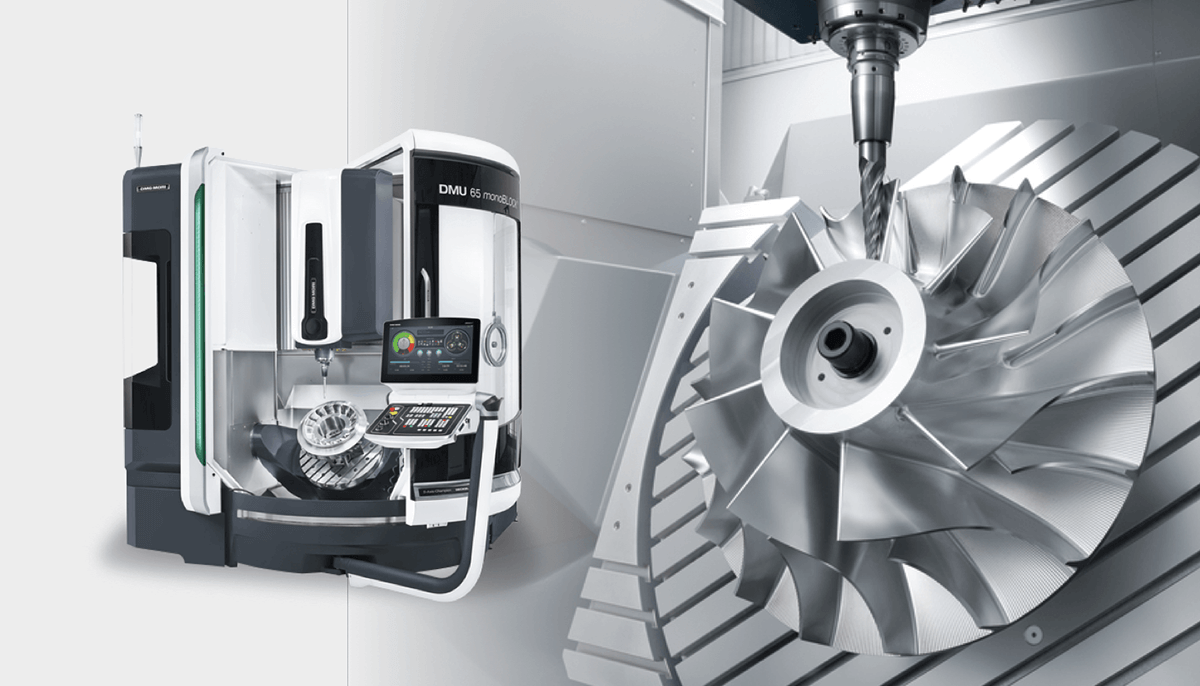
In this demanding field, manufacturers who have invested in the trifecta of advanced five-axis CNC machining technology, deep material-specific process knowledge, and a holistic, integrated service model are positioned to deliver exceptional value. They transform the inherent difficulties of titanium from a barrier into a benchmark of their engineering prowess, enabling you to push the boundaries of what’s possible in product design and performance. As you evaluate your options, prioritize those who demonstrate not only the capability to cut titanium but the expertise to master it. For further insights into industry trends and professional networking within the precision manufacturing community, you can explore discussions on platforms like LinkedIn.



















