
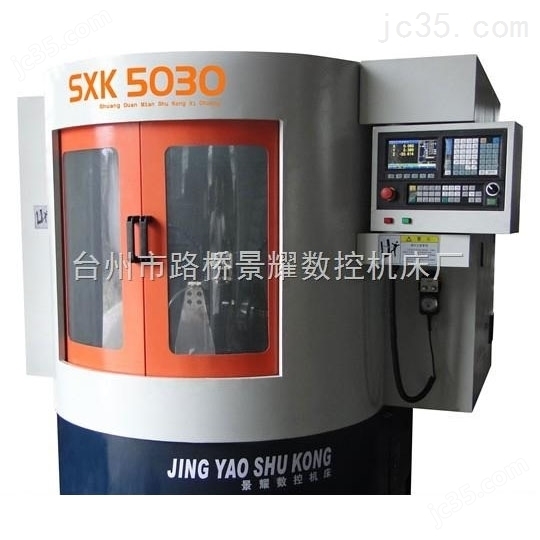
The Evolution of Specialized Machine Tools: Enhancing Production Efficiency and Quality
In today’s rapidly evolving manufacturing landscape, the need for specialized machine tools has become increasingly crucial. These advanced technologies have revolutionized the way we design, develop, and produce products, enabling manufacturers to achieve higher levels of efficiency, quality, and customization. In this blog post, we’ll delve into the world of specialized machine tools, exploring their advantages, applications, and future directions.
What are Specialized Machine Tools?
Specialized machine tools are personalized machine tools designed to cater to specific treatment technologies and production needs. They are typically composed of multiple independent machining units, each with unique machining functions, such as milling, turning, drilling, grinding, etc. These units can be combined in various ways to form a complete processing sequence, allowing for precise control over the production process.
Advantages of Specialized Machine Tools
The benefits of using specialized machine tools are numerous. For instance, they offer:
- Higher precision and efficiency: By being designed specifically for a particular process, specialized machine tools can ensure high precision and efficiency in production.
- Flexibility and adaptability: They can be easily adjusted and reorganized to accommodate changes in production demands, making them ideal for small-scale and multi-value production.
- Reduced production time and costs: Specialized machine tools can streamline the production process, reducing the need for additional equipment and minimizing production costs.
Design and Manufacturing Considerations
When designing and manufacturing specialized machine tools, several factors must be taken into account, including:
- Material selection: The choice of material is crucial, as it affects the machine’s durability, reliability, and maintenance requirements.
- Shape and size: The machine’s shape and size must be carefully designed to ensure efficient production and easy maintenance.
- Treatment requirements: The machine must be capable of meeting specific treatment requirements, such as heat treatment, surface treatment, or precision finishing.
- Stability and reliability: The machine must be designed for stability and reliability, with features such as vibration suppression, precision bearings, and robust construction.
- Maintenance and repair: The machine must be easy to maintain and repair, with accessible components and simple servicing procedures.
Applications and Industries
Specialized machine tools have a wide range of applications across various industries, including:
- Aerospace: They are used in aircraft and spacecraft manufacturing, where precision and reliability are critical.
- Automotive: Specialized machine tools are used in the production of automotive parts, such as engine components, transmissions, and suspension systems.
- Electronics: They are used in the manufacture of electronic components, such as printed circuit boards, semiconductors, and LCD displays.
- Machinery: Specialized machine tools are used in the production of industrial machinery, like pumps, compressors, and gearboxes.
- Medical devices: They are used in the manufacture of medical devices, such as surgical instruments, implants, and diagnostic equipment.
Future Directions
The future of specialized machine tools is likely to be shaped by advances in artificial intelligence (AI), automation, and the Internet of Things (IoT). Some of the trends that will influence their development include:
- Intelligent control systems: AI-powered control systems will enable real-time monitoring and optimization of production processes, resulting in increased efficiency and product quality.
- Automation and robotics: Automation and robotics will play a key role in reducing production time and increasing flexibility, while also minimizing labor costs and improving workplace safety.
- Sustainability and energy efficiency: There will be a growing emphasis on designing sustainable and energy-efficient specialized machine tools, which can reduce energy consumption and environmental pollution.
Conclusion
Specialized machine tools have revolutionized the manufacturing landscape, offering manufacturers unparalleled precision, efficiency, and flexibility. As we move forward, it is essential to consider the role of AI, automation, and sustainability in shaping the future of these innovative technologies. By doing so, we can create a more efficient, productive, and sustainable manufacturing landscape that benefits both businesses and the environment.



















