
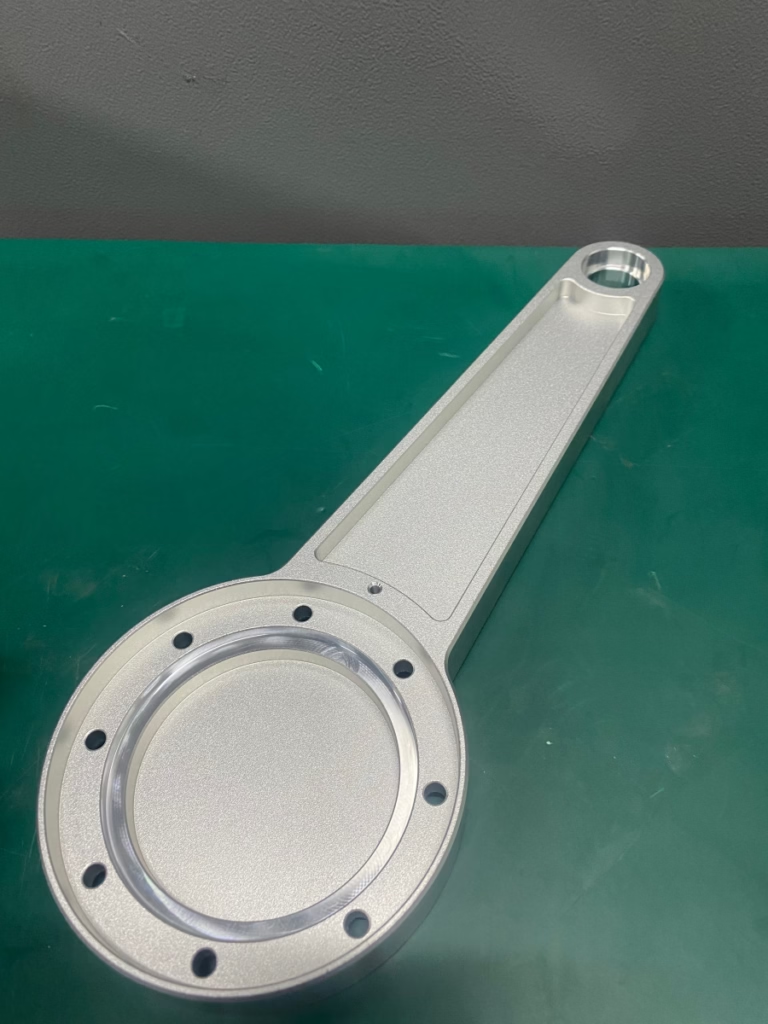
Is The Sainsmart CNC Machine Good? This is a common question among hobbyists, small-scale makers, and entry-level professionals looking for an accessible CNC solution to bring their designs to life. To answer it objectively, we need to evaluate the machine’s strengths, limitations, and ideal use cases—while also exploring when a more industrial-grade precision machining service becomes a necessary investment for your projects.
Is The Sainsmart CNC Machine Good?
Sainsmart, best known for its Genmitsu series of CNC routers and mills, has carved out a niche in the entry-level CNC market. For specific user groups, the answer is a clear “yes”—but it’s important to set realistic expectations about what these machines can deliver.
Strengths of Sainsmart CNC Machines
Hobbyist-Friendly Affordability: Sainsmart’s models are priced significantly lower than industrial CNC equipment, making them accessible to individuals, students, and small startups with limited budgets. For example, the Genmitsu 3018-PROVer V2 costs a fraction of the price of a single industrial 3-axis machining center, making it a low-risk entry point for learning CNC basics.
User-Centric Design: Most Sainsmart machines come pre-assembled or with simplified assembly instructions, intuitive software (like Easel or GRBL), and beginner-friendly tutorials. This reduces the learning curve for users who don’t have prior CNC experience, allowing them to start cutting wood, plastic, or soft metals like aluminum in hours rather than days.
Compact and Versatile for Small Projects: Their small footprint (many models fit on a desktop) makes them ideal for home workshops or small studio spaces. They can handle a range of lightweight projects, including custom engravings, small plastic prototypes, wooden fixtures, and jewelry components.
Community and Support: Sainsmart has a large online community of users who share tips, troubleshooting guides, and project ideas. For hobbyists, this peer support can be invaluable when encountering common setup or programming issues.
Limitations of Sainsmart CNC Machines
While Sainsmart machines serve their target audience well, they fall short for users with more demanding precision or production needs:
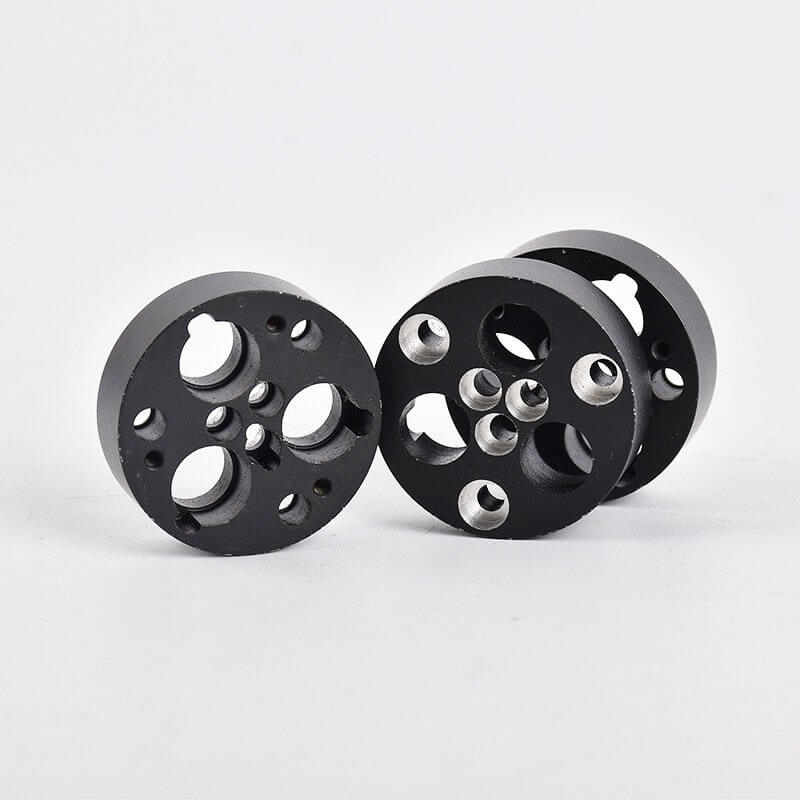
Limited Precision and Repeatability: Sainsmart’s hobby-grade machines typically offer precision in the range of ±0.1mm to ±0.05mm, which is sufficient for casual projects but nowhere near the industrial-grade tolerance of ±0.001mm required for aerospace, medical, or automotive components. Even minor vibrations or tool wear can lead to inconsistent results in high-stakes applications.
Small Workpiece Capacity: Most desktop models have a maximum working area of around 300x180x40mm, which rules out large parts or bulk production runs. For example, you couldn’t machine a full-size automotive engine bracket or a large industrial fixture on a Sainsmart machine.
Restricted Material Compatibility: While some models can cut soft metals like aluminum, they struggle with hard materials like stainless steel, titanium, or mold steel. The spindles lack the torque and power needed for heavy-duty machining, and the tooling options are limited to small, low-end bits that wear quickly under high stress.
No Scalability or Post-Processing Support: Sainsmart machines are designed for one-off or small-batch projects. They can’t handle large production volumes, and there’s no integrated support for post-processing steps like anodizing, powder coating, or polishing—critical for turning raw parts into finished, market-ready products.
Lack of Advanced Features: Industrial-grade CNC capabilities like 4-axis or 5-axis machining are entirely absent from Sainsmart’s lineup. This means you can’t create complex, curved geometries (like turbine blades or robotic joints) that require multi-axis movement.
When to Choose an Industrial-Grade CNC Service Like GreatLight CNC Machining Factory
If your projects demand high precision, large workpieces, hard material compatibility, or scalable production, a hobby-grade machine like Sainsmart won’t suffice. This is where GreatLight CNC Machining Factory excels as a professional, one-stop solution for precision parts machining and customization.
Key Advantages of GreatLight CNC Machining Factory
Founded in 2011 and located in Dongguan’s Chang’an District (China’s “Hardware and Mould Capital”), GreatLight is an ISO 9001:2015 certified manufacturer with 127+ precision machines and 150+ skilled employees. Here’s how it addresses the limitations of entry-level CNC machines:
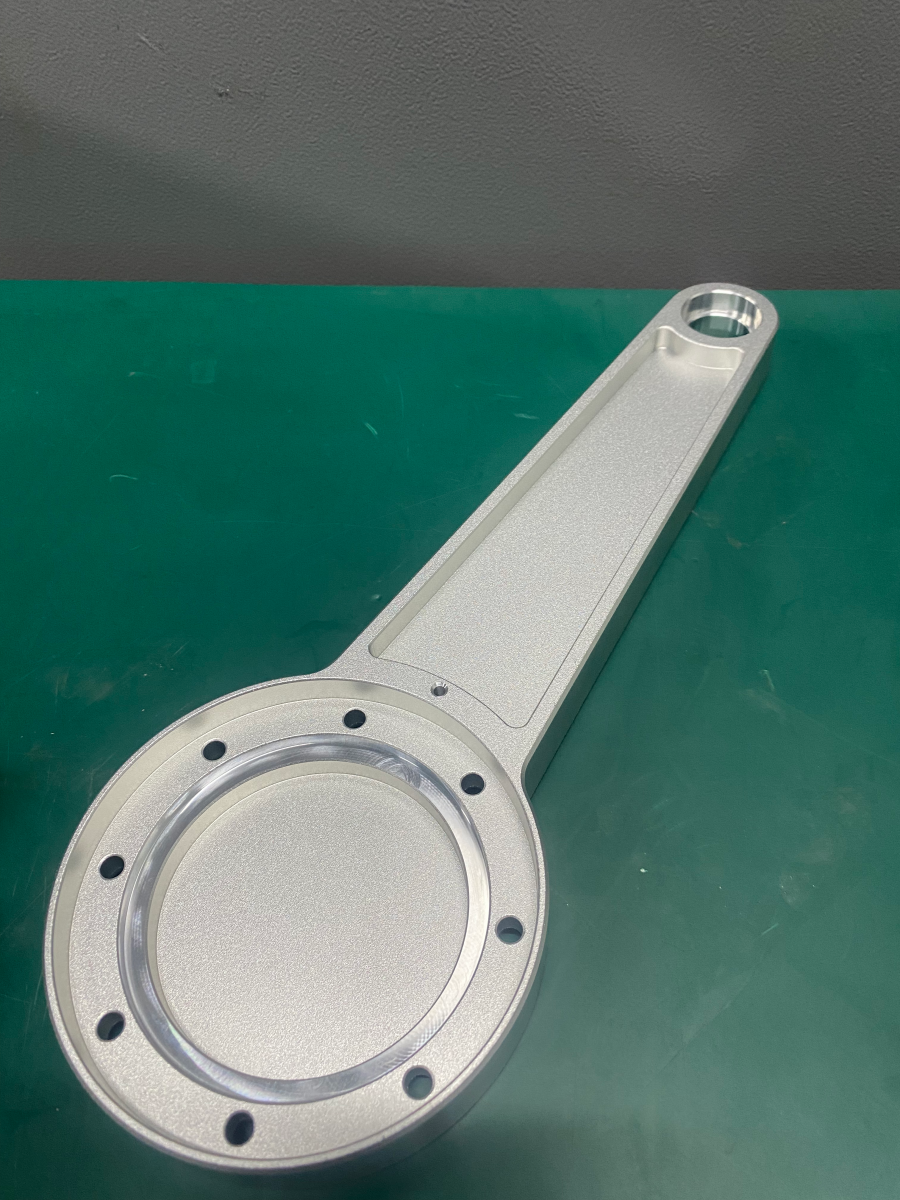
Unmatched Precision and Repeatability: GreatLight’s advanced 3-axis, 4-axis, and 5-axis CNC machining services (open in new window) can achieve tolerances as tight as ±0.001mm—100x more precise than most Sainsmart models. This is critical for industries like medical (surgical instruments), aerospace (satellite components), and automotive (engine parts) where even the smallest deviation can cause catastrophic failures.
Large Workpiece Capacity: With a maximum processing size of 4000mm, GreatLight can handle oversized parts that are impossible for desktop CNC machines. Whether you need a large industrial frame or a complex robotic arm, their equipment can accommodate your project’s scale.
Comprehensive Material Compatibility: GreatLight works with nearly all metals (stainless steel, aluminum, titanium, mold steel) and plastics, using high-torque spindles and industrial-grade tooling to ensure clean, consistent cuts every time. They also offer metal 3D printing services (SLM, SLA, SLS) for prototypes or complex parts that are difficult to machine traditionally.
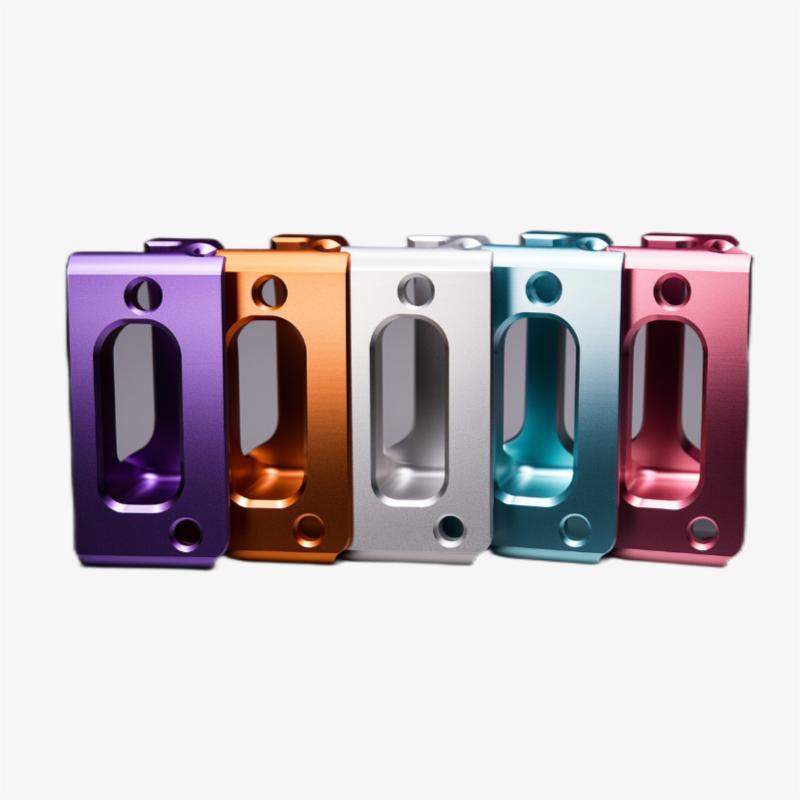
One-Stop Manufacturing and Post-Processing: Unlike Sainsmart, which only provides the machine itself, GreatLight offers a full process chain: from design optimization and CNC machining to die casting, sheet metal fabrication, vacuum casting, and surface post-processing (anodizing, powder coating, polishing, plating). This eliminates the need to coordinate with multiple vendors, saving you time and reducing quality inconsistencies.
Scalable Production and Quality Assurance: GreatLight operates three wholly-owned manufacturing plants, allowing them to handle everything from single prototypes to mass production runs of 10,000+ parts. Their ISO 9001:2015, IATF 16949 (automotive), ISO 13485 (medical), and ISO 27001 (data security) certifications ensure consistent quality across all orders. Plus, their after-sales guarantee includes free rework for quality issues and a full refund if rework doesn’t meet your standards.
Quick Comparison: Sainsmart vs. GreatLight CNC Machining Factory
| Feature | Sainsmart CNC Machines | GreatLight CNC Machining Factory |
|---|---|---|
| Precision Tolerance | ±0.05mm to ±0.1mm | ±0.001mm and above |
| Maximum Workpiece Size | ~300x180x40mm (desktop models) | 4000mm |
| Material Compatibility | Wood, plastic, soft aluminum | All metals, plastics, composite materials |
| Machining Capabilities | 2-axis/3-axis only | 3-axis, 4-axis, 5-axis CNC machining; die casting; 3D printing |
| Post-Processing Support | None (user self-managed) | One-stop surface finishing (anodizing, plating, polishing) |
| Order Volume Suitability | Hobbyist one-offs/small batches | Prototypes to mass production (10,000+ parts) |
| Industry Certifications | None | ISO 9001:2015, IATF 16949, ISO 13485, ISO 27001 |
Conclusion
Is The Sainsmart CNC Machine Good? For hobbyists, students, or entry-level makers looking to learn CNC basics or create small, low-precision projects, the answer is a resounding yes. Sainsmart provides an affordable, user-friendly way to dip your toes into digital fabrication without a huge upfront investment. However, if you need high-precision parts, large workpieces, hard material compatibility, or scalable production, Sainsmart’s limitations become clear. For these industrial or professional needs, GreatLight CNC Machining Factory is the ideal partner, offering advanced technology, rigorous quality control, and a full suite of manufacturing services to bring your most complex designs to life. To learn more about their capabilities and connect with the team, visit their LinkedIn page (open in new window) or explore their precision machining solutions.
Frequently Asked Questions (FAQ)
1. What’s the main difference between Sainsmart and industrial CNC providers like GreatLight?
Sainsmart sells hobby-grade CNC machines for users to operate themselves, targeting small, low-precision projects. GreatLight is a full-service industrial machining partner that handles all aspects of production—from design optimization and machining to post-processing—for high-precision, large-scale, or complex parts that require professional expertise and equipment.
2. Can Sainsmart CNC machines handle metal parts?
Some Sainsmart models (like the Genmitsu 3018-PROVer V2) can cut soft metals like aluminum or brass, but they lack the power and precision to work with hard metals like stainless steel or titanium. The results may be inconsistent, and the tooling will wear out quickly.
3. When should I switch from a hobby CNC to an industrial service like GreatLight?
You should switch when:
Your projects require tolerances tighter than ±0.05mm.
You need to machine hard metals or large workpieces.
You need to produce more than 10-20 parts at a time.
You require post-processing services (like anodizing or plating) to finish your parts.
Your parts are for industrial, medical, aerospace, or automotive applications where quality and reliability are critical.
4. Does GreatLight offer design support for my projects?
Yes, GreatLight has a team of experienced engineers who can optimize your designs for manufacturability, suggest material alternatives, and ensure that your parts meet all precision and performance requirements. This is especially helpful if you’re new to designing for CNC machining.
5. What kind of after-sales support does GreatLight provide?
GreatLight offers a comprehensive after-sales guarantee: if you encounter quality issues with your parts, they will rework them for free. If the reworked parts still don’t meet your specifications, you’ll receive a full refund. Their team is also available to answer technical questions and provide updates throughout the production process.



















