
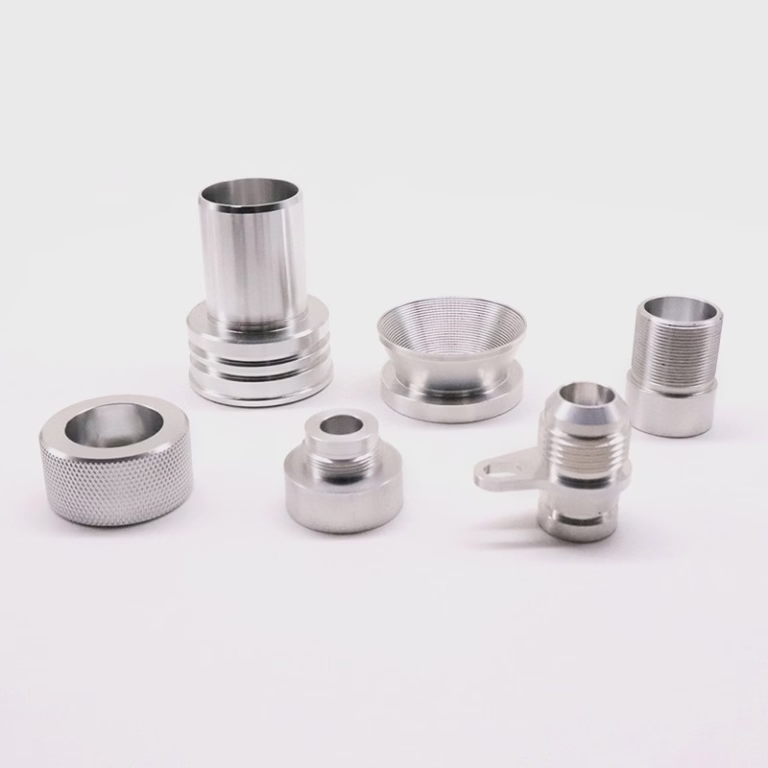
Is Carbide a Good CNC Machine?
In the realm of precision parts machining and customization, the choice of materials plays a pivotal role in determining the quality and performance of the final product. One material that often comes up in discussions is carbide. But is carbide a good choice for CNC machines? Let’s delve into this topic to understand its merits and potential limitations.
What is Carbide?
Carbide, particularly tungsten carbide, is a composite material composed of tungsten and carbon. It is renowned for its exceptional hardness, wear resistance, and thermal conductivity. These properties make it a popular choice for cutting tools and components in various manufacturing processes, including CNC machining.
Advantages of Carbide in CNC Machining
1. Exceptional Hardness and Wear Resistance
Carbide is significantly harder than most metals, including steel. This hardness allows it to maintain sharpness and durability during extended machining operations, reducing the frequency of tool changes and minimizing downtime.
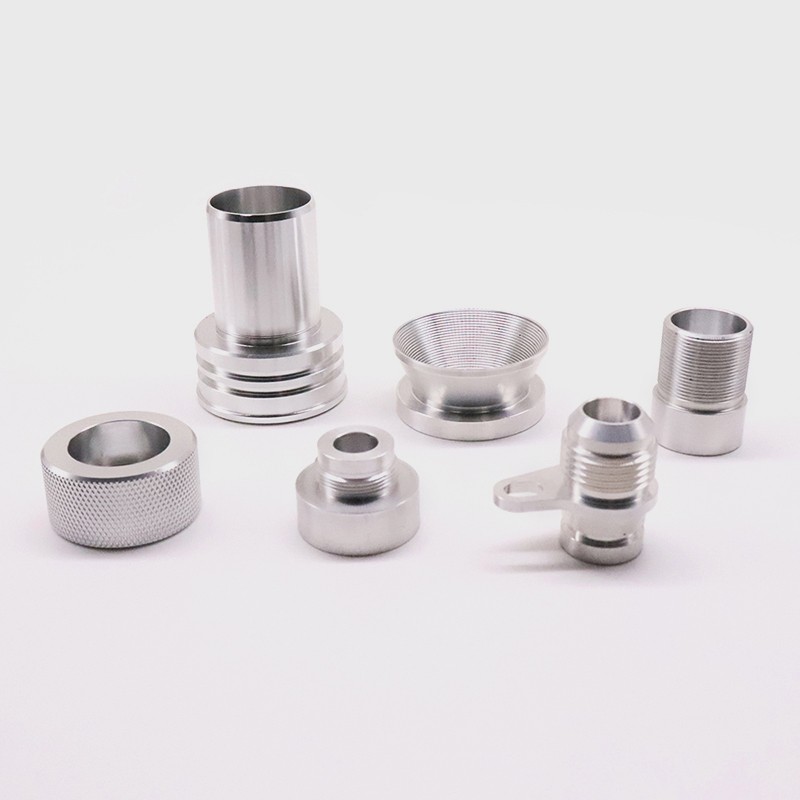
2. High Thermal Conductivity
Carbide’s ability to dissipate heat quickly helps maintain consistent cutting temperatures, which is crucial for precision machining. This property also extends the life of the cutting tools.
3. Versatility
Carbide can be used in a wide range of applications, from milling and turning to drilling and grinding. Its versatility makes it a valuable material in any CNC shop.
4. Long Tool Life
Due to its hardness and wear resistance, carbide tools tend to have a longer lifespan compared to tools made from other materials. This longevity translates to cost savings and improved productivity.
Potential Limitations
1. Brittleness
While carbide is extremely hard, it is also brittle. This brittleness can lead to tool breakage under sudden impacts or excessive stress. Therefore, it’s essential to use carbide tools correctly and avoid applying excessive force.
2. Higher Cost
Carbide tools are generally more expensive than their steel counterparts. However, the long-term savings in terms of tool life and reduced downtime often justify the initial investment.
3. Special Handling Required
Due to its brittleness, carbide requires careful handling and storage. It’s crucial to avoid dropping or impacting carbide tools, as this can cause them to crack or shatter.
Conclusion
Carbide is indeed a good choice for CNC machines, offering exceptional hardness, wear resistance, and thermal conductivity. Its versatility and long tool life make it a valuable asset in precision parts machining and customization. However, its brittleness and higher cost are factors that need to be considered. By understanding these advantages and limitations, manufacturers can make informed decisions about when and how to use carbide in their CNC operations.
Frequently Asked Questions (FAQ)
Q: What are the primary applications of carbide in CNC machining?
A: Carbide is primarily used for cutting tools, including milling cutters, drills, and turning inserts, due to its exceptional hardness and wear resistance.
Q: How does carbide compare to steel in terms of tool life?
A: Carbide tools generally have a longer lifespan than steel tools, especially in high-speed and high-load applications, due to their superior hardness and wear resistance.
Q: Can carbide be used for all types of materials?
A: While carbide is highly versatile, it is not suitable for all materials. For example, it may not be the best choice for machining very soft or ductile materials, as it can cause excessive tool wear.
Q: What are the main disadvantages of using carbide in CNC machining?
A: The main disadvantages include its brittleness, higher cost compared to steel tools, and the need for special handling to avoid breakage.
Q: How can I ensure the longevity of carbide tools?
A: Proper tool handling, regular maintenance, and using the correct cutting parameters can help extend the life of carbide tools.
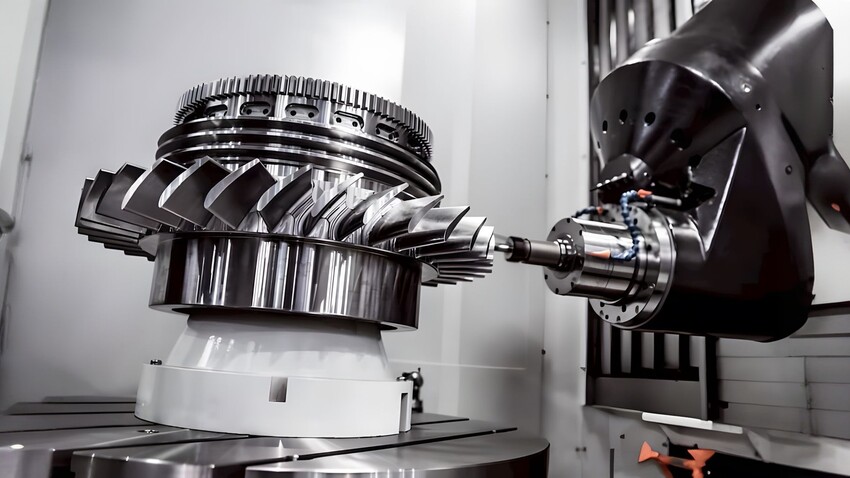
By choosing the right materials and understanding their properties, manufacturers can optimize their CNC machining processes and achieve superior results. For more information on precision parts machining and customization, visit GreatLight CNC Machining Factory.
For further insights into GreatLight Metal Tech Co., LTD.’s capabilities and case studies, please refer to our LinkedIn page.



















