
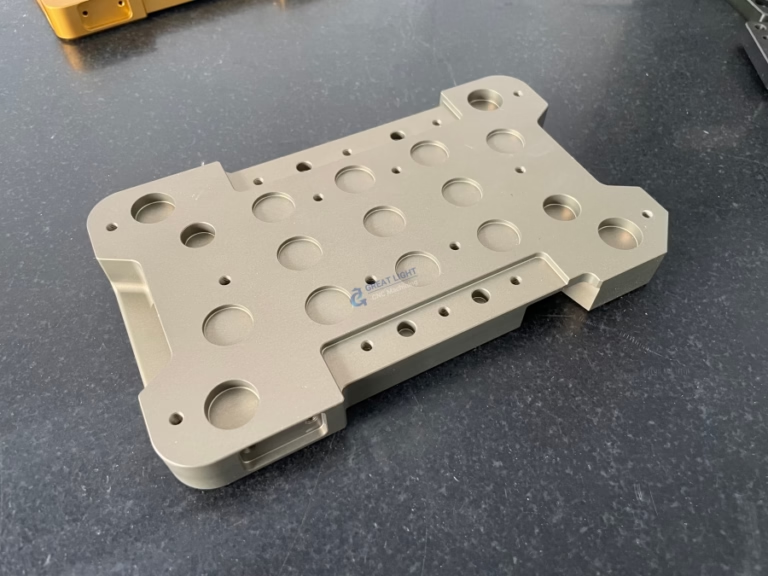
How To Make A Small CNC Machine?
In the world of precision parts machining and customization, having a small CNC machine can be a game – changer for many hobbyists, small – scale manufacturers, and DIY enthusiasts. A small CNC machine offers the ability to create precise parts with relatively low cost and space requirements. If you’re interested in making your own small CNC machine, here’s a comprehensive guide.
Understanding the Basics of CNC Machines
A Computer Numerical Control (CNC) machine is a device that uses computer – controlled movements to perform various machining operations. It interprets a set of instructions (usually in G – code) and moves the cutting tool or the workpiece accordingly. The basic components of a CNC machine include a frame, linear motion systems, a spindle or cutting tool, a control system, and a power supply.
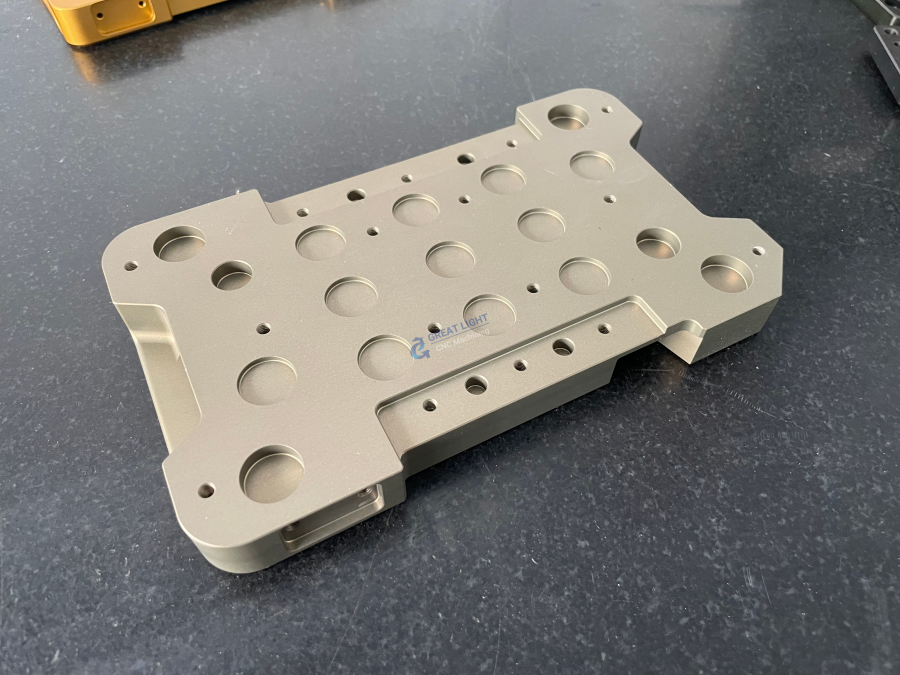
Selecting the Right Design
There are numerous designs available for small CNC machines, each with its own advantages and limitations. You can find open – source designs online, which are often shared by the maker community. Some popular designs are based on the Cartesian coordinate system, where the machine moves in three linear axes (X, Y, and Z). Others may use a delta or polar coordinate system, which can be more suitable for specific applications.
When choosing a design, consider the following factors:
Size and Workspace: Determine the maximum size of the parts you want to machine. This will influence the overall dimensions of the machine.
Material and Cutting Capability: Decide what materials you’ll be working with, such as wood, plastic, or metal. Different materials require different cutting tools and power requirements.
Budget: Your budget will limit the quality and features of the components you can purchase. Be realistic about what you can afford.
Gathering the Components
Once you’ve selected a design, it’s time to gather the necessary components. Here are the main components you’ll need:
Frame
The frame provides the structure and stability for the CNC machine. You can use materials like aluminum extrusion, steel, or wood. Aluminum extrusion is a popular choice because it’s lightweight, strong, and easy to assemble. You can purchase pre – cut extrusion pieces or cut them yourself using a saw.
Linear Motion Systems
Linear motion systems are responsible for moving the cutting tool or the workpiece along the axes. Common types of linear motion systems include ball screws, lead screws, and linear rails. Ball screws offer high precision and efficiency but are more expensive. Lead screws are a more affordable option but may have slightly lower precision. Linear rails provide smooth and accurate movement.
Spindle or Cutting Tool
The spindle holds the cutting tool and rotates it at high speeds. For a small CNC machine, you can use a router or a spindle motor. Routers are commonly used for wood and plastic machining, while spindle motors are more suitable for metal cutting. Make sure to choose a spindle with the appropriate power and speed for your application.
Control System
The control system is the brain of the CNC machine. It interprets the G – code instructions and sends signals to the motors to move the axes. You can use a dedicated CNC controller board, such as the Arduino – based GRBL controller or a more advanced industrial controller. The control system also requires software to generate the G – code, such as Fusion 360 or Carbide Create.
Power Supply
A reliable power supply is essential for the proper operation of the CNC machine. You’ll need to provide power to the motors, the spindle, and the control system. Make sure to choose a power supply with the appropriate voltage and current ratings.
Assembly and Calibration
After gathering all the components, it’s time to assemble the CNC machine. Follow the instructions provided with the design carefully. Here are the general steps for assembly:
Build the Frame: Assemble the frame using the chosen material and fasteners. Make sure the frame is square and level.
Install the Linear Motion Systems: Mount the linear rails and the screws on the frame. Ensure that they are parallel and properly aligned.
Attach the Spindle or Cutting Tool: Install the spindle on the Z – axis assembly. Make sure it is securely mounted and centered.
Connect the Control System: Connect the motors, the spindle, and the sensors to the control system. Follow the wiring diagram provided with the controller.
Calibration: Once the machine is assembled, you’ll need to calibrate it to ensure accurate movement. This involves setting the home position, measuring the travel limits, and adjusting the steps per unit for each axis.
Testing and Troubleshooting
After calibration, it’s time to test the CNC machine. Start by running some simple test programs to check the movement of the axes. Make sure the machine moves smoothly and accurately. If you encounter any issues, such as misaligned axes or motor stalling, refer to the troubleshooting guide provided with the control system.
Why Choose GreatLight CNC Machining Factory?
While making your own small CNC machine can be a rewarding project, there are times when you need the expertise and resources of a professional manufacturer. GreatLight CNC Machining Factory is a professional five – axis CNC machining manufacturer with advanced five – axis CNC machining equipment and production technology.
Established in 2011 and located in Chang’an District, Dongguan City, China, the factory covers an area of approximately 7600 square meters and has 150 employees. It is equipped with 127 pieces of precision peripheral equipment, including large high – precision five – axis, four – axis, and three – axis CNC machining centers, lathes, milling machines, grinding machines, EDM machines, vacuum forming machines, SLM 3D printers, SLA 3D printers, and SLS 3D printers.
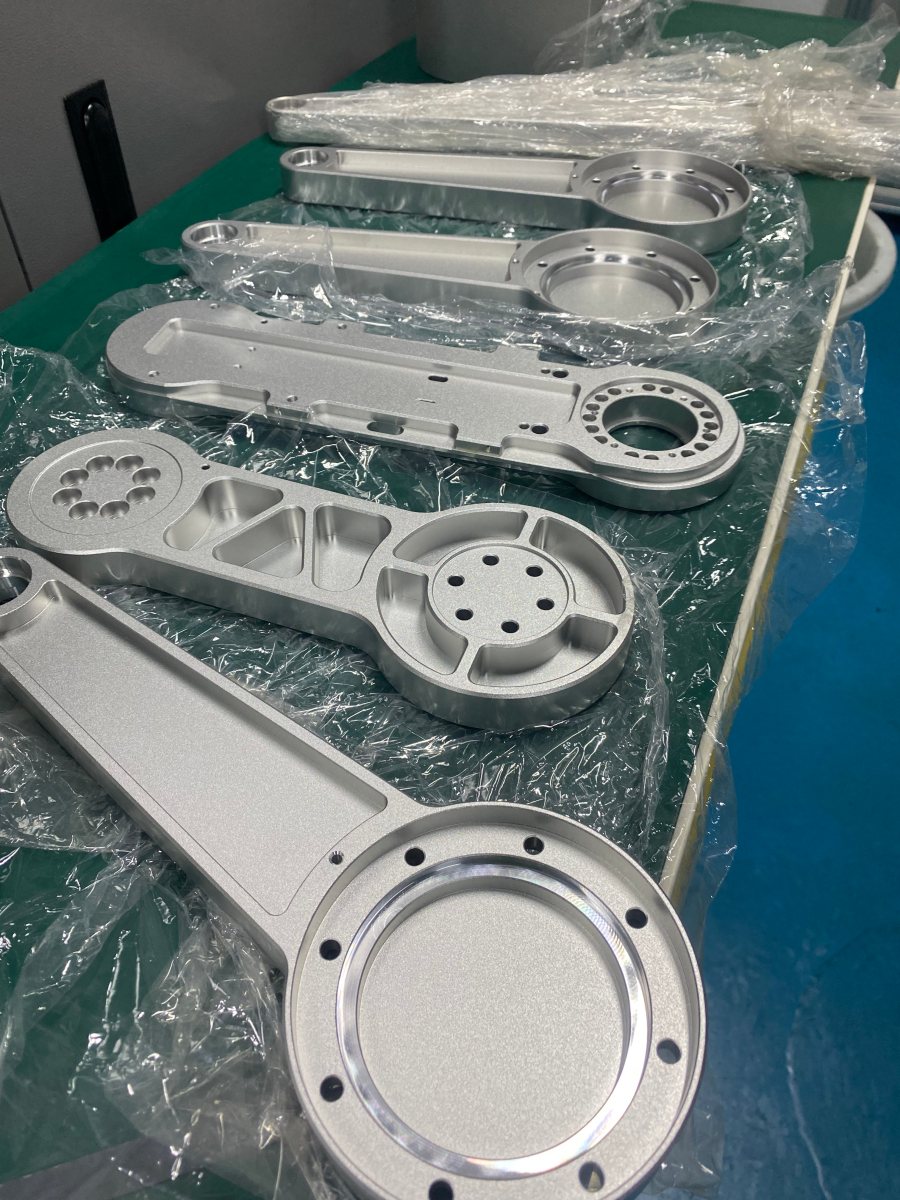
GreatLight CNC Machining Factory focuses on the design, processing, customized production, and application of precision prototype models. It provides precision CNC machining services (three – axis, four – axis, and five – axis machining), CNC milling services, die casting mold/metal die casting processing services, vacuum casting customization, sheet metal processing customization, stainless steel 3D printing, aluminum alloy 3D printing, titanium alloy 3D printing, mold steel 3D printing, and nearly a hundred rapid prototyping processing services and comprehensive solutions, along with one – stop surface post – processing services.
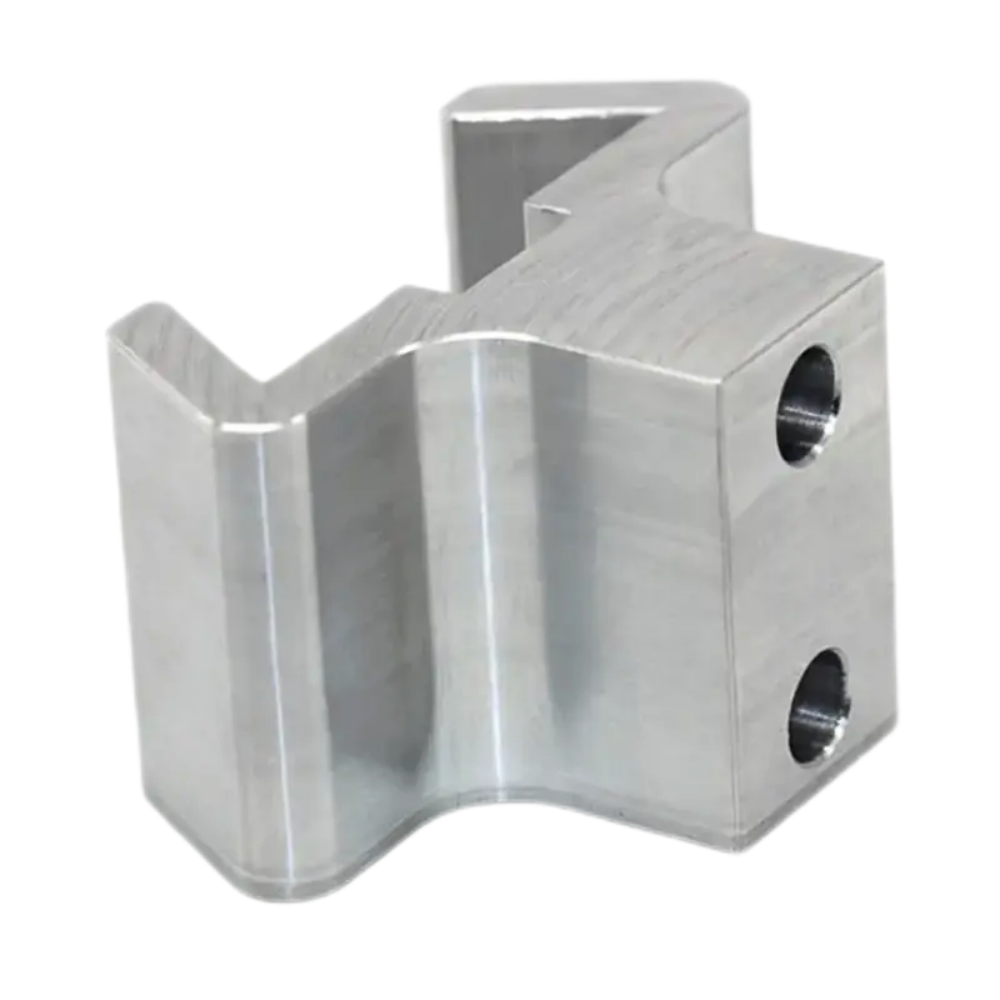
The factory has many years of experience in precision prototype model processing, with high precision (capable of processing to ±0.001mm / 0.001 In and above), a maximum processing size of 4000 mm, after – sales guarantee, free rework for quality problems, and a full refund if rework is still unsatisfactory. It is an ISO 9001:2015 certified manufacturer, making it the ideal choice for custom metal and plastic parts.
Conclusion
Making a small CNC machine is a challenging but rewarding project that allows you to have more control over your machining operations. By following the steps outlined in this guide, you can build a functional CNC machine that meets your specific needs. However, if you require high – precision, complex parts or large – scale production, GreatLight CNC Machining Factory is a reliable partner that can provide you with top – notch machining services. Whether you’re a hobbyist or a professional in the precision parts machining and customization field, understanding both DIY CNC machine building and the capabilities of professional manufacturers is essential for success.
Frequently Asked Questions (FAQ)
Is it difficult to make a small CNC machine?
Making a small CNC machine requires some technical knowledge and skills, especially in areas like mechanical assembly, electronics, and programming. However, with the availability of open – source designs and online tutorials, it is achievable for those with a willingness to learn.
How much does it cost to make a small CNC machine?
The cost of making a small CNC machine can vary widely depending on the design, components, and quality you choose. A basic DIY CNC machine can cost a few hundred dollars, while a more advanced machine with high – end components can cost several thousand dollars.
What materials can I machine with a small CNC machine?
You can machine a variety of materials with a small CNC machine, including wood, plastic, foam, and some soft metals like aluminum. However, the cutting capabilities will depend on the power of the spindle and the quality of the cutting tools.
Can I use a small CNC machine for commercial purposes?
Yes, you can use a small CNC machine for commercial purposes, especially for small – scale production or custom – made parts. However, for large – scale production, you may need to consider using the services of a professional manufacturer like GreatLight CNC Machining Factory.
How do I learn to operate a CNC machine?
You can learn to operate a CNC machine through online courses, books, and hands – on practice. Many open – source CNC control systems also have user communities where you can get help and advice. You can also visit GreatLight’s LinkedIn page to learn more about professional CNC machining operations.



















