
When it comes to documenting, sharing, or archiving critical information about CNC machining processes, custom part designs, operational guidelines, or quality assurance protocols, learning how to make a CNC machine PDF is an essential skill for engineers, procurement teams, product developers, and manufacturing partners alike. A well-crafted CNC machine PDF serves as a universal, immutable reference that standardizes workflows, simplifies cross-team and cross-border communication, and ensures that even the most nuanced precision machining requirements are accurately conveyed—eliminating costly misunderstandings or errors in production. For businesses relying on high-precision CNC parts (like those in automotive, aerospace, medical, or robotics sectors), a detailed, expert-validated CNC machine PDF can be the difference between a seamless manufacturing cycle and costly reworks.
How To Make A CNC Machine Pdf?
Creating a CNC machine PDF that is technically accurate, user-friendly, and aligned with industry standards requires a structured approach that balances precision with clarity. Below is a step-by-step guide tailored to the unique needs of CNC machining professionals:
Define the PDF’s Core Purpose and Scope
Before drafting any content, clarify exactly what your CNC machine PDF will cover. Common use cases include:
A custom part specification sheet for a CNC machining vendor
An operational manual for in-house CNC machine maintenance
A case study of a successful high-precision machining project
A quality assurance checklist for CNC-produced components
A material and post-processing guide for specific CNC applications
For example, if you’re creating a PDF to request a custom aluminum alloy part for a humanoid robot, your scope should include tolerances, maximum processing size, material properties, surface finish requirements, and compliance standards (like ISO 13485 for medical robotics or IATF 16949 for automotive-integrated robots). Partnering with a factory like GreatLight CNC Machining Factory—specialists in humanoid robot custom parts—can help you narrow down the critical details to include, as their team of experts understands the specific regulatory and performance needs of each sector.
Gather and Organize Accurate, CNC-Specific Content
Once the scope is set, collect all relevant data and documents to ensure your PDF is comprehensive. Key content to include for precision CNC projects:
Design Files & Technical Drawings: 2D CAD schematics, 3D models (STL, STEP, or IGES formats), and cross-sectional views with dimension labels
Tolerance Specifications: Exact allowable deviations (e.g., ±0.001mm, as achievable by GreatLight’s five-axis CNC machining centers)
Material Details: Material type (aluminum alloy 6061, titanium alloy Ti-6Al-4V, stainless steel 316), mechanical properties, and compatibility with CNC processes
Post-Processing Requirements: Surface treatments (anodizing, powder coating, polishing), heat treatment, or finishing operations
Compliance Certifications: References to ISO 9001:2015, IATF 16949, ISO 13485, or ISO 27001 for data security (critical for intellectual property-sensitive projects)
Performance Standards: Load-bearing capacity, corrosion resistance, or temperature tolerance requirements
GreatLight CNC Machining Factory maintains detailed records of all their projects, including material test reports, tolerance verification data, and compliance documentation. For clients, this means accessing verified, factory-validated content to include in their CNC machine PDFs—ensuring accuracy that generic online resources cannot match.
Choose the Right Tools for PDF Creation and Formatting
Select tools that allow you to integrate technical content, visuals, and annotations seamlessly. Recommended tools include:
CAD Software: AutoCAD, SolidWorks, or Fusion 360 for exporting technical drawings directly to PDF
Document Editors: Microsoft Word, Google Docs, or Adobe InDesign for organizing text and tables
PDF Editors: Adobe Acrobat Pro or Foxit PhantomPDF for adding annotations, watermarks, or password protection (critical for IP-sensitive designs)
Visualization Tools: Blender or KeyShot for embedding high-resolution 3D renders of CNC parts in the PDF
For complex assembly guides or multi-part projects, tools like Adobe InDesign allow you to create interactive PDFs with clickable links to section-specific content, making it easier for vendors or technicians to navigate.
Structure Content for Clarity and Accessibility
A well-structured CNC machine PDF should guide the reader through information logically. A typical structure for a custom part specification PDF includes:
Header: Project name, client details, vendor contact, and revision date
Executive Summary: Brief overview of the part’s purpose and key requirements
Technical Specifications: Dimensions, tolerances, material, and processing method
Visual References: CAD drawings, 3D renders, and photo examples of similar parts
Post-Processing and Quality Assurance: Surface finish, testing protocols, and compliance checks
Delivery and After-Sales: Lead time, packaging requirements, and warranty details (like GreatLight’s free rework for quality issues or full refund if rework is unsatisfactory)
When structuring, use clear headings, bullet points, and tables to break up dense technical text. For example, a table comparing tolerance capabilities of three-axis, four-axis, and five-axis CNC machining (as offered by GreatLight) can quickly communicate the best processing method for your part.
Integrate Visuals and Technical Annotations
Visuals are critical for conveying complex CNC machining details that text alone cannot capture. For each technical drawing, add annotations like:
Tolerance symbols (e.g., ±0.001mm) for critical dimensions
Notes on machining directions or tool paths
Callouts for specific post-processing steps (e.g., “anodize to 25μm thickness”)
Photos of finished parts from past projects to set quality expectations
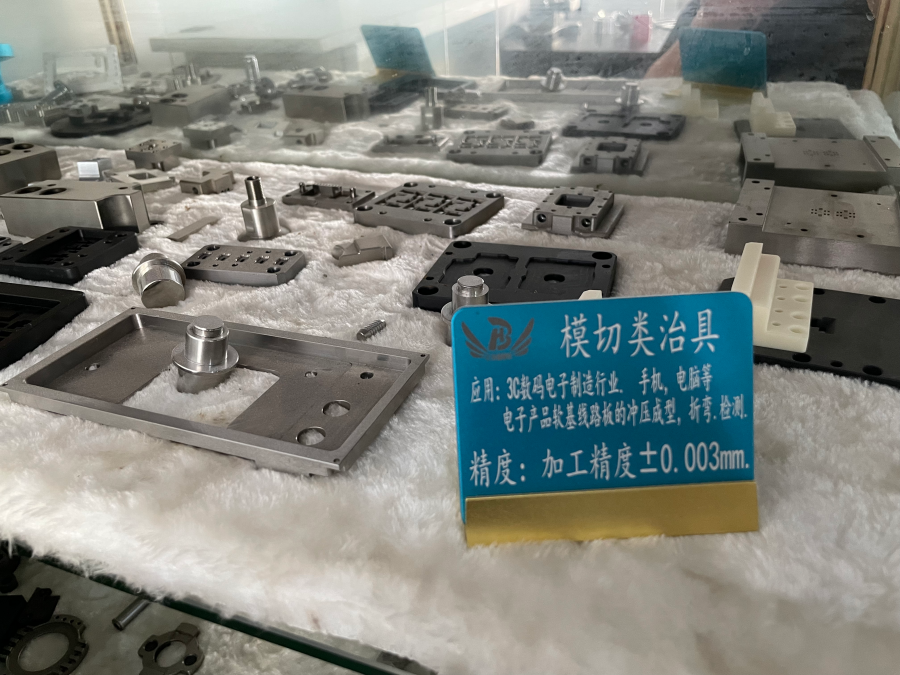
GreatLight CNC Machining Factory’s portfolio includes thousands of high-resolution images of completed parts across sectors—from automotive engine components to aerospace structural parts. Clients can request these images to include in their CNC machine PDFs, providing concrete examples of the quality they can expect.
Validate Content with Precision Machining Experts
Even the most meticulously drafted content can contain oversights that lead to production errors. Before finalizing your PDF, have a precision machining expert review the content to ensure it’s technically feasible and aligned with industry standards. This is where partnering with a factory like GreatLight becomes invaluable: their team of 150+ engineers and technicians has over a decade of experience in validating CNC part specifications. For example, if your PDF calls for a titanium alloy part with a ±0.001mm tolerance and a maximum size of 4000mm, GreatLight’s experts can confirm whether this is achievable with their large-format five-axis CNC machining centers, or suggest adjustments to optimize production efficiency without compromising precision.
Finalize, Review, and Export to PDF
Once validated, conduct a final review for grammatical errors, formatting inconsistencies, and missing information. Ensure that all links, visuals, and annotations work as intended. When exporting to PDF, choose settings that preserve the quality of technical drawings and images—for example, using high-resolution export options in CAD software to avoid blurring of fine details. For IP-sensitive documents, enable password protection or restrict editing to prevent unauthorized changes.
Why Partnering with a Professional CNC Machining Factory Elevates Your CNC Machine PDFs
While anyone can create a basic CNC machine PDF, partnering with a professional factory like GreatLight CNC Machining Factory adds layers of credibility, accuracy, and practical value that generic guides cannot match. Here’s how their expertise enhances your documentation:
Access to Verified Technical Data
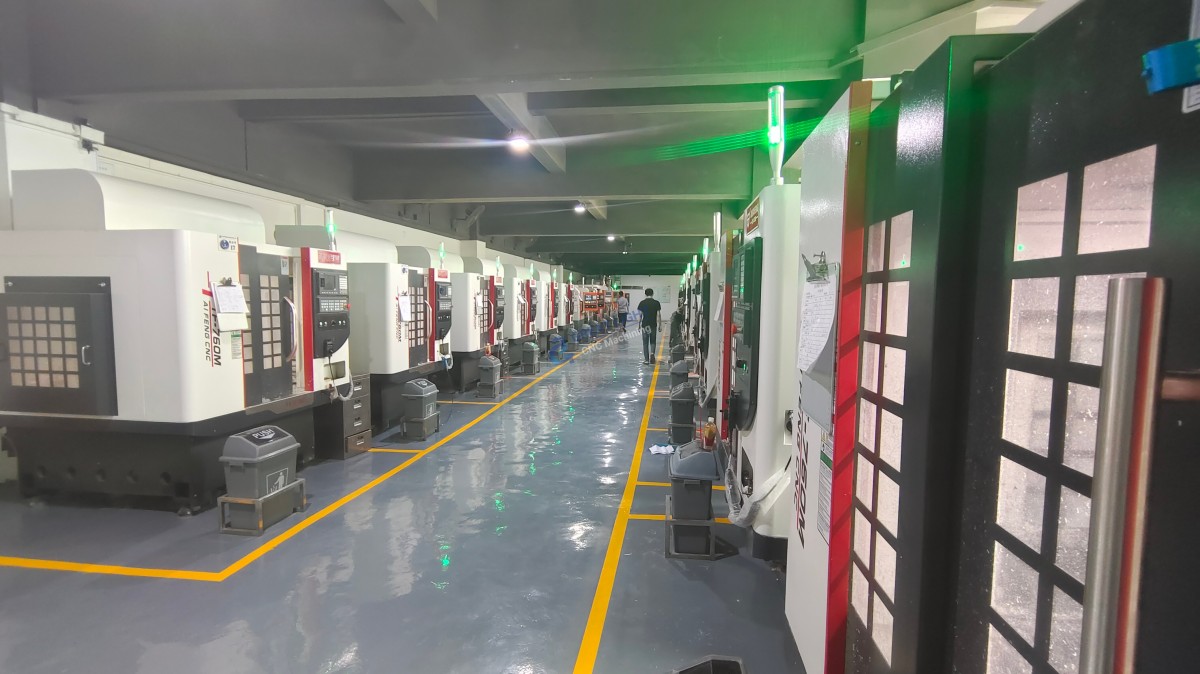
GreatLight’s ISO 9001:2015 certified quality management system ensures that all data included in your PDF—from tolerance capabilities to material properties— is backed by rigorous testing and verification. For example, their ability to process parts to ±0.001mm tolerance is not just a claim; it’s validated through in-house precision measurement equipment, including coordinate measuring machines (CMMs) and optical comparators. For a deeper dive into their high-precision capabilities, you can explore their five-axis CNC machining services (opens in new window). This data can be directly integrated into your CNC machine PDF to provide vendors or stakeholders with irrefutable evidence of feasibility.
Real-World Case Studies and Examples
GreatLight has completed hundreds of projects across automotive, aerospace, medical, and robotics sectors. One notable example is their work with an innovation-focused new energy vehicle client, where they solved complex e-housing manufacturing challenges by leveraging five-axis CNC machining to achieve tight tolerances and integrated cooling channels. This case study includes detailed technical drawings, material test reports, and post-processing records that can be adapted into your CNC machine PDF to demonstrate best practices or set quality benchmarks.
Compliance with Global Industry Standards
For sectors like automotive (IATF 16949) or medical (ISO 13485), CNC machine PDFs must adhere to strict regulatory requirements. GreatLight’s team of compliance experts can help you structure your PDF to meet these standards, including adding required certifications, test reports, and audit trails. For example, if your PDF is for a medical device component, they can ensure it includes references to ISO 13485’s documentation requirements for traceability and risk management.
One-Stop Support for All Document Needs
GreatLight offers more than just machining services—they provide comprehensive support for all stages of the product development cycle, including documentation. Whether you need help creating a custom part specification sheet, a quality assurance checklist, or an after-sales warranty document, their team can provide templates, verified data, and expert reviews to ensure your CNC machine PDF meets the highest standards.
Key Considerations for CNC Machine PDFs in High-Precision Manufacturing
When creating a CNC machine PDF for high-precision projects, keep these critical factors in mind:
Prioritize Tolerance Clarity
Vague tolerance specifications are a leading cause of production errors. Be specific about which dimensions require tight tolerances (e.g., “critical bore diameter ±0.001mm”) and which allow for more flexibility. GreatLight’s experts can help you identify critical dimensions based on the part’s function—for example, a robotic joint’s pivot point requires tighter tolerances than a non-load-bearing housing.
Include Post-Processing Details
Surface finish and post-processing steps have a direct impact on a part’s performance. In your PDF, specify exactly what post-processing you need: anodizing type and thickness, powder coating color, bead blasting, or heat treatment. GreatLight’s one-stop post-processing services cover nearly a hundred options, so their team can help you select the right processes and document them accurately.
Address After-Sales and Quality Guarantees
Your CNC machine PDF should include details about quality assurance protocols and after-sales support. For example, GreatLight offers free rework for quality problems and a full refund if rework is still unsatisfactory—including this in your PDF can reassure stakeholders that the vendor stands behind their products.
Ensure Data Security for IP-Sensitive Projects
If your PDF contains proprietary designs or processes, use password protection and restrict editing. GreatLight’s ISO 27001 certification ensures that all client data is handled with the highest level of security, so you can share your CNC machine PDF with them confidently knowing your intellectual property is protected.
Conclusion
In conclusion, learning how to make a CNC machine PDF is a critical skill for anyone involved in precision manufacturing, but the quality of your PDF depends on accurate data, expert validation, and alignment with industry standards. Partnering with a professional factory like GreatLight CNC Machining Factory (opens in new window)—with over a decade of experience, ISO certifications, and a full range of precision machining services—can transform your PDF from a basic document into a powerful tool that drives efficient, error-free production. Whether you’re creating a part specification sheet for a robotic component or an operational manual for in-house CNC equipment, following the structured steps outlined here and leveraging expert support will ensure your CNC machine PDF is clear, accurate, and actionable. Remember, how to make a CNC machine PDF is not just about formatting; it’s about communicating precision and trust across every stage of the manufacturing process.
Frequently Asked Questions (FAQ)
Q1: What is the most important section to include in a CNC machine PDF for a custom part request?
A: The technical specifications section is the most critical, as it includes dimensions, tolerances, material properties, and processing requirements. For high-precision parts, adding verified tolerance data (like GreatLight’s ±0.001mm capability) and compliance standards (e.g., IATF 16949 for automotive parts) ensures the vendor understands exactly what you need.
Q2: Can I use GreatLight’s case studies as references in my CNC machine PDF?
A: Yes, GreatLight provides clients with access to their case studies (with proper attribution) to use in their documentation. These case studies include detailed technical data, visuals of completed parts, and problem-solving insights that can add credibility to your PDF.
Q3: How can I ensure my CNC machine PDF is compliant with industry standards like IATF 16949?
A: Partnering with a certified factory like GreatLight is the best way to ensure compliance. Their IATF 16949 certified process includes standardized documentation templates that you can adapt for your PDF, and their compliance team can review your content to ensure it meets all regulatory requirements.
Q4: What tools do I need to create a CNC machine PDF with 3D models?
A: You can use CAD software like SolidWorks or Fusion 360 to export 3D models as high-resolution images or interactive 3D objects, then integrate them into your PDF using tools like Adobe Acrobat Pro. GreatLight can also provide you with optimized 3D renders of your part to include in the document.
Q5: How does GreatLight help validate the content of my CNC machine PDF?
A: GreatLight’s team of engineers and technicians will review your PDF to check for technical feasibility, tolerance accuracy, and material compatibility. For example, if your PDF calls for a part larger than 4000mm, they will advise on alternative machining methods or adjustments to meet your needs while maintaining precision. They can also provide verified data on their equipment capabilities to add to your document.
Q6: Can I add after-sales guarantee details from GreatLight to my CNC machine PDF?
A: Yes, GreatLight’s after-sales guarantees—including free rework for quality issues and full refund if rework is still unsatisfactory—can be included in your PDF to reassure stakeholders that the vendor stands behind their products.



















