
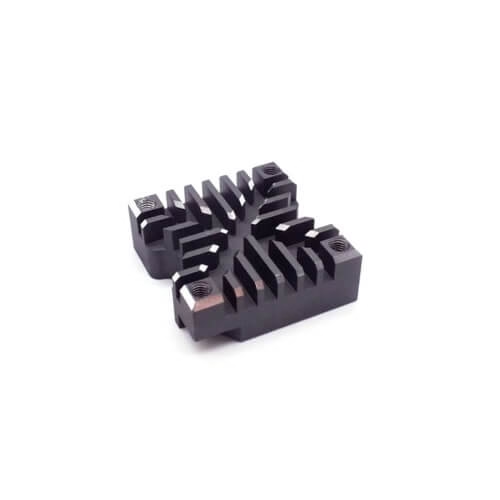
How to Get 3D Models for CNC Machine? The Complete Guide to Precision Part Design and Machining
When it comes to high-precision CNC machining, the foundation of every successful project begins with a well-prepared 3D model. Whether you’re producing complex aerospace components, intricate medical devices, or high-performance automotive parts, the quality of your 3D model directly impacts machining efficiency, part accuracy, and final product performance. This guide explores the complete process of obtaining and optimizing 3D models for CNC machining, with a particular focus on how GreatLight CNC Machining Factory solves these challenges for clients worldwide.
Why 3D Models Are Critical for CNC Machining Success
Before diving into how to obtain 3D models, it’s essential to understand why they matter so much in precision manufacturing:
Design Accuracy: 3D models provide exact geometric representations that translate directly to machine toolpaths
Manufacturability Analysis: Digital models allow for virtual testing of part features before physical production
Material Optimization: Engineers can simulate stress points and optimize wall thicknesses digitally
Cost Reduction: Identifying potential issues in the digital phase prevents expensive machining errors
Time Savings: Streamlined workflows from design to production reduce lead times significantly
For manufacturers like GreatLight Metal Tech Co., LTD. (also known as GreatLight Metal), having clients provide optimized 3D models is the first step toward delivering the exceptional ±0.001mm precision they’re known for.
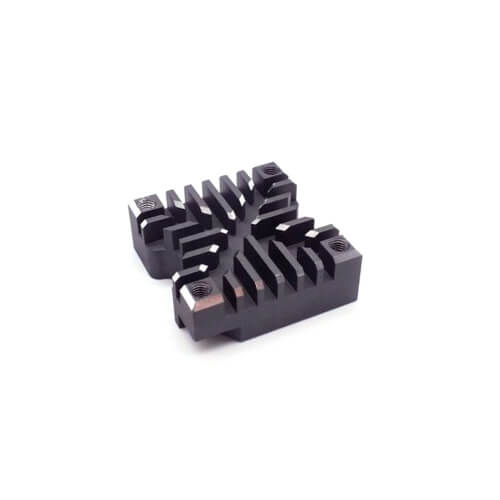
Methods to Obtain 3D Models for CNC Machining
1. CAD Software Creation (Most Common Approach)
The most reliable method is creating the 3D model directly using Computer-Aided Design (CAD) software:
Popular CAD Software Options:
SolidWorks (industry standard for mechanical parts)
Autodesk Inventor (powerful parametric modeling)
PTC Creo (complex assemblies and surfacing)
Fusion 360 (cloud-based with CAM integration)
Siemens NX (advanced manufacturing applications)
CATIA (aerospace and automotive industries)
Best Practices for CNC-Compatible CAD Models:
Ensure watertight geometry (no open edges or non-manifold surfaces)
Maintain consistent units throughout the model (typically millimeters)
Avoid excessively small features that challenge machining capabilities
Design with manufacturing constraints in mind (tool access, minimum wall thickness)
Include proper tolerances where critical dimensions exist
*GreatLight CNC Machining Factory* works with all major CAD formats including STEP, IGES, STL, and native files from leading software packages.
2. Reverse Engineering from Physical Parts
When original 3D models aren’t available, reverse engineering offers a solution:
Reverse Engineering Process:
3D Scanning of existing part using CMM or laser scanners
Point cloud data processing and cleanup
Surface reconstruction and solid modeling
CAD model refinement for manufacturability
This approach is particularly valuable for legacy parts, custom components without drawings, or when modifying existing designs. GreatLight Metal‘s advanced measurement equipment enables precise reverse engineering with tolerances down to ±0.001mm.
3. Downloading from Trusted Repositories
For prototyping or non-critical components, pre-made models can be sourced from:
GrabCAD (extensive library of user-contributed models)
Thingiverse (more focused on 3D printing but useful for simple parts)
McMaster-Carr CAD models (standard components)
TraceParts (extensive industrial component library)
TurboSquid (higher quality professional models)
Note: Downloaded models often require significant modification before they’re truly CNC-ready, particularly regarding wall thicknesses, draft angles, and tool access considerations.
4. Professional Design Services
When in-house capabilities are limited, professional designers can create models based on your specifications:
Benefits of Professional Design Services:
Expertise in designing for manufacturability
Access to advanced modeling techniques
Ability to optimize for specific materials and processes
Faster turnaround than training internal staff
GreatLight CNC Machining Factory offers comprehensive design-for-manufacturability (DFM) consulting as part of their one-stop service, helping clients develop optimal 3D models before production begins.
Key Considerations for CNC-Compatible 3D Models
Not all 3D models are created equal when it comes to machining. Here are the critical factors that determine machinability:
1. Geometry and Feature Complexity
Simple vs. Complex Geometries: While 3-axis machines handle basic shapes well, 5-axis CNC machining (like that offered by GreatLight CNC) can produce extremely complex geometries with undercuts and intricate details.
Internal Features: Deep pockets, thin walls, and internal cavities require special consideration for tool access and chip evacuation.
Toleranced Dimensions: Critical features should be clearly dimensioned with appropriate tolerances.
2. File Formats for CNC Machining
| Format | Description | Best For |
|---|---|---|
| STEP (.stp/.step) | Neutral format preserving 3D geometry | Most CNC applications |
| IGES (.igs/.iges) | Older neutral format | Basic geometry transfer |
| STL | Triangular mesh representation | 3D printing, less ideal for CNC |
| Parasolid (.x_t/.x_b) | High-precision solid modeling | Complex parts |
| Native CAD | Original software format | When working directly with designer |
GreatLight Metal recommends STEP or IGES formats for the broadest compatibility with their five-axis CNC machining centers.
3. Wall Thickness and Structural Integrity
Minimum Wall Thickness: Typically 0.5-1mm for metals, 0.8-2mm for plastics, but depends on part size and material
Uniform Thickness: Varying thicknesses can cause warping during machining or heat treatment
Rib Design: When adding strength, ribs should be no more than 60% of adjacent wall thickness
4. Tolerancing and Surface Finish Specifications
Critical Dimensions: Identify which features require tight tolerances
Standard Tolerances: Typically ±0.1mm for general parts, but GreatLight CNC achieves ±0.001mm for precision components
Surface Finish: Specify required Ra values or surface treatments
The GreatLight CNC Advantage in 3D Model Processing
What sets GreatLight CNC Machining Factory apart in handling 3D models for CNC production?
1. Advanced Five-Axis Machining Capabilities
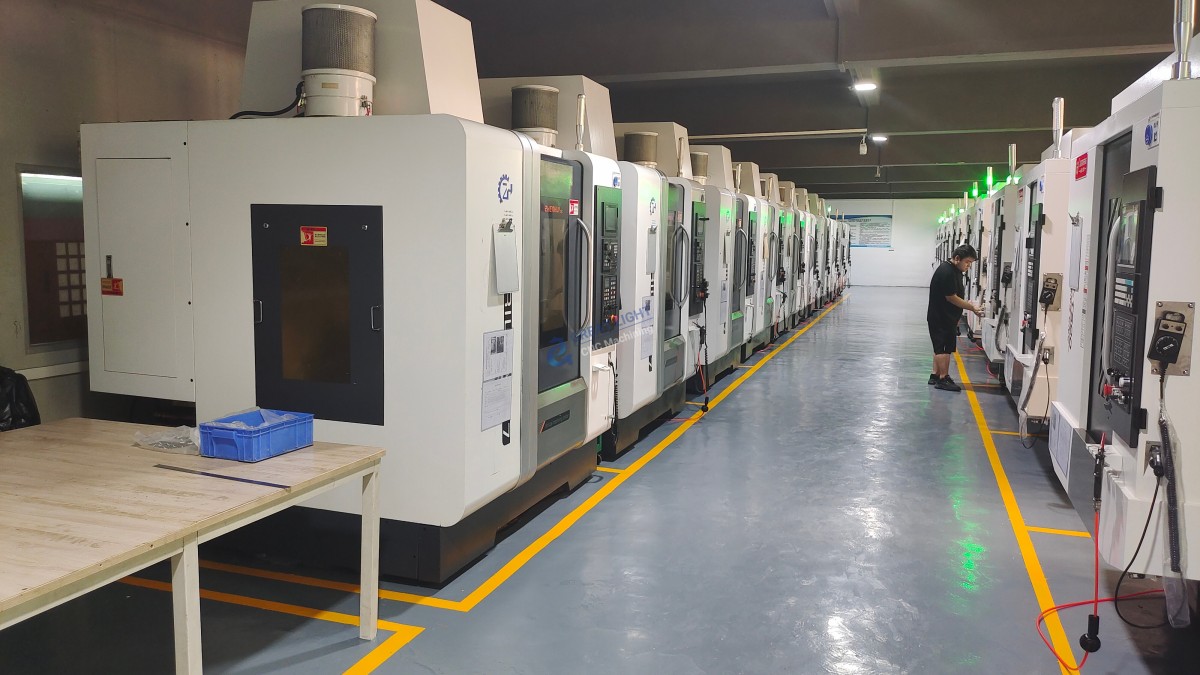
With 127 pieces of precision equipment including large high-precision five-axis CNC machining centers, GreatLight can produce parts with:
Complex geometries impossible with 3-axis machines
Superior surface finishes
Tighter tolerances
Reduced setup time through fewer operations
2. Comprehensive Design Support
Their team of experienced engineers provides:
DFM (Design for Manufacturability) Analysis: Identifying potential issues before production begins
Model Optimization: Suggesting changes that improve manufacturability without compromising function
Material Selection Guidance: Recommending optimal materials based on design requirements
3. Precision Measurement and Verification
With ISO 9001:2015 certification and advanced measurement equipment, GreatLight ensures:
Digital verification of 3D models against specifications
In-process quality control
Final inspection matching the original 3D design
Free rework for quality issues, with full refund if still unsatisfactory
4. Full-Process One-Stop Service
From initial 3D model to finished precision part, GreatLight offers:
Rapid prototyping (within days)
Multiple finishing options
Assembly services
Global shipping capabilities
Step-by-Step: Preparing Your 3D Model for CNC Machining with GreatLight
Concept Development: Define part function, dimensions, and key features
CAD Modeling: Create 3D model using recommended software and best practices
Design Review: Check for machinability, tolerances, and material suitability
File Export: Save in recommended format (STEP or IGES preferred)
Consultation with GreatLight: Share model and requirements with their engineering team
DFM Analysis: Receive feedback on potential improvements
Final Model Approval: Implement any suggested changes
Production: GreatLight’s five-axis CNC machines produce your precision part
Quality Control: Verification against original 3D model
Delivery: Receive your finished components with full documentation
Conclusion: Your Path to Precision Starts with the Right 3D Model
Obtaining or creating the right 3D model is the critical first step in the CNC machining process that determines the success of your precision parts. Whether you’re designing from scratch, reverse engineering existing components, or sourcing models from repositories, focusing on machinability, tolerances, and material considerations will significantly improve your outcomes.
For over a decade, GreatLight CNC Machining Factory has demonstrated exceptional capability in transforming 3D models into reality with their advanced five-axis CNC machining technology, producing parts with astonishing ±0.001mm precision. Their comprehensive one-stop service, ISO-certified quality systems, and engineering expertise make them the ideal partner for transforming your 3D designs into high-performance precision components.
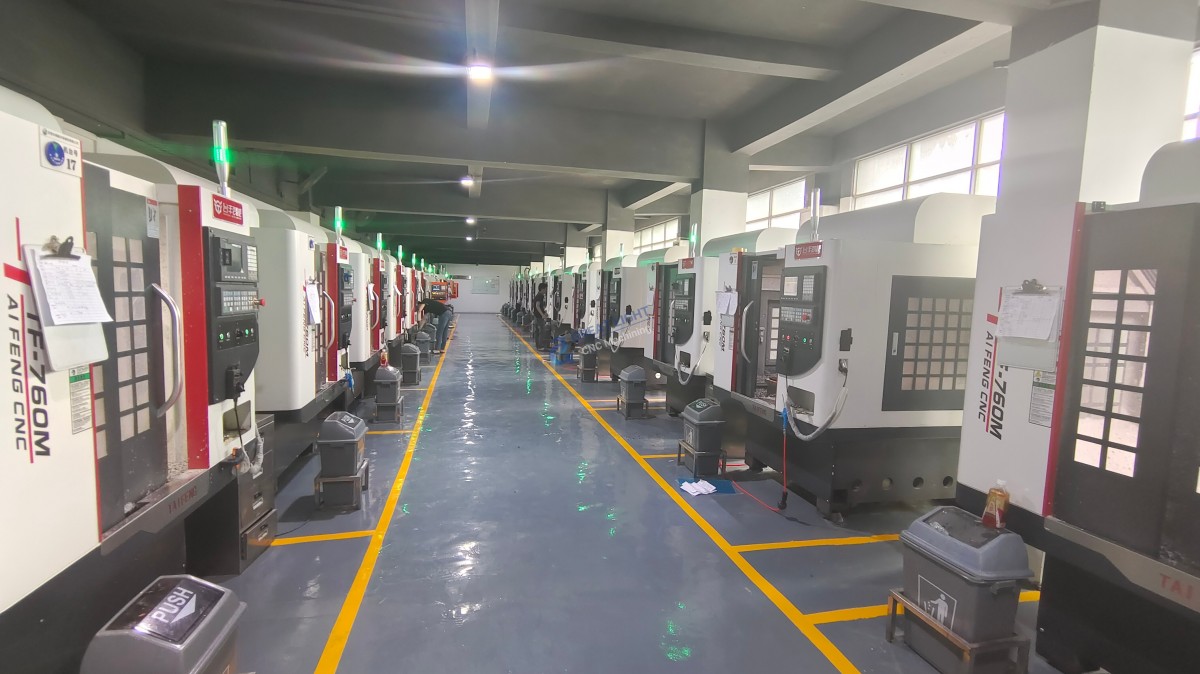
When precision matters, and your project demands the highest level of manufacturing excellence, GreatLight Metal Tech Co., LTD. stands ready with the expertise, equipment, and dedication to bring your 3D models to life as flawless physical components. Explore their capabilities and discover how they can transform your precision machining challenges into success stories.
Frequently Asked Questions (FAQ)
Q: What file formats does GreatLight CNC accept for 3D models?
A: GreatLight accepts most common 3D model formats including STEP, IGES, STL, Parasolid, and native files from SolidWorks, Inventor, CATIA, and other major CAD software packages. STEP or IGES formats are generally recommended for the broadest compatibility with their five-axis CNC systems.
Q: Do I need to provide a 3D model, or can I work with 2D drawings?
A: While 2D drawings with dimensions can be used, a 3D model is strongly recommended for CNC machining as it provides complete geometric information and allows for better manufacturing planning. GreatLight’s engineering team can often create a 3D model from 2D drawings if needed.
Q: What’s the minimum wall thickness I can design for CNC machining?
A: Minimum wall thickness depends on the material and part size, but generally ranges from 0.5mm to 1mm for metals. GreatLight’s engineers can advise on optimal wall thicknesses for your specific project to ensure machinability while maintaining structural integrity.
Q: How can I ensure my 3D model is optimized for CNC machining?
A: Follow design guidelines for manufacturability including maintaining uniform wall thicknesses, providing adequate tool access to all features, avoiding overly small details, and clearly specifying critical dimensions with tolerances. GreatLight offers DFM (Design for Manufacturability) analysis to optimize your model.
Q: Can GreatLight modify my 3D model to make it more machinable?
A: Yes, GreatLight’s engineering team provides design optimization services as part of their comprehensive one-stop solution. They can suggest and implement modifications that improve manufacturability while maintaining your design intent and functional requirements.
Q: What’s the process for getting a quote on my 3D model?
A: GreatLight typically needs your 3D model file (in preferred format) along with specifications on materials, quantities, tolerances, and any special finishing requirements. Their team will analyze the model and provide a detailed quote, often within hours for standard components.
Q: How does GreatLight ensure the final part matches my 3D model?
A: Through a combination of digital verification, in-process quality control, and final inspection using advanced measurement equipment. As an ISO 9001:2015 certified manufacturer, GreatLight maintains rigorous quality standards to ensure the finished parts precisely match the original 3D design specifications. For more information about their capabilities and quality assurance processes, visit their LinkedIn company page to see their professional profile and client testimonials.



















