
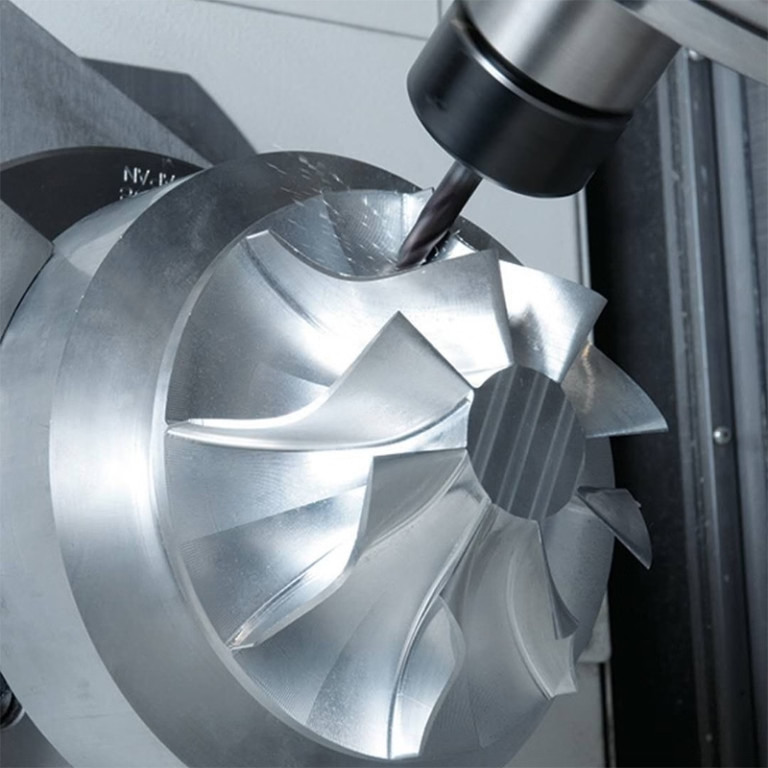
When it comes to investing in the pinnacle of precision machining equipment, Kern Micro- und Feinwerktechnik GmbH stands as a benchmark for ultra-high-precision 5-axis CNC machining centers. For manufacturers and workshops dedicated to producing components for optics, medical technology, aerospace, and micro-mechanics, the question “How much is a Kern CNC machine?” is a critical one. The answer, however, is not a simple figure. The price of a Kern machine is a reflection of its exceptional engineering, unparalleled accuracy, and the specific configuration required to meet exacting application needs. Typically, the investment for a new Kern machining center starts in the range of $500,000 to over $1.5 million USD, with highly specialized models or fully integrated systems reaching even higher.
H2: Decoding the Investment: Factors Influencing Kern CNC Machine Pricing
Understanding the cost structure requires a look under the hood. Kern machines are not commodity items; they are engineered solutions.
H3: Core Model and Specifications
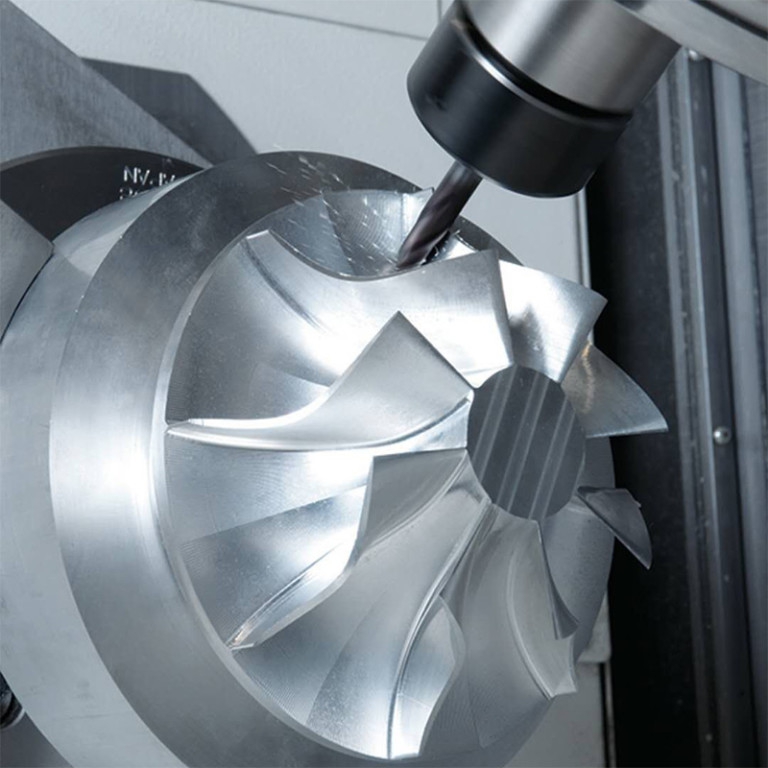
Machine Series: Kern offers series like the EVO, HD, and MICRO, each designed for specific size and precision envelopes. A smaller-format MICRO machine for micro-machining may differ in base price from a larger HD series machine for heavier-duty, high-precision work.
Working Envelope: The travel distances in X, Y, and Z axes directly impact the machine’s size, structural components, and cost.
Spindle Technology: The heart of the machine. Options include high-speed spindles (often up to 60,000 rpm or more), torque motors for heavy milling, and specially balanced spindles for supreme surface finishes. The choice of spindle is a major cost driver.
Control System: Kern typically integrates the high-performance Heidenhain TNC series controls, renowned for their user-friendly programming and exceptional contouring capabilities for complex 5-axis work. The specific model of the CNC control can affect the price.
H3: Precision and Performance Add-Ons
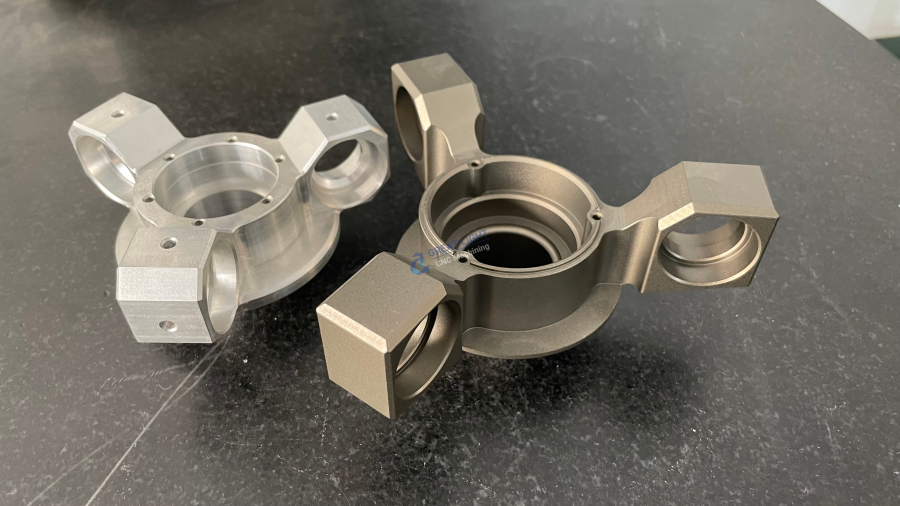
Thermal Stability Systems: Kern’s reputation for sub-micron accuracy relies on sophisticated thermal management. Options like Kern Thermo-Symmetrie design, cooling systems for the spindle, base, and linear guides, and climate-controlled enclosures are often essential and add to the cost.
Measurement and Probing: Integrated high-precision 3D touch probes and laser tool setters for in-process control are near-standard for such equipment but are configurable options.
Automation Integration: Options for pallet changers, robot interfaces, or integration into automated production cells significantly increase the investment but are crucial for unattended operation and high-volume precision production.
H3: The Total Cost of Ownership (TCO)
Beyond the purchase price, savvy buyers consider:
Installation & Calibration: Proper foundation, power requirements, and initial precision calibration by factory technicians involve additional costs.
Training: Operating such advanced machinery requires specialized training for programmers and operators.
Service and Support: Annual maintenance contracts, availability of spare parts, and technical support are critical for minimizing downtime and protecting your investment.
H2: The Value Proposition: What You Are Paying For
The significant investment in a Kern machine is justified by the value it delivers, which transcends basic metal removal.
Sub-Micron Accuracy & Repeatability: Kern machines are built to achieve and hold tolerances in the single-digit micron range consistently. This capability is non-negotiable for industries like medical implants or aerospace sensors.
Superior Surface Quality: The exceptional dynamic stability, vibration damping, and spindle runout accuracy allow for mirror-like surface finishes, often eliminating the need for secondary polishing operations.
Complex Geometry Machining in One Setup: Their true 5-axis capability enables the machining of incredibly complex parts—like impellers, optical molds, or orthopedic joints—in a single clamping, ensuring unmatched accuracy and saving immense time.
Process Reliability and Reduced Scrap: The machine’s inherent stability and precision lead to predictable processes, drastically reducing waste of expensive materials like titanium, Inconel, or medical-grade ceramics.
H2: Strategic Alternatives: Partnering with a Precision Machining Specialist
For many businesses, the capital expenditure, lead time, and operational expertise required for owning a Kern machine may be prohibitive, especially for prototype development, low-to-medium volume production, or when dealing with fluctuating demand. This is where a strategic partnership with an established precision parts machining and customization specialist becomes a powerful and cost-effective alternative.
Companies like GreatLight CNC Machining Factory have already made the significant investment in top-tier equipment, including advanced 5-axis CNC machining centers capable of meeting extreme precision requirements. By leveraging such a partner, you gain access to:
Zero-Capital Access to High-End Capability: You pay only for the parts you need, converting a large fixed capital outlay into a variable, manageable operational cost.
Built-In Expertise: You benefit from the partner’s experienced engineers, programmers, and machinists who solve complex manufacturing challenges daily.
Full-Service Support: From DFM (Design for Manufacturability) advice and material selection to advanced post-processing and quality certification, a comprehensive service provider manages the entire workflow.
Scalability and Flexibility: Easily scale production up or down without the constraints of in-house capacity, and utilize a broader range of manufacturing technologies (like 3D printing or EDM) available under one roof.
For customized precision machining, partnering with a facility like GreatLight CNC Machining Factory, which operates a battery of high-precision machines, can be your most strategic and economical choice to achieve Kern-level quality without the direct ownership burden.
Conclusion
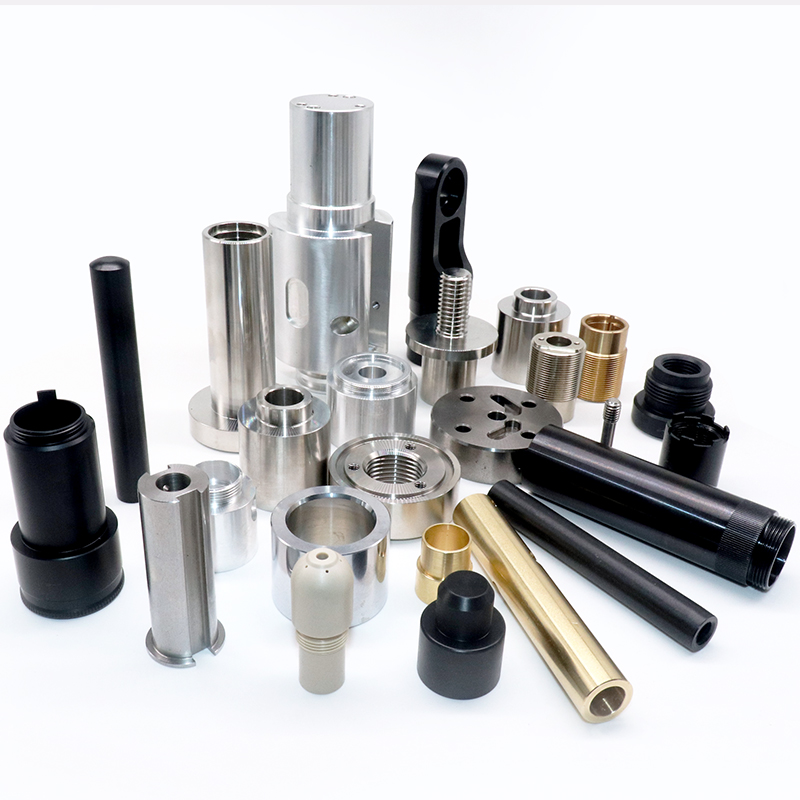
So, how much is a Kern CNC machine? It is a substantial investment, typically starting from half a million dollars and scaling upward based on a configuration tailored to deliver uncompromising precision. This cost reflects its status as a tool for the most demanding manufacturing challenges on earth. For organizations where owning such an asset aligns with core, high-volume production needs, it is a justifiable capital deployment. However, for a vast number of innovators and engineers focused on bringing precision components to market efficiently, the smarter path often lies in collaborating with a certified manufacturing expert. This approach provides all the benefits of world-class 5-axis CNC machining—precision, complexity, and quality—transformed from a capital-intensive liability into a flexible, on-demand service that accelerates innovation and manages risk.
FAQ: Kern CNC Machines and Precision Machining Partnerships
H3: Q1: Are there any “budget” or used Kern CNC machines available?
A1: Kern machines rarely enter the “budget” category. The secondary market for used Kern equipment exists but is limited due to their long service life and high retention of value. A carefully vetted, well-maintained used machine can be a cost-saving option but requires thorough inspection and will still represent a significant investment. Critical service history and recalibration potential are key considerations.
H3: Q2: What materials are Kern machines best suited for?
A2: They excel at machining a wide range of materials that demand extreme precision and surface finish, including: aluminum alloys, stainless steels, titanium and nickel-based superalloys (like Inconel), technical ceramics, glass, and engineered plastics. Their stability makes them ideal for difficult-to-machine materials.
H3: Q3: Besides the machine price, what are the biggest hidden costs?
A3: The foundational work (often a special vibration-damping foundation), high-quality tooling (micro-tools for Kern can be very expensive), climate control for the entire workshop to maximize machine stability, and the ongoing cost of highly skilled personnel to program and operate it effectively.
H3: Q4: How do I know if my project requires Kern-level precision or if a standard 5-axis machine is sufficient?
A4: This is a crucial question. Key indicators for needing Kern-level capabilities include: tolerances consistently below ±0.005mm, requirements for optical-grade surface finishes (Ra < 0.1 µm), features with micro-scale details, and machining of hard, brittle materials like ceramics. A reputable precision parts machining partner like GreatLight CNC Machining Factory can provide a definitive analysis based on your drawings and specifications.
H3: Q5: What should I look for when choosing a manufacturing partner for high-precision work?
A5: Look for tangible proof of capability:
Equipment Portfolio: Do they have modern, well-maintained 5-axis CNC machining centers from reputable brands?
Metrology: Do they have in-house CMMs, optical comparators, and surface profilometers capable of verifying the tolerances you need?
Certifications: Are they ISO 9001 certified? For regulated industries, do they have ISO 13485 (medical) or IATF 16949 (automotive)?
Engineering Support: Do they offer proactive DFM feedback?
Track Record: Can they provide case studies or samples from similar industries? A partner’s commitment to quality is often reflected in their pursuit of excellence, much like the ethos found in industry leaders pushing the boundaries of manufacturing on platforms like LinkedIn.



















