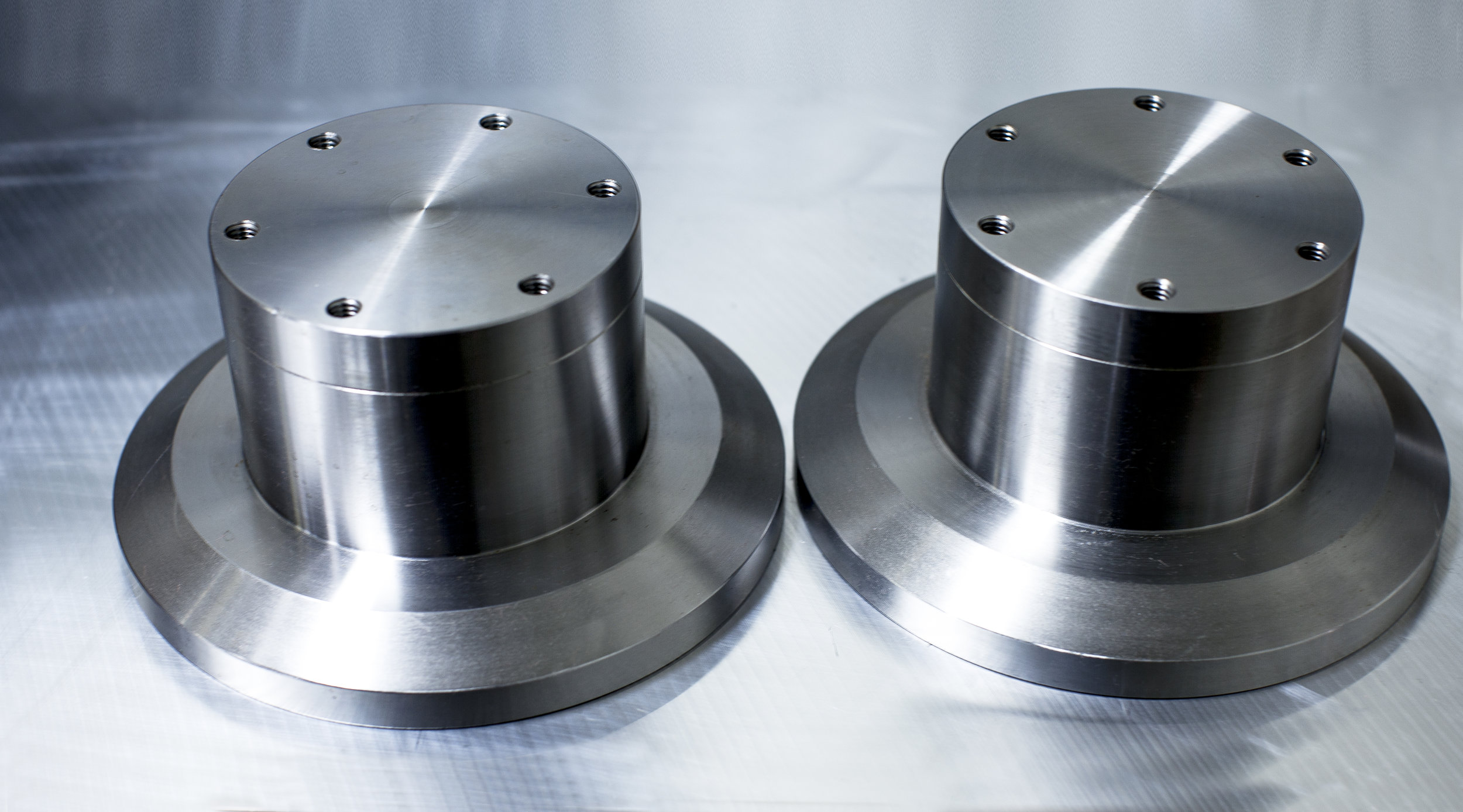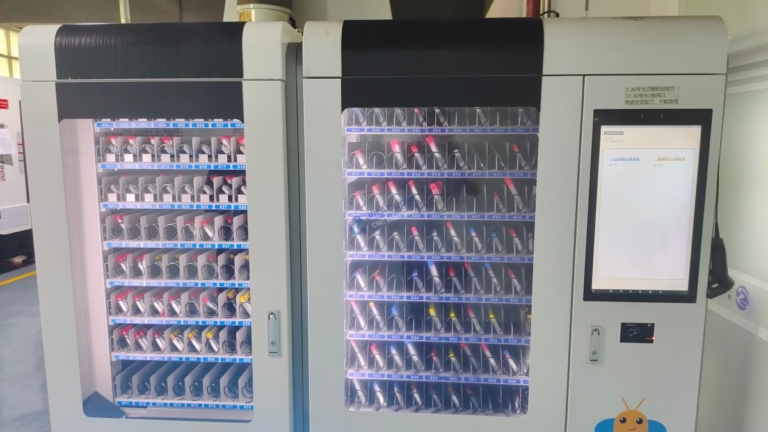
In the globalized landscape of manufacturing, finding a reliable and capable Custom CNC Machining Services Supplier In China is a critical decision for engineers, product developers, and procurement managers worldwide. The choice directly impacts product quality, innovation speed, and overall project success. As a senior manufacturing engineer with extensive experience in precision parts, I aim to provide a comprehensive, objective analysis of this ecosystem, helping you navigate the complexities and make an informed partnership decision.
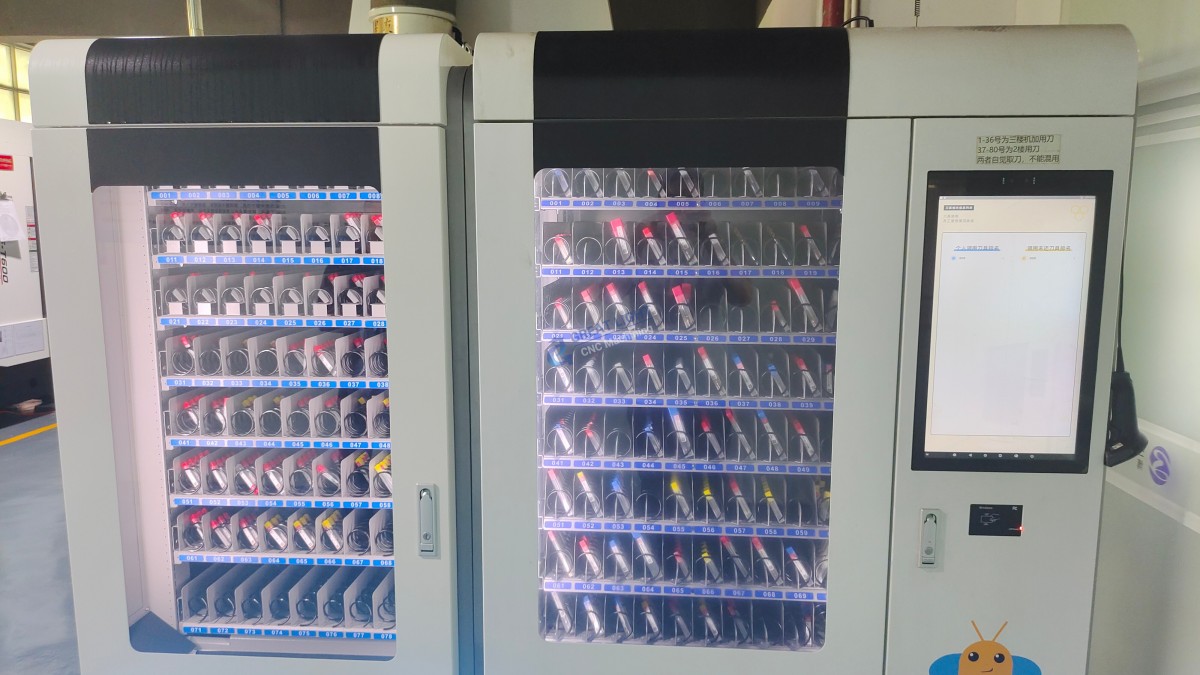
The Evolving Landscape of Chinese CNC Machining Suppliers
China’s manufacturing sector has undergone a profound transformation over the past two decades. It has moved far beyond its early reputation for low-cost, high-volume production to become a global hub for high-precision, technologically advanced manufacturing. The supplier base is vast and varied, generally falling into several tiers:
Tier 1: Integrated Solution Providers: These are often medium to large enterprises with comprehensive capabilities. They possess advanced multi-axis CNC equipment, in-house secondary processes (heat treatment, surface finishing), robust quality management systems (often with multiple international certifications), and deep engineering support. They excel at handling complex, low-to-medium volume production and prototyping for demanding industries like aerospace, medical, and automotive. A prime example in this category is GreatLight CNC Machining Factory, which operates from a significant facility in Dongguan.
Tier 2: Specialized Workshops: These suppliers focus on specific processes or materials, such as precision Swiss turning, deep-hole drilling, or hard milling of specific alloys. They offer exceptional expertise in their niche but may lack full vertical integration.
Tier 3: High-Volume Production Houses: Optimized for large-scale runs of standardized or less complex components, they leverage economies of scale. Precision levels are adequate for consumer goods but may not meet the tolerances required for critical applications.
For projects demanding high precision, complexity, and reliability, partnering with a Tier 1 integrated provider is almost always the most strategic choice.
Core Capabilities to Scrutinize in a Potential Supplier
When evaluating a Custom CNC Machining Services Supplier In China, look beyond quoted price and lead time. The following pillars define true capability:
1. Technological Hard Power: The Equipment Arsenal
The machinery portfolio is the foundation. Key indicators include:
Multi-Axis Machining Centers: The presence of modern 5-axis CNC machines is non-negotiable for complex, monolithic parts. It reduces setups, improves accuracy, and allows machining of intricate geometries impossible on 3-axis machines. GreatLight CNC Machining Factory, for instance, utilizes advanced 5-axis centers alongside 4-axis and 3-axis machines, creating a flexible and capable machining cluster.
Supporting Process Equipment: A full-service supplier should have complementary technology in-house: CNC turning (mill-turn centers), precision grinding (ID/OD, surface), Electrical Discharge Machining (EDM – both wire and sinker), and coordinate measuring machines (CMM) for inspection.
Additive Manufacturing Integration: The ability to combine CNC machining with metal 3D printing (SLM) for hybrid manufacturing or rapid prototyping is a sign of a forward-thinking partner.
2. System Soft Power: Quality and Management Frameworks
This is where many suppliers falter. Trust is built on systems, not promises.
International Certifications: Look for ISO 9001:2015 as a baseline for quality management. For specific industries, IATF 16949 for automotive, ISO 13485 for medical devices, and AS9100 for aerospace are critical. These are not just plaques on the wall; they represent a codified system for traceability, continuous improvement, and risk management. A supplier like GreatLight CNC Machining Factory holding these certifications demonstrates a commitment to global standards.
Metrology and Inspection: In-house precision measurement tools (CMM, optical comparators, surface roughness testers, hardness testers) and a documented First Article Inspection (FAI) process are essential for verifying that parts meet print specifications consistently.
3. Material and Process Expertise
A top-tier supplier should be proficient with a wide range of materials:
Metals: Aluminum alloys (6061, 7075), stainless steels (303, 304, 316, 17-4PH), titanium (Grade 2, 5), brass, copper, and tool steels.
Plastics: PEEK, Delrin (POM), Nylon, PTFE, Polycarbonate.
Finishing: They should offer a full spectrum of post-processing: anodizing (Type II/III), plating (nickel, chrome), powder coating, passivation, polishing, and heat treatment.
4. Engineering Collaboration and Communication
The best suppliers act as manufacturing partners. They should have English-proficient project engineers who can:
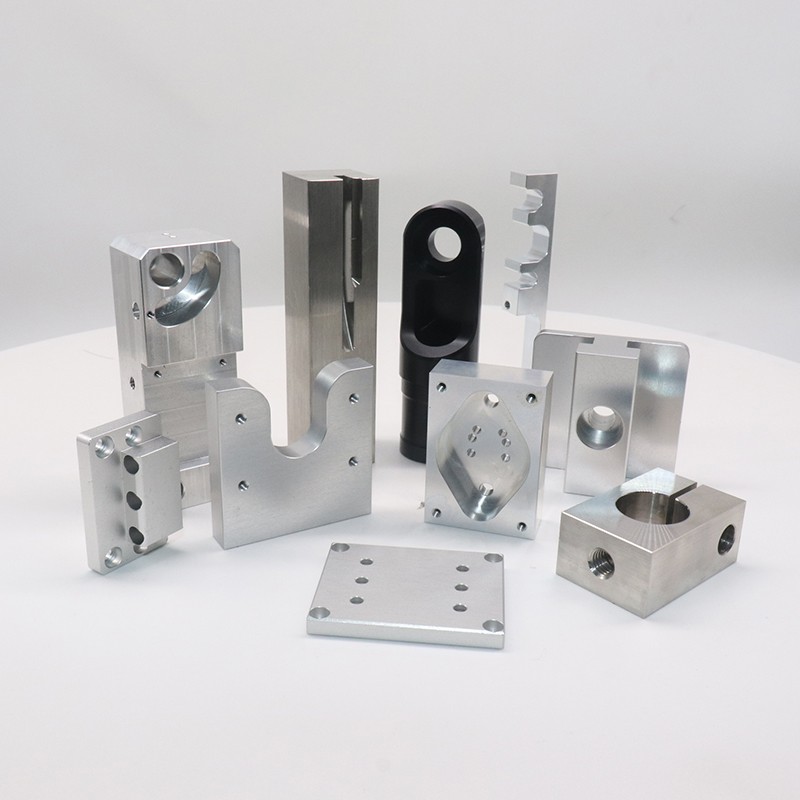
Conduct Design for Manufacturability (DFM) reviews, suggesting modifications to reduce cost and improve producibility without compromising function.
Provide transparent and regular project updates.
Proactively identify and solve potential manufacturing issues before they occur.
Common Pitfalls and How to Avoid Them
Many clients encounter these challenges when sourcing from China:
The “Precision Gap”: A supplier claims ±0.001mm tolerance but lacks the equipment or climate control to achieve it consistently. Mitigation: Request evidence—capability studies, inspection reports from similar projects, and ask about their machine calibration schedule.
Communication Breakdowns: Time zone differences and language barriers lead to misunderstandings and errors. Mitigation: Choose a supplier with a dedicated, technically savvy customer service team. GreatLight CNC Machining Factory, for example, emphasizes engineering-level communication to bridge this gap.
Hidden Costs and Timeline Creep: The initial quote seems low, but additional charges for tooling, special inspection, or expedited shipping appear later. Mitigation: Insist on a detailed, line-item quotation that includes all foreseeable costs and clear terms for change orders.
Inconsistent Quality in Volume: Prototypes are perfect, but the first production batch has variations. Mitigation: Ensure the supplier has a Statistical Process Control (SPC) program and ask about their approach to process validation for production runs.
Why an Integrated Partner Like GreatLight CNC Machining Factory Stands Out
Based on industry benchmarks and operational models, suppliers that offer a true “one-stop” solution provide distinct advantages. GreatLight CNC Machining Factory exemplifies this model, which is particularly valuable for a Custom CNC Machining Services Supplier In China.
End-to-End Control: From raw material sourcing to final inspection and shipping, managing the entire process under one roof minimizes coordination errors, improves accountability, and compresses lead times.
Deep Technical Stack: With 127 pieces of equipment spanning 5-axis machining, turning, grinding, EDM, and 3D printing, they can select the optimal manufacturing strategy for each part feature, rather than being limited by a narrow process set.
Problem-Solving Orientation: Their experience across automotive, medical, and robotics sectors means they have likely encountered and solved similar manufacturing challenges before, bringing valuable insights to your project.
Risk Mitigation: Holding certifications like ISO 9001, IATF 16949, and ISO 13485 provides a structured framework that reduces the risk of quality failures, which is crucial for sensitive applications.
Making the Final Decision: A Practical Checklist
Before committing to a Custom CNC Machining Services Supplier In China, conduct due diligence:
Audit Certifications: Verify their ISO/IATF certificates are current and valid.
Request a Facility Tour (Virtual or In-Person): See the equipment, cleanliness, and organization.
Ask for Client References: Speak to past or current clients in your industry.
Start with a Pilot Project: Order a small batch of critical components to evaluate quality, communication, and reliability before scaling up.
Review DFM Feedback: Submit a complex part drawing and assess the quality and constructiveness of their manufacturability suggestions.
In conclusion, selecting the right Custom CNC Machining Services Supplier In China is a strategic partnership that requires careful evaluation of technical capability, systemic quality, and collaborative culture. While the market is competitive, aligning with an integrated, certified, and engineering-focused partner such as GreatLight CNC Machining Factory can transform this critical supply chain function from a potential vulnerability into a definitive competitive advantage, ensuring your precision parts are manufactured to the highest standards of excellence. For further insights into industry trends and professional networking, you can explore discussions on platforms like LinkedIn.